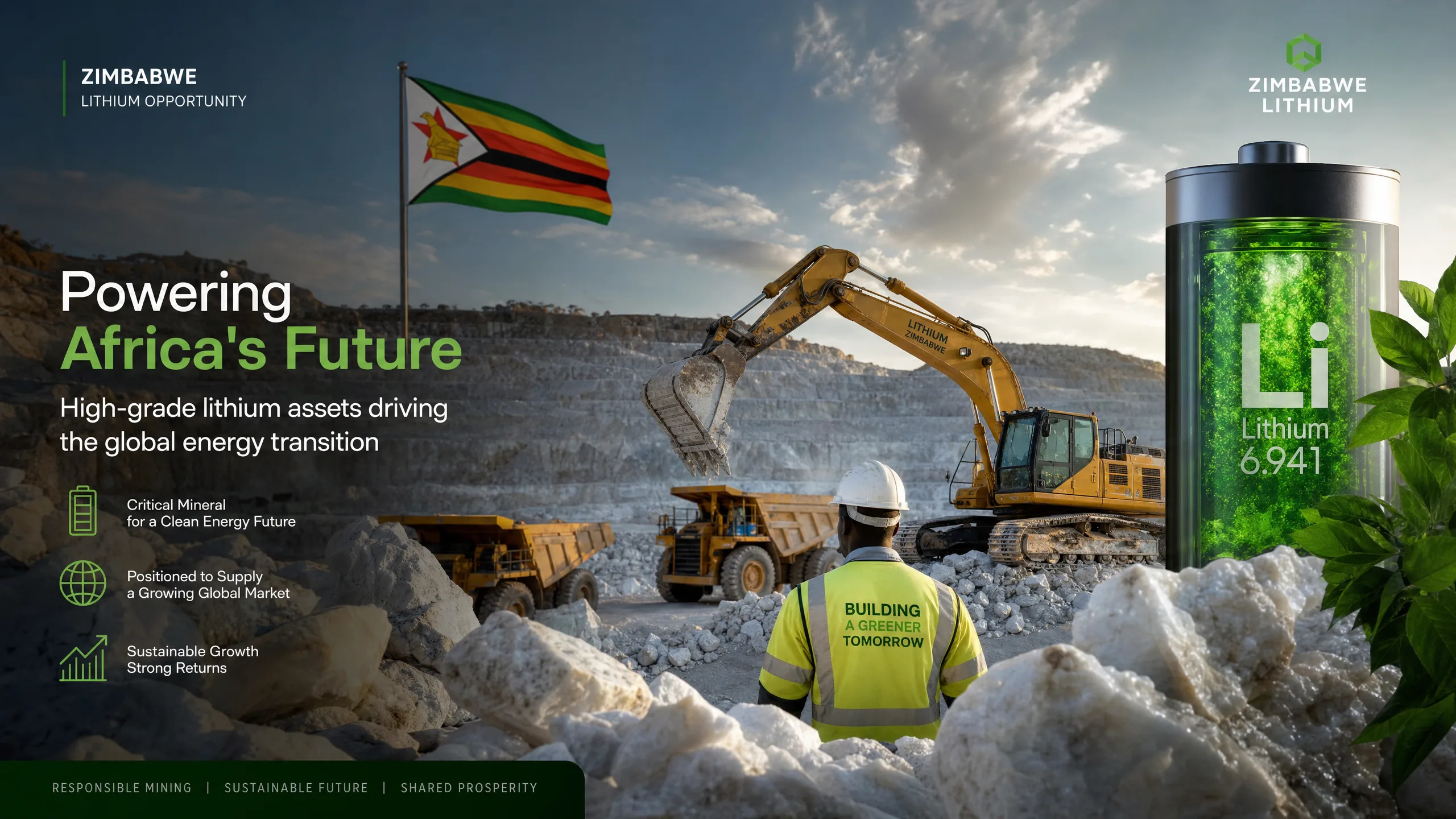
South Africa controls 80% of global platinum reserves, but Zimbabwe holds the key to the future of green energy with Africa's largest lithium deposits.
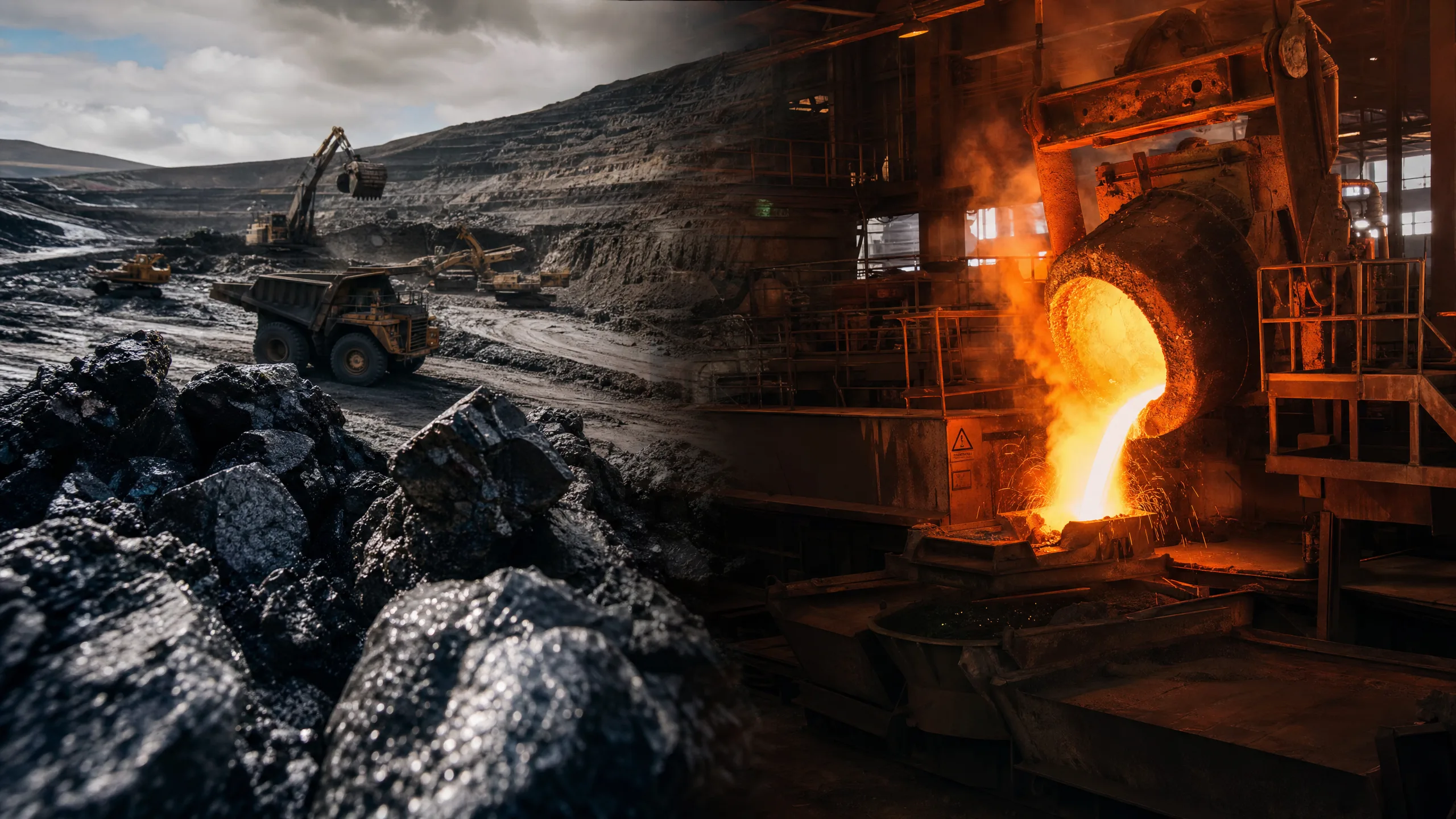
The global transition to clean energy is accelerating, and at the heart of this revolution lies a critical mineral: lithium. As the world shifts from fossil fuel-reliant internal combustion engines to electric vehicles (EVs) and renewable energy storage systems, the demand for lithium-ion batteries has skyrocketed. In this rapidly evolving landscape, Zimbabwe has emerged as a pivotal player, boasting the largest lithium reserves on the African continent and ranking among the top global producers. For institutional investors and policymakers, understanding the scale and potential of Zimbabwe's lithium sector is essential for navigating the future of green energy and digital asset tokenization.
The Scale of Zimbabwe's Lithium Wealth
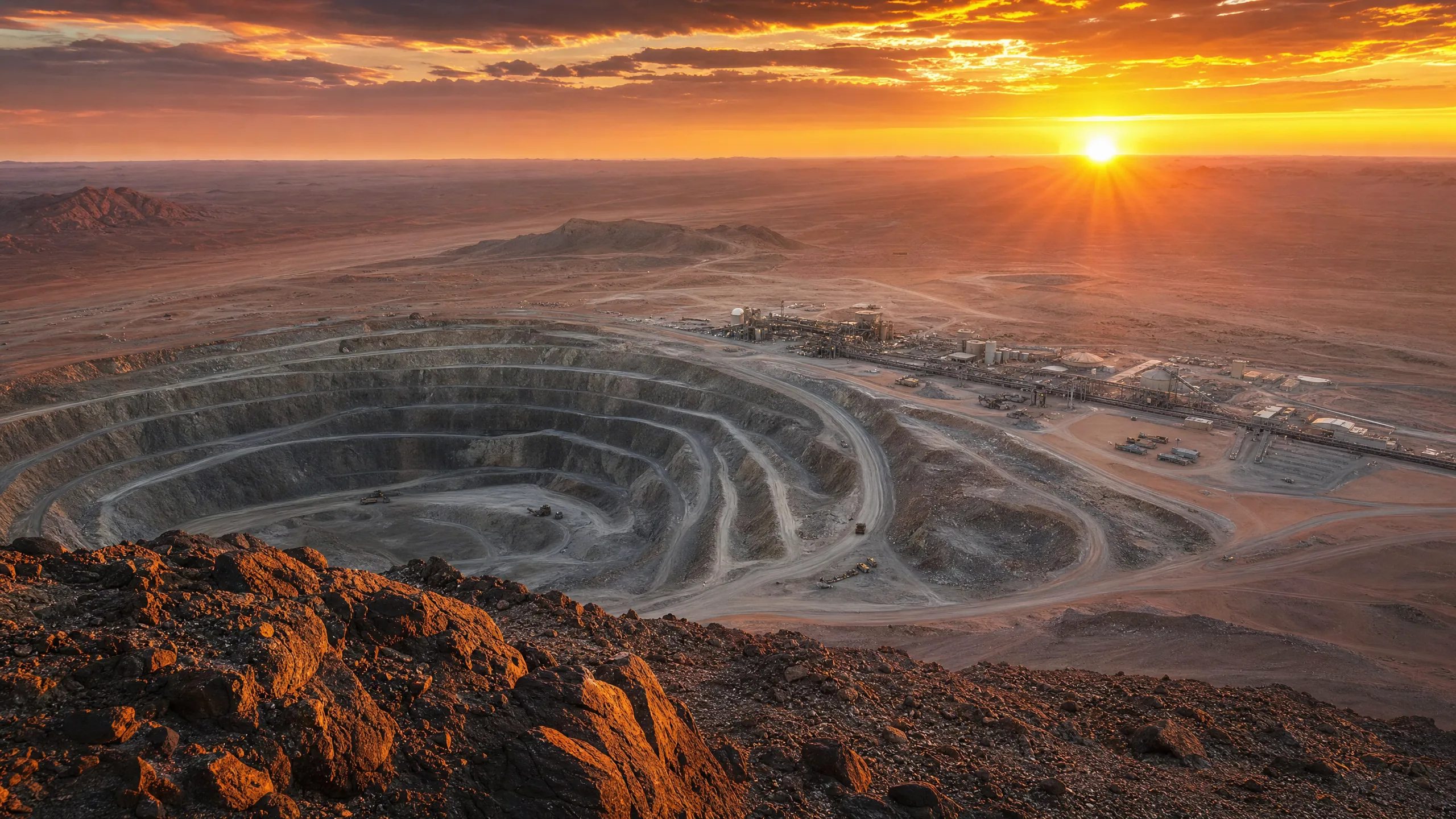
Zimbabwe's geological endowment is staggering. The country holds an estimated 480,000 metric tons of lithium reserves, firmly establishing it as the undisputed leader in Africa and the seventh-largest globally. This vast resource base is predominantly found in pegmatite-hosted deposits, which are highly sought after for their quality and concentration. In 2023, Zimbabwe's lithium production surged to over 826,000 metric tons, a dramatic increase from just over 20,000 metric tons in 2020. This exponential growth underscores the country's rapid ascent in the global supply chain, accounting for nearly 10% of global lithium production in recent years.
The economic impact of this mineral wealth is profound. The mining sector as a whole is a cornerstone of Zimbabwe's economy, contributing approximately 14% to the national Gross Domestic Product (GDP), generating 75% of export earnings, and providing 20% of government revenues. Lithium alone contributed $209 million to mining exports in 2023. As the government pursues its ambitious Vision 2030 objective of becoming an upper-middle-income economy, the strategic development of the lithium sector is viewed as a primary engine for sustainable economic growth and industrialization.
Bikita Minerals: A Historic and Strategic Asset
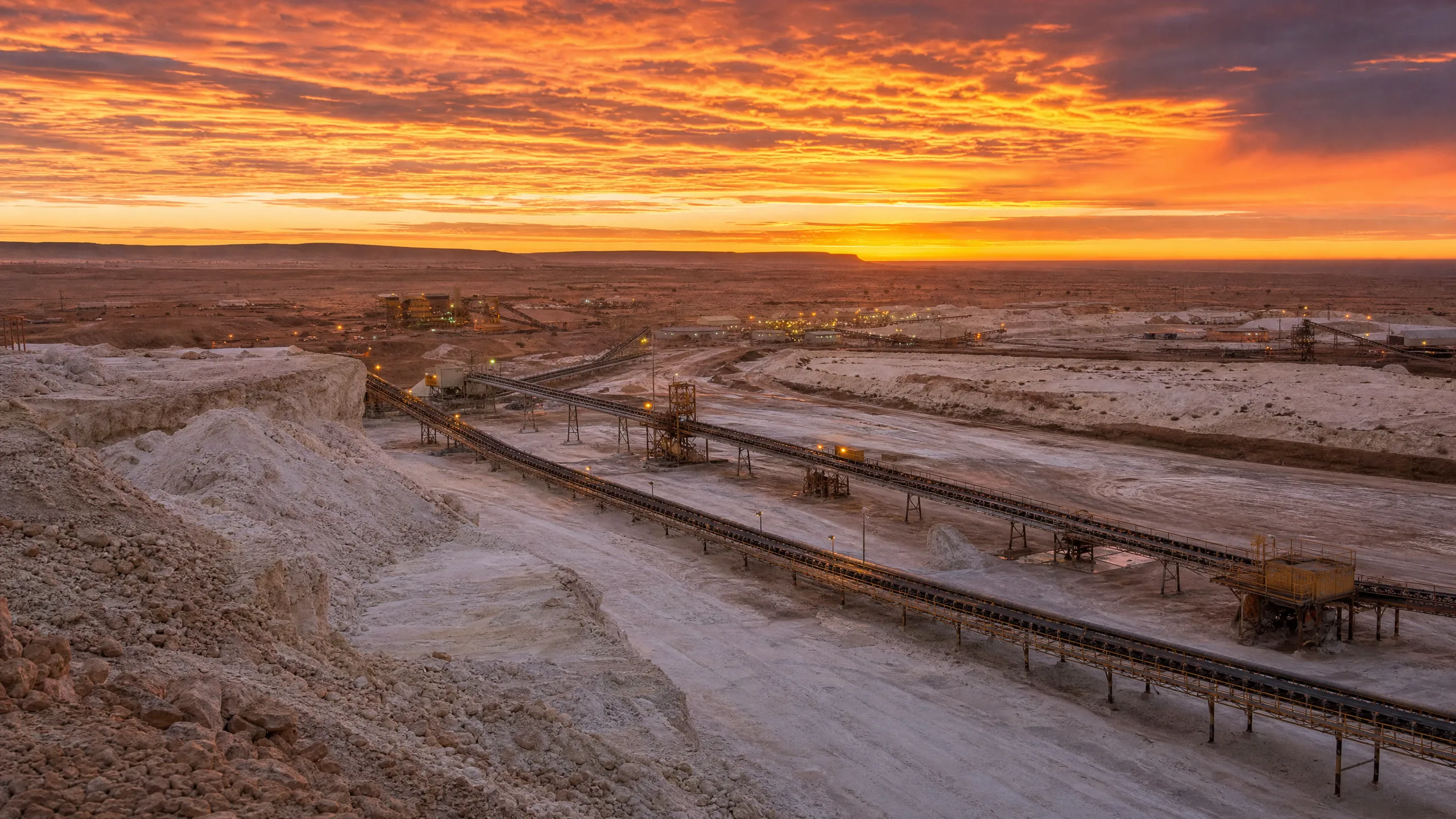
At the epicenter of Zimbabwe's lithium industry is Bikita Minerals, located in the southern Masvingo province. Bikita is not only the country's largest lithium mine but also one of the oldest, with operations dating back to the 1950s. The mine sits on an estimated 10.8 to 11 million tonnes of lithium ore, grading at 1.4%, which translates to approximately 150,000 tons of pure lithium reserves. This single site represents a significant portion of the nation's total reserves and has been a focal point for international investment.
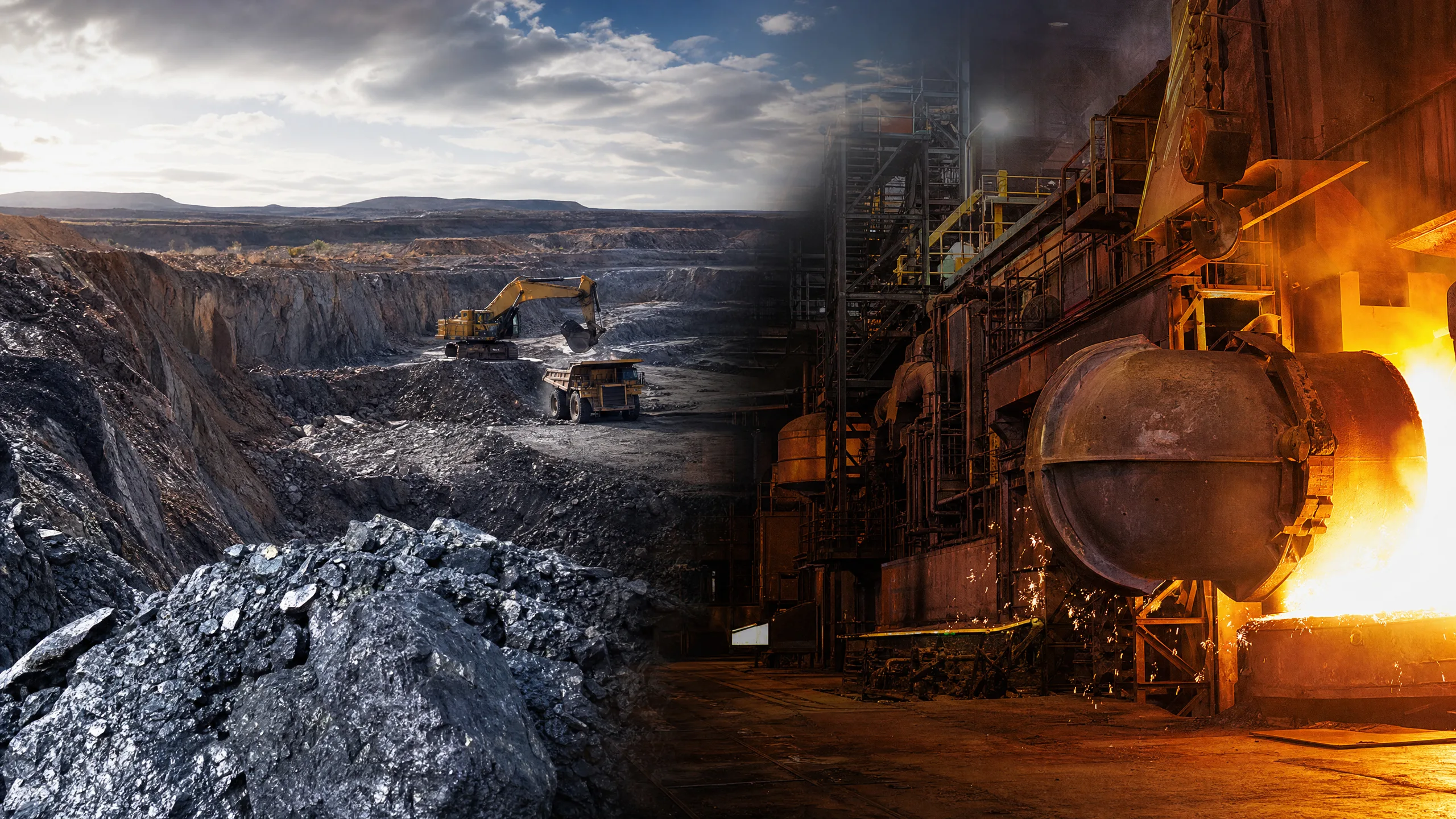
Recently acquired by Sinomine Resource Group, Bikita Minerals has seen substantial capital injection aimed at expanding production capacity and moving up the value chain. The establishment of a new smelting plant to produce lithium sulphate, a project valued at up to US$500 million, exemplifies the shift towards local beneficiation. This development is crucial, as it transitions the operation from merely extracting raw ore to producing higher-value intermediate products essential for battery manufacturing.
Policy Shifts and the Push for Beneficiation
Recognizing the immense value of its lithium resources, the Zimbabwean government has implemented decisive policy measures to maximize domestic economic benefits. In a bold move to curb the export of raw materials and encourage local processing, the government instituted a ban on the export of all raw mineral ore and lithium concentrates, effective February 2026. This policy is designed to force mining companies to invest in midstream processing facilities within the country, thereby capturing more value locally, creating skilled jobs, and fostering technological transfer.
While the ban presents challenges in terms of infrastructure readiness and regulatory enforcement, it signals a clear strategic intent. The goal is to align Zimbabwe's mining sector with the African Mining Vision, moving beyond upstream extraction to midstream refining and, ultimately, downstream manufacturing. By mandating local beneficiation, Zimbabwe aims to transform its role from a mere supplier of raw materials to a critical node in the global battery manufacturing supply chain.
Infrastructure and Investment Opportunities
The rapid expansion of the lithium sector has highlighted the urgent need for robust infrastructure development. The influx of heavy transport has strained existing road networks, and the energy-intensive nature of mineral processing requires significant upgrades to power and water systems. However, these challenges also present substantial opportunities for public-private partnerships (PPPs) and targeted investments.
Foreign direct investment, particularly from Chinese firms, has already exceeded one billion dollars since 2021, focusing on both extraction and the construction of processing plants like those at the Arcadia and Kamativi mines. To sustain this growth and support the transition to domestic refining, coordinated investments in renewable energy, rail rehabilitation, and water management are essential. The Mutapa Investment Fund, Zimbabwe's sovereign wealth fund, is positioned to play a catalytic role in co-financing these critical infrastructure projects, ensuring that the benefits of the lithium boom are broadly shared and sustainable.
Conclusion: Tokenizing the Future of Green Energy
Zimbabwe's lithium deposits represent more than just a mining opportunity; they are a foundational asset for the global green energy transition. As the country navigates the complexities of policy reform, infrastructure development, and local beneficiation, the potential for value creation is immense. For platforms like AfriVest, the digitization and tokenization of these tangible assets offer a revolutionary pathway to democratize access to Africa's mineral wealth. By leveraging blockchain technology to tokenize lithium reserves and processing infrastructure, we can unlock new avenues for institutional investment, enhance transparency, and ensure that the economic benefits of the green energy revolution are realized both globally and locally. The future of energy is green, and its foundation is being built in Zimbabwe.