Morocco controls over 70% of the world's known phosphate rock reserves, positioning the North African nation as the undisputed linchpin of global food security. As agricultural demands surge alongside a growing global population, the strategic importance of phosphate—an irreplaceable nutrient for plant growth and the primary ingredient in commercial fertilizers—has never been more pronounced. For institutional investors and policymakers, understanding Morocco's dominance in this sector is critical to navigating the future of agricultural commodities and the burgeoning opportunities in digital asset tokenization across Africa.
The Unrivaled Scale of Moroccan Phosphate
The sheer magnitude of Morocco's phosphate wealth is staggering. The country holds over 50 billion tonnes of phosphate rock reserves, a volume that dwarfs the reserves of any other nation. To put this into perspective, the second-largest holder, China, possesses an estimated 3.2 billion tonnes. This geological endowment grants Morocco unparalleled influence over the global agricultural supply chain.
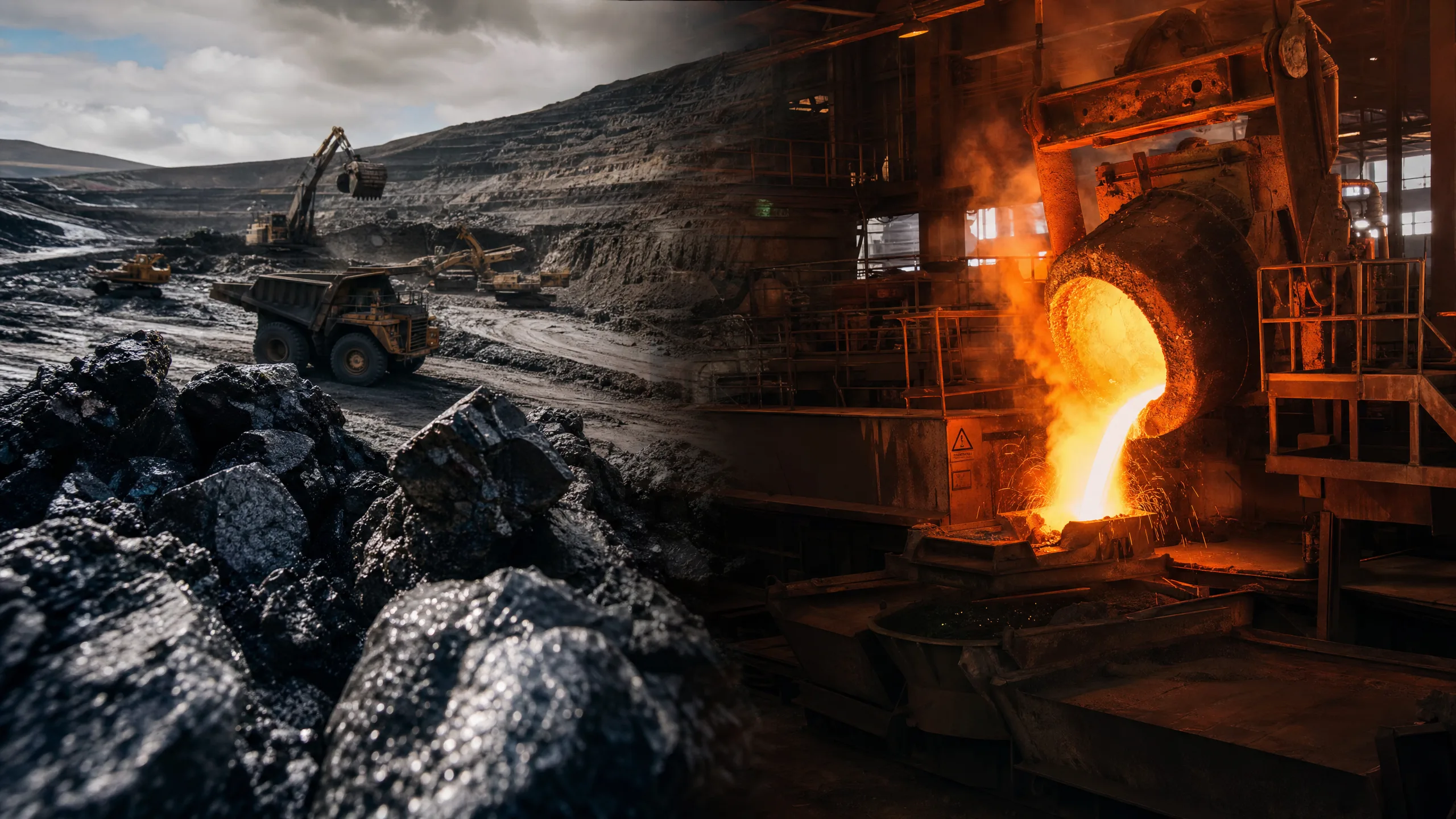
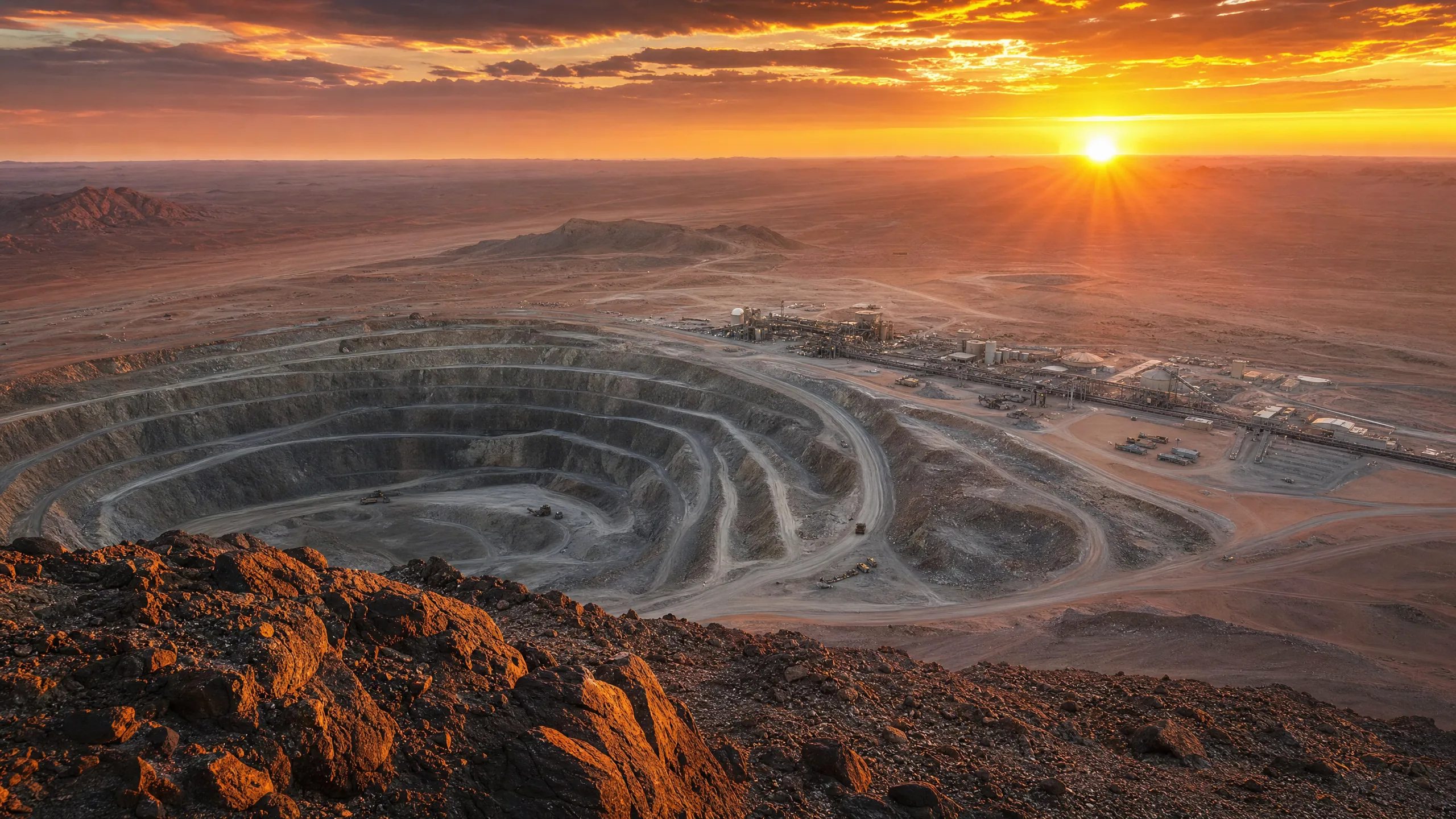
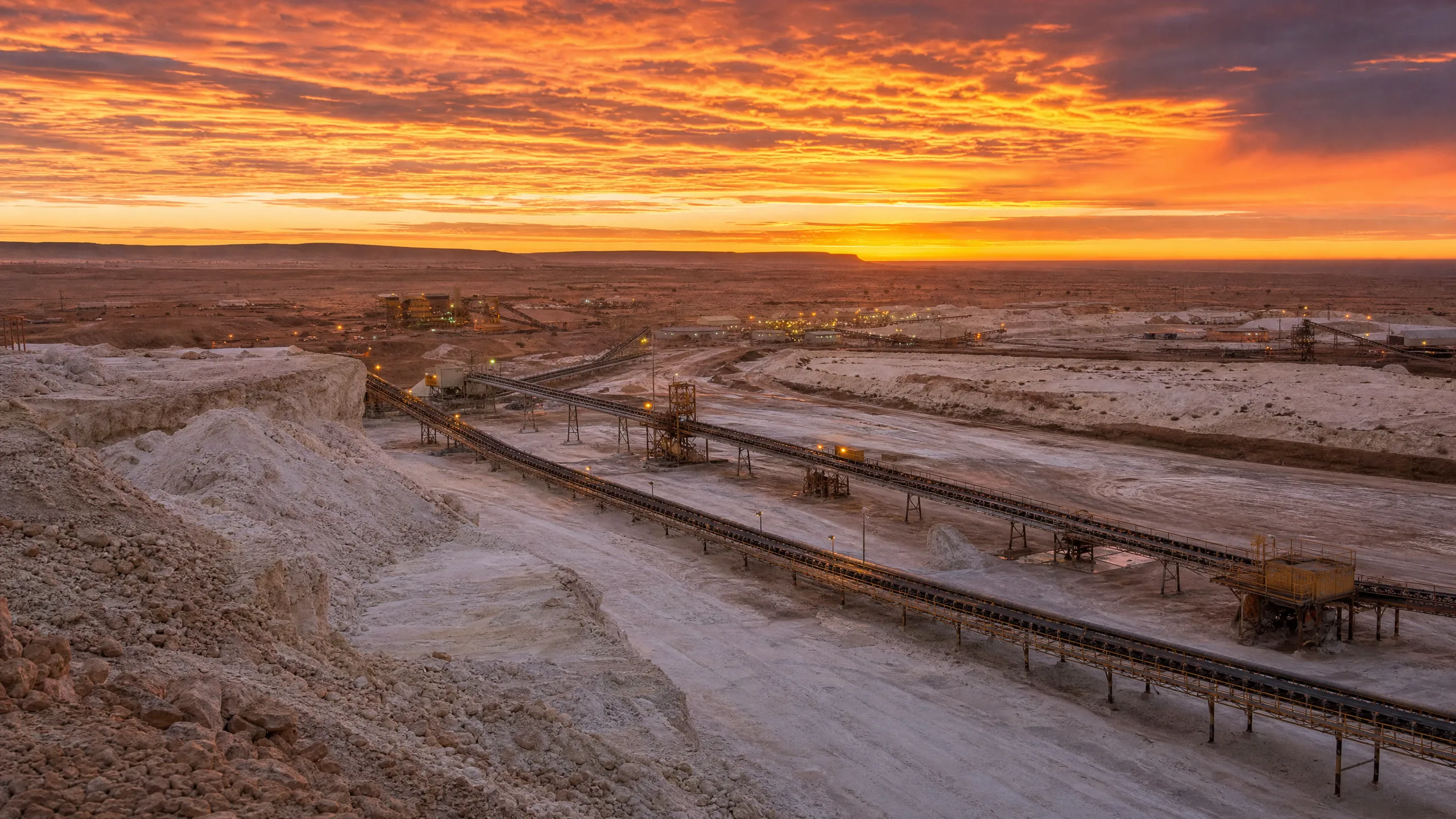
The extraction and processing of these vast resources are exclusively managed by the OCP Group (Office Chérifien des Phosphates), a state-owned enterprise that has evolved into the world's largest producer of phosphate and phosphate-based products. OCP operates three primary mining sites: Khouribga, Gantour (comprising Benguerir and Youssoufia), and Boucraa. The Khouribga area alone boasts the richest phosphate deposits globally, historically accounting for approximately 70% of the group's total output.
OCP Group: The Architect of Global Fertilizer Markets
OCP Group's strategic decisions reverberate throughout the global agricultural sector. In 2024, the company generated revenues of US$9.76 billion, underscoring its immense financial footprint. OCP's operations are not merely extractive; they are highly integrated, encompassing the entire value chain from mining to the production of phosphoric acid and various fertilizers, including mono-ammonium phosphate (MAP), di-ammonium phosphate (DAP), and triple superphosphate (TSP).
The quality of Moroccan phosphate further cements its market dominance. The high-grade rock mined by OCP contains more phosphate per tonne than lower-grade alternatives found elsewhere, making it highly sought after for phosphoric acid production. This premium quality allows OCP to command higher prices and sustain profitability even amid fluctuating global commodity markets. The company's recent strategic pivot towards increasing TSP production at its massive Jorf Lasfar complex—the largest fertilizer complex in the world—demonstrates its agility in responding to evolving agronomic research and market demands.
Economic Impact and Regional Development
The phosphate industry is a cornerstone of the Moroccan economy. The value of phosphates and their derivatives represents a significant portion of the country's exports and contributes substantially to its Gross Domestic Product (GDP). Beyond national economic metrics, OCP's operations drive regional development and employment. The group employs nearly 17,000 people domestically and invests heavily in local infrastructure and community initiatives.
For instance, the Boucraa mine, which represents about 2% of Morocco's total reserves, reinvests 100% of its regional profits into the local community through the Phosboucraa Foundation. This commitment to sustainable development is further evidenced by OCP's massive investments in technological advancements, such as the slurry pipeline linking Khouribga to Jorf Lasfar. This pipeline not only enhances transportation efficiency but also saves over 3 million cubic meters of water annually, a critical consideration in a water-scarce region.
Geopolitical Significance and Food Security
Morocco's near-monopoly on high-grade phosphate reserves elevates its geopolitical standing. As global geopolitical tensions disrupt traditional supply chains, nations increasingly look to Morocco to secure the fertilizers necessary to sustain their agricultural outputs. This dynamic has given rise to "phosphate diplomacy," wherein Morocco leverages its resources to forge strategic partnerships, particularly across the African continent.
Through its subsidiary, OCP Africa, the group is actively developing the African fertilizer market, tailoring products to specific soil types and agricultural needs. This initiative is vital for unlocking Africa's agricultural potential and ensuring long-term food security on the continent and beyond. The strategic importance of these reserves means that any disruption to Moroccan supply would have immediate and severe consequences for global food prices and availability.
The Future: Digital Infrastructure and Tokenization
As the global economy increasingly digitizes, the intersection of traditional commodities and blockchain technology presents unprecedented opportunities. The vast, tangible value of Morocco's phosphate reserves makes them an ideal candidate for asset tokenization. By digitizing these assets, platforms like AfriVest can democratize access to institutional-grade investments, enhance market liquidity, and provide transparent, efficient mechanisms for capital allocation.
The tokenization of agricultural commodities and the underlying mineral wealth could revolutionize how global markets interact with Africa's resources. For forward-looking investors, the integration of digital infrastructure with Morocco's indispensable phosphate reserves represents a compelling frontier, promising both robust returns and the opportunity to participate in securing the future of global agriculture.