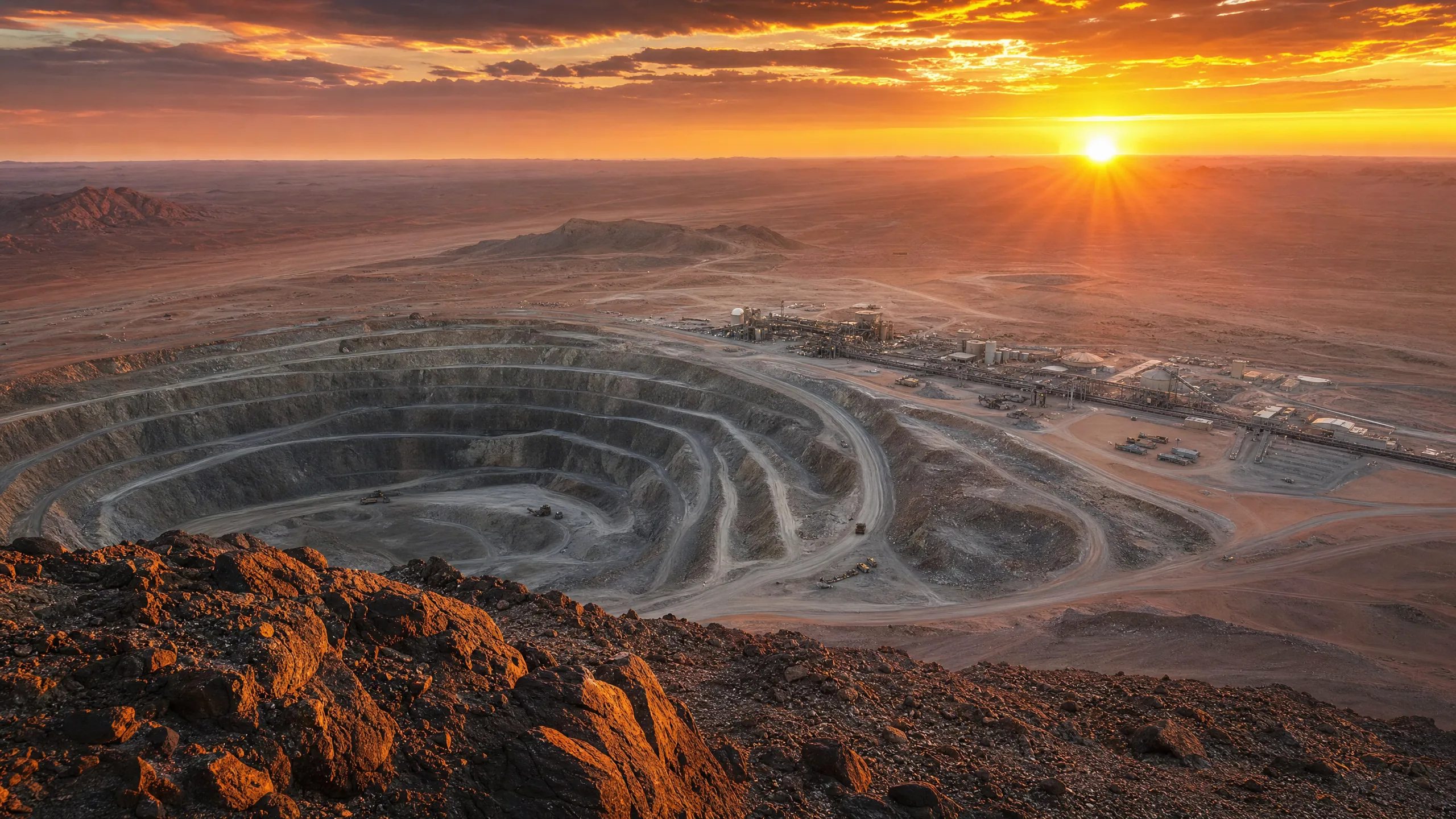
As the world increasingly turns to nuclear energy to meet its growing power demands and carbon-reduction goals, the spotlight is shifting to the vast, sun-baked expanses of the Namib Desert. Namibia, a nation known for its breathtaking landscapes, is quietly solidifying its position as a global powerhouse in uranium production. With the global demand for clean, reliable energy surging, Namibia's uranium sector is not just a cornerstone of its domestic economy—it is a critical node in the global nuclear supply chain.
A Global Uranium Heavyweight
Namibia has consistently ranked among the top uranium producers globally. In 2024, the country accounted for approximately 12% of the world's uranium supply, trailing only Kazakhstan and Canada. This impressive output is driven by a combination of rich geological endowments and a well-established mining infrastructure. The country's total uranium production reached over 6,400 tonnes in 2024, underscoring its capacity to meet the rising global demand for nuclear fuel.
The strategic importance of Namibia's uranium cannot be overstated. As geopolitical tensions and supply chain vulnerabilities prompt nations to diversify their energy sources, Namibia offers a stable and reliable supply of this critical mineral. The country's identified uranium resources represent about 5% of the world's known total, ensuring its long-term relevance in the global energy landscape.
The Giants of the Desert: Rössing and Husab
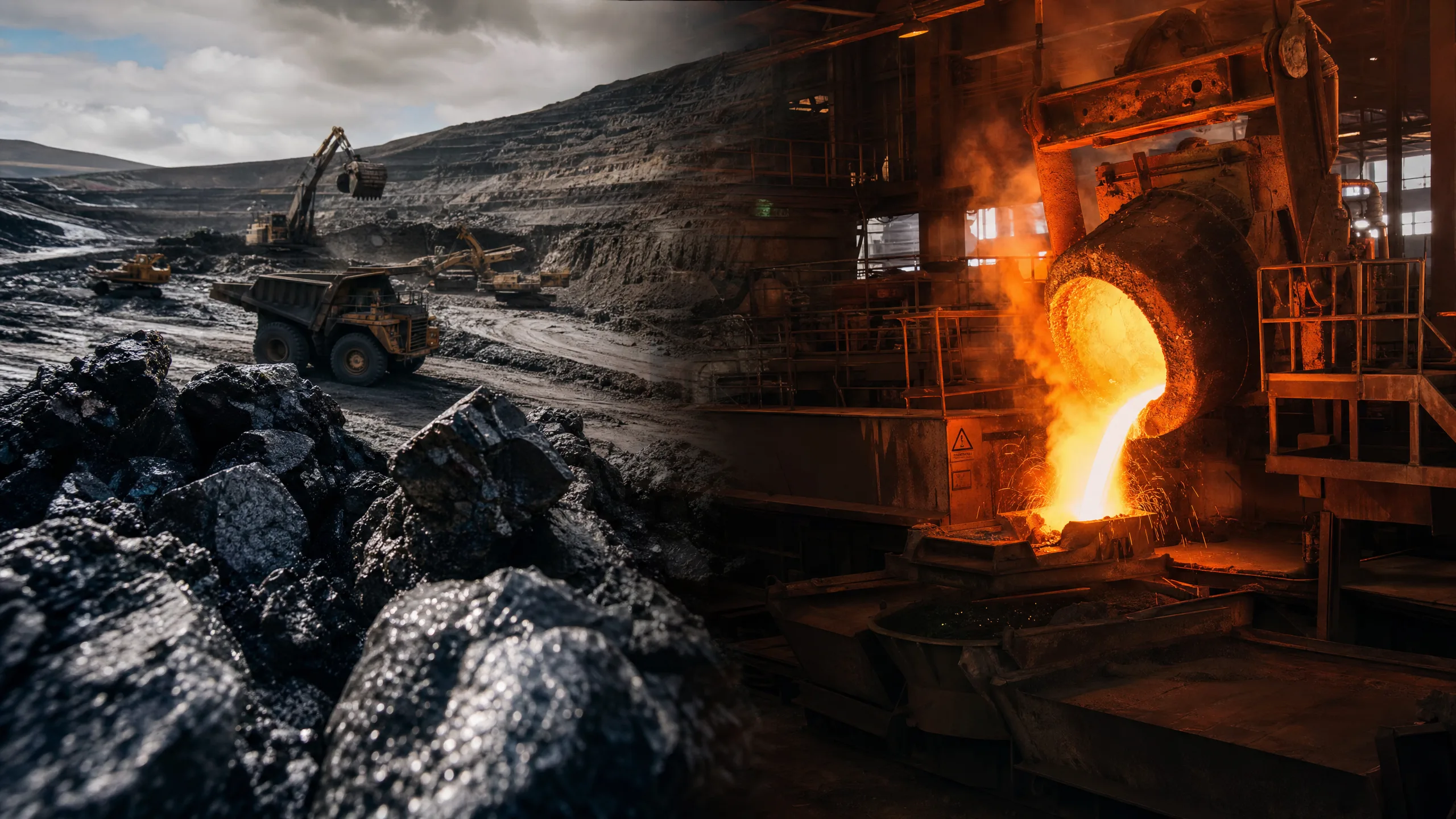
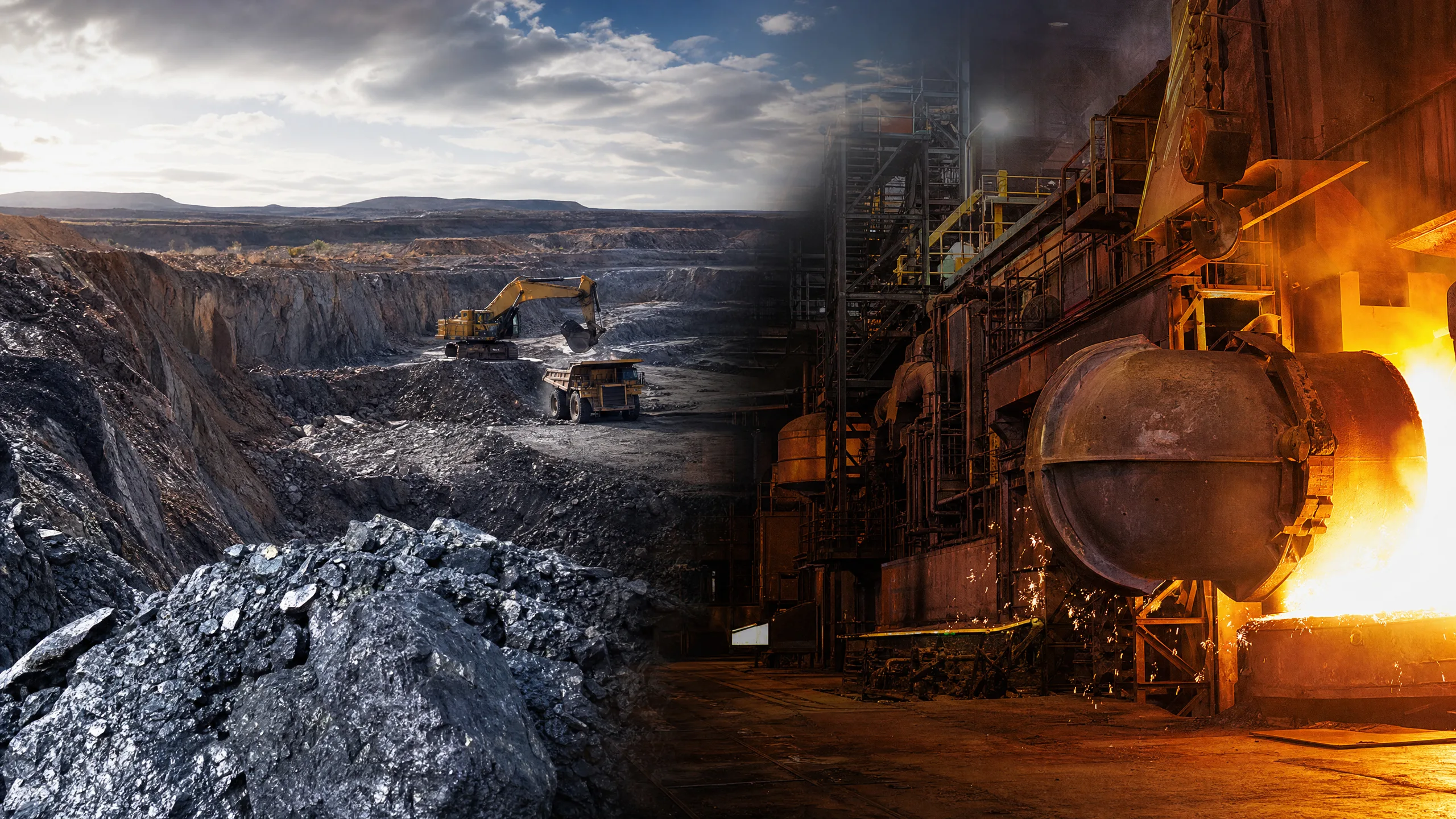
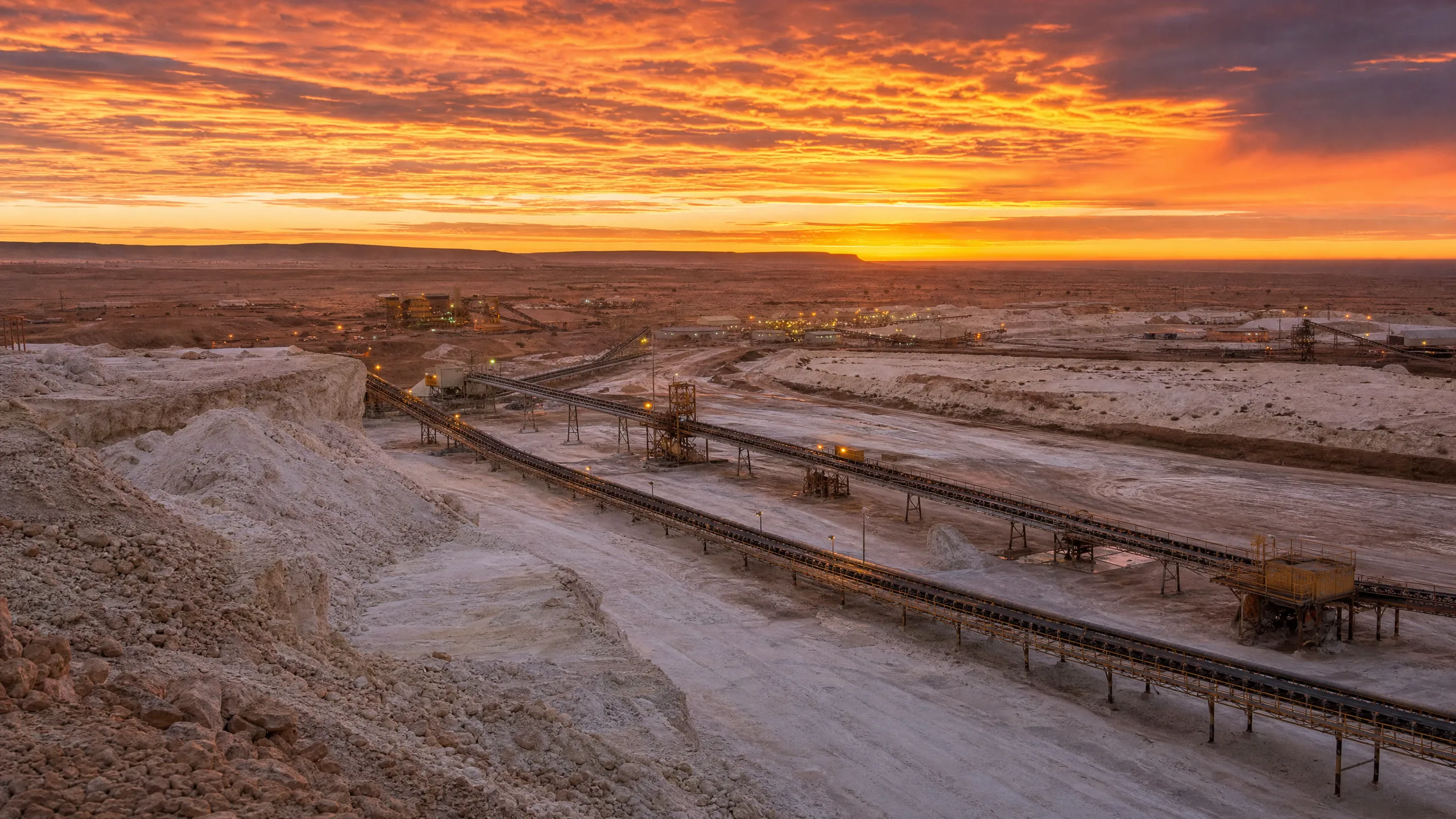
At the heart of Namibia's uranium success story are two colossal mining operations: the Rössing and Husab mines. These facilities are not only marvels of modern engineering but also vital engines of economic growth.
Rössing Uranium Mine: As one of the longest-operating open-pit uranium mines in the world, Rössing has been a stalwart of Namibia's mining sector since 1976. In 2024, the mine produced 2,600 tonnes of uranium oxide, maintaining consistent output levels despite market fluctuations. Rössing's enduring legacy is a testament to the resilience and expertise embedded in Namibia's mining industry.
Husab Uranium Mine: A more recent addition to Namibia's mining portfolio, the Husab mine is a world-class deposit that has rapidly scaled up its operations. In 2024, Husab achieved remarkable milestones, recording a net profit of N$562 million and setting new records for mined material. The mine's success highlights the ongoing potential for significant discoveries and expansions within the Erongo Region.
Economic Impact and GDP Contribution
The mining sector is the bedrock of Namibia's economy, and uranium plays an increasingly prominent role. Mining as a whole contributes approximately 13.3% to the nation's Gross Domestic Product (GDP) and accounts for about 50% of merchandise exports. Within this sector, uranium's contribution has been steadily rising, reflecting both increased production volumes and favorable market conditions.
The economic benefits of uranium mining extend far beyond GDP figures. The industry is a major source of employment, providing thousands of direct and indirect jobs. Furthermore, mining companies are significant contributors to state revenues through taxes and royalties, funding essential public services and infrastructure development. The success of operations like Rössing and Husab translates directly into tangible benefits for the Namibian people.
The Future of Nuclear Energy and Uranium Demand
The global outlook for uranium is exceptionally bullish. The transition towards a low-carbon economy has reignited interest in nuclear power, with numerous countries announcing plans to expand their nuclear capacities. The rise of energy-intensive technologies, such as Artificial Intelligence (AI) data centers, is further accelerating this trend. As a result, the global demand for uranium is projected to outstrip supply in the coming years, creating a favorable environment for established producers like Namibia.
Namibia is well-positioned to capitalize on this growing demand. With several advanced exploration projects underway and the potential for new discoveries, the country's uranium sector is poised for sustained growth. The government's supportive regulatory framework and commitment to sustainable mining practices further enhance Namibia's attractiveness as an investment destination.
Digitizing Africa's Assets: The Tokenization Opportunity
As Namibia's uranium sector continues to thrive, there is a unique opportunity to integrate modern financial technologies to unlock even greater value. The tokenization of real-world assets, such as uranium reserves and mining infrastructure, presents a transformative pathway for the industry. By leveraging blockchain technology, platforms like AfriVest can digitize these assets, making them more accessible to a broader range of investors.
Tokenization offers several compelling advantages. It enhances liquidity, allowing investors to trade fractional ownership of assets that were previously illiquid. It also increases transparency and efficiency, reducing the friction associated with traditional investment mechanisms. For institutional investors and policymakers, the integration of digital infrastructure into the mining sector represents a forward-looking approach to capital formation and resource management. As Namibia powers the global nuclear energy transition, the digitization of its mineral wealth could serve as a blueprint for the future of African asset management.