South Africa controls approximately 80% of the world's known manganese reserves, positioning the nation as an indispensable pillar of global industrialization and infrastructure development.
The Backbone of Global Steel Production
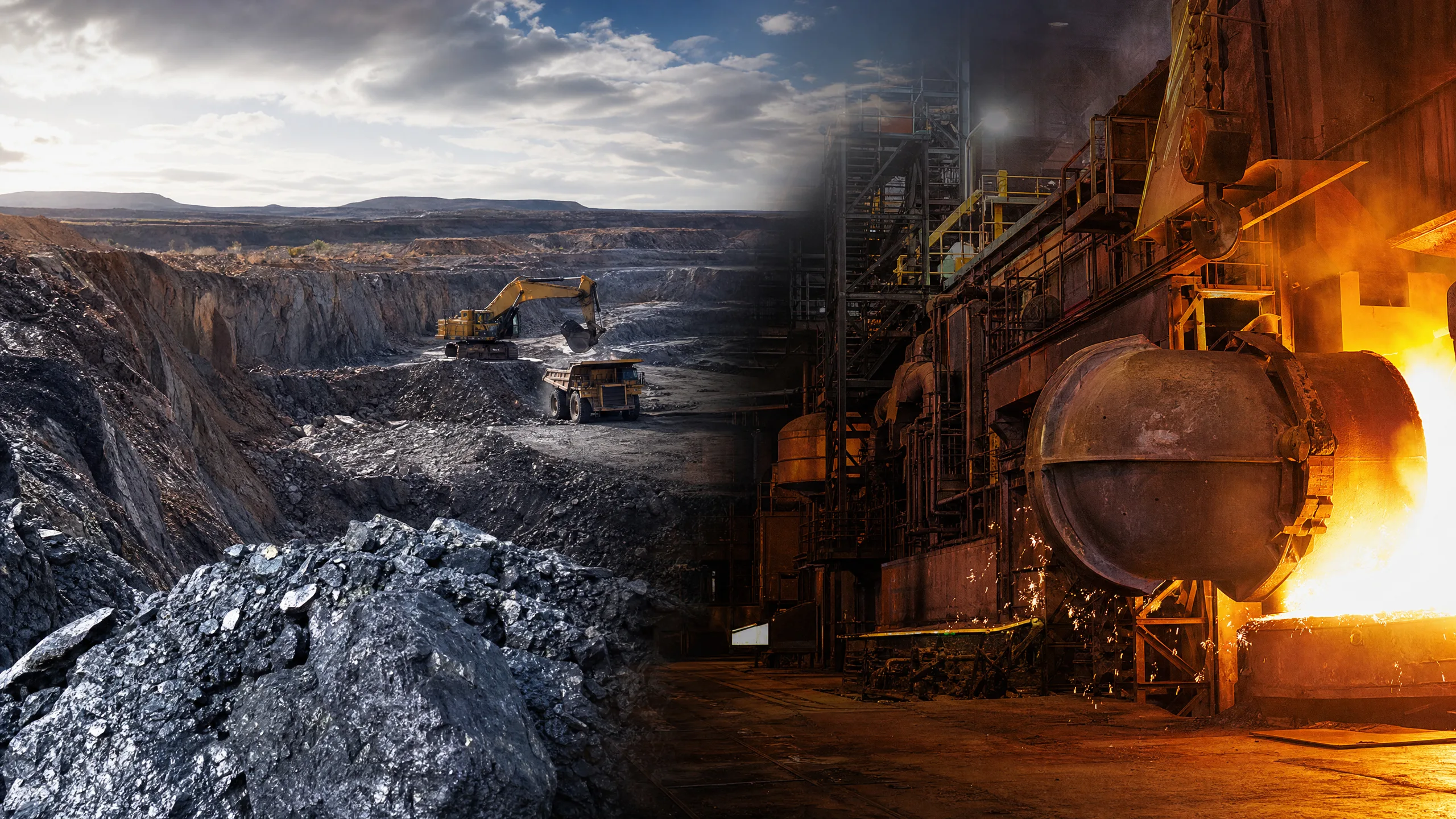
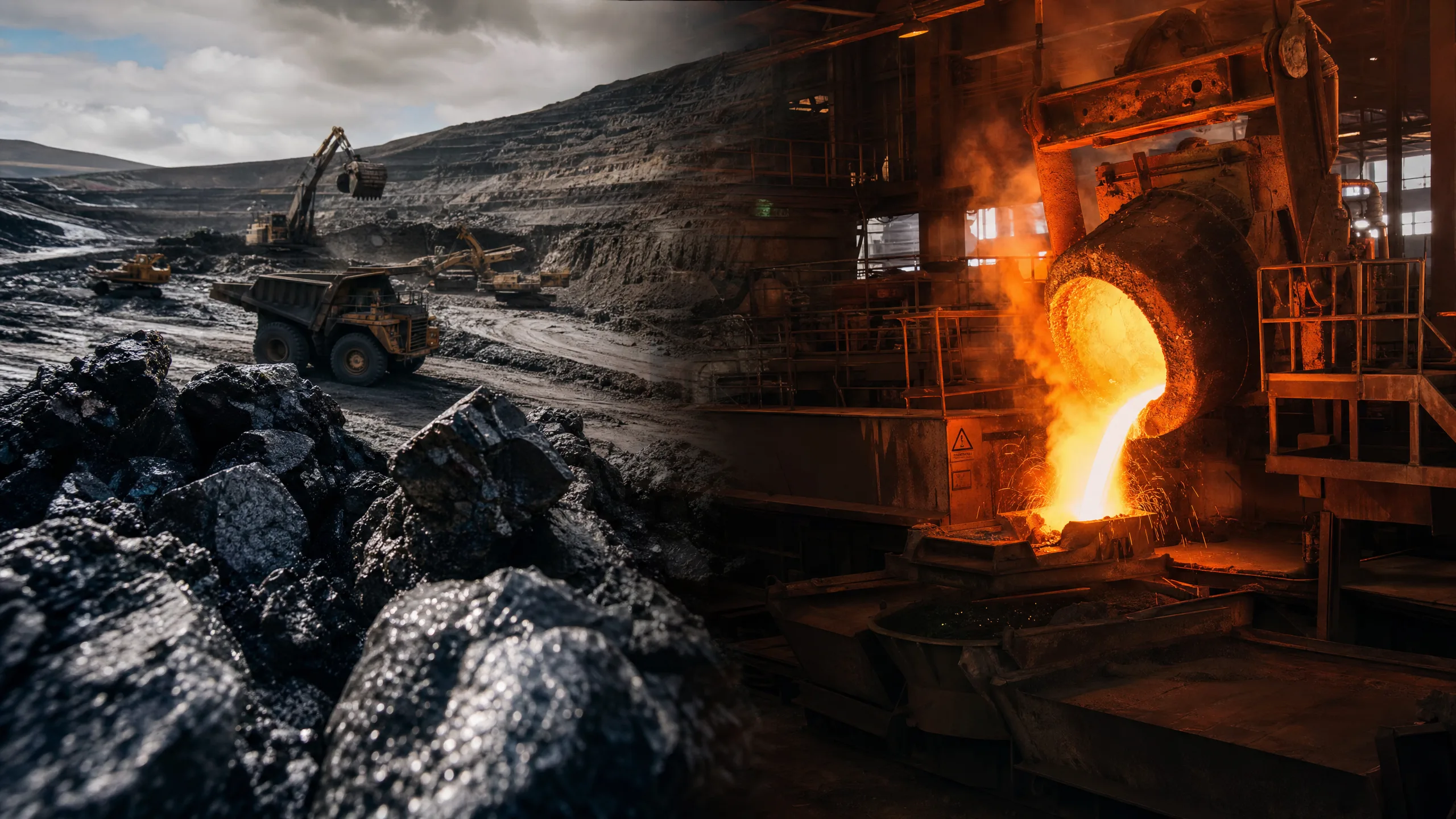
Manganese is the unsung hero of modern infrastructure. It is an essential element in steel production, with no viable substitute. Over 85% of all manganese mined globally is consumed by the steel industry, where it acts as a deoxidizing and desulfurizing agent while significantly enhancing the strength, toughness, and wear resistance of the final product. Without manganese, the high-strength steel required for skyscrapers, bridges, and modern transportation systems simply could not be manufactured at scale.
The Kalahari Manganese Field: A Geological Wonder
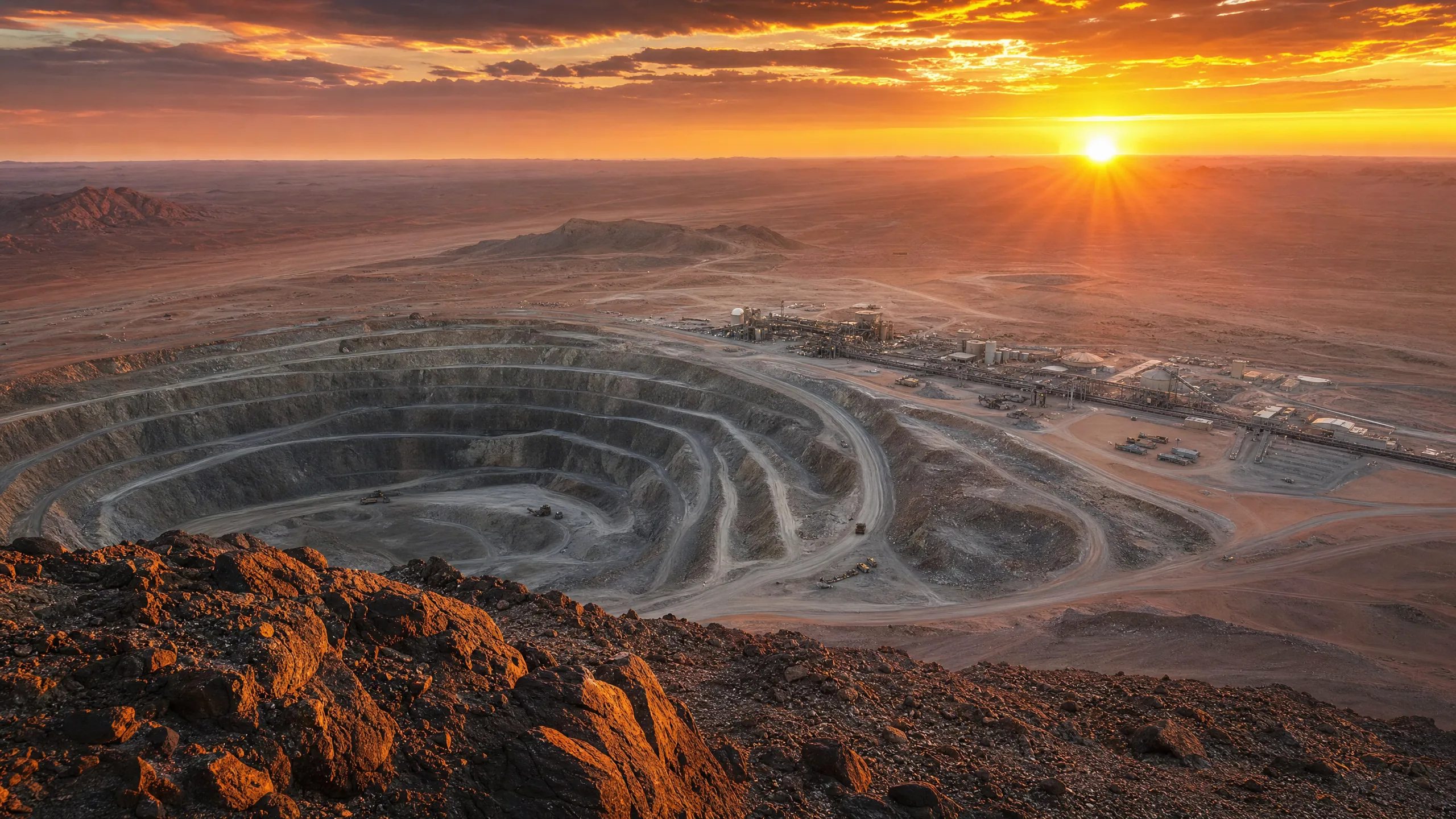
The epicenter of this critical resource is the Kalahari Manganese Field (KMF) in South Africa's Northern Cape Province. Discovered in the early 20th century, the KMF is by far the largest land-based manganese deposit on Earth. Situated within the 2.2 billion-year-old sedimentary rocks of the Transvaal Supergroup, this geological marvel hosts an unparalleled concentration of high-grade manganese ore.
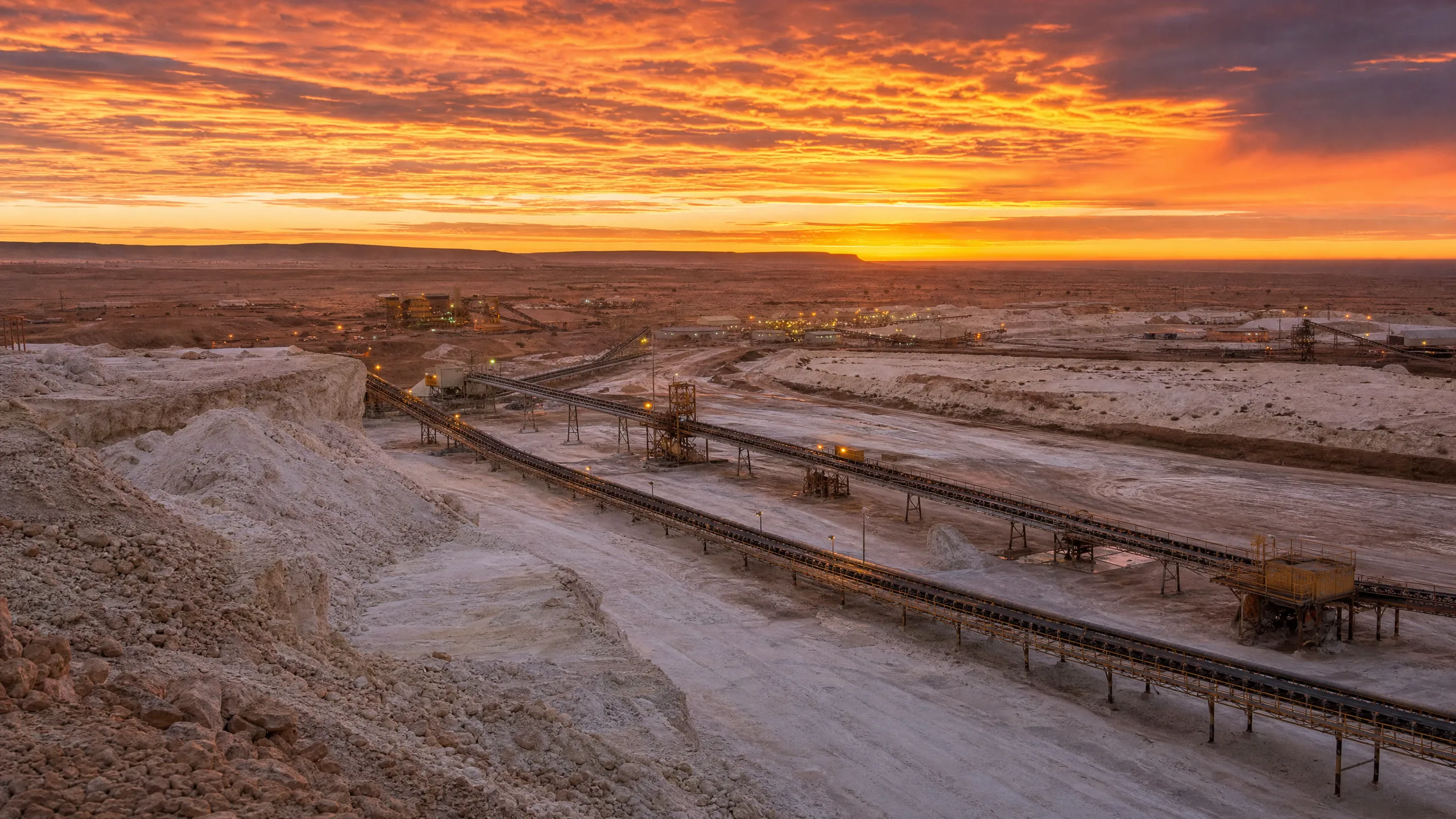
Active mining operations in the region, including the renowned Wessels, Black Rock, and Mamatwan mines, drive the nation's output. The field produces two primary types of ore: the carbonate-rich Mamatwan-type and the higher-grade, hydrothermally upgraded Wessels-type ore. This diversity allows South Africa to supply a wide range of industrial applications globally.
Production Dominance and Economic Impact
South Africa's dominance in the manganese market is absolute. The country produces approximately 7.2 million metric tons annually, accounting for roughly 36% of global production. This staggering output is a vital component of the South African economy. The broader mining sector remains a cornerstone of the nation's financial health, contributing approximately 6% to 7.3% of the national Gross Domestic Product (GDP) and accounting for a quarter of total export earnings.
The scale of operations is immense. Facilities like the Manganese Metal Company process tens of thousands of tons of ore annually, with continuous investments aimed at expanding commercial processing capabilities to meet surging global demand.
The Future: Digital Infrastructure and Tokenization
As the world transitions toward greener technologies, the demand for manganese is expanding beyond traditional steelmaking into the realm of electric vehicle (EV) batteries. This dual demand curve presents a unique opportunity for innovation in asset management and investment.
The digitization and tokenization of real-world assets, such as manganese reserves and mining outputs, offer a transformative pathway for institutional investors. Platforms like AfriVest are pioneering this frontier, enabling fractional ownership, enhanced liquidity, and transparent tracking of commodity supply chains. By integrating blockchain technology with Africa's vast mineral wealth, we can unlock unprecedented value, democratize access to critical resources, and build a more resilient, efficient global supply chain for the infrastructure of tomorrow.