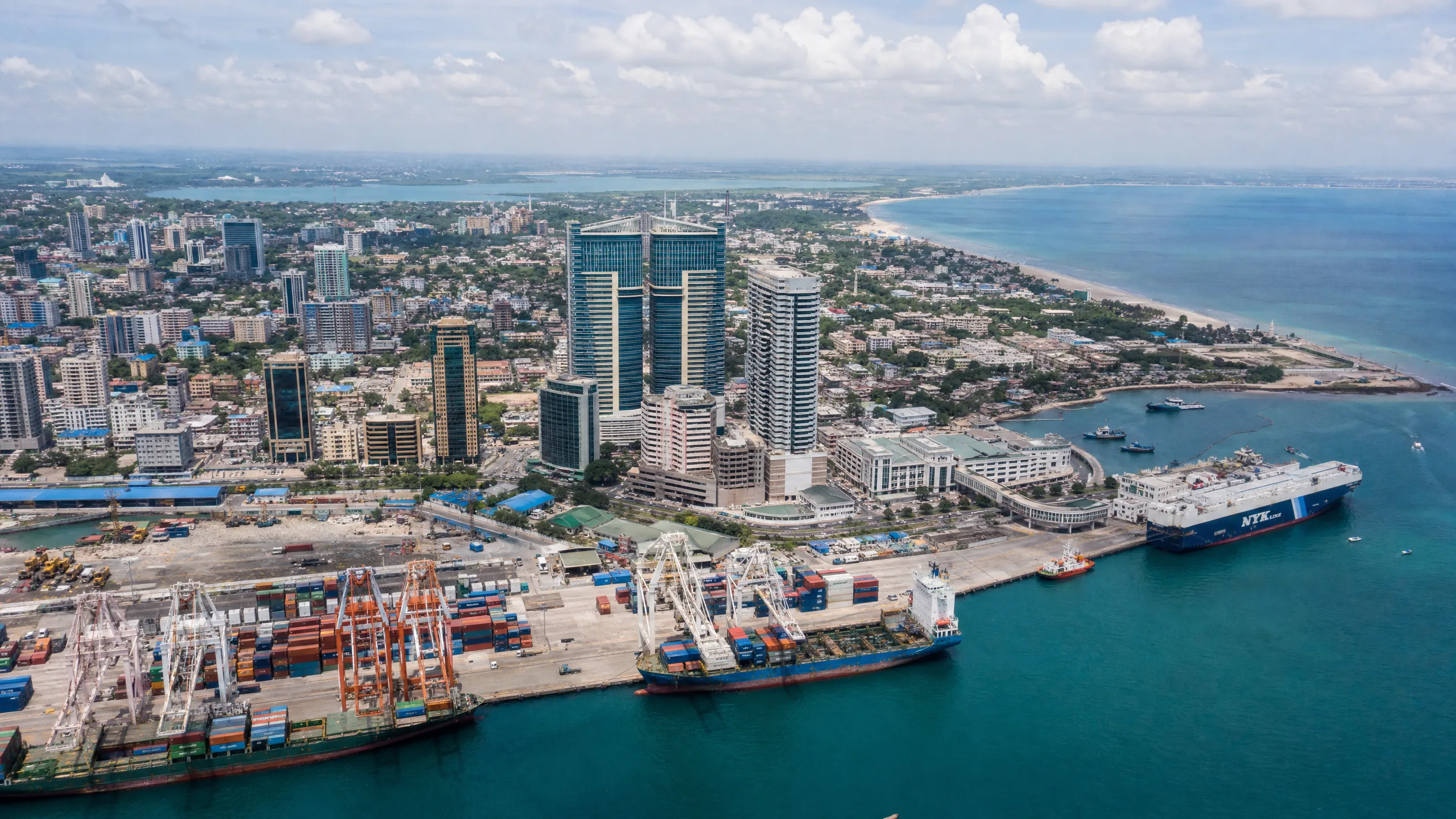
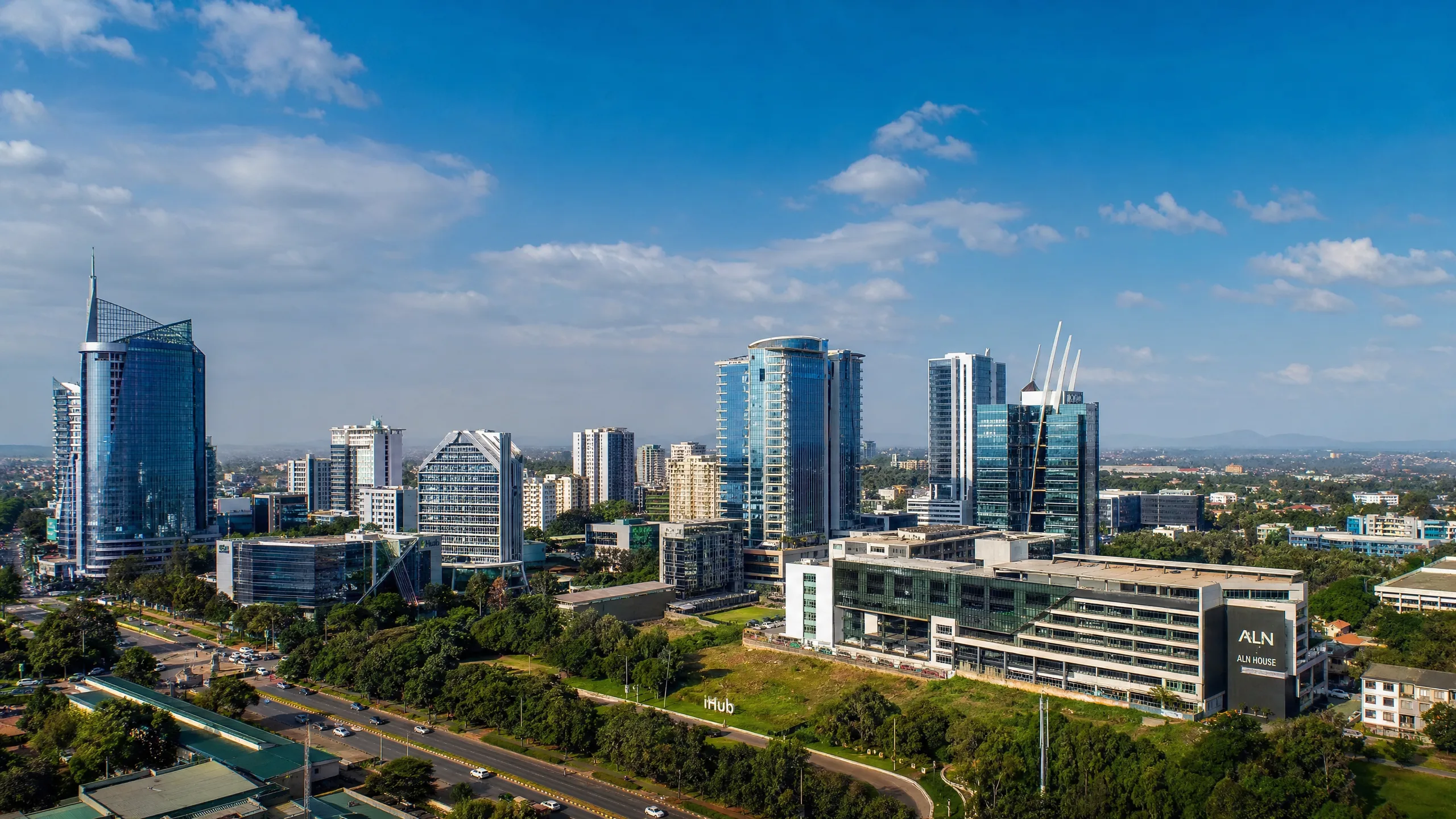
Nairobi's real estate market is experiencing unprecedented growth, fueled by its status as Africa's premier tech hub, driving a $1.2 billion commercial property boom.
The Rise of the Silicon Savannah
Nairobi, affectionately known as the "Silicon Savannah," has firmly established itself as the technological epicenter of East Africa. This vibrant tech ecosystem is not merely a hub for innovation; it is a significant driver of economic expansion and real estate development. The city's strategic location, coupled with a robust digital infrastructure and a highly educated workforce, has attracted global tech giants such as Microsoft, Google, and Visa. These multinational corporations, alongside a thriving community of local startups, are transforming the commercial landscape. The influx of tech enterprises has created a substantial demand for modern, high-quality office spaces, co-working environments, and specialized tech hubs, fundamentally altering the dynamics of Nairobi's real estate market.
The impact of this technological renaissance extends beyond commercial real estate. As the tech sector expands, it draws a diverse pool of talent from across the continent and the globe. This influx of professionals has catalyzed a corresponding surge in the residential property market. Developers are increasingly focusing on creating integrated communities that offer a blend of residential, commercial, and recreational facilities, catering to the lifestyle preferences of the modern tech worker. The synergy between technological advancement and real estate development is creating a self-sustaining cycle of growth, positioning Nairobi as a premier destination for institutional investors seeking robust returns in emerging markets.
Economic Impact and Market Valuation
The economic implications of Nairobi's tech-driven real estate boom are profound. The Kenyan real estate sector is a critical component of the national economy, contributing approximately 5.45% to the Gross Domestic Product (GDP) in 2024. This contribution underscores the sector's importance as an engine of economic growth and job creation. The market's valuation reflects this robust performance, with the African real estate market projected to reach USD 244.04 billion by 2026. Within this broader context, Nairobi stands out as a high-growth node, attracting significant domestic and foreign direct investment.
The commercial property segment, in particular, is experiencing a renaissance. The demand for Grade A office spaces, driven by the expansion of tech companies and financial institutions, has led to a tightening of supply and a corresponding increase in rental yields. Investors are capitalizing on this trend, recognizing the long-term value proposition offered by Nairobi's commercial real estate. Furthermore, the integration of PropTech solutions is enhancing operational efficiencies and transparency within the market, further bolstering investor confidence. The convergence of a dynamic tech sector and a resilient real estate market is creating a compelling investment narrative for Nairobi.
Infrastructure Development and Connectivity
A critical enabler of Nairobi's real estate boom is the ongoing investment in infrastructure and connectivity. The development of the Nairobi Expressway, a major infrastructure project, has significantly improved urban mobility, reducing commute times and enhancing the accessibility of key commercial and residential nodes. Properties located in proximity to this vital artery command a premium, reflecting the value placed on connectivity by businesses and residents alike. This infrastructure development is not only alleviating traffic congestion but also unlocking new areas for real estate development, expanding the city's footprint and creating new investment opportunities.
Beyond physical infrastructure, Nairobi's digital connectivity is a key competitive advantage. The city boasts one of the fastest and most reliable internet networks in Africa, a prerequisite for the growth of the tech sector. This digital infrastructure supports the operations of tech companies and facilitates the adoption of smart city technologies. The development of Konza Technopolis, a planned smart city located outside Nairobi, exemplifies this commitment to integrating technology and urban planning. Konza aims to provide world-class infrastructure and services, further solidifying Kenya's position as a leader in the digital economy and creating a new frontier for real estate investment.
Foreign Investment and Market Dynamics
Nairobi's real estate market is increasingly characterized by a strong influx of foreign investment. International investors are drawn to the city's strong economic fundamentals, demographic dividends, and the potential for high capital appreciation and rental yields. This foreign capital is expanding into various segments of the market, including residential, commercial, hospitality, and digital infrastructure. The presence of international investors is also driving a flight to quality, with a growing emphasis on sustainable building practices, modern amenities, and professional property management.
The market dynamics are also being shaped by the evolving preferences of tenants and buyers. There is a growing demand for properties that offer a comprehensive suite of amenities, such as fitness centers, swimming pools, and robust security systems. Developers are responding to these demands by incorporating these features into their projects, differentiating their offerings in a competitive market. Additionally, the rise of remote and hybrid work models is influencing the design of residential and commercial spaces, with a greater emphasis on flexibility and connectivity. These evolving trends present both challenges and opportunities for investors navigating the Nairobi real estate market.
The Future of Digital Assets and Tokenization
Looking ahead, the intersection of real estate and digital technology presents a transformative opportunity for the Nairobi market. The concept of real estate tokenization, which involves the fractionalization of property assets using blockchain technology, has the potential to democratize access to real estate investment. By lowering the barriers to entry and enhancing liquidity, tokenization can attract a broader pool of investors, both domestic and international. This innovative approach aligns with the broader trend of digitizing Africa's assets, a mission central to platforms like AfriVest.
The integration of digital infrastructure and tokenization will not only streamline the investment process but also enhance transparency and security. Smart contracts can automate various aspects of property management and transactions, reducing administrative overhead and mitigating risks. As Nairobi continues to solidify its position as a tech hub, the adoption of these advanced technologies will further elevate the city's real estate market, offering institutional investors and policymakers a compelling vision of a modernized, efficient, and inclusive property sector. The future of Nairobi's real estate lies in its ability to harness the power of technology to unlock new avenues of growth and value creation.