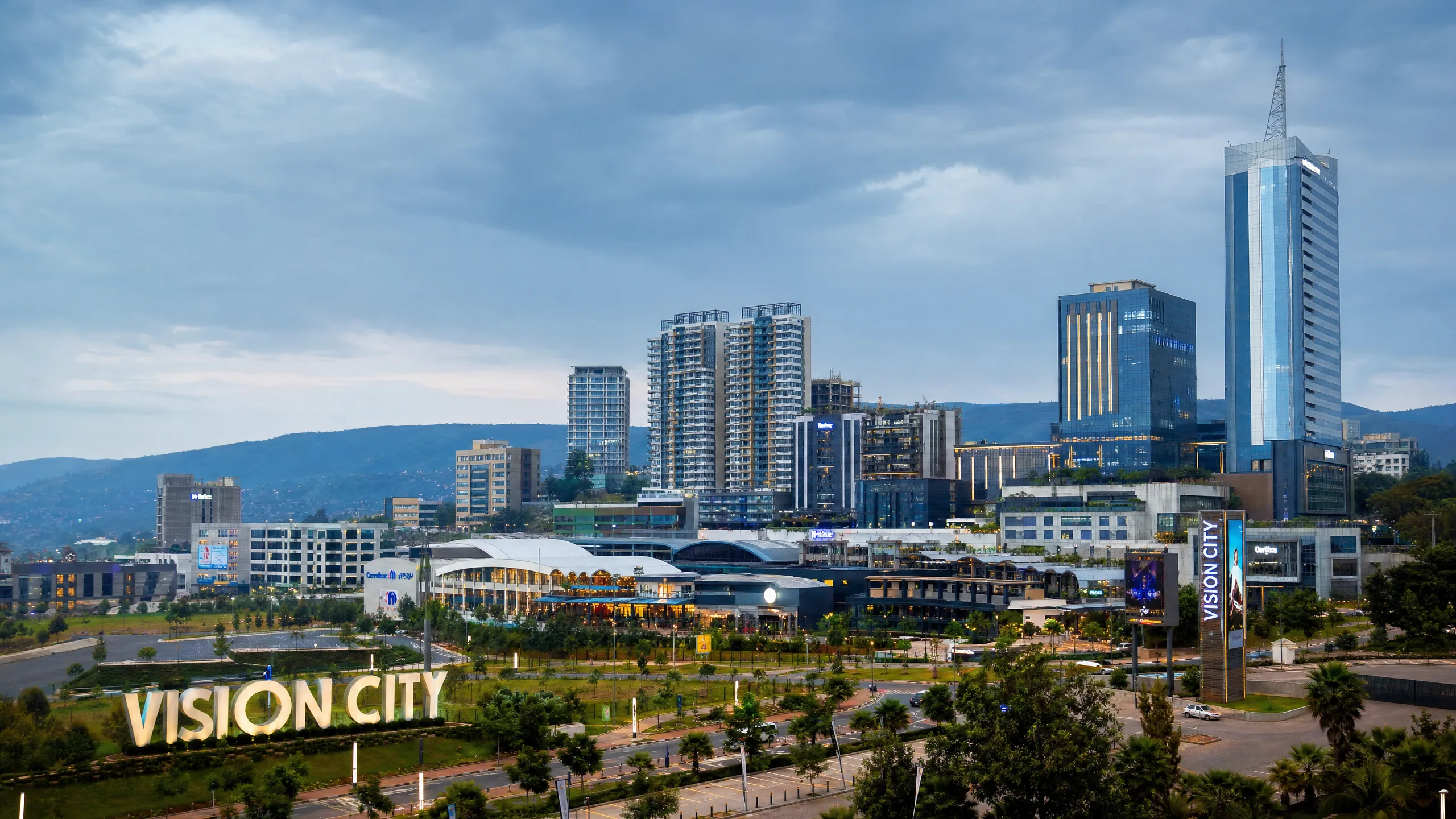
Rwanda's real estate market is undergoing a profound transformation, with Kigali at the epicenter of this rapid urban evolution. As the "Silicon Valley of Africa," Kigali is not only advancing in digital infrastructure but also redefining its physical landscape. The crown jewel of this transformation is Vision City, a multi-phase residential housing project that stands as the largest in the country's history. With an estimated total cost of $150 million for its initial phases and broader development visions reaching up to $400 million, Vision City is a testament to Rwanda's commitment to sustainable urban development and economic growth.
The Genesis of Vision City
Initiated in 2011 by Ultimate Developers LTD and financed by the Rwanda Social Security Board (RSSB), Vision City was conceived to address the growing demand for modern housing in Kigali. Located in the Gaculiro, Kinyinya sector of Kigali's Gasabo District, the project spans a massive 158 hectares. The ambitious plan is designed to be built in four phases, ultimately providing housing for approximately 22,000 people across 4,500 units.
The first phase, which commenced in November 2013, delivered 504 high-end residential units by 2017. This initial rollout set a new standard for luxury living in East Africa, featuring state-of-the-art amenities, paved roads, and reliable utility connections. Following the completion of phase one, developers adjusted pricing strategies, leveraging government incentives and infrastructure support to make the units more accessible, thereby stimulating occupancy and investment interest.
Economic Impact and Real Estate Growth
The real estate sector is a critical pillar of Rwanda's economy, contributing approximately 16% to the national Gross Domestic Product (GDP). This substantial contribution is driven by rapid urbanization, population growth, and a proactive government stance on encouraging real estate investment through regulatory incentives, streamlined permits, and public-private partnerships.
In Kigali, the property market is highly buoyant, fueled by an estimated housing gap of over 400,000 houses nationwide. The demand for both residential and commercial spaces continues to surge. For investors, Vision City represents a lucrative opportunity. Gross rental yields in Kigali's premium developments range from 8% to 12% annually, with net yields sitting comfortably between 6% and 9% after taxes and management fees. This robust performance underscores the viability of Kigali's real estate market for institutional investors seeking stable returns in emerging markets.
Expanding the Vision: Phase II and Beyond
Building on the success of the initial phase, Vision City is advancing into its next stages of development. Phase II, which is currently nearing completion, adds another 548 residential units to the estate. These units are designed to cater to a broader demographic, balancing luxury with practicality.
Beyond residential units, the master plan for Vision City includes the development of a comprehensive "Town Centre." This commercial hub will feature retail stores, restaurants, banking facilities, and educational services, creating a self-sustaining micro-city within Kigali. This holistic approach to urban planning not only enhances the quality of life for residents but also creates a vibrant ecosystem for businesses and services to thrive.
Kigali: Africa's Premier Smart City
Kigali's urban development is intrinsically linked to its vision of becoming Africa's premier smart city. The integration of digital infrastructure and innovative urban solutions is evident in projects like Vision City and the broader Green City Kigali initiative, which aims to create a model community with minimal ecological impact.
Furthermore, the recent groundbreaking of the Kigali Innovation City (KIC) reinforces Rwanda's reputation as an emerging digital hub. KIC is designed to support digital entrepreneurs, businesses, and professionals, creating a synergy between technological advancement and real estate development. This convergence positions Kigali as a prime destination for forward-thinking investments.
The Future: Digital Infrastructure and Tokenization
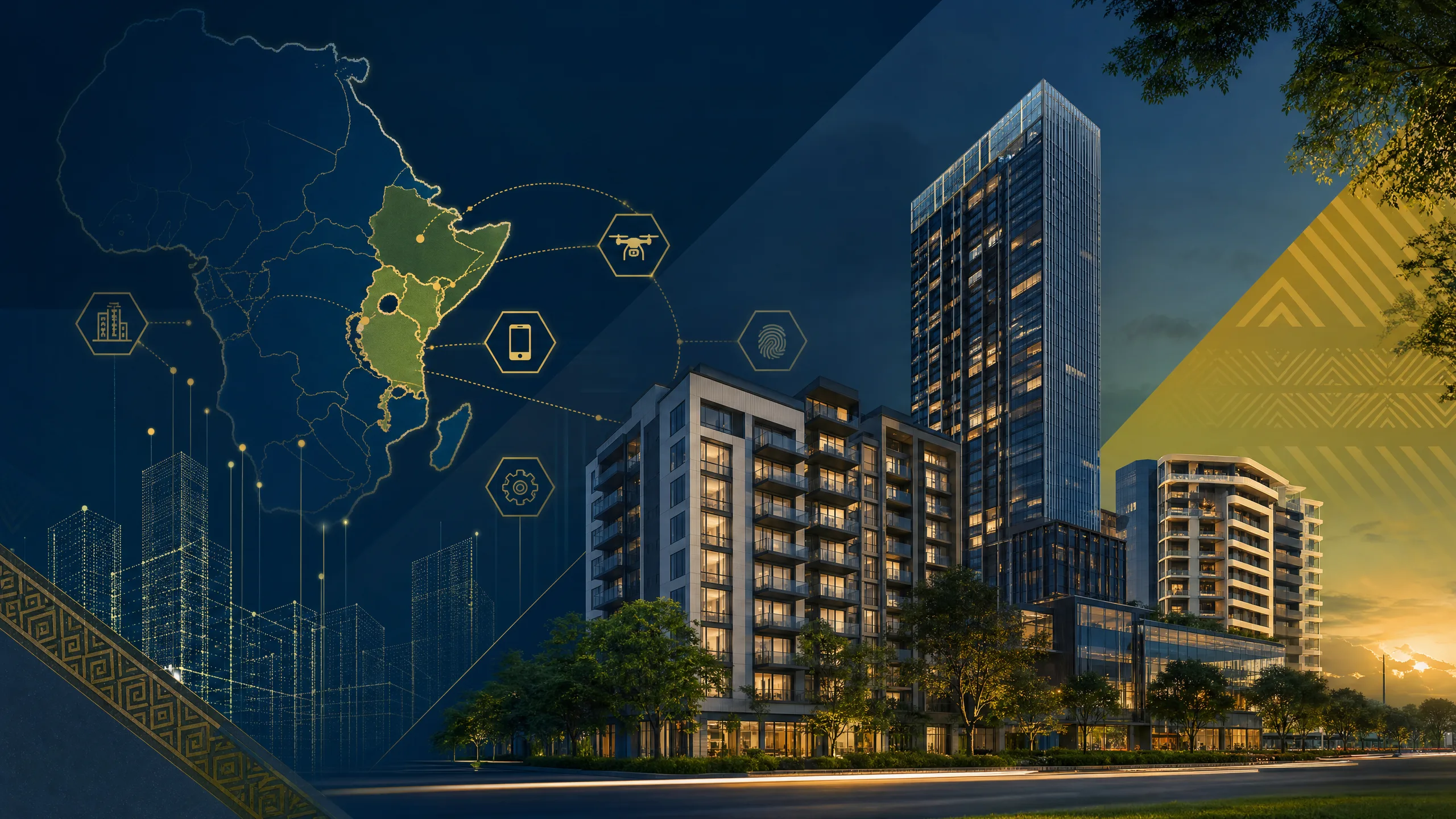
As Kigali continues its trajectory of rapid urbanization and modernization, the intersection of real estate and digital infrastructure presents unprecedented opportunities. The digitization of Africa's assets, championed by platforms like AfriVest, is set to revolutionize how investments are made and managed.
The tokenization of real estate assets, such as those in Vision City, can democratize access to high-value properties, allowing a broader range of investors to participate in Kigali's growth story. By leveraging blockchain technology, tokenization offers enhanced liquidity, transparency, and efficiency in real estate transactions. For institutional investors and policymakers, embracing this digital transformation is not just an option but a necessity to unlock the full potential of Africa's real estate market. Kigali's Vision City is more than a housing project; it is a blueprint for the future of urban living and investment in Africa.