East Africa's horticulture sector is blooming, capturing a significant share of the global market and driving economic growth across the region. With exports to Europe reaching an impressive $2.1 billion, the region's agricultural prowess is undeniable. This vibrant industry, spearheaded by Kenya's world-renowned floriculture, presents a compelling case for institutional investors and policymakers looking to capitalize on Africa's agricultural potential. The intersection of fertile lands, favorable climates, and increasingly sophisticated supply chains has transformed East Africa into a horticultural powerhouse.
Kenya's Floriculture: The Crown Jewel of East Africa
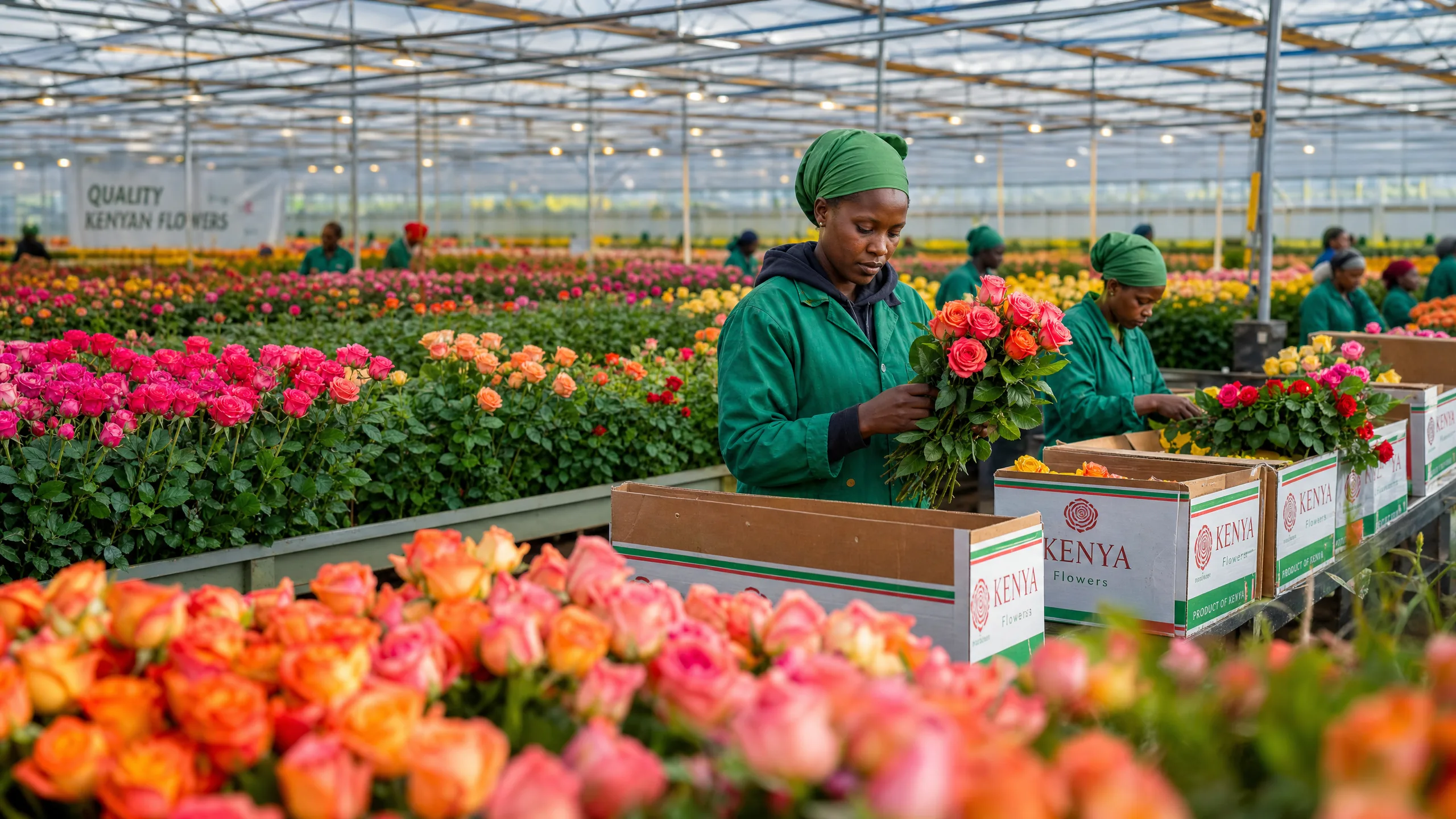
Kenya stands at the forefront of East Africa's horticultural success, particularly in the cut flower segment. In 2024, Kenya's flower exports generated approximately $835 million (108 billion shillings), a testament to the sector's resilience and growth trajectory. The country is a dominant player in the global market, exporting over 175 million kilograms of fresh cut flowers and buds. The floriculture sector is a vital pillar of the Kenyan economy, contributing around 1.25% to the national GDP and accounting for approximately 18% of total exports.
The industry is concentrated around Lake Naivasha, where large-scale farms like Oserian utilize modern technology to cultivate hundreds of hectares of roses, carnations, and other varieties. These operations not only drive export revenues but also provide employment for over 500,000 Kenyans, underscoring the sector's socio-economic impact.
Ethiopia's Rising Star in Floriculture
While Kenya leads the pack, Ethiopia is rapidly emerging as a formidable competitor in the floriculture space. The country's flower exports have seen substantial growth, generating over $541 million in recent fiscal years. Ethiopian Airlines plays a crucial role in this expansion, facilitating the rapid transport of thousands of tons of cut flowers to international markets. This logistical efficiency, combined with favorable government policies and investments in agricultural infrastructure, positions Ethiopia as a key player in East Africa's horticultural boom.
The European Market: A Vital Trade Partner
Europe remains the primary destination for East Africa's horticultural exports. The European Union's demand for high-quality, sustainably grown flowers and fresh produce drives the region's export engine. In 2024, Kenya's horticulture industry generated KES 137 billion in revenue from exports to more than 70 countries, with a significant portion destined for the EU. The strategic trade relationship between East Africa and Europe is mutually beneficial, providing European consumers with year-round access to premium agricultural products while fueling economic development in the exporting nations.
Challenges and Opportunities in the Supply Chain
Despite its success, the East African horticulture sector faces several challenges, including climate change, fluctuating global market prices, and the need for sustainable farming practices. However, these challenges also present opportunities for innovation and investment. The adoption of geothermal energy for greenhouse heating, as seen in some Kenyan farms, exemplifies the industry's shift towards sustainable and cost-effective production methods. Furthermore, investments in cold chain logistics and digital supply chain management are crucial for maintaining product quality and reducing post-harvest losses.
The Future: Digital Infrastructure and Tokenization
Looking ahead, the integration of digital infrastructure and asset tokenization holds immense potential for East Africa's horticulture sector. Platforms like AfriVest are pioneering the digitization of Africa's assets, offering innovative financing solutions for agricultural enterprises. By tokenizing agricultural assets, farmers and agribusinesses can access global capital markets, unlocking new avenues for investment and growth. This digital transformation will not only enhance transparency and efficiency in the supply chain but also empower local producers, ensuring the long-term sustainability and profitability of East Africa's blooming horticulture industry.