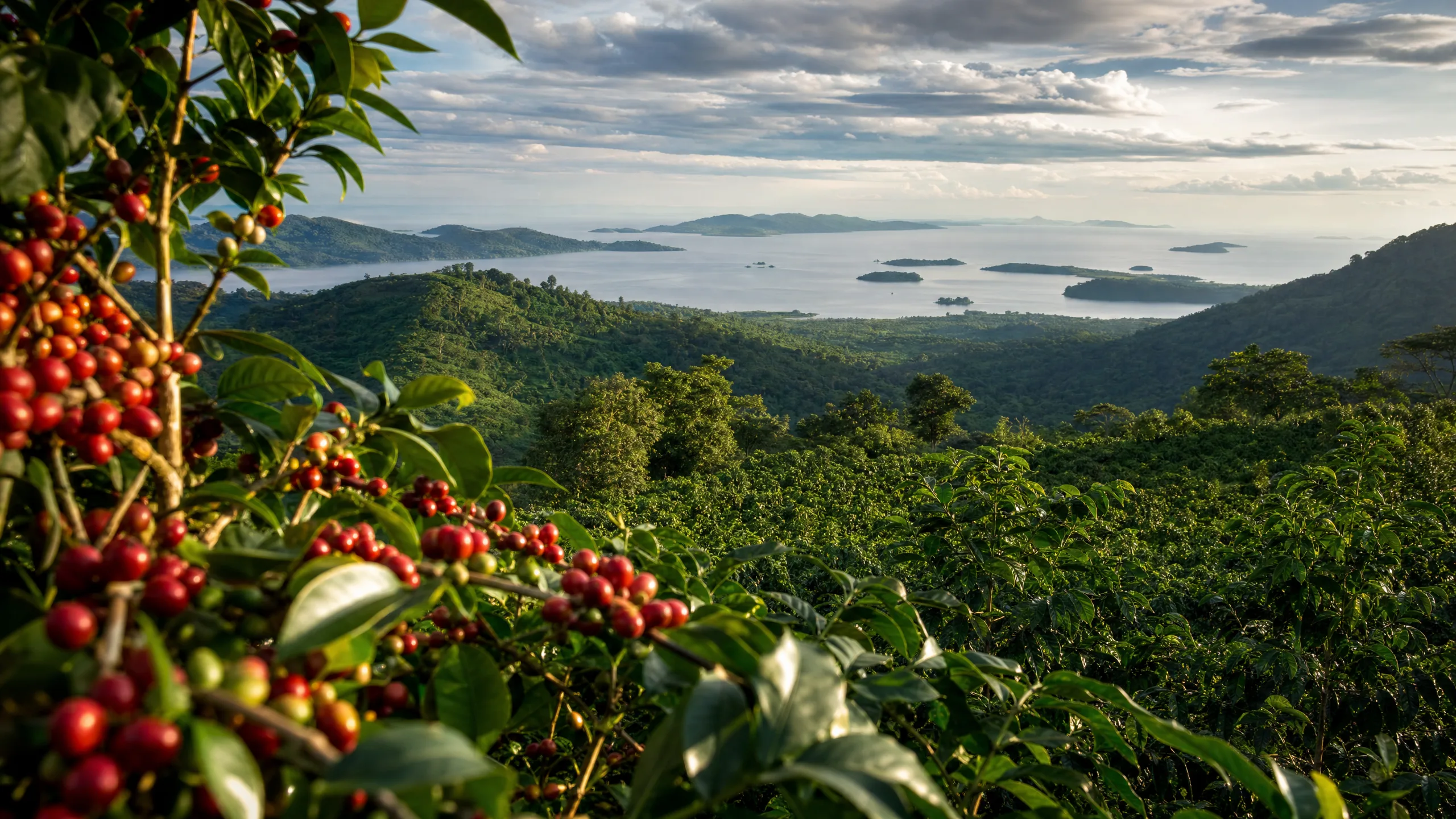

Ethiopia, the ancestral home of Coffea arabica, is not merely a historical footnote in the global coffee narrative; it is a contemporary agricultural titan. As the fifth-largest exporter of Arabica coffee globally and the undisputed leader in African coffee production, Ethiopia's coffee sector is a critical engine of economic growth. For institutional investors and policymakers observing the African agricultural landscape, Ethiopia presents a compelling case study of traditional farming practices intersecting with modern economic imperatives and emerging digital infrastructure.
The Economic Weight of Ethiopian Coffee
The economic significance of coffee to Ethiopia cannot be overstated. It is the linchpin of the national economy, accounting for approximately 30% to 35% of the country's total export revenue. In the 2023/2024 fiscal year, Ethiopia achieved a historic milestone, generating over $1.7 billion from coffee exports. This remarkable figure underscores the robust global demand for Ethiopian coffee, driven by its unparalleled quality and unique flavor profiles.
Beyond export earnings, the coffee industry is a massive employer. While the entire population does not farm coffee, an estimated 15 million to 31 million Ethiopians—up to 25% of the population—rely directly or indirectly on the coffee sector for their livelihoods. This encompasses cultivation, processing, transportation, and export logistics. Furthermore, coffee contributes an average of 5% to the national Gross Domestic Product (GDP) and represents 10% of total agricultural production, solidifying its role as a foundational pillar of economic stability.
Production Capacity and Global Standing
Ethiopia's production capacity is formidable. For the 2023/2024 crop year, production estimates reached approximately 8.35 million bags (each weighing 60 kilograms), translating to over 500,000 metric tons. This volume cements Ethiopia's position as the largest coffee producer in Africa. The country's diverse topography and favorable climate allow for the cultivation of a wide array of coffee varieties, each with distinct characteristics.
The global market's appetite for Ethiopian coffee remains strong. Key export destinations include Saudi Arabia, South Korea, the United States, Germany, Japan, and China. The ability to consistently supply these major markets highlights the resilience and scale of Ethiopia's export infrastructure, even amidst global supply chain fluctuations.
Regional Diversity: The Terroir of Ethiopian Coffee
The exceptional quality of Ethiopian coffee is deeply rooted in its diverse growing regions, each offering a unique terroir that imparts specific flavor profiles to the beans. The most renowned regions include:
- Yirgacheffe: Located in southern Ethiopia, Yirgacheffe is celebrated for producing some of the world's most sought-after coffees. Grown at high altitudes (often above 2,000 meters), these beans mature slowly, developing complex, fruit-forward flavors with distinctive floral notes, bright acidity, and a clean finish.
- Sidamo: Also in the south, the Sidamo region produces coffees known for their rich, full body, vibrant acidity, and notes of spice and citrus.
- Guji: A relatively newer recognized region, Guji coffees have rapidly gained international acclaim for their exceptional quality, often securing top positions in global rankings. They are characterized by sweet, floral, and complex fruit flavors.
- Harrar: Located in the east, Harrar produces dry-processed (natural) coffees that are famous for their heavy body, spicy aroma, and intense fruity flavors, often reminiscent of blueberry or blackberry.
- Jimma and Limu: These western regions are significant contributors to Ethiopia's overall production volume, offering well-balanced coffees with a mix of fruity and wine-like characteristics.
Navigating Challenges and Embracing Sustainability
Despite its strengths, the Ethiopian coffee sector faces significant challenges. Climate change poses a severe threat, with erratic rainfall patterns and rising temperatures stressing coffee plants, particularly the vulnerable Arabica variety. Deforestation further exacerbates these environmental pressures. Additionally, some farmers are transitioning to alternative, more lucrative crops like khat, raising concerns about the long-term sustainability of coffee production.
To mitigate these risks, there is a growing emphasis on sustainable farming practices. Initiatives promoting shade-grown coffee, organic certification, and fair trade practices are crucial for protecting the environment and ensuring equitable compensation for farmers. These efforts not only safeguard the ecosystem but also enhance the premium value of Ethiopian coffee in the global market.
The Future: Digital Infrastructure and Tokenization
Looking ahead, the intersection of traditional agriculture and modern technology offers unprecedented opportunities for the Ethiopian coffee sector. The emergence of digital infrastructure, specifically blockchain technology and tokenization, has the potential to revolutionize the industry. Startups like Waga Token are pioneering the tokenization of coffee on the Ethereum blockchain, utilizing smart contracts and Internet of Things (IoT) devices to enhance traceability and transparency.
For institutional investors, this digital transformation represents a paradigm shift. Tokenization can democratize access to agricultural assets, improve supply chain efficiency, and ensure fairer compensation for farmers by providing verifiable proof of origin and quality. As platforms like AfriVest continue to digitize Africa's assets, the integration of blockchain technology into Ethiopia's $1.4 billion coffee export powerhouse signals a forward-looking approach that aligns traditional agricultural wealth with the future of global finance.