Across the sun-drenched savannas of West Africa, a quiet economic powerhouse has thrived for centuries. The shea tree, indigenous to a narrow belt stretching from Senegal to South Sudan, produces a nut that has become a cornerstone of global cosmetics, food, and pharmaceuticals. Today, the global shea butter market is valued at approximately $2.4 billion and is projected to surpass $3.7 billion by 2030. Yet, despite this immense value, the foundation of this industry—the millions of rural women who harvest and process the nuts—remains largely disconnected from the wealth they generate. At AfriVest, we recognize that the true potential of the shea butter economy can only be unlocked through robust digital infrastructure, asset tokenization, and cooperative governance.
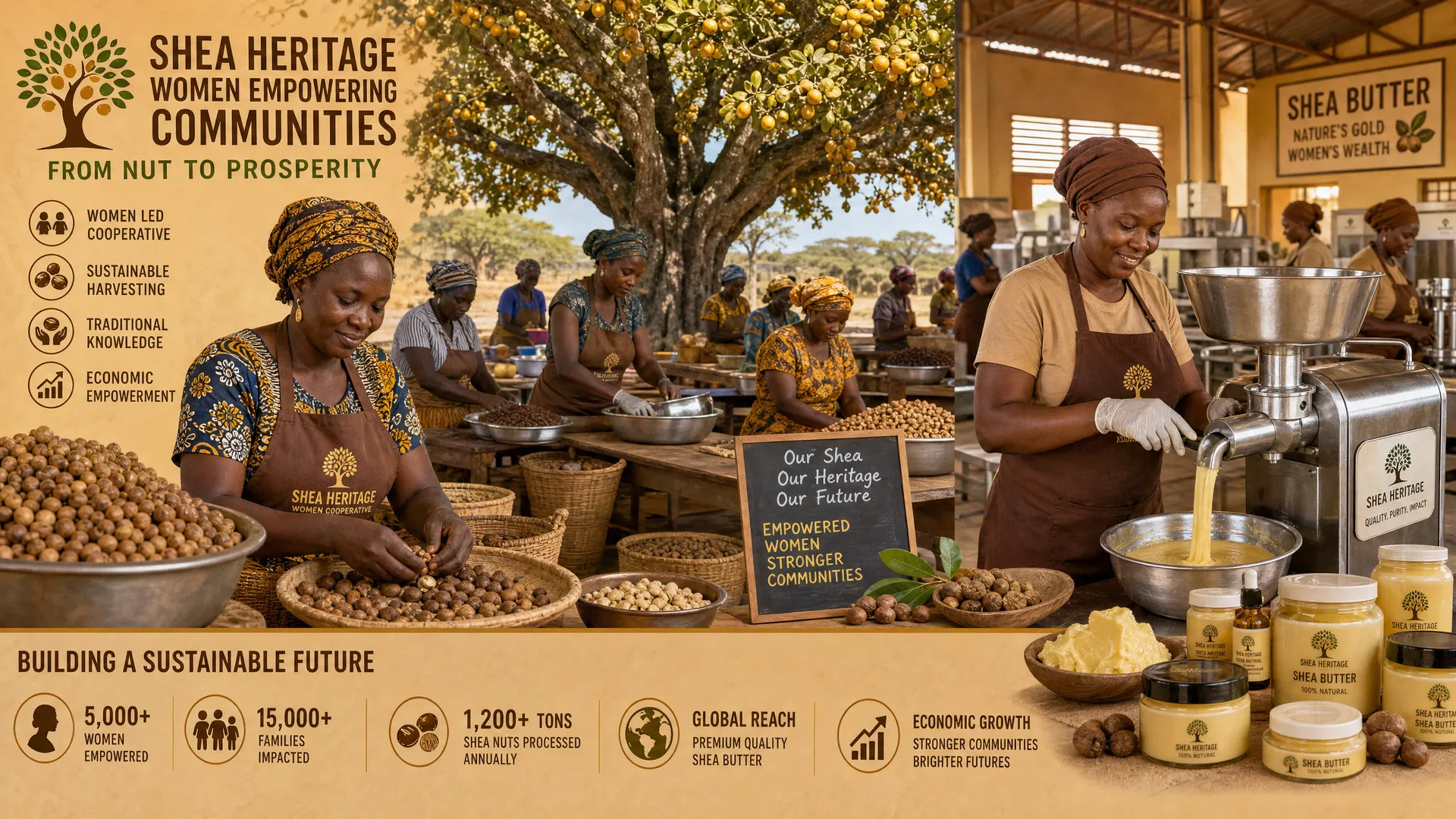
The shea value chain is fundamentally a women-led enterprise. In West Africa, an estimated 16 million women are involved in the collection and processing of shea nuts. In countries like Ghana, Burkina Faso, and Nigeria, these women are the custodians of traditional knowledge, transforming raw nuts into the "women's gold" that sustains their families and communities. However, the current economic model is fraught with inefficiencies. Intermediaries often capture the lion's share of the profits, leaving the primary producers with a fraction of the market value. Furthermore, the lack of formal financial identities and access to credit prevents these women from scaling their operations or investing in better processing equipment.
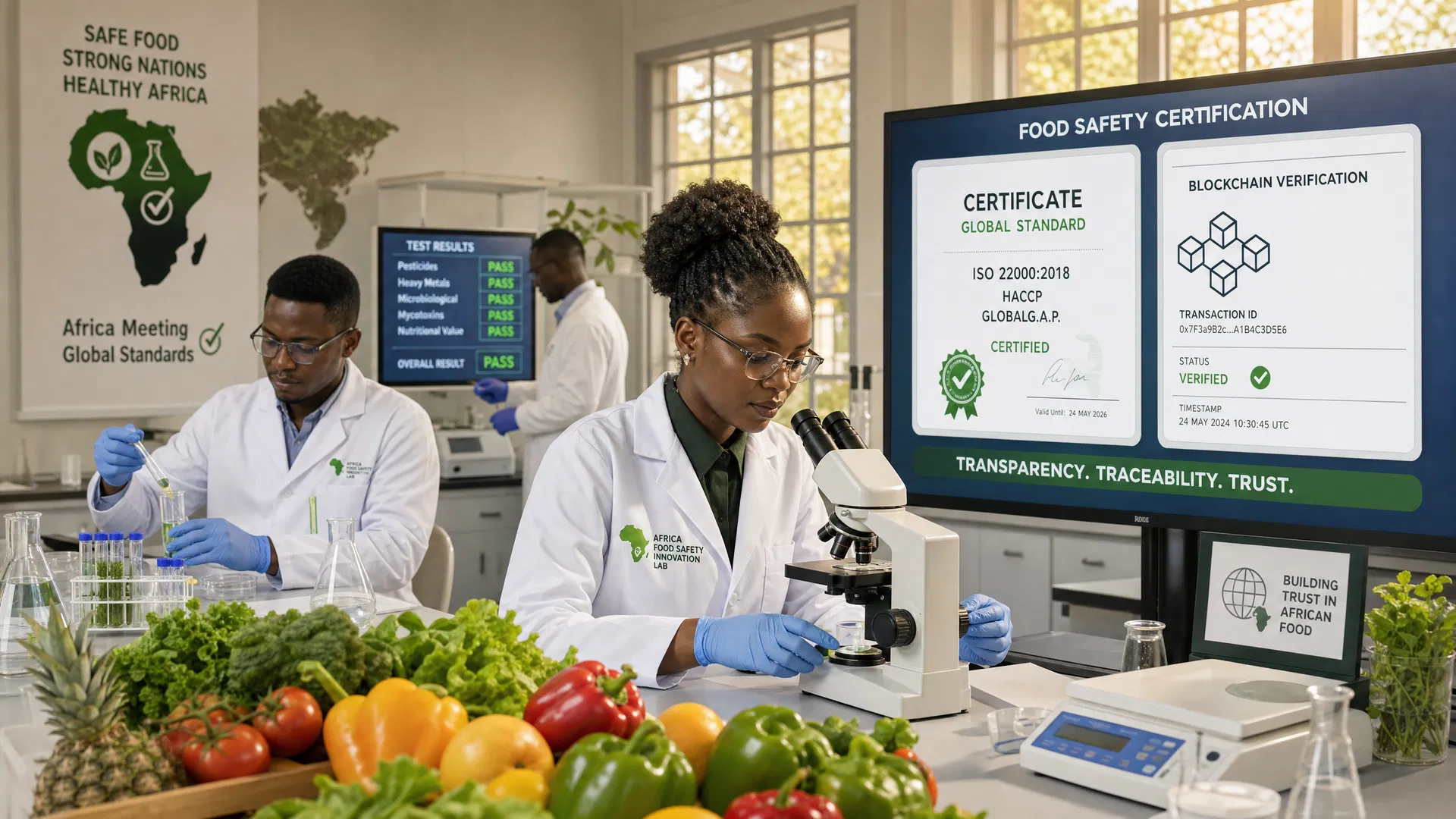
This is where the digitization of Africa's economy becomes a transformative force. By integrating digital infrastructure into the shea supply chain, we can create a transparent, traceable, and equitable ecosystem. Blockchain technology offers a immutable ledger that can track shea butter from the rural cooperatives in Mali to the shelves of high-end boutiques in Paris or New York. This traceability not only guarantees the authenticity and ethical sourcing of the product for global consumers but also ensures that the premium paid for fair-trade and organic certification reaches the women who earned it.
Asset tokenization represents the next frontier in empowering the shea butter economy. Through tokenization, physical assets—such as a warehouse full of processed shea butter or the future yield of a cooperative's harvest—can be converted into digital tokens on a blockchain. This process democratizes access to capital. Instead of relying on traditional banks, which often view rural agricultural ventures as too risky, cooperatives can raise funds directly from a global pool of investors. A cooperative in Benin, for instance, could tokenize its inventory, allowing investors to purchase fractional ownership. This provides immediate liquidity to the producers, enabling them to purchase modern machinery, improve storage facilities, and ultimately command higher prices for premium, export-ready butter.
Moreover, tokenization facilitates cooperative governance, a model that aligns perfectly with the communal nature of shea harvesting. Digital tokens can be structured to include voting rights, allowing members of a cooperative to participate directly in decision-making processes. Smart contracts can automate the distribution of profits based on the volume of nuts contributed by each member, eliminating disputes and fostering trust. This decentralized approach to governance empowers women not just economically, but also politically within their communities, giving them a formalized voice in the enterprises they build.
Financial inclusion is the natural byproduct of this digital transformation. As women participate in a tokenized economy, they build verifiable digital footprints. A history of successful harvests, transparent transactions, and reliable supply chain participation creates a robust credit profile. This data can be leveraged to access micro-loans, insurance products tailored to agricultural risks, and savings accounts. By bringing these women into the formal financial system, we are not just improving individual livelihoods; we are catalyzing broader economic development across the region.
The transition to a digitized shea economy also addresses critical sustainability challenges. The shea parklands are under threat from climate change and deforestation. Digital platforms can integrate satellite imagery and environmental data to monitor tree health and promote sustainable harvesting practices. Tokenized carbon credits could provide an additional revenue stream for communities that actively protect and regenerate their shea forests, aligning economic incentives with environmental stewardship.
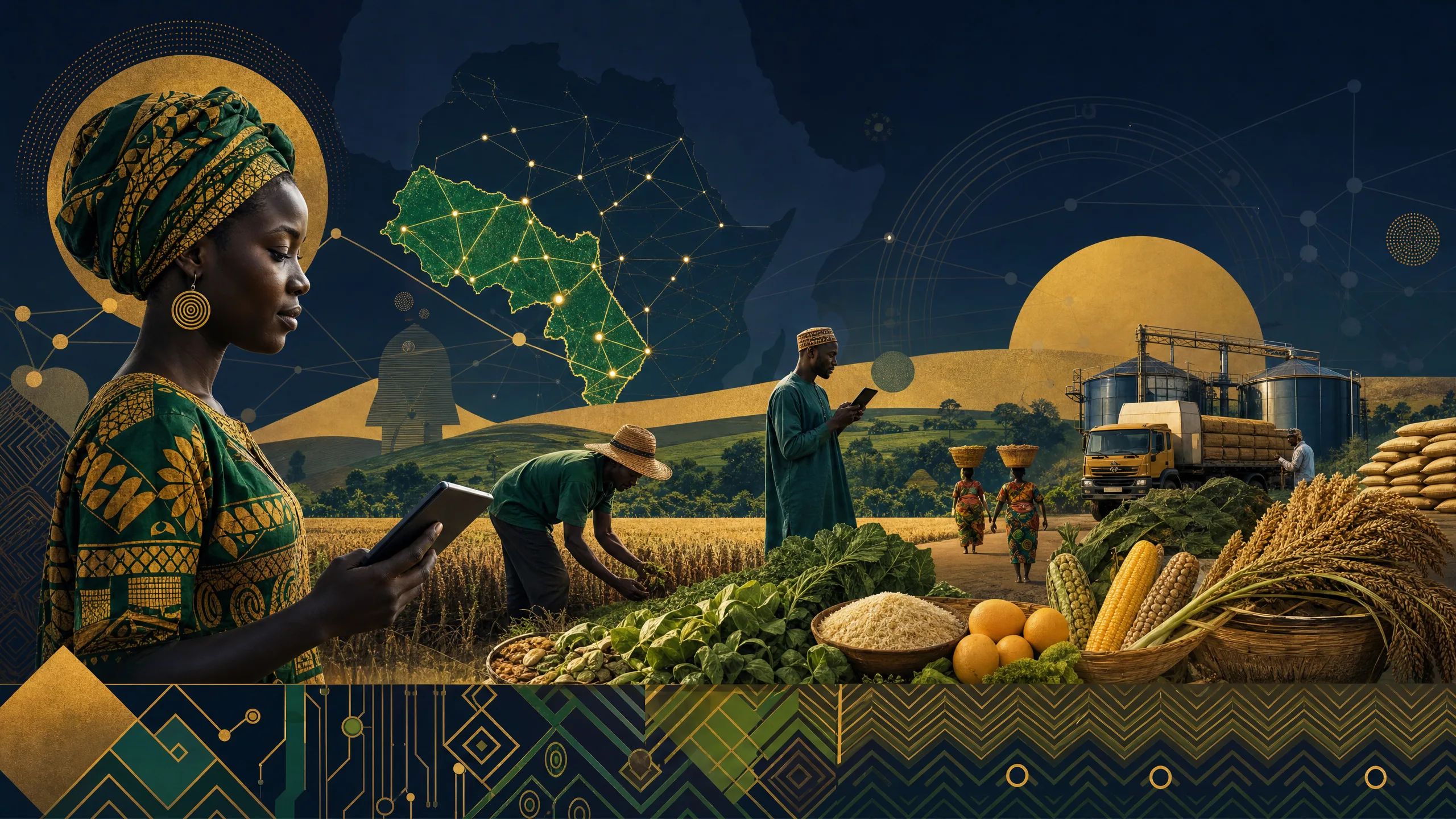
At AfriVest, our vision is to build the digital infrastructure that bridges the gap between Africa's rich natural resources and global capital markets. The shea butter industry is a prime example of an sector ripe for this transformation. By leveraging asset tokenization and blockchain technology, we can dismantle the barriers that have historically marginalized African producers. We are committed to fostering an ecosystem where cooperative governance thrives, financial inclusion is the norm, and the women who power the $3 billion shea economy finally reap the full rewards of their labor. The future of Africa's wealth creation is digital, and it begins with empowering the grassroots economies that sustain the continent.