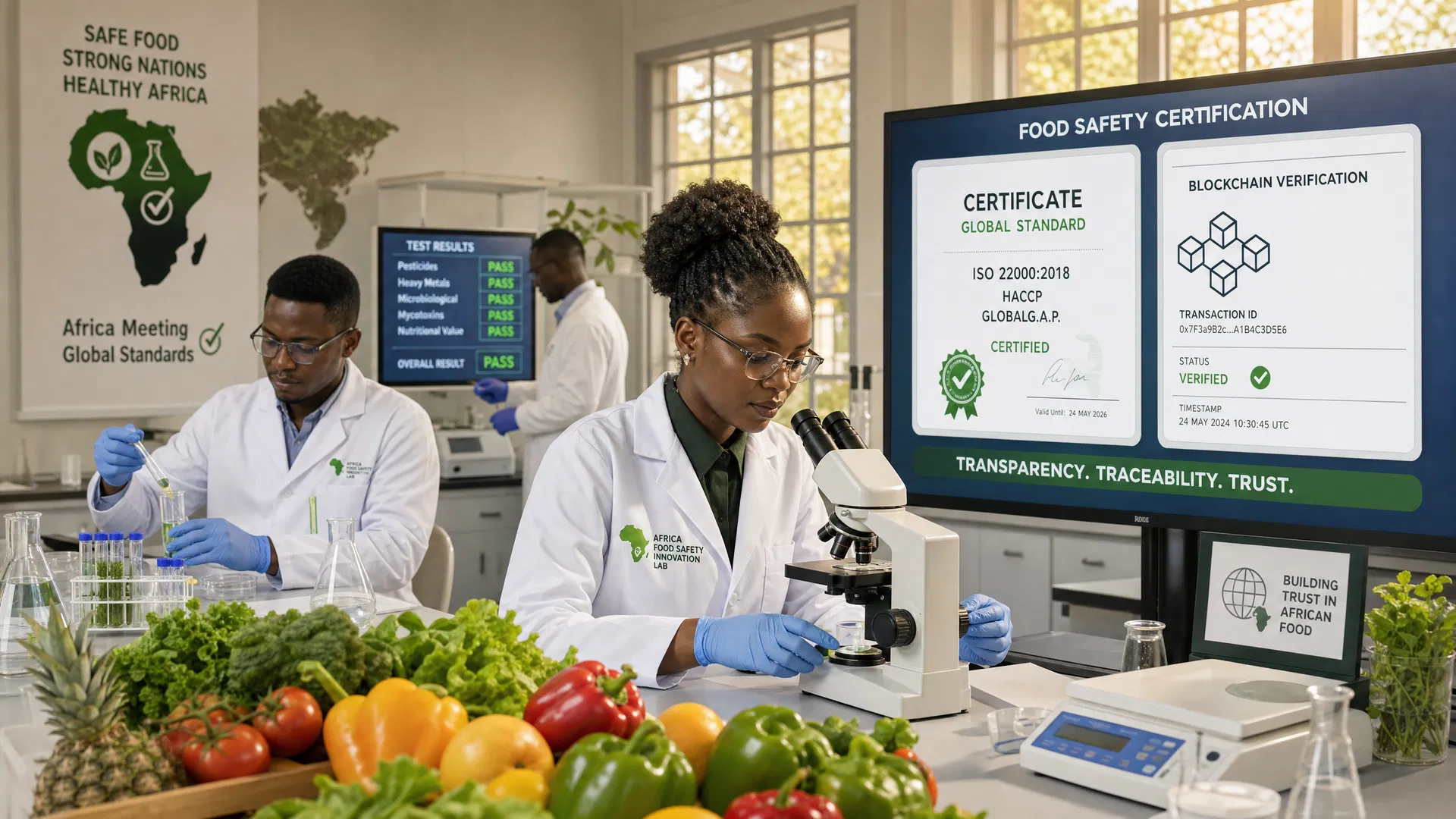
The agricultural sector remains a cornerstone of the African economy, employing over half of the continent's workforce and contributing significantly to its gross domestic product. Despite this immense potential, African agricultural exports often face formidable barriers in international markets due to stringent food safety regulations and complex certification requirements. The European Union and the United States, which represent lucrative destinations for African produce, mandate rigorous traceability and compliance standards that many smallholder farmers and regional cooperatives struggle to meet. Traditional paper-based systems used for tracking agricultural commodities are inherently fragmented, susceptible to fraud, and inefficient, leading to substantial post-harvest losses and rejected shipments. As global consumers increasingly demand transparency regarding the origin, handling, and safety of their food, the need for a robust, verifiable, and digitized certification infrastructure has never been more critical for Africa's export competitiveness.
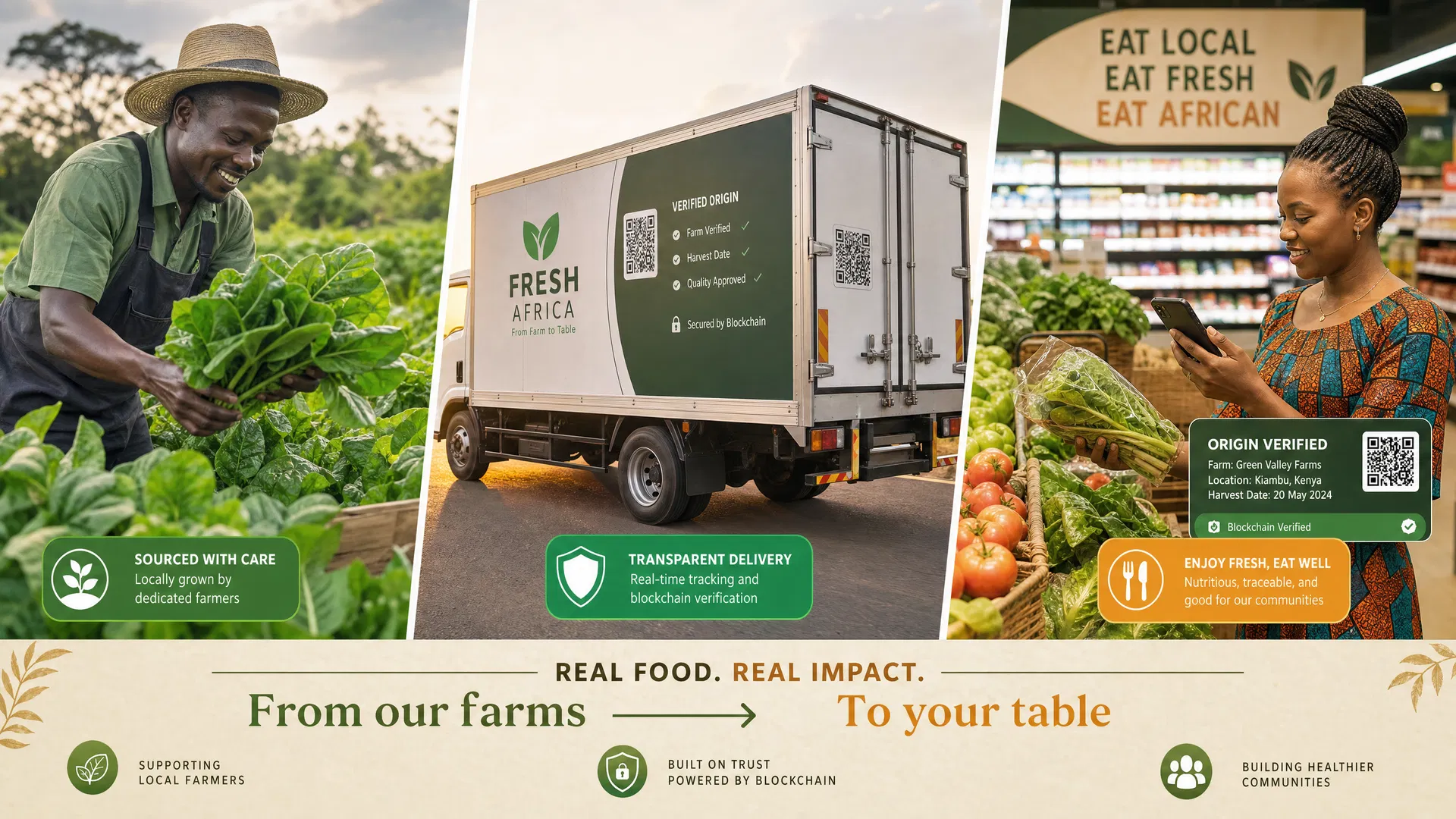
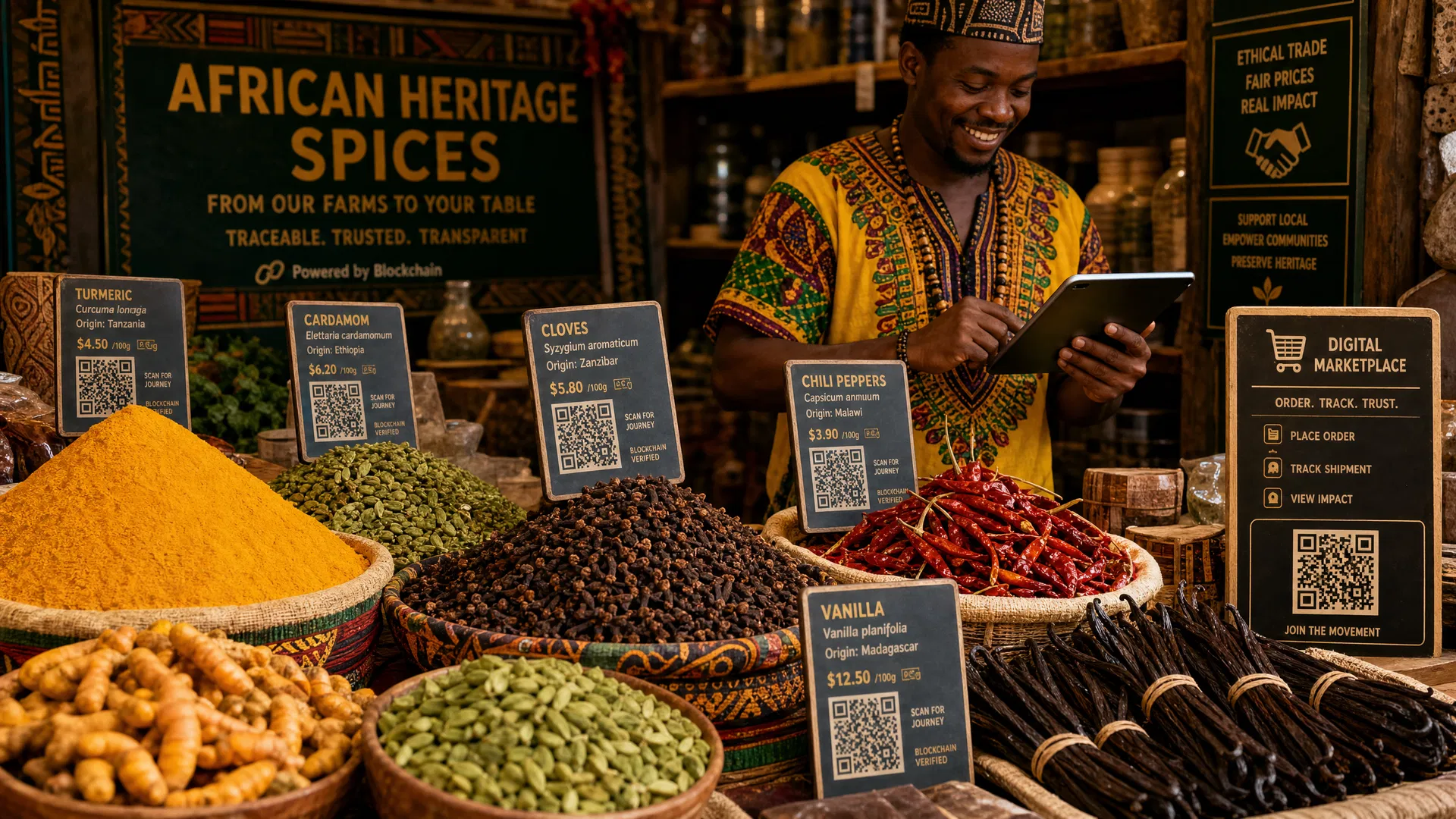
Blockchain technology offers a transformative solution to the systemic challenges of food safety certification by providing an immutable, decentralized ledger for recording every transaction and movement along the agricultural supply chain. By digitizing the certification process, blockchain ensures that data regarding planting, harvesting, processing, and transportation cannot be altered or falsified. This cryptographic security builds unprecedented trust among international buyers, regulatory bodies, and consumers. When a shipment of Kenyan avocados or Ghanaian cocoa reaches a foreign port, customs officials and importers can instantly verify its compliance with phytosanitary standards through a simple digital scan. This transparency not only expedites customs clearance, reducing the risk of spoilage for perishable goods, but also commands premium prices in global markets by guaranteeing the authenticity of organic or fair-trade certifications.
The integration of blockchain with digital infrastructure and asset tokenization further amplifies the economic benefits for African agricultural stakeholders. Tokenization allows physical agricultural commodities to be represented as digital assets on a blockchain, facilitating fractional ownership, streamlined trading, and innovative financing mechanisms. For instance, a cooperative of cashew farmers in Côte d'Ivoire can tokenize their certified inventory stored in a secure warehouse. These digital tokens, backed by verified food safety credentials, can be used as collateral to access microloans or trade directly on digital exchanges. This paradigm shift democratizes access to capital, enabling farmers to invest in better agricultural inputs and modern processing equipment. Furthermore, smart contracts can automate payments upon the successful verification of delivery and quality standards, eliminating intermediaries and ensuring that a larger share of the export value is retained by the primary producers.
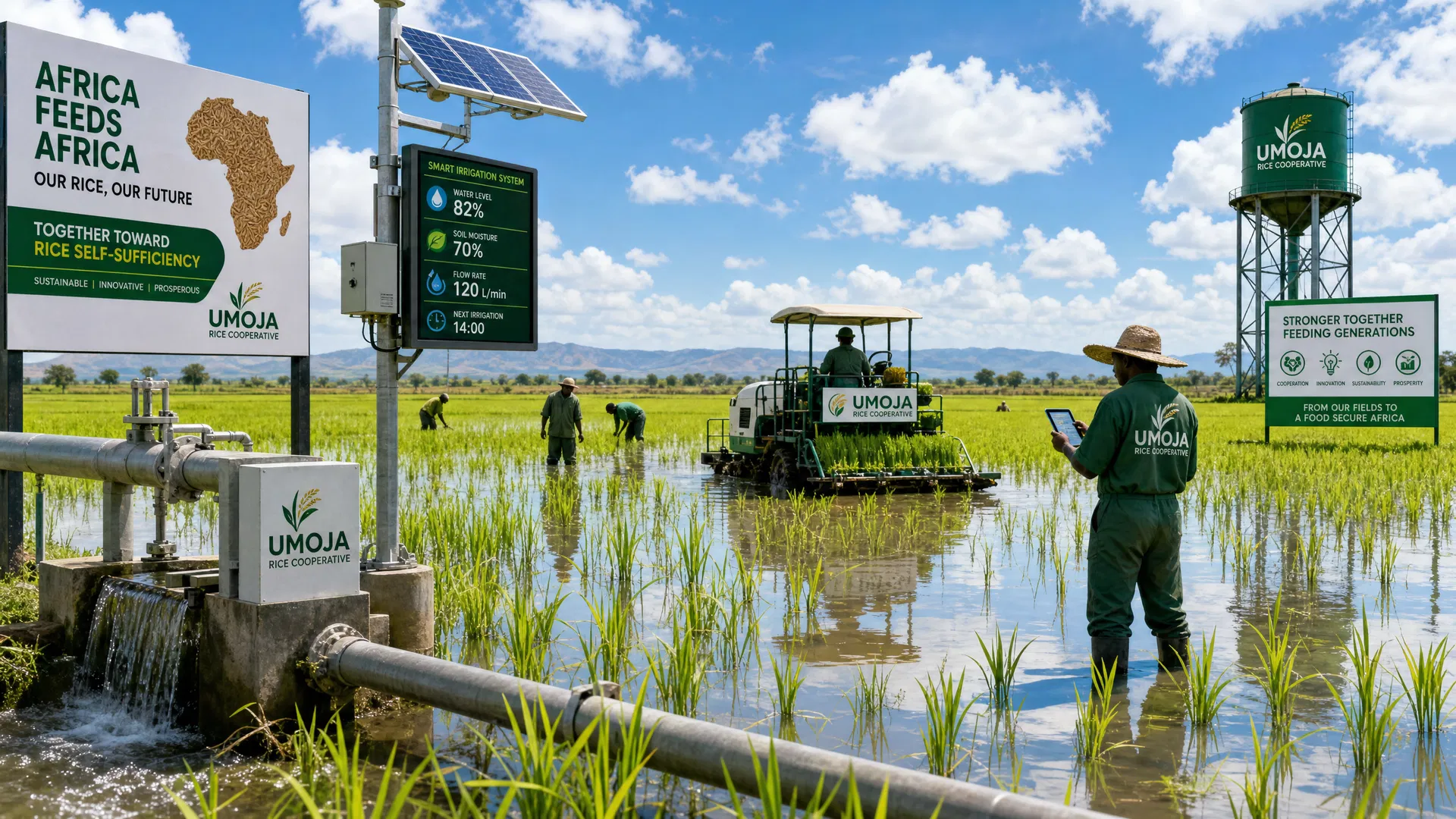
Across the continent, regional initiatives are beginning to recognize the imperative of digital traceability. The African Continental Free Trade Area (AfCFTA) presents a historic opportunity to boost intra-African trade, but its success hinges on harmonized standards and seamless cross-border logistics. According to the World Bank, improving trade logistics and reducing non-tariff barriers could increase Africa's income by billions of dollars. Implementing blockchain-verified food safety standards at a continental level would significantly reduce the friction associated with cross-border agricultural trade. Pilot projects in countries like South Africa and Rwanda have already demonstrated the efficacy of digital tracking systems in the wine and coffee sectors, respectively. These early successes underscore the viability of scaling digital infrastructure to encompass a broader range of commodities, thereby standardizing quality assurance and enhancing the global reputation of African exports.
However, the widespread adoption of blockchain-verified standards requires overcoming substantial infrastructural and technological hurdles. Rural agricultural regions often suffer from inadequate internet connectivity, limited access to smart devices, and a lack of digital literacy. To bridge this divide, investments must be directed toward building resilient digital ecosystems that are accessible to smallholder farmers. This involves deploying low-bandwidth mobile applications, utilizing USSD technology for data entry, and establishing community-level digital hubs. Moreover, collaboration between governments, private sector technology providers, and international development organizations is essential to create regulatory frameworks that recognize and enforce digital certifications. By fostering an inclusive digital environment, the agricultural sector can ensure that the benefits of blockchain technology are not confined to large-scale commercial agribusinesses but are equitably distributed among the millions of small-scale producers who form the backbone of Africa's food systems.
As Africa navigates this critical juncture in its agricultural development, AfriVest is committed to pioneering the digital infrastructure necessary to unlock the continent's export potential. By providing a comprehensive platform for asset tokenization and cooperative governance, AfriVest empowers agricultural communities to seamlessly integrate with global supply chains. Our vision extends beyond mere technological implementation; we strive to cultivate an ecosystem where blockchain-verified food safety standards become the norm. Through strategic partnerships and innovative financial solutions, AfriVest is dedicated to transforming African agriculture into a transparent, efficient, and globally competitive sector. Ultimately, by digitizing the economy and ensuring the integrity of our agricultural exports, we can drive sustainable economic growth, enhance food security, and secure a prosperous future for African farmers and entrepreneurs.