Africa’s agricultural sector is the backbone of its economy, employing over sixty percent of the continent’s workforce and contributing significantly to its gross domestic product. Despite its immense potential, the journey from farm to fork is fraught with inefficiencies, opacity, and fragmentation. Post-harvest losses, counterfeit agricultural inputs, and a lack of transparent market access continue to stifle the growth of smallholder farmers and agribusinesses alike. As the global demand for ethically sourced and verifiable food products rises, the need for a robust, transparent, and immutable system to track agricultural commodities has never been more urgent. Blockchain technology, with its decentralized and tamper-proof ledger, is emerging as a transformative force in African food supply chains, offering unprecedented traceability and trust.
The concept of traceability in agriculture is not entirely new, but traditional methods have often relied on paper-based records or siloed digital databases that are susceptible to human error, manipulation, and data loss. In contrast, blockchain technology provides a single source of truth that is accessible to all stakeholders in the supply chain, from the farmer who plants the seed to the consumer who purchases the final product. Every transaction, whether it is the application of fertilizer, the harvesting of crops, or the transportation of goods, is recorded as a block on the chain. This immutable record ensures that the provenance of food can be verified with absolute certainty, mitigating the risks of fraud and enhancing food safety.
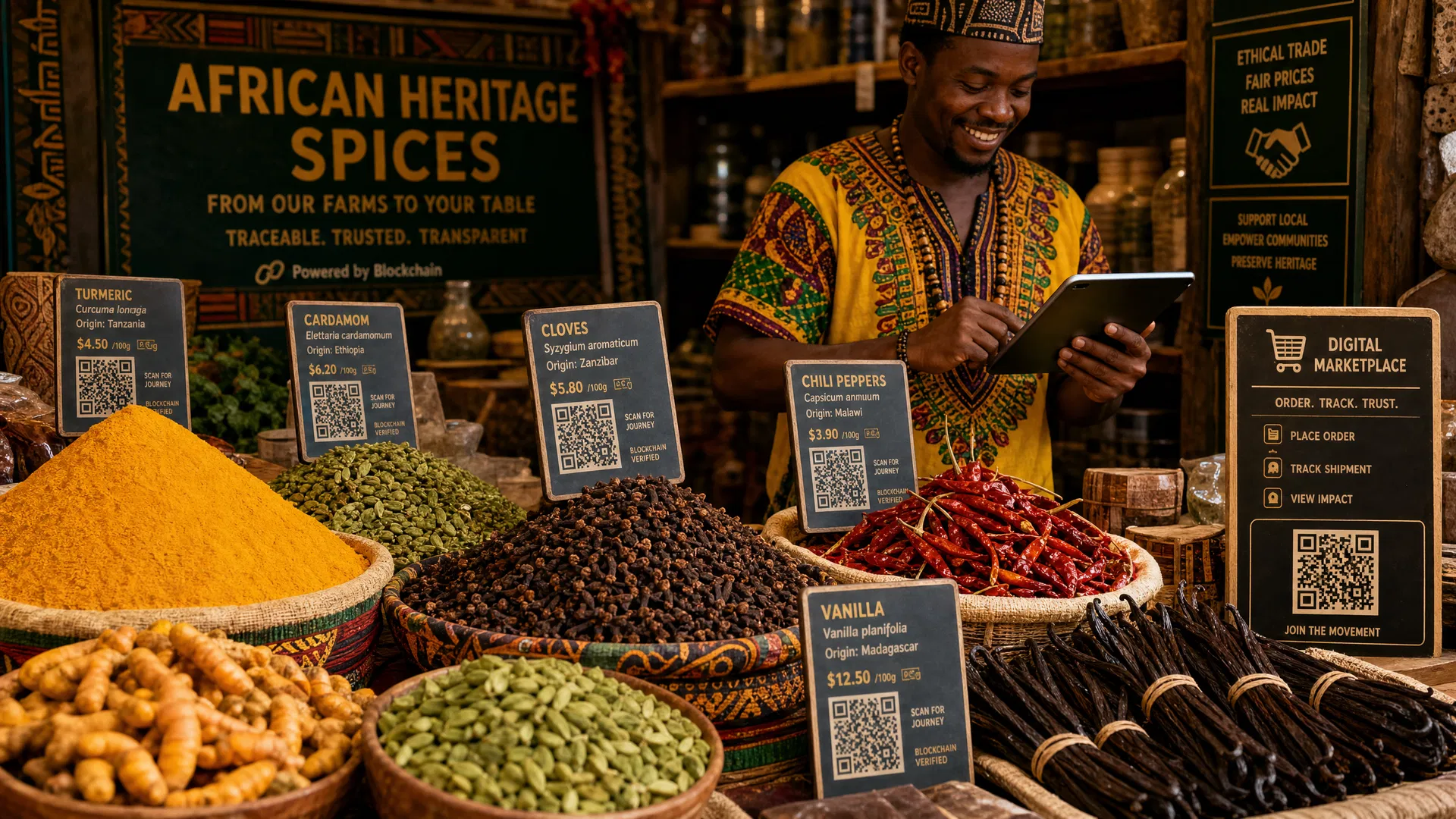
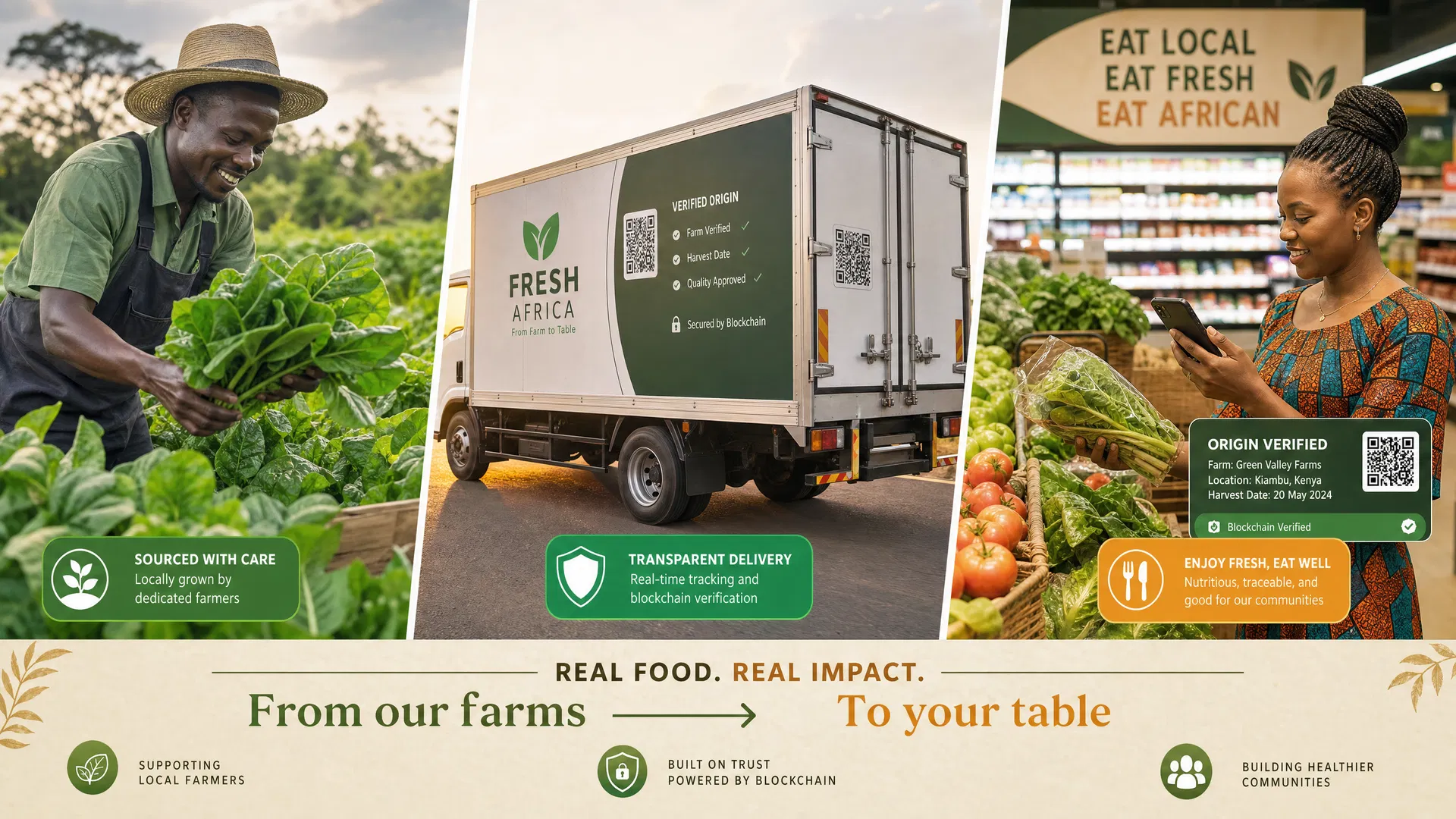
One of the most significant challenges in African agriculture is the prevalence of counterfeit seeds and fertilizers, which can devastate crop yields and plunge farmers into debt. By leveraging blockchain, agricultural inputs can be tokenized and tracked from the manufacturer to the distributor and finally to the farmer. This level of transparency ensures that farmers receive genuine products, thereby improving productivity and food security. Furthermore, when consumers can scan a QR code on a product to trace its origin, they are empowered to make informed purchasing decisions, often showing a willingness to pay a premium for sustainably and ethically sourced goods. This direct connection between the producer and the consumer not only builds trust but also ensures that a fairer share of the value chain reaches the farmers.
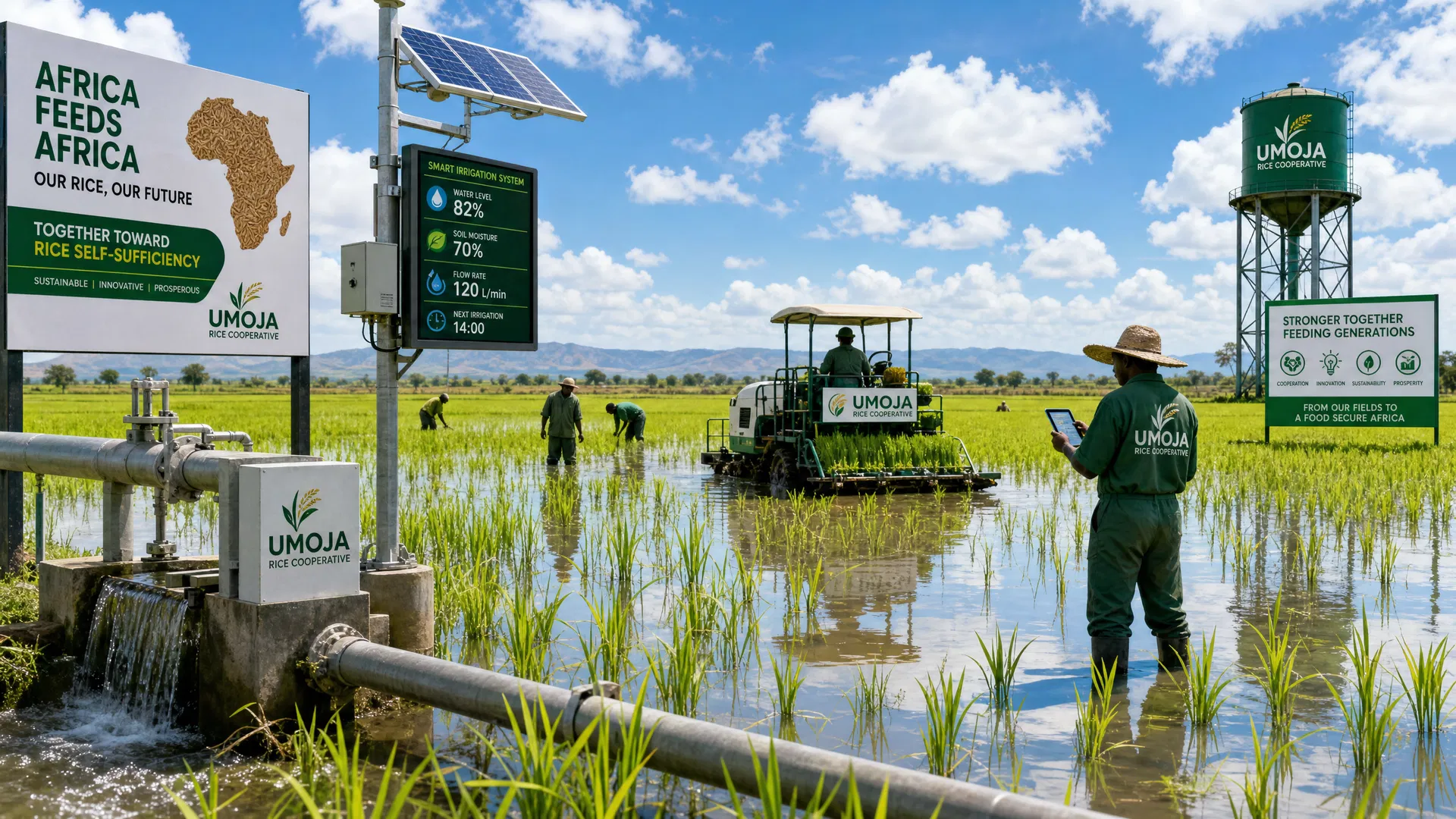
Several initiatives across the continent are already demonstrating the viability of blockchain in agriculture. In Kenya, platforms are utilizing blockchain to create digital identities for smallholder farmers, enabling them to build verifiable credit histories based on their agricultural output and transaction records. This financial inclusion is critical, as it unlocks access to microloans and insurance products that were previously out of reach due to a lack of formal documentation. Similarly, in Nigeria, startups are integrating blockchain with the Internet of Things to monitor the temperature and humidity of perishable goods during transit. This real-time data is recorded on the blockchain, ensuring that any deviation from optimal conditions is immediately flagged, thereby reducing post-harvest losses and ensuring that only high-quality produce reaches the market.
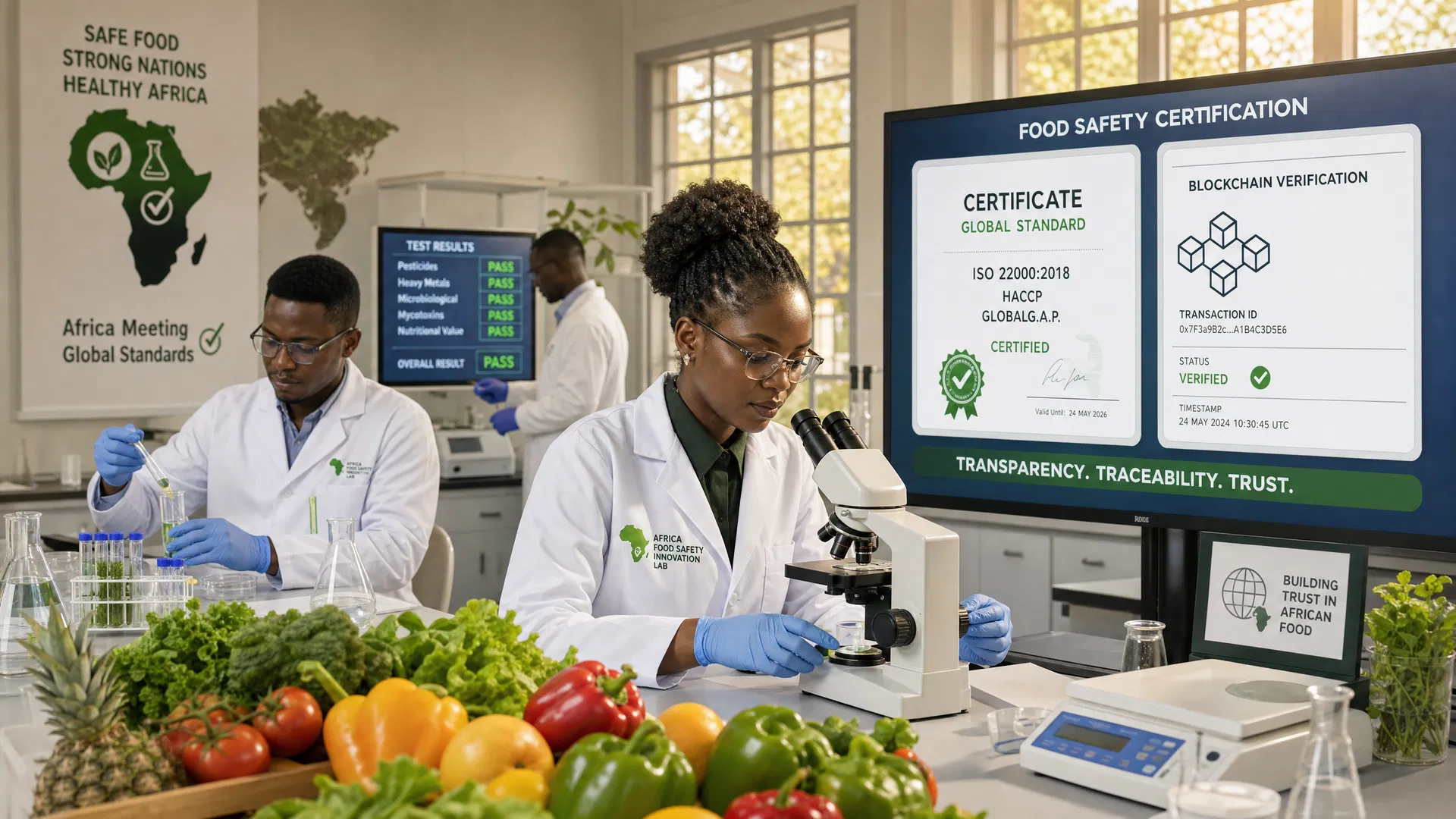
The integration of blockchain in food supply chains also has profound implications for international trade. African agricultural exports often face stringent regulatory requirements and certification standards in global markets, particularly in Europe and North America. Proving compliance with these standards can be a cumbersome and costly process for African exporters. Blockchain simplifies this by providing an auditable and transparent record of compliance at every stage of the supply chain. Whether it is verifying that cocoa was grown without child labor or that coffee was sourced from deforestation-free zones, blockchain provides the indisputable evidence required by international buyers and regulators, thereby opening up new markets and increasing export revenues.
However, the widespread adoption of blockchain in African agriculture is not without its challenges. The digital divide remains a significant barrier, with many rural areas lacking reliable internet connectivity and access to smartphones. Furthermore, the successful implementation of blockchain requires collaboration among a diverse array of stakeholders, including farmers, cooperatives, logistics providers, and government agencies. Establishing interoperable standards and regulatory frameworks is essential to ensure that different blockchain platforms can communicate seamlessly and that data privacy is maintained. Overcoming these hurdles requires a concerted effort from both the public and private sectors to invest in digital infrastructure and digital literacy programs.
As the continent navigates these challenges, the role of digital infrastructure platforms becomes increasingly critical. The digitization of Africa’s economy requires more than just the deployment of technology; it demands a holistic approach that integrates asset tokenization, cooperative governance, and financial inclusion.
At AfriVest, we recognize that the future of African agriculture lies in the seamless integration of digital infrastructure with the physical realities of farming. Our vision is to build a comprehensive ecosystem where blockchain traceability is not just a tool for compliance, but a catalyst for economic empowerment and sustainable development. By providing the foundational digital infrastructure for asset tokenization and cooperative governance, AfriVest is committed to transforming the agricultural value chain, ensuring that every participant can transact with trust, transparency, and efficiency. Together, we can digitize Africa’s economy and secure a prosperous future for its agricultural sector.