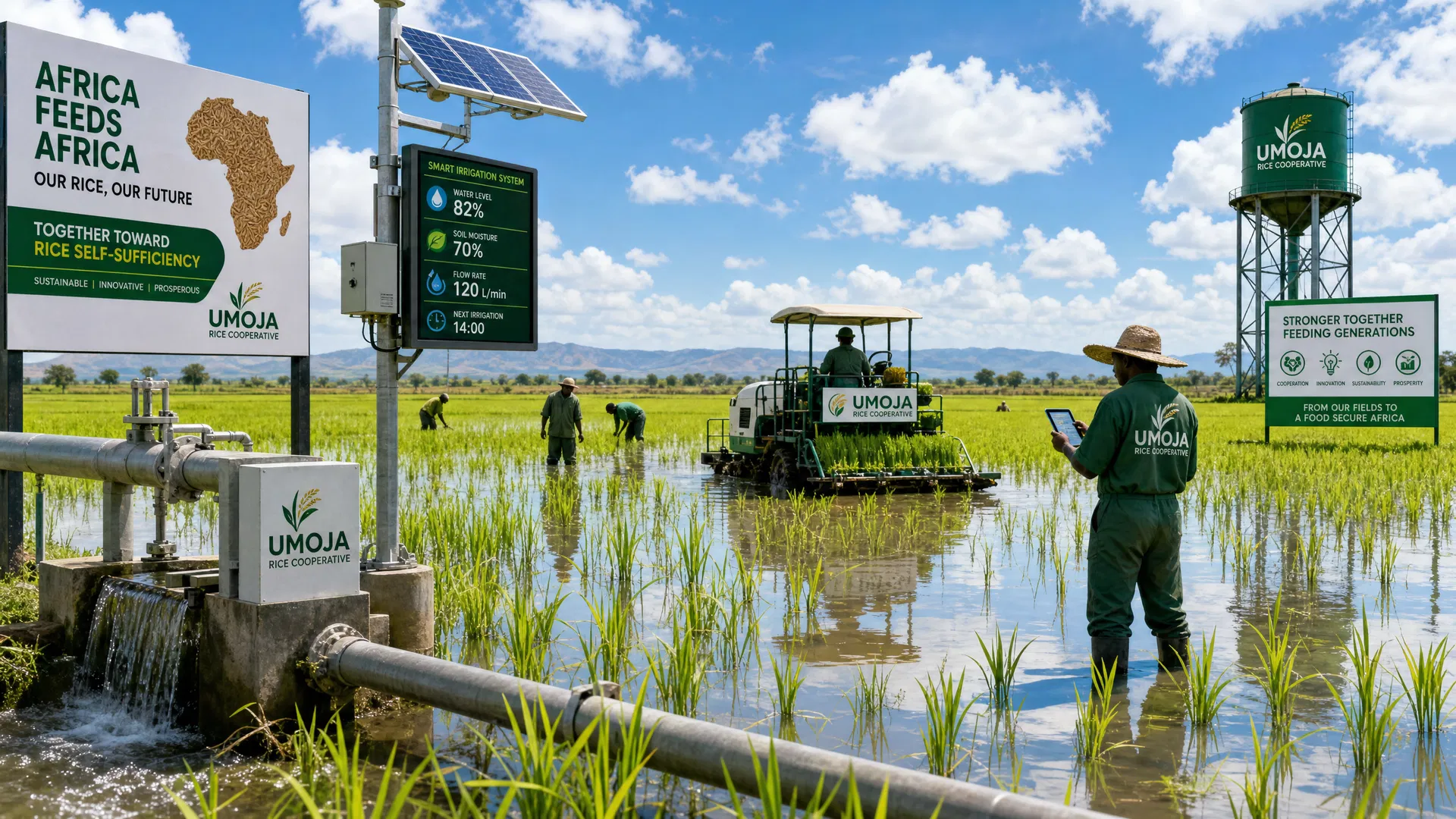
Africa stands at a critical juncture in its agricultural development, particularly concerning one of its most essential staple crops: rice. Despite possessing vast tracts of arable land and a growing agricultural workforce, the continent currently meets only about 60% of its domestic rice demand. This reliance on imports, which forces African nations to spend billions of dollars annually, exposes the continent to global supply chain disruptions and price volatility. The 2007-2008 global rice crisis, and more recent geopolitical shocks, have starkly highlighted the vulnerability of this import dependency. However, a transformative solution is emerging at the intersection of agriculture and technology. Digital cooperatives, powered by blockchain and tokenization, are providing the infrastructure needed to boost local production, empower smallholder farmers, and drive Africa toward rice self-sufficiency.
The challenge of rice production in Africa is not a lack of potential, but rather a deficit in infrastructure, financing, and market access. Countries like Nigeria, Senegal, and Madagascar have demonstrated significant capacity for rice cultivation, yet smallholder farmers—who form the backbone of the agricultural sector—often struggle with systemic barriers. They face difficulties in securing affordable credit to purchase high-quality seeds and fertilizers, lack access to modern farming equipment, and are frequently exploited by middlemen who capture the lion's share of the profit margins. Furthermore, the absence of transparent supply chains makes it difficult for farmers to prove their yield history or secure insurance against climate-related risks. These inefficiencies stifle productivity and perpetuate the cycle of import dependency.
Digital cooperatives offer a modern, scalable solution to these entrenched problems. Unlike traditional agricultural cooperatives, which can sometimes suffer from mismanagement and a lack of transparency, digital cooperatives leverage blockchain technology to create trustless, decentralized networks. By digitizing the cooperative model, platforms can aggregate smallholder farmers into powerful economic units while maintaining absolute transparency in governance and financial transactions. Every contribution, from seed purchase to harvest sale, is recorded on an immutable ledger. This transparency not only builds trust among members but also makes the cooperative highly attractive to external investors and financial institutions, who can now assess risk with unprecedented accuracy.
Tokenization is the engine that drives the financial viability of these digital cooperatives. Through the tokenization of agricultural assets, farmers can convert their future harvests, land rights, or equipment into digital tokens. These tokens can be traded or used as collateral to secure microloans at competitive interest rates. For instance, a rice farmer in West Africa can tokenize their projected yield and receive immediate funding to purchase drought-resistant seeds and modern irrigation tools. This democratization of finance bypasses traditional banking bottlenecks, delivering capital directly to where it is most needed. Moreover, tokenization allows global investors to participate in Africa's agricultural growth, creating a new asset class that aligns financial returns with tangible social impact.
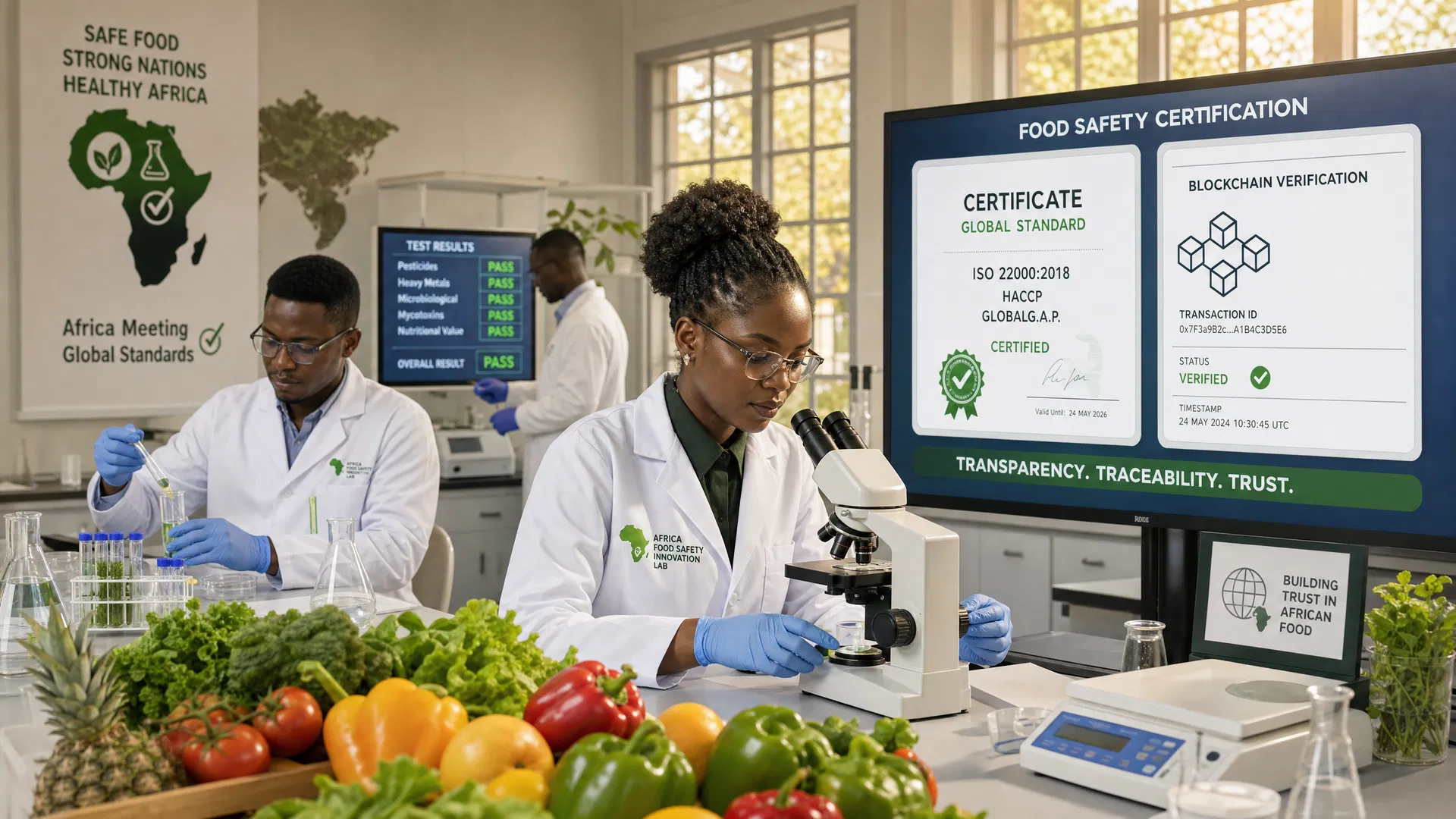
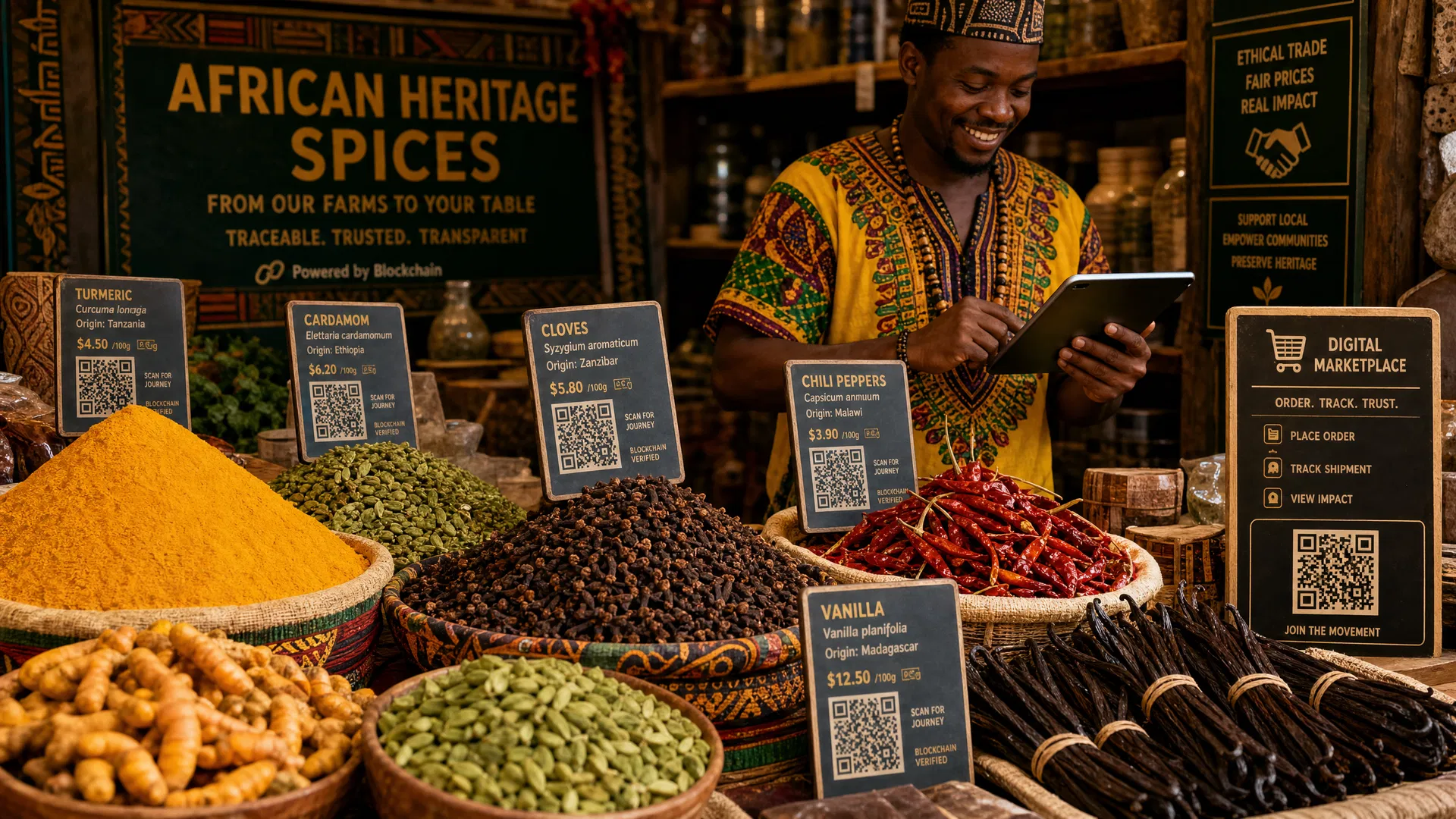
The integration of digital infrastructure extends beyond financing; it fundamentally optimizes the entire agricultural value chain. Smart contracts can automate payments, ensuring that farmers are compensated instantly upon the delivery of their rice to processing facilities. This eliminates the agonizing delays that often force farmers into debt. Additionally, blockchain-enabled traceability allows consumers and buyers to verify the origin and quality of the rice, commanding premium prices in both local and international markets. Organizations utilizing these technologies in countries like Kenya and Rwanda are already seeing improvements in yield tracking and weather-index insurance payouts, proving that digital infrastructure can directly mitigate the risks associated with farming.
As local production scales through the support of digital cooperatives, the macroeconomic benefits for African nations become profound. Reducing rice imports conserves vital foreign exchange reserves, which can be redirected toward critical infrastructure, healthcare, and education. It also stimulates rural economies by creating jobs in farming, processing, and logistics. By empowering smallholder farmers to increase their yields and retain a larger share of the profits, digital cooperatives are not just addressing food security; they are actively dismantling poverty. The shift from import dependency to self-sufficiency transforms agriculture from a subsistence activity into a robust engine for continental economic growth.
The journey toward rice self-sufficiency requires a unified effort, blending traditional agricultural knowledge with cutting-edge digital solutions. The success of this transition hinges on the deployment of robust digital infrastructure that can seamlessly connect farmers, investors, and markets. As the continent embraces the Fourth Industrial Revolution, the digitization of agriculture stands out as one of the most impactful applications of technology. It is a paradigm shift that redefines how value is created, distributed, and sustained in the agricultural sector.
At AfriVest, we recognize that the future of Africa's food security is inextricably linked to its digital evolution. As Africa's premier digital infrastructure platform for asset tokenization and cooperative governance, AfriVest is committed to building the financial architecture that empowers agricultural communities. By providing the tools to tokenize assets, streamline cooperative management, and facilitate transparent investments, we are laying the groundwork for a self-sufficient, prosperous Africa. Our vision is an integrated digital economy where every farmer has the capital and market access needed to thrive, turning the dream of continental food security into a tangible reality.