The African mining sector has long been the bedrock of the continent’s economic development, driving industrialization and contributing significantly to national gross domestic products. However, beneath the surface of this lucrative industry lies a stark gender disparity that has historically marginalized a crucial segment of the workforce. While women comprise up to 50 percent of the artisanal and small-scale mining (ASM) workforce across Africa, their participation in formal, large-scale mining operations remains disproportionately low, often hovering below 15 percent in countries like South Africa. This systemic exclusion from ownership, leadership, and decision-making roles not only stifles individual economic empowerment but also limits the broader potential of the continent’s mineral wealth. As Africa transitions into a new era of economic digitization, addressing these inequalities is no longer just a matter of social justice; it is an economic imperative.
The challenges faced by women in the African mining sector are multifaceted and deeply entrenched in traditional socio-economic structures. In the ASM sector, where women are most heavily concentrated, they are frequently relegated to lower-paying, labor-intensive roles such as crushing, washing, and sorting minerals. Despite their significant contributions, they often lack legal recognition, access to capital, and secure land tenure. In formal mining, barriers to entry include a lack of specialized education, discriminatory hiring practices, and workplace environments that are ill-equipped to accommodate female employees. Furthermore, the opaque nature of mineral rights allocation and supply chain management has historically favored well-connected male stakeholders, leaving women at a distinct disadvantage when attempting to secure licenses or negotiate fair prices for their commodities.
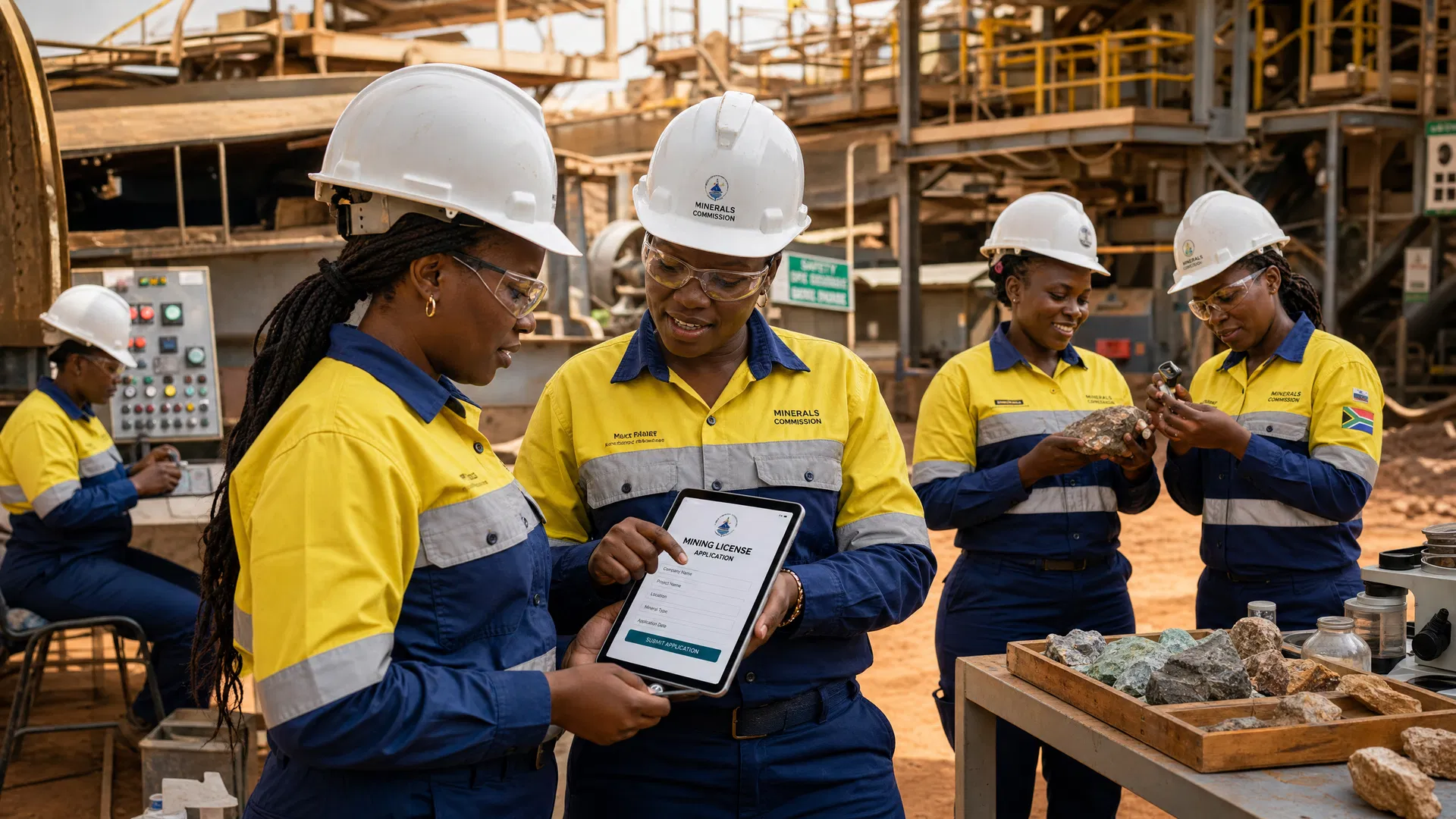
Digital infrastructure is emerging as a transformative force capable of dismantling these entrenched barriers and fostering a more inclusive mining ecosystem. By leveraging advanced technologies such as blockchain, tokenization, and decentralized digital identity systems, the sector can introduce unprecedented levels of transparency, security, and efficiency. For women in mining, these digital tools offer a pathway to formalization and financial inclusion that was previously unattainable. Digital platforms can streamline the process of registering mineral rights, ensuring that women have equal access to legal ownership and the protections that come with it. This formalization is a critical first step in transitioning women from the precarious informal sector into the formal economy, where they can access better working conditions and fairer compensation.
Blockchain technology holds immense potential for revolutionizing supply chain transparency and ensuring equitable compensation for female miners. By creating an immutable, decentralized ledger of transactions, blockchain can track minerals from the point of extraction to the final market destination. This traceability guarantees that the origins of the minerals are verified and that the miners, including women in the ASM sector, receive fair market value for their labor. It eliminates the reliance on exploitative middlemen who often take advantage of the opaque nature of traditional supply chains. Furthermore, blockchain-based smart contracts can automate payments, ensuring that women are compensated promptly and securely, thereby enhancing their financial stability and independence.
Asset tokenization represents another groundbreaking application of digital infrastructure that can democratize access to capital for women in the mining sector. Historically, female miners and female-led mining enterprises have struggled to secure financing from traditional banking institutions due to a lack of collateral and credit history. Tokenization allows for the fractional ownership of mineral assets, breaking down large, capital-intensive investments into smaller, more accessible digital tokens. This innovation opens up new avenues for investment, enabling women to raise capital from a global pool of investors. By tokenizing their mineral rights or future production, female miners can bypass traditional financial bottlenecks and secure the funding necessary to upgrade their equipment, improve safety standards, and scale their operations.
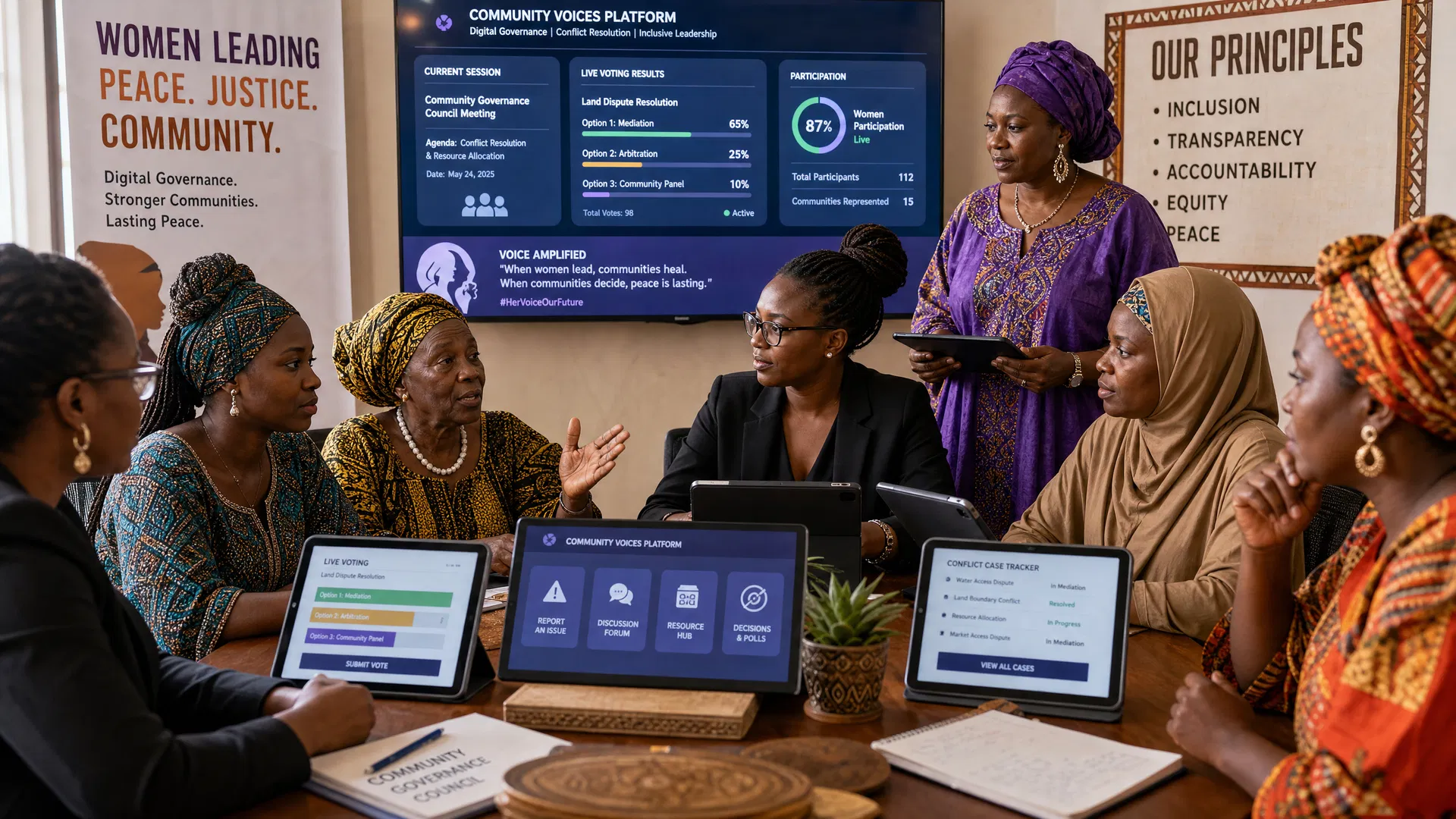
The integration of digital platforms also facilitates the creation of cooperative governance models, which are particularly beneficial for women in the ASM sector. Digital cooperatives can aggregate the resources and bargaining power of individual female miners, allowing them to negotiate better prices for their commodities and access bulk purchasing discounts for equipment and supplies. These platforms can also provide essential training and capacity-building resources, equipping women with the technical skills and knowledge required to navigate the modern mining industry. By fostering a sense of community and collective action, digital cooperatives empower women to advocate for their rights and influence policy decisions at both the local and national levels.
At AfriVest, we recognize that the digitization of Africa’s economy must be inclusive to be truly successful. As a leading digital infrastructure platform for asset tokenization, cooperative governance, and financial inclusion, we are committed to building the tools necessary to empower women in the mining sector. By providing secure, transparent, and accessible digital platforms, we aim to ensure that women have equal access to mineral rights, fair compensation, and the capital needed to thrive. Our vision is an African mining industry where digital innovation bridges the gender gap, unlocking the full potential of the continent’s human and natural resources for a prosperous and equitable future.