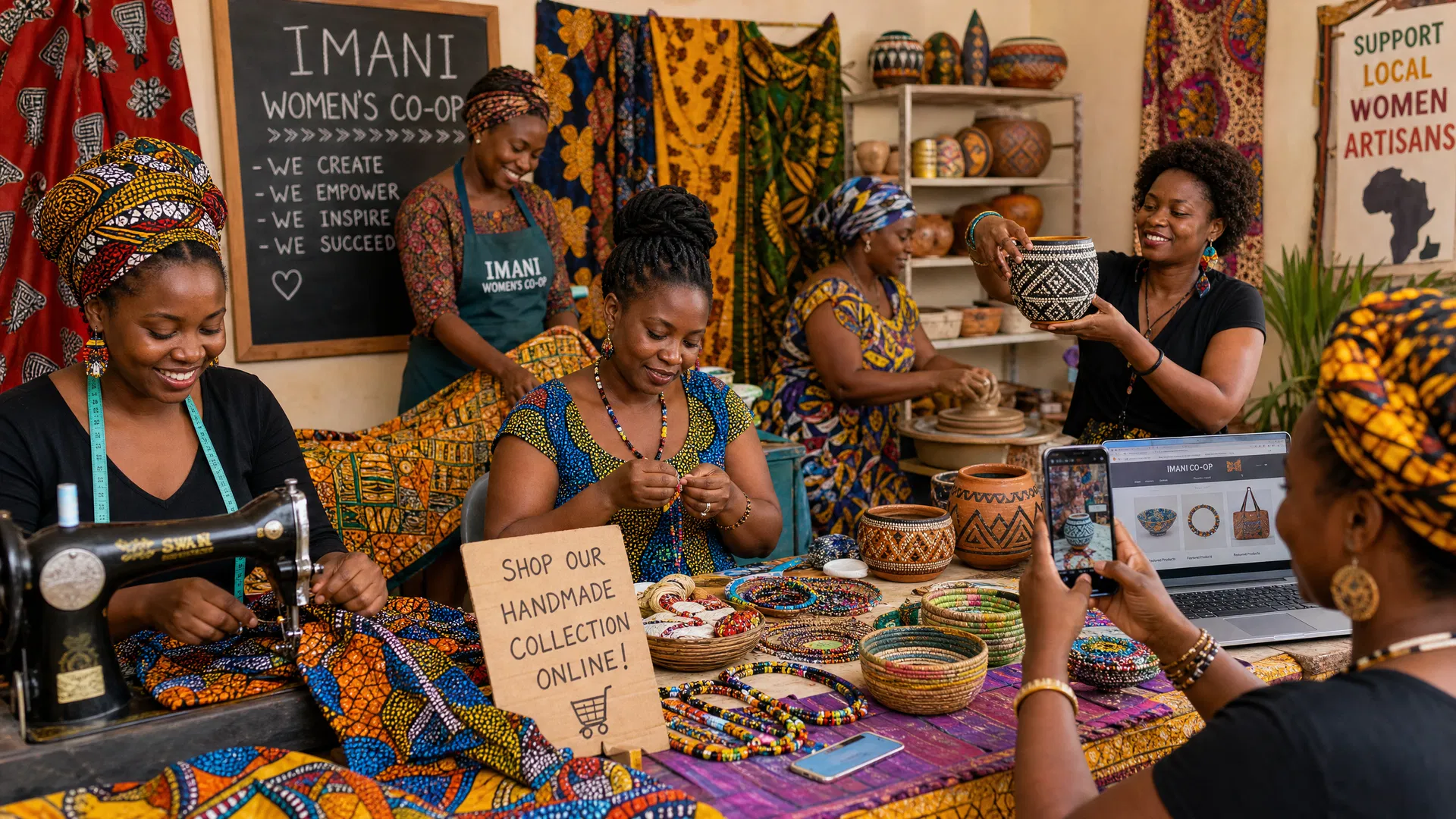
The digital revolution sweeping across Africa is not merely a story of fintech unicorns and mobile money; it is increasingly a narrative of cultural preservation and economic empowerment. At the heart of this transformation are female artisans, the traditional custodians of Africa's rich heritage in crafts and textiles. For generations, these women have woven the fabric of local economies, yet their reach has historically been confined to local markets and informal trade networks. Today, the emergence of digital marketplaces is dismantling these geographical barriers, offering African female artisans unprecedented access to global consumers. This shift is not just about selling products online; it represents a fundamental restructuring of value chains, where digital infrastructure and tokenization are unlocking new paradigms of cooperative governance and financial inclusion.
Across the continent, from the vibrant markets of Lagos to the rural weaving cooperatives in Rwanda, digital platforms are providing female artisans with the tools to scale their businesses. Studies indicate that women constitute a significant portion of sellers on African e-commerce platforms, with some data suggesting they make up over half of the vendors in key markets like Kenya and Nigeria. However, the transition to digital commerce is not without its challenges. Many female artisans face hurdles such as limited digital literacy, lack of access to capital, and the complexities of cross-border logistics. To truly harness the potential of this $15 billion e-commerce opportunity, it is imperative to build digital ecosystems that are intentionally designed to support and empower these women.
This is where the integration of blockchain technology and asset tokenization becomes a game-changer. Traditional e-commerce platforms often rely on centralized intermediaries that can extract significant value from the artisans' labor. By leveraging blockchain, we can create decentralized marketplaces that ensure fair compensation and transparent supply chains. Tokenization allows for the fractional ownership of high-value artisanal assets, such as rare textiles or large-scale craft installations, democratizing access for investors and providing artisans with upfront capital. Furthermore, smart contracts can automate royalty payments, ensuring that female creators receive a fair share of the profits every time their work is resold in the secondary market. This technological leap not only protects the intellectual property of African artisans but also transforms their crafts into investable digital assets.
The concept of cooperative governance is deeply rooted in African societies, often manifesting in informal savings groups and community-based enterprises. Digital infrastructure can formalize and scale these cooperative models, providing female artisans with collective bargaining power and shared resources. Through decentralized autonomous organizations (DAOs), artisan cooperatives can pool their resources to negotiate better shipping rates, purchase raw materials in bulk, and access global marketing channels. This cooperative approach, powered by digital tokens, aligns perfectly with the ethos of financial inclusion. It allows women who may be excluded from traditional banking systems to build credit histories, access micro-loans, and participate in a global digital economy on their own terms.
Consider the impact of digital platforms on the textile industry in West Africa, where women have long been the primary producers of intricate fabrics like Kente and Aso Oke. By tokenizing these textiles, artisans can authenticate their work, protecting it from cheap counterfeits that flood the market. Each piece can be linked to a digital token that verifies its origin, the materials used, and the artisan who created it. This not only enhances the value of the product but also tells a compelling story to the conscious consumer. As these digital marketplaces grow, they create a ripple effect of economic empowerment, enabling female artisans to invest in their families' education, healthcare, and community development.
However, realizing this vision requires more than just technological innovation; it demands a holistic approach to digital infrastructure. We must invest in digital literacy programs tailored for female artisans, ensuring they have the skills to navigate online platforms, manage digital wallets, and market their products effectively. Additionally, expanding access to affordable smartphones and reliable internet connectivity in rural areas is crucial. Financial institutions and fintech companies must also develop tailored financial products that recognize the unique cash flow cycles of artisanal businesses. By addressing these foundational elements, we can create an inclusive digital economy that leaves no woman behind.
At AfriVest, we recognize that the true potential of Africa's digital economy lies in its people, particularly the women who are the backbone of our communities. Our vision for a digitized Africa goes beyond mere technological adoption; it is about building a robust digital infrastructure that fosters cooperative governance, asset tokenization, and genuine financial inclusion. By empowering female artisans through decentralized digital marketplaces, we are not only preserving Africa's cultural heritage but also transforming it into a powerful engine for sustainable economic growth. As we continue to build the platforms of tomorrow, AfriVest remains committed to ensuring that the digital revolution is equitable, inclusive, and deeply rooted in the entrepreneurial spirit of African women.