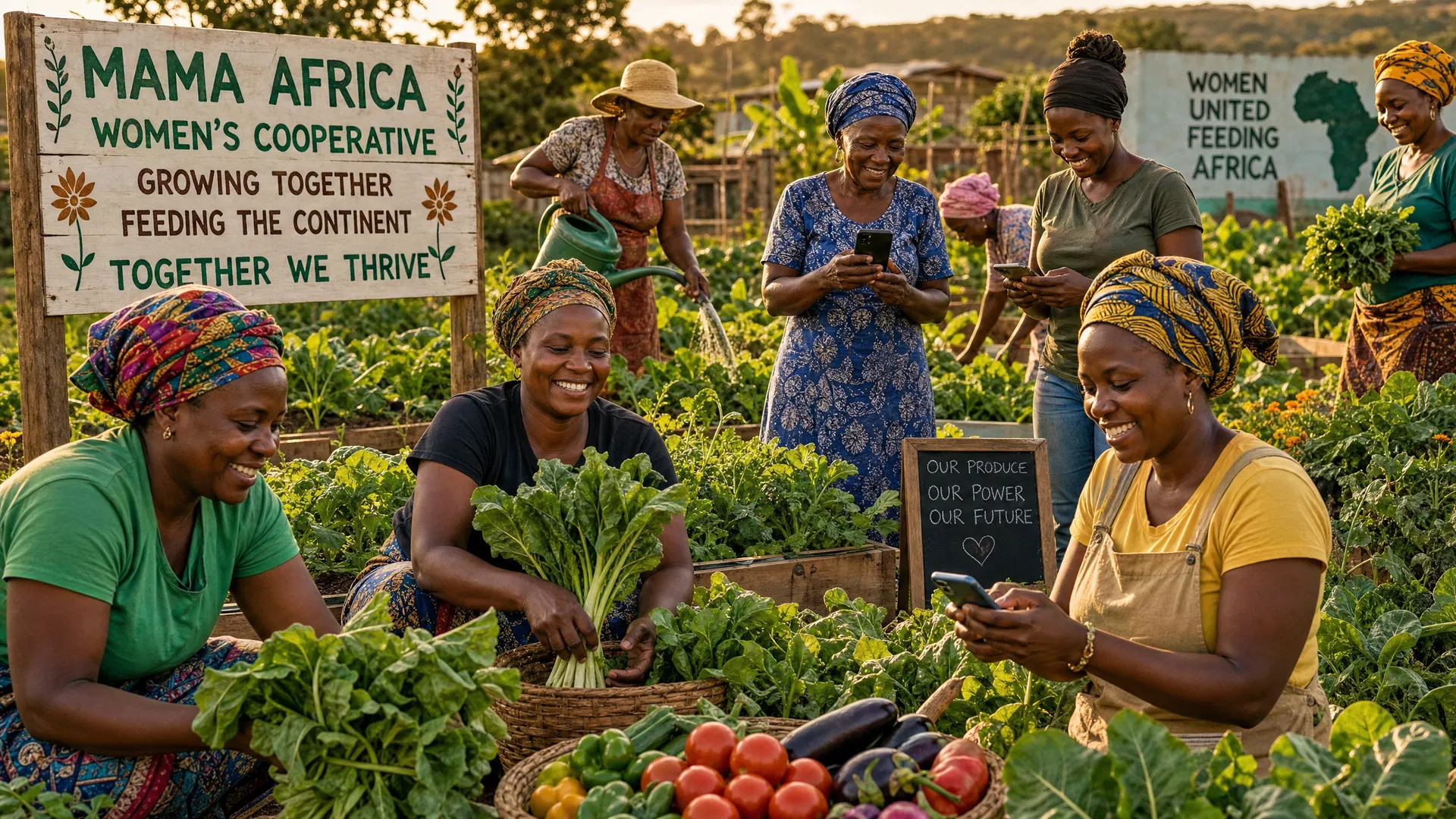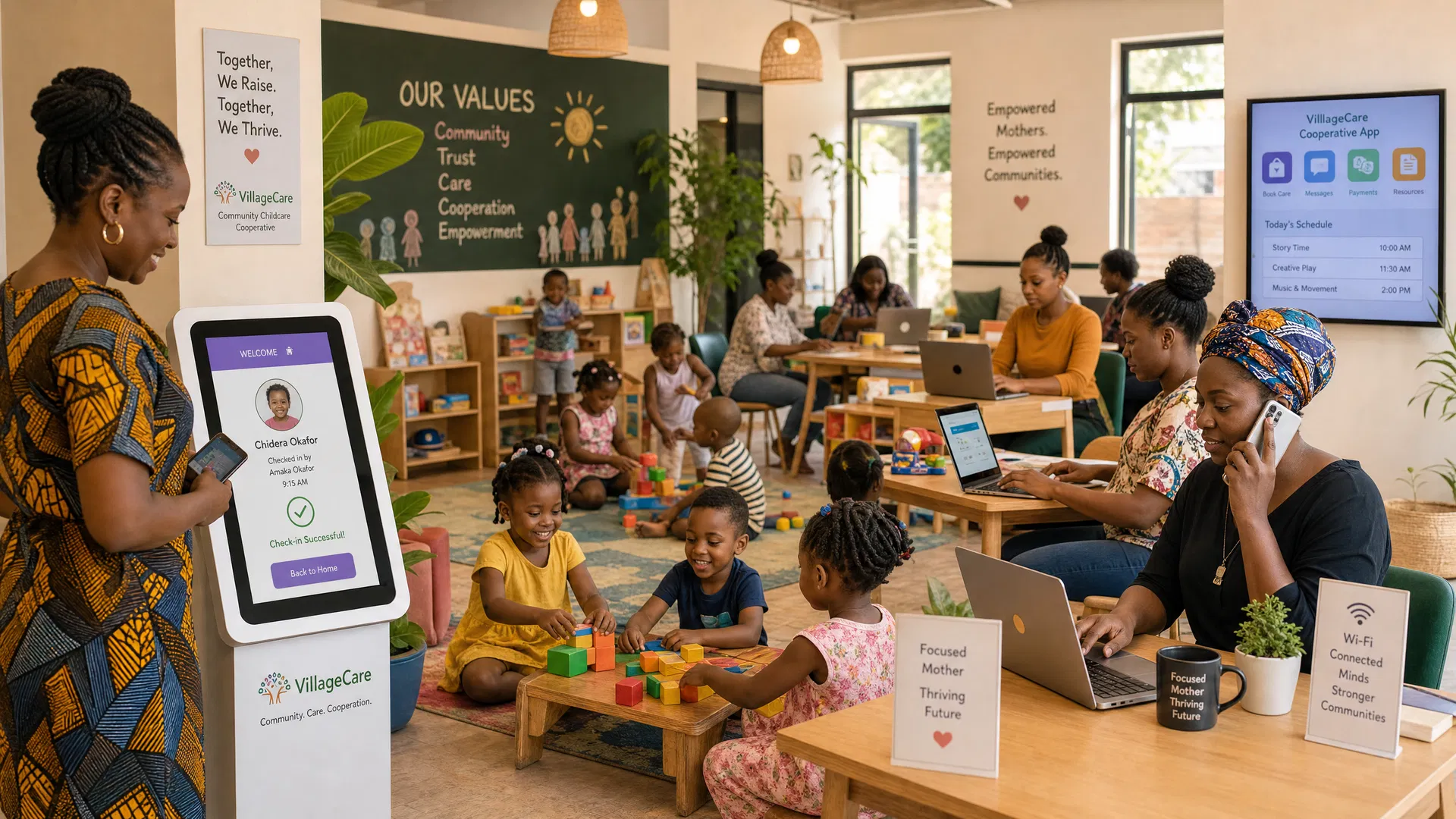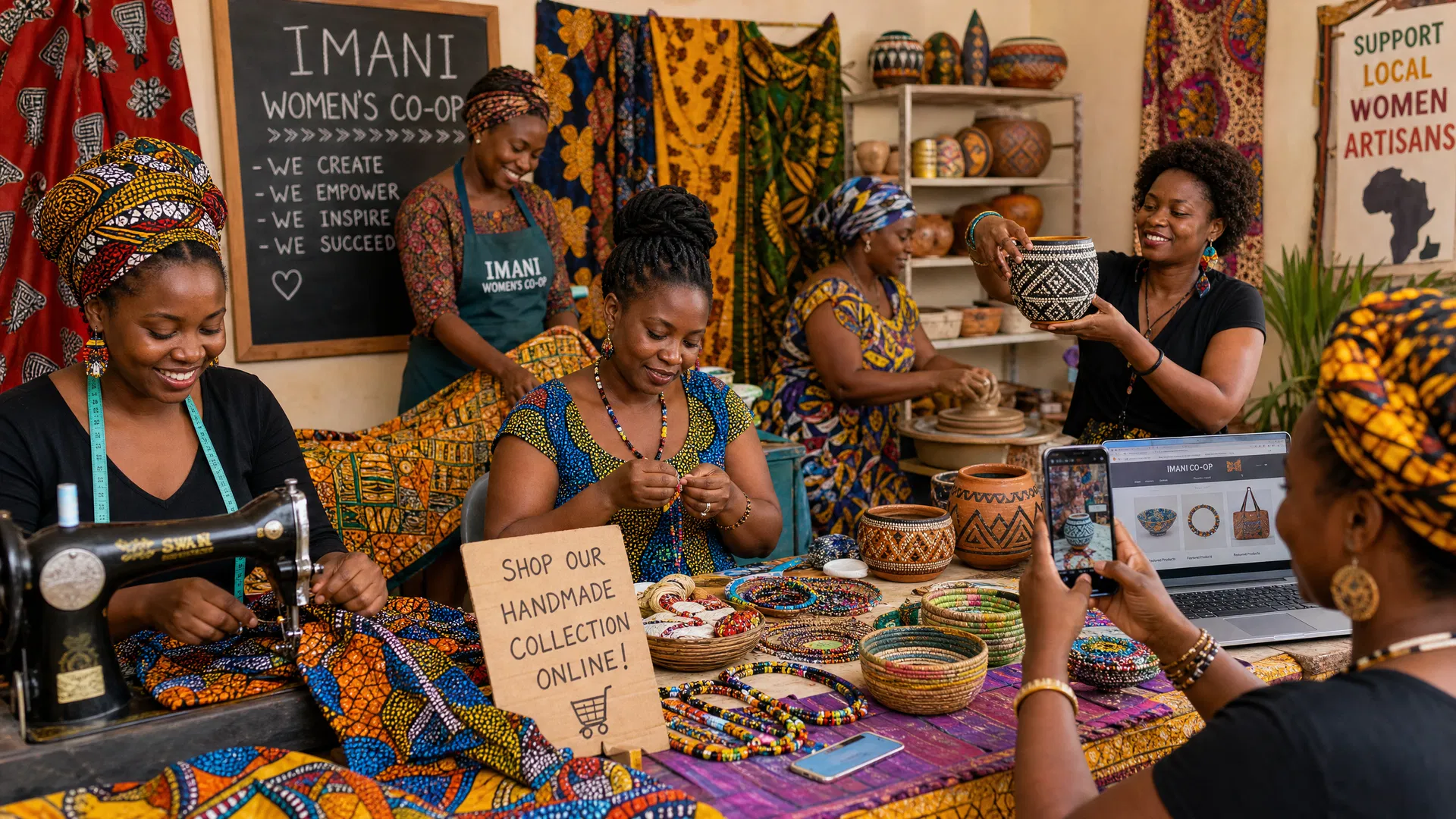
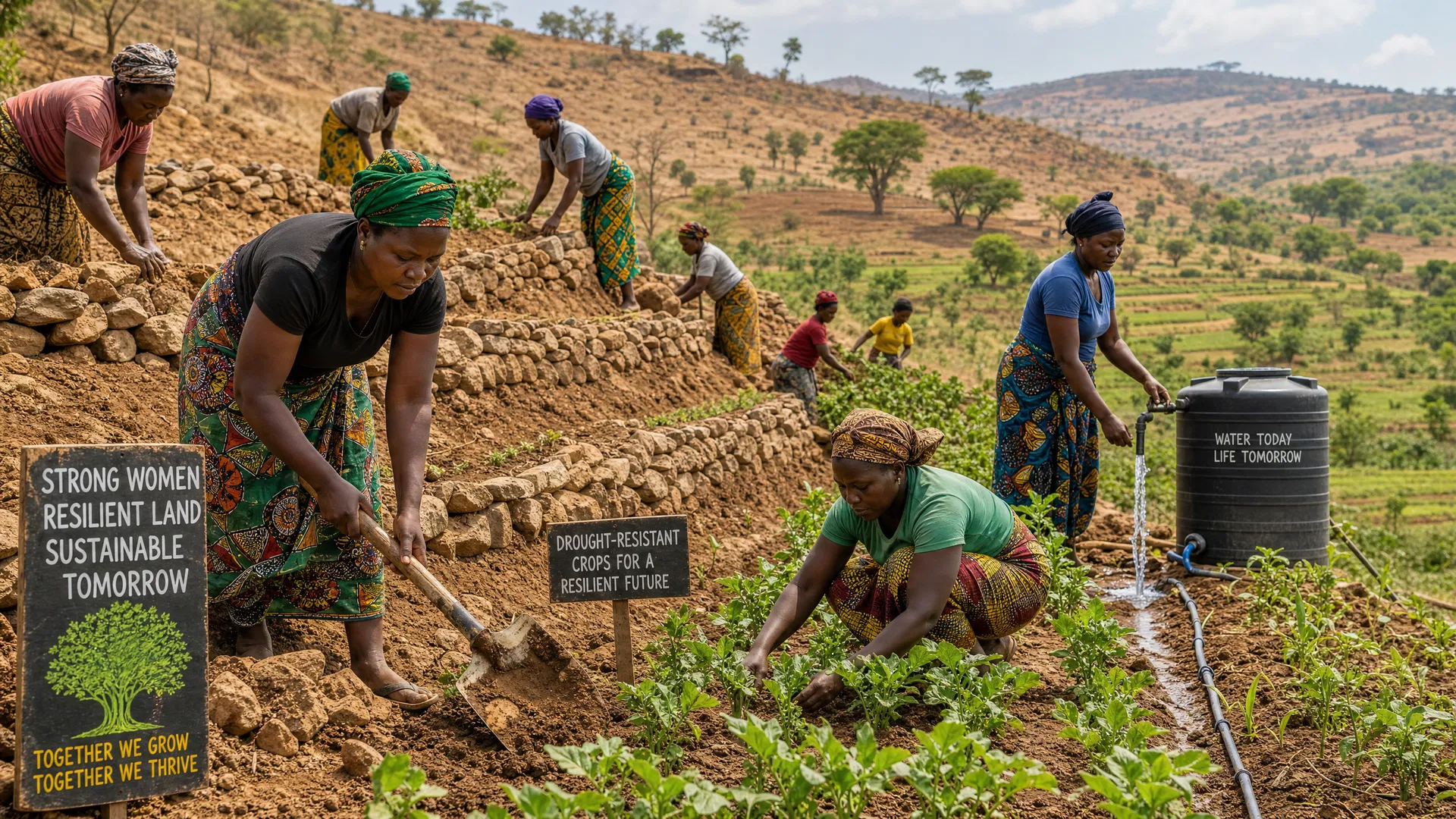
Across the African continent, agriculture is more than an economic sector; it is the lifeblood of communities and the foundation of food security. Women form the backbone of this critical industry, comprising over half of the agricultural workforce in major agrarian economies across sub-Saharan Africa. Despite their indispensable role, female farmers operate at a significant disadvantage. They receive less than ten percent of agricultural loans and frequently lack secure land tenure due to patrilineal inheritance structures. As climate change accelerates, bringing intensified droughts, unpredictable rainfall, and extreme heat, these existing inequalities are magnified. Women farmers are disproportionately vulnerable to climate shocks, yet they are simultaneously the most critical agents for building climate resilience in Africa’s food systems.
The intersection of gender inequality and climate vulnerability creates a compounding crisis for African agriculture. When extreme weather events degrade arable land, male outmigration to urban centers often increases, leaving women to manage farms with diminished resources. In Nigeria, for example, women are expected to maintain agricultural productivity without the tools, inputs, or support systems readily accessible to men. Furthermore, post-harvest losses due to inadequate storage and transportation infrastructure claim approximately half of fresh produce, directly impacting the livelihoods of female traders and farmers. Addressing these systemic challenges requires more than traditional agricultural interventions; it demands a structural transformation that empowers women with both climate-smart agronomy and modern financial tools.
Digital infrastructure and gender-responsive agricultural technology are emerging as powerful catalysts for this transformation. By integrating climate-resilient practices with digital financial inclusion, innovative models are proving that empowering women yields substantial economic and environmental dividends. In Ghana, initiatives focusing on climate-adaptive, drought-tolerant crops like fonio have successfully engaged thousands of female farmers. By utilizing marginal lands and requiring minimal inputs, these crops reduce the physical and financial burden on women while ensuring stable yields despite erratic weather patterns. Similarly, in Malawi, targeted support providing high-yield, drought-tolerant seeds alongside modern farming techniques has enabled over ten thousand women to double their agricultural productivity.
However, agricultural innovation alone is insufficient without equitable access to capital and markets. This is where digital infrastructure, specifically blockchain technology and asset tokenization, can revolutionize the landscape for women farmers. Traditional financial systems often exclude women due to stringent collateral requirements, such as land ownership, which many female farmers lack. Tokenization offers a paradigm shift by allowing agricultural assets, future yields, or even shared infrastructure to be digitized and fractionalized. This creates new avenues for micro-investments and peer-to-peer lending, bypassing the systemic barriers of conventional banking. By leveraging blockchain, transactions become transparent, secure, and accessible via mobile technology, directly connecting female farmers to global capital markets.
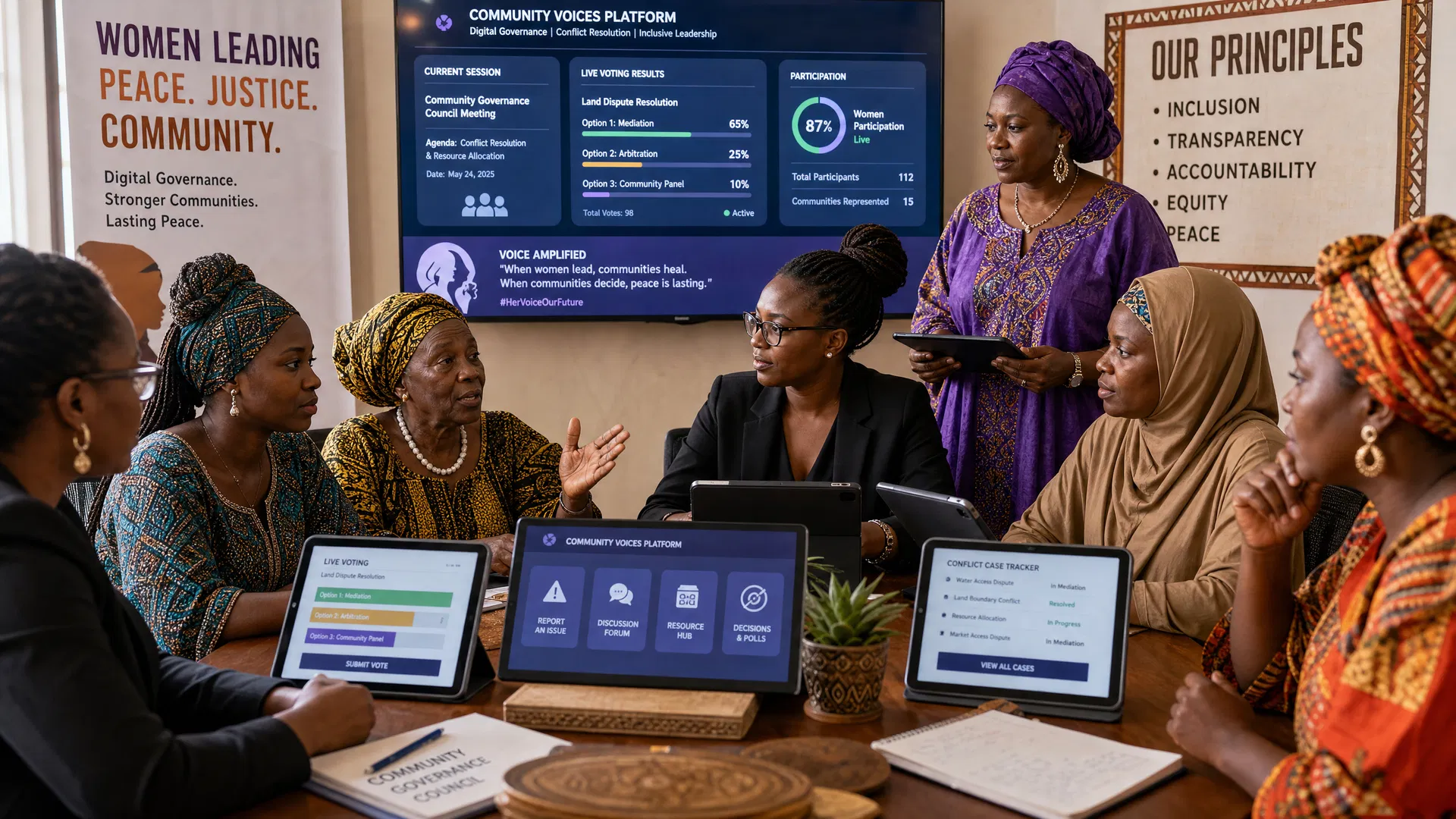
The integration of digital identities and smart contracts further enhances the resilience of women-led agricultural enterprises. Smart contracts can automate parametric insurance payouts triggered by specific weather events, providing immediate financial relief to farmers affected by drought or floods without the bureaucratic delays of traditional insurance. Furthermore, digital platforms can facilitate cooperative governance models, enabling women to pool resources, share climate-smart equipment like solar-powered irrigation systems, and collectively negotiate better market prices. In Nigeria, shared block farm models have demonstrated that when women collaborate and utilize climate-smart agronomy, yields can increase up to five times the average, proving the efficacy of collective, tech-enabled farming.
Data consistently demonstrates that investing in women-led agriculture is not merely a social imperative but a sound economic strategy. Businesses with higher levels of female leadership and participation exhibit more stable revenues, faster growth, and significantly lower default rates on loans. When women have autonomy over their earnings, they reinvest in their families and communities, prioritizing education, health, and sustainable practices. Therefore, closing the gender credit gap and providing access to gender-responsive digital technologies are critical drivers for sustainable economic development and climate-resilient food systems across Africa.
As the continent navigates the dual challenges of climate change and economic development, the focus must shift toward scalable, tech-driven solutions that center women. Empowering female farmers requires a holistic approach that combines climate-resilient agricultural practices with robust digital financial infrastructure. By dismantling the structural barriers to finance and land ownership through innovative technologies, Africa can unlock the full potential of its agricultural sector, ensuring food security and driving inclusive economic growth.
AfriVest stands at the forefront of this digital revolution, committed to building the infrastructure necessary for a more equitable and resilient African economy. By championing asset tokenization, cooperative governance, and financial inclusion, AfriVest envisions a future where women farmers are no longer marginalized but empowered as key stakeholders in the global market. Through the deployment of secure, blockchain-based platforms, AfriVest aims to democratize access to capital, enabling female agricultural entrepreneurs to scale their operations, adopt climate-smart technologies, and secure their livelihoods against environmental uncertainties. In digitizing Africa’s economy, AfriVest is not just transforming financial systems; it is investing in the women who feed the continent, ensuring a sustainable and prosperous future for all.