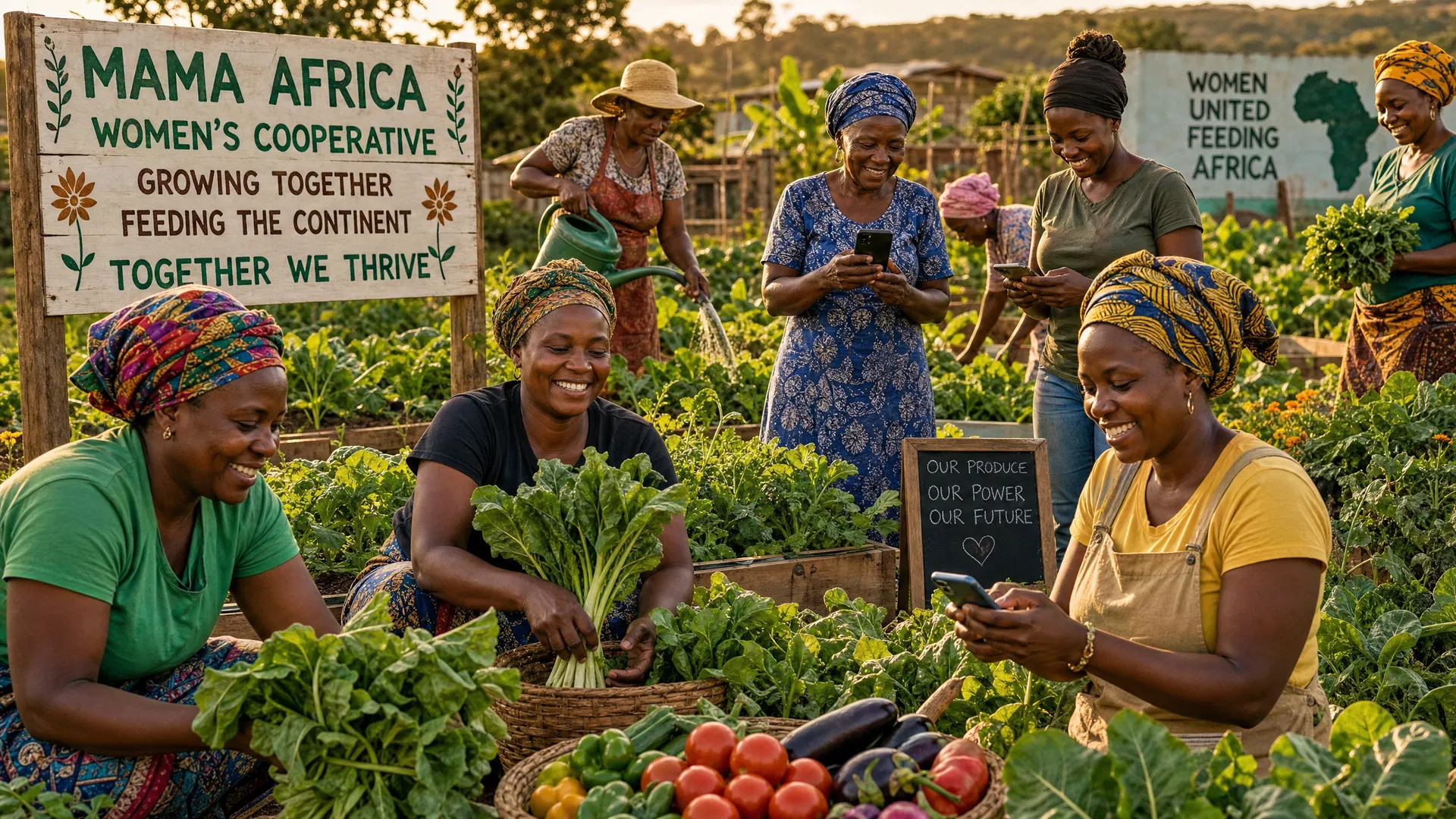
Across the vast and varied landscapes of Africa, a quiet but profound revolution is taking root. It is not being led by multinational conglomerates or distant policymakers, but by the very hands that have always nurtured the continent’s soil: women. In many African countries, women constitute between 40 to 60 percent of the agricultural workforce, and in some regions of West and Central Africa, that figure soars above 70 percent. Yet, despite their indispensable role in feeding communities and sustaining local economies, these women have historically operated on the margins of the formal financial system. Today, however, a powerful convergence of traditional cooperative models and cutting-edge digital infrastructure is changing the narrative. Women-led agricultural cooperatives are not just feeding the continent; they are redefining its economic future.
The traditional agricultural cooperative has long been a lifeline for smallholder farmers in Africa. By pooling resources, sharing knowledge, and collectively negotiating prices, cooperatives allow farmers to achieve economies of scale that would be impossible individually. For women, these cooperatives are particularly transformative. In a landscape where fewer than 20 percent of landholders worldwide are women—often due to deeply entrenched legal and cultural constraints regarding land inheritance and ownership—cooperatives provide a crucial mechanism for empowerment. They offer a collective voice, a shared safety net, and a platform for mutual support. From the Taymate Cooperative in Morocco, where women are leading the production of table olives, to organic coffee growers in Uganda and Tanzania, women are demonstrating that collective action is a potent catalyst for agricultural success.
However, the true potential of these women-led cooperatives has often been stifled by systemic barriers. Access to capital remains a persistent challenge. Traditional financial institutions frequently view smallholder agriculture as too risky, and women, lacking formal land titles to use as collateral, are disproportionately excluded from credit markets. Furthermore, opaque supply chains and predatory intermediaries often mean that the women who do the hardest work capture the smallest share of the value they create. This is where the promise of digital infrastructure and blockchain technology becomes not just relevant, but revolutionary.
The digitization of Africa’s economy is providing the tools to dismantle these long-standing barriers. Blockchain technology, with its inherent transparency and immutability, offers a tamper-proof way to track a crop’s journey from seedling to store shelf. This traceability is crucial for establishing trust in the food system, but its implications for women farmers go much deeper. By recording transactions on a decentralized ledger, blockchain creates a verifiable digital identity and a reliable credit history for farmers who have previously been invisible to the formal banking sector. This data becomes a new form of collateral, unlocking access to microloans, insurance, and other essential financial services.
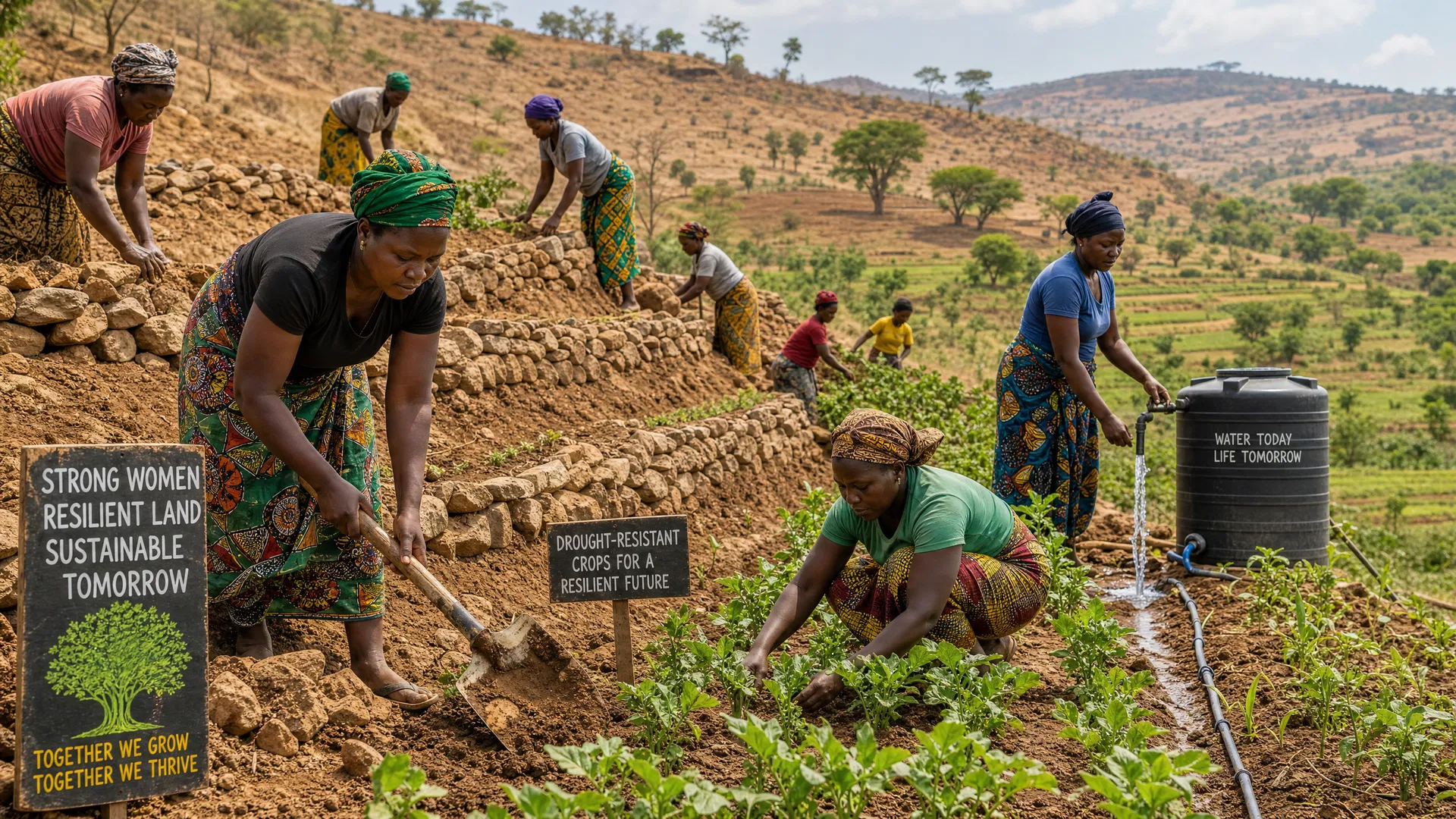
Tokenization takes this empowerment a step further. By converting physical assets—such as a harvest, a piece of farming equipment, or even a share in a cooperative—into digital tokens on a blockchain, tokenization democratizes access to investment. It allows for fractional ownership, meaning that a cooperative of women farmers can raise capital from a global pool of investors, rather than relying solely on local banks or microfinance institutions. This influx of capital can be used to purchase drought-resistant seeds, invest in climate-resilient irrigation systems, or acquire processing machinery to add value to their raw produce before it reaches the market.
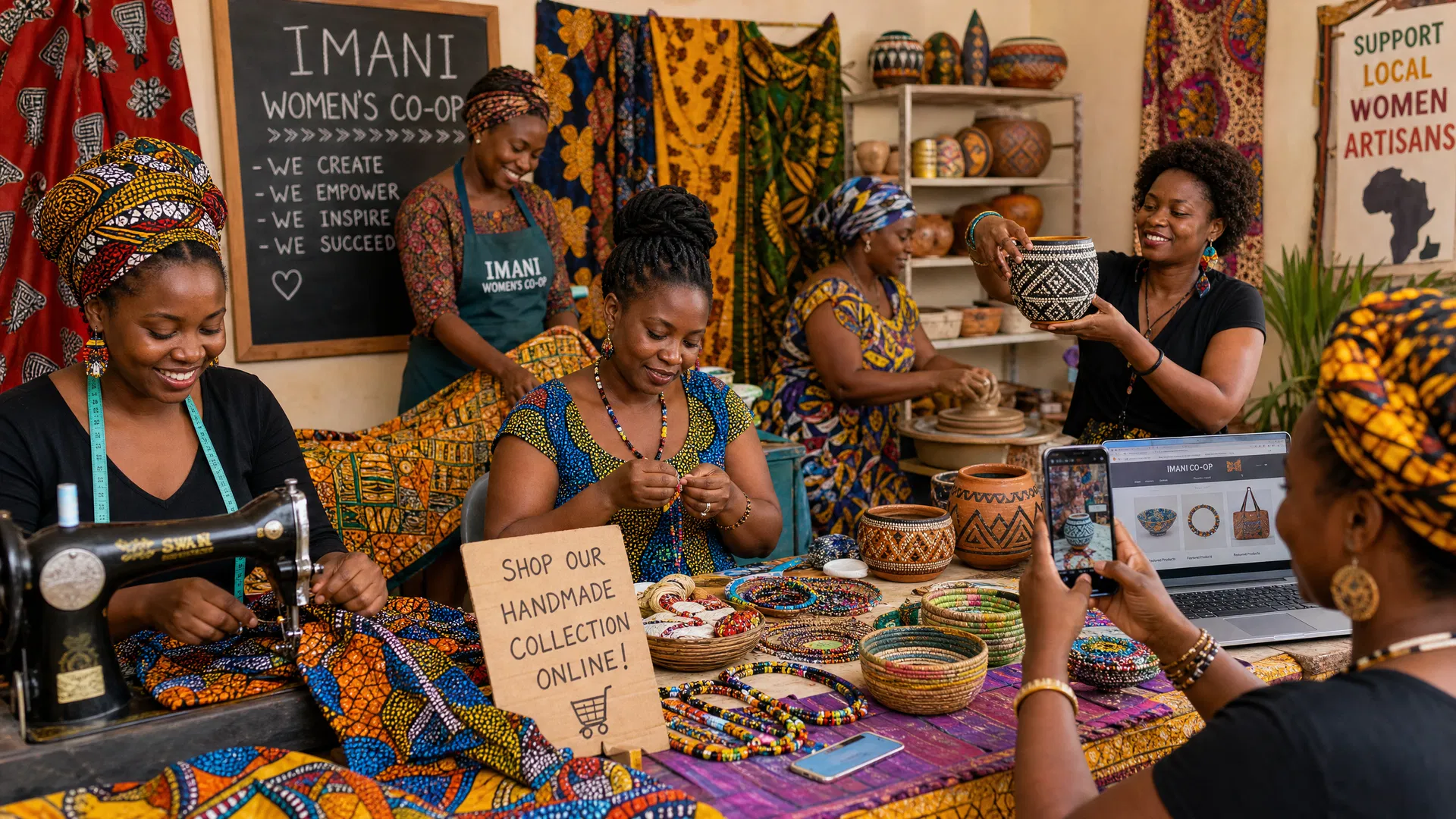
Consider the impact of this digital shift on a women’s cooperative in rural Kenya. Previously, their access to markets was limited by poor infrastructure and a lack of real-time pricing information. They were forced to sell their produce to middlemen at a fraction of its true value. With the integration of digital platforms, these women can now access market prices directly via their mobile phones. Through blockchain-enabled supply chains, they can prove the origin and quality of their produce, commanding premium prices in international markets. And through tokenization, they can secure the funding needed to expand their operations and weather the unpredictable impacts of climate change.
This intersection of agriculture, gender empowerment, and digital technology is not merely a theoretical concept; it is a practical necessity for ensuring food security in Africa. As the continent’s population continues to grow, the demand for food will only intensify. Empowering the women who produce the majority of this food is the most effective strategy for meeting this demand. When women farmers have equal access to resources, education, and financial tools, agricultural yields increase significantly, lifting entire communities out of poverty and malnutrition.
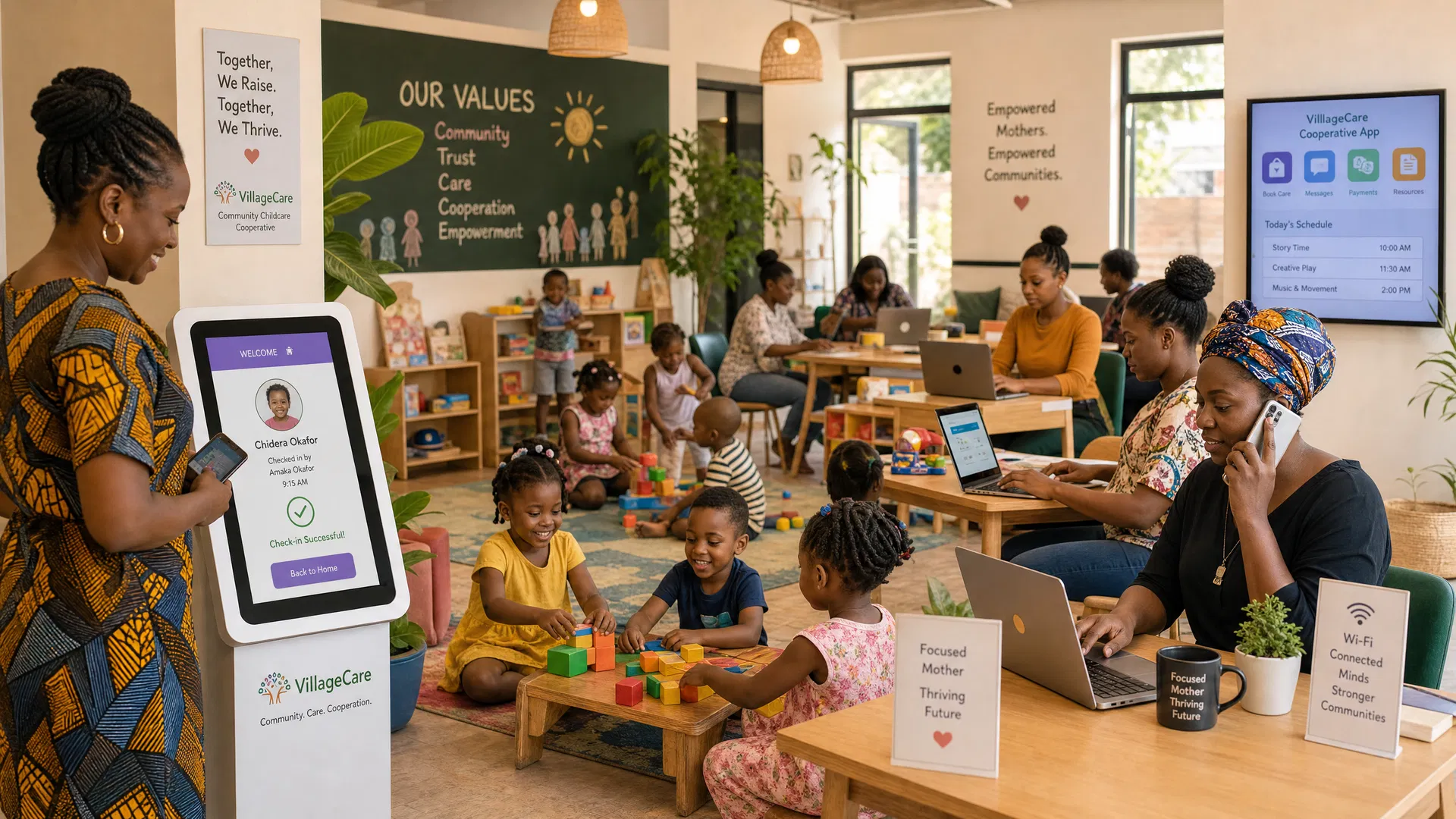
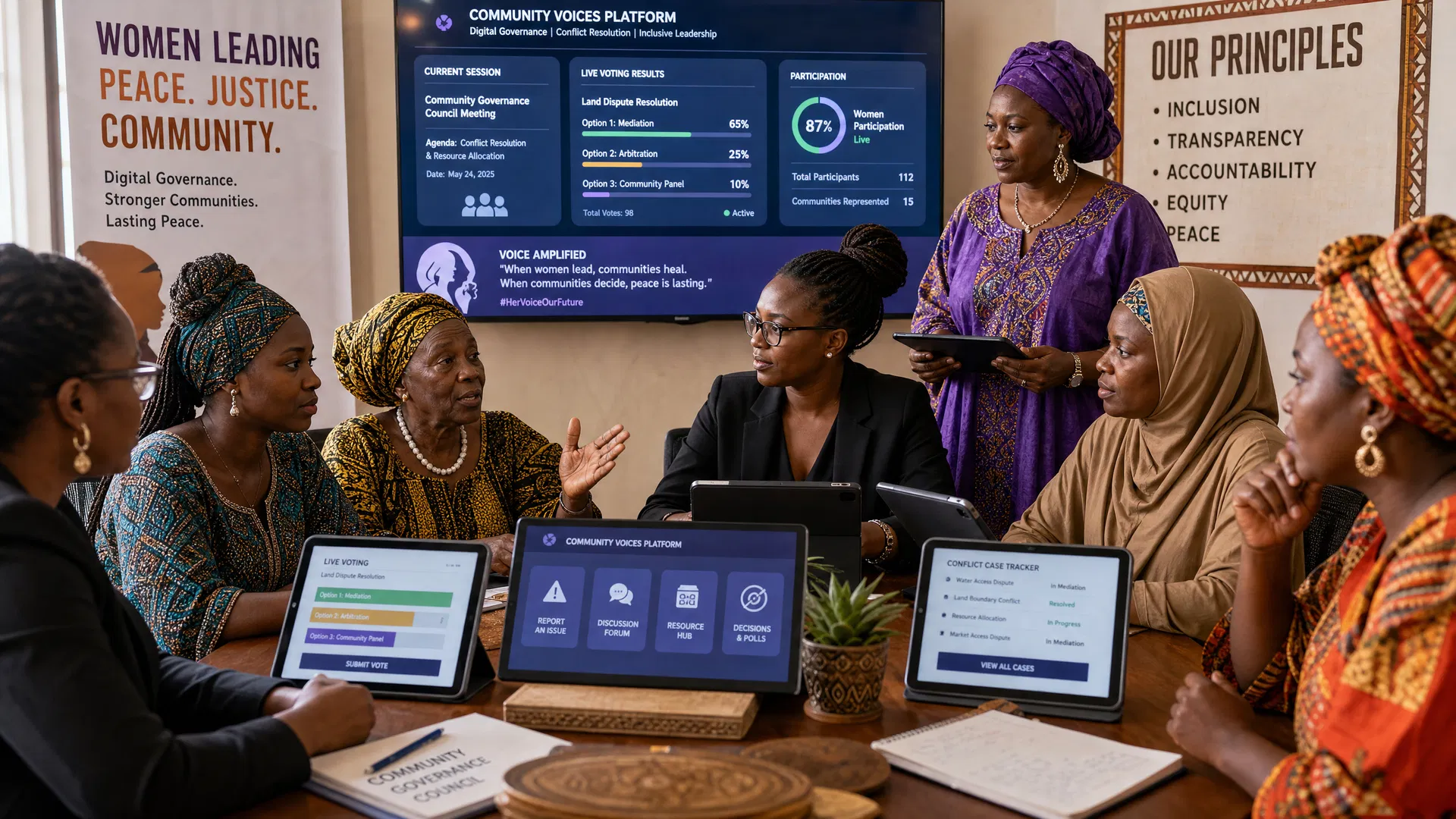
At AfriVest, we recognize that the future of Africa’s economy is intrinsically linked to the success of its women farmers. As a digital infrastructure platform dedicated to asset tokenization, cooperative governance, and financial inclusion, we are committed to building the tools that empower these vital contributors. We envision a future where every women-led cooperative has the digital identity, the transparent supply chain, and the access to capital necessary to thrive. By bridging the gap between traditional agriculture and the digital economy, AfriVest is not just facilitating transactions; we are investing in the women who are feeding the continent and cultivating a more prosperous, equitable Africa for generations to come.