Nigeria's real estate market is projected to reach $2.42 trillion by 2026, driven by rapid urbanization and a growing middle class.
Introduction
Nigeria's real estate sector is experiencing unprecedented growth, emerging as a powerhouse in the African economy. With a projected market value of $2.42 trillion by 2026, the sector is attracting significant attention from institutional investors and policymakers alike. This growth is fueled by rapid urbanization, a burgeoning middle class, and a critical need for housing and commercial spaces. As the nation's population continues to expand, the demand for real estate is outpacing supply, creating a fertile ground for investment and development.
The Economic Impact of Real Estate in Nigeria
The real estate sector has become a cornerstone of Nigeria's economy, recently surpassing oil and gas to become the third-largest contributor to the nation's Gross Domestic Product (GDP). Following the latest GDP rebasing by the National Bureau of Statistics, the sector's contribution skyrocketed to ₦41.3 trillion in 2024. This historic leap highlights the sector's resilience and its critical role in driving economic diversification. The shift away from oil dependence underscores the growing importance of real estate as a sustainable wealth-building asset.
Lagos: The Epicenter of Real Estate Growth
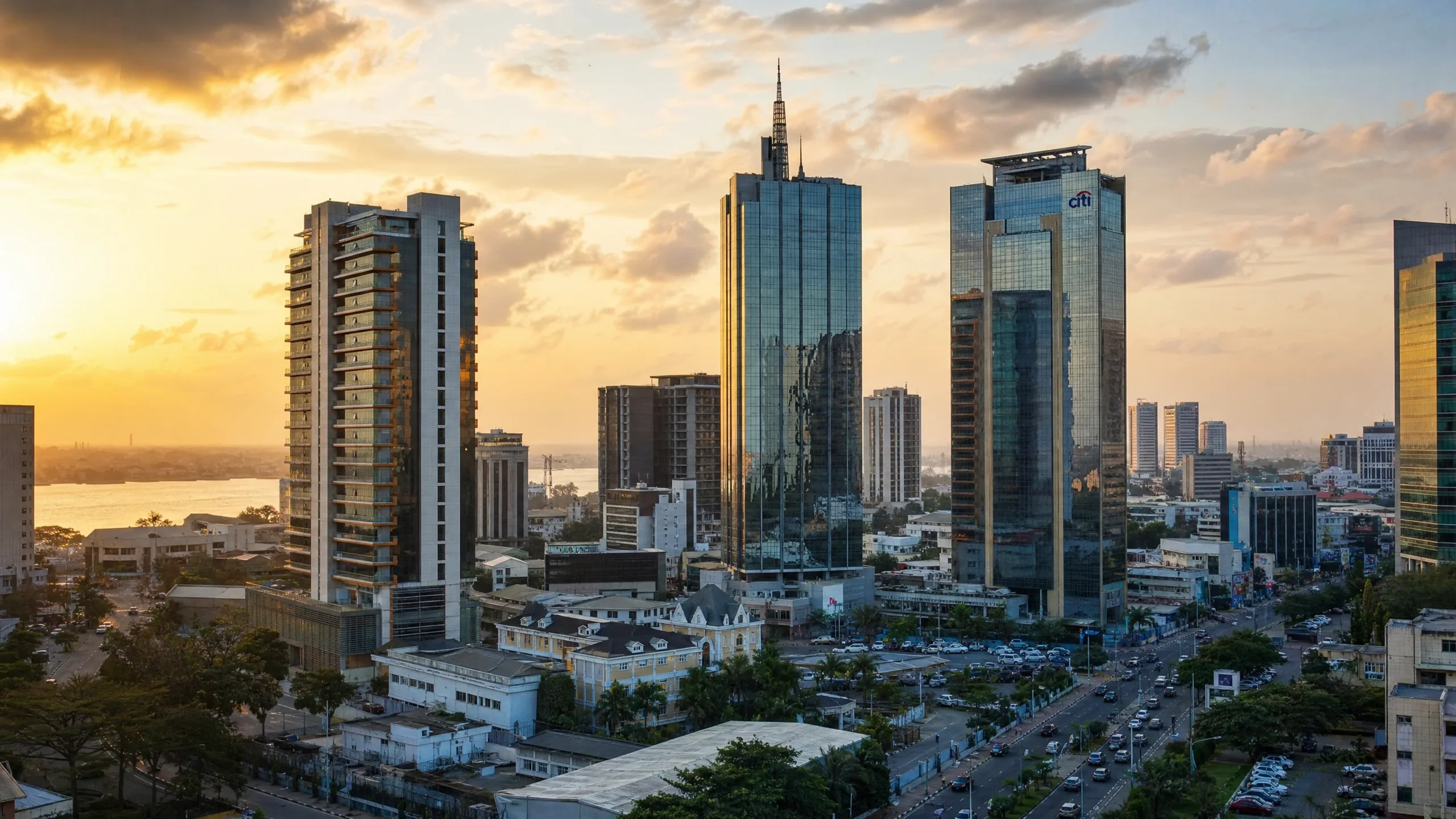
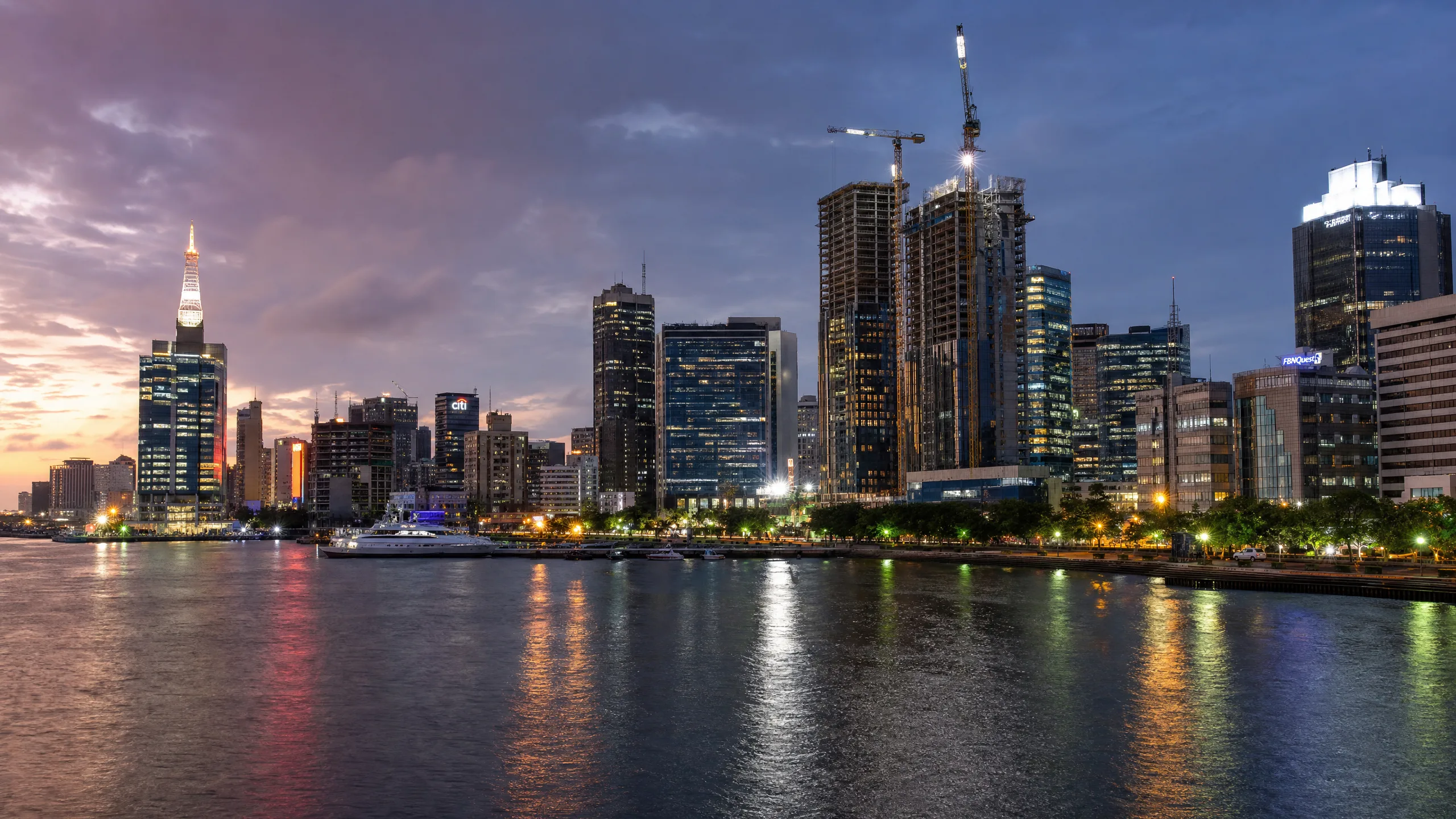
Lagos, Nigeria's commercial capital, remains the epicenter of the country's real estate boom. The city's property market is characterized by high demand and significant price appreciation, particularly in prime areas like Ikoyi, Victoria Island, and Lekki. In recent years, neighborhoods such as Yaba and Surulere have seen remarkable gentrification, with property values increasing by 15% to 30%. The influx of tech startups and young professionals has transformed these areas, driving up rents and creating lucrative opportunities for investors.
Infrastructure Development Driving Demand
Major infrastructure projects are playing a pivotal role in boosting real estate demand across Nigeria. In Lagos, developments such as the Lagos-Calabar Coastal Highway, the Fourth Mainland Bridge, and the Lekki Deep Sea Port are transforming accessibility and economic activity. These projects have led to a 15% to 25% uplift in property values in surrounding areas, with further appreciation expected as construction progresses. The strategic alignment of real estate development with infrastructure expansion is a key driver of the sector's sustained growth.
The Future of Real Estate: Digital Infrastructure and Tokenization
As Nigeria's real estate market continues to expand, the integration of digital infrastructure and tokenization presents a transformative opportunity. Platforms like AfriVest are at the forefront of this revolution, digitizing Africa's assets and democratizing access to real estate investment. Tokenization allows for fractional ownership, lowering the barrier to entry and enabling a broader range of investors to participate in the market's growth. This forward-looking approach not only enhances liquidity but also fosters transparency and efficiency, paving the way for a more inclusive and dynamic real estate ecosystem.
Conclusion
Nigeria's real estate market is on a trajectory of remarkable growth, offering unparalleled opportunities for institutional investors and policymakers. With a projected value of $2.42 trillion and a growing contribution to the national GDP, the sector is a testament to the country's economic potential. As infrastructure development and digital innovation continue to shape the landscape, the future of Nigerian real estate is bright. Embracing tokenization and digital platforms will be crucial in unlocking the full potential of this dynamic market, ensuring sustainable growth and prosperity for years to come.