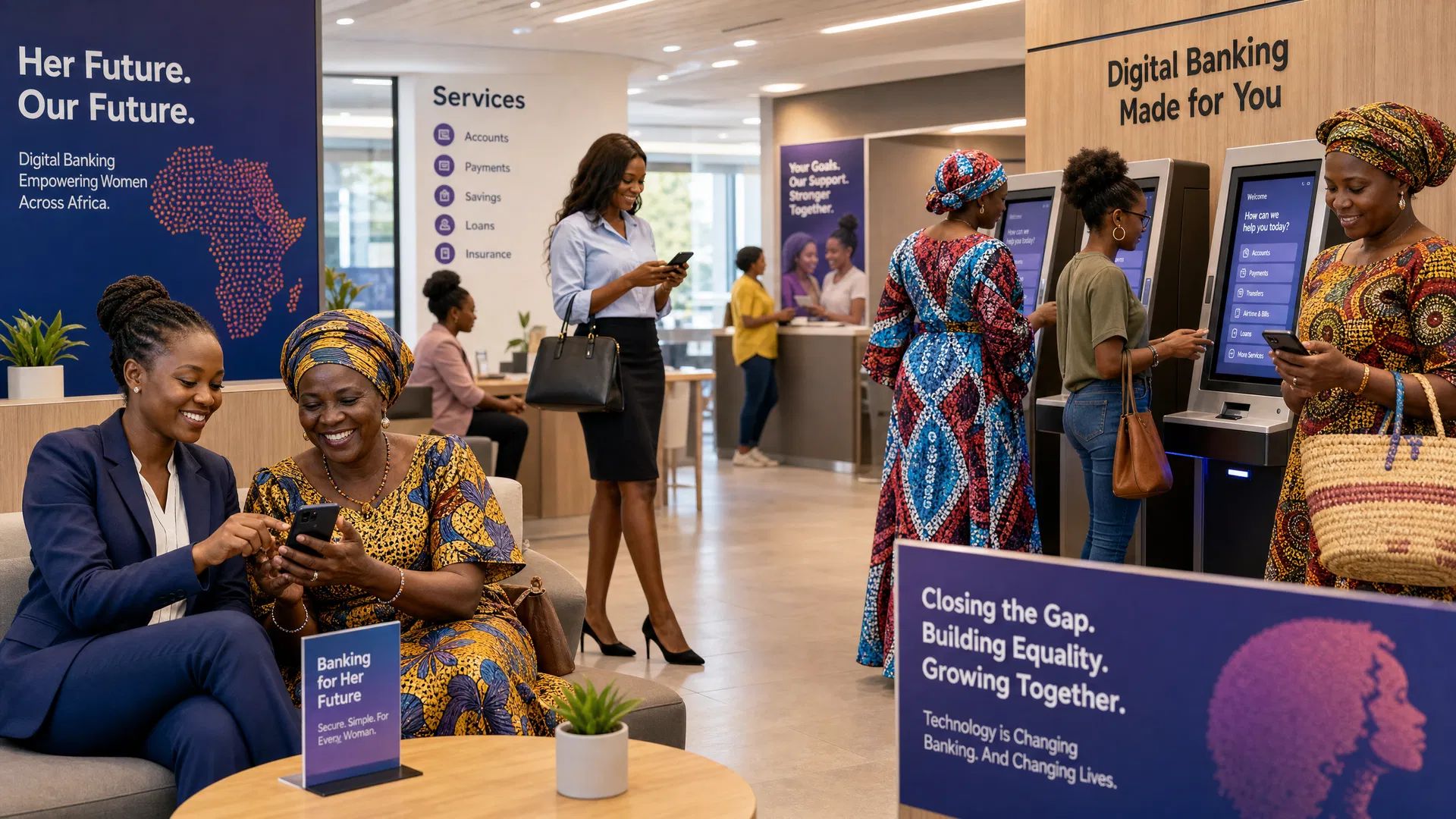
Despite significant advancements in financial services across Africa, a substantial gender gap remains in banking and financial inclusion. According to the World Bank’s Global Findex Database 2021, 62% of adults in Sub-Saharan Africa have an account at a financial institution or with a mobile money provider. However, only 54% of women have access compared to 70% of men. This disparity limits women’s economic empowerment, perpetuates inequality, and hinders broader economic growth. Closing this gender divide is not only a social imperative but a powerful economic opportunity. Digital financial inclusion, underpinned by robust digital infrastructure and emerging technologies like blockchain and asset tokenization, presents a transformative pathway to bridge this gap across Africa.
Mobile money platforms have been instrumental in expanding financial access, particularly in East Africa. Kenya’s M-Pesa, launched in 2007, revolutionized banking by enabling millions to send, receive, and save money via mobile phones without traditional bank accounts. Women have been significant beneficiaries; recent studies indicate that mobile money usage among Kenyan women has increased their economic participation and decision-making power within households. Similarly, Nigeria’s rapid adoption of mobile financial services has improved women’s access to credit and savings products. Yet, challenges such as limited digital literacy, regulatory barriers, and socio-cultural norms continue to restrict women’s full participation in digital finance.
This is where digital infrastructure platforms like AfriVest play a critical role. By creating an open, inclusive, and interoperable digital financial ecosystem, we can address the systemic inequalities that have traditionally excluded women. Blockchain technology, in particular, offers unique benefits for enhancing trust, transparency, and security in financial transactions. Its decentralized nature reduces reliance on intermediaries, which often present barriers for women due to lack of collateral or formal identification. Through blockchain-enabled digital identities, women can securely prove their identity and creditworthiness, unlocking access to loans, insurance, and investment opportunities previously unavailable to them.
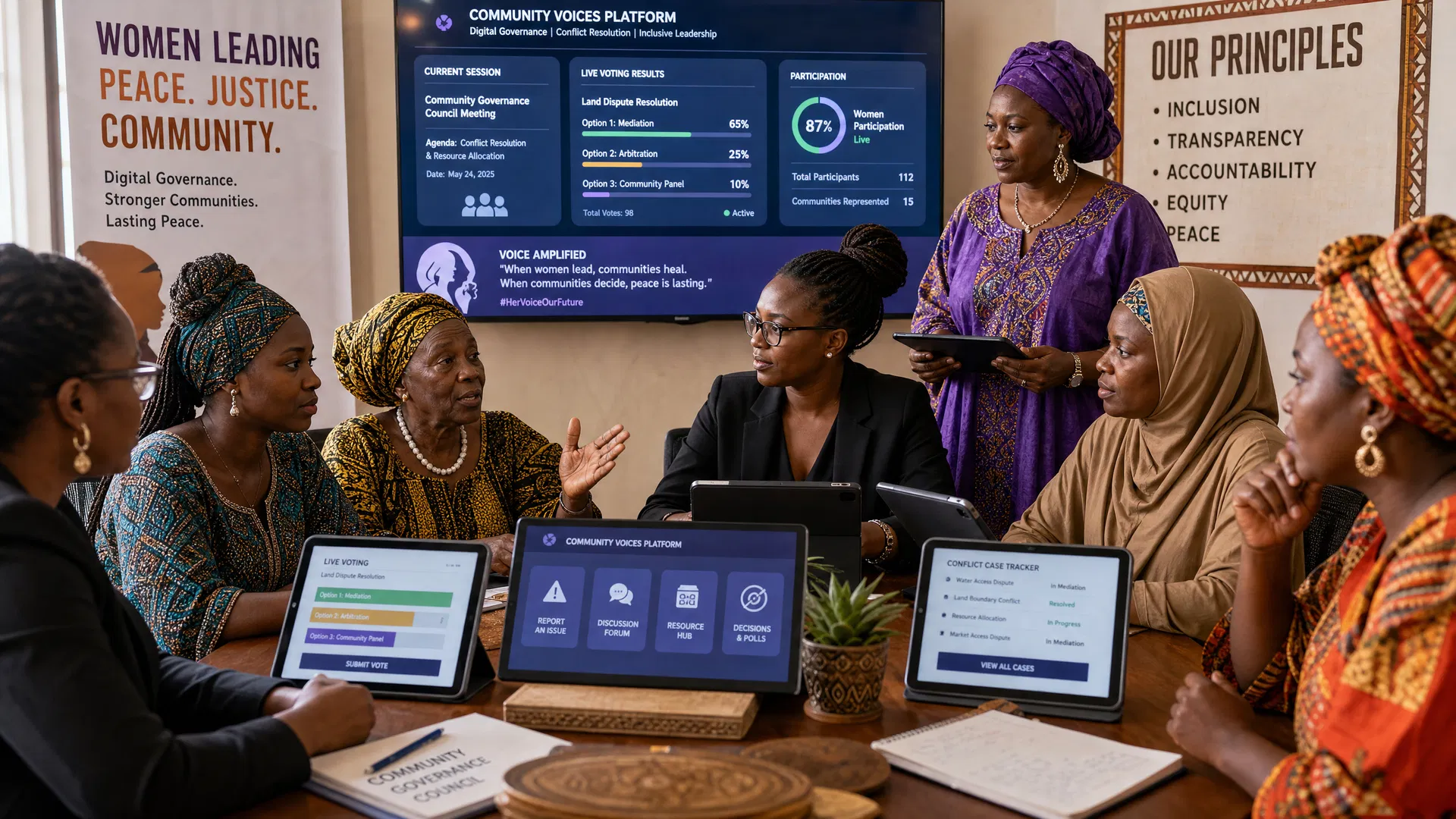
Moreover, asset tokenization on blockchain platforms democratizes investment by fractionalizing ownership of real-world assets such as real estate, agricultural land, or small businesses. This innovation enables women, especially those in rural or underserved areas, to participate in wealth-building activities with lower capital requirements. For example, a woman farmer in Ghana could invest in tokenized agricultural equipment or land shares, generating income streams and increasing financial independence. Tokenization also facilitates cooperative governance models, empowering women-led groups to collectively manage assets, share profits, and make decisions transparently through smart contracts.
The potential for blockchain and tokenization to reshape financial inclusion is particularly relevant in West and East Africa, where digital penetration is rapidly increasing. Nigeria, Africa’s largest economy, has seen over 50% mobile phone penetration and a growing fintech ecosystem, making it fertile ground for digital asset platforms. Similarly, Kenya’s robust digital financial infrastructure and progressive regulatory environment provide a conducive setting for blockchain innovations that promote gender equality. Regional organizations such as the African Union and the Alliance for Financial Inclusion have also recognized digital finance as a priority for advancing women’s economic empowerment on the continent.
Despite these opportunities, significant challenges remain. Digital infrastructure gaps, including internet access and smartphone affordability, still disproportionately affect women, especially in rural communities. Additionally, gender biases embedded in data and algorithms can inadvertently exclude women from automated credit scoring or risk assessment models. Regulatory frameworks need to evolve to protect consumers while fostering innovation and ensuring equitable access. Partnerships between governments, the private sector, and civil society are essential to create enabling environments where women can benefit from digital financial services without facing discrimination or exploitation.
At AfriVest, we are committed to leveraging our platform to address these barriers and accelerate digital financial inclusion for women across Africa. Our technology integrates blockchain-based identity solutions, tokenized asset offerings, and cooperative governance structures designed to be accessible and inclusive. By facilitating transparent and equitable participation in financial markets, we enable women entrepreneurs, farmers, and investors to build wealth and contribute meaningfully to their communities. Furthermore, we actively collaborate with local organizations to provide digital literacy training and support tailored to women’s needs, ensuring that technology adoption translates into real economic empowerment.
Looking ahead, closing the gender gap in African banking is not merely about increasing account ownership but transforming how financial services are delivered and governed. The convergence of digital infrastructure, blockchain, and tokenization offers a unique toolkit to dismantle longstanding barriers and create a more inclusive economic landscape. AfriVest envisions a future where women across Africa have equal access to digital financial tools that enable autonomy, resilience, and prosperity. By advancing this vision, we not only empower women but also unlock Africa’s full economic potential through a digitally inclusive ecosystem that leaves no one behind.