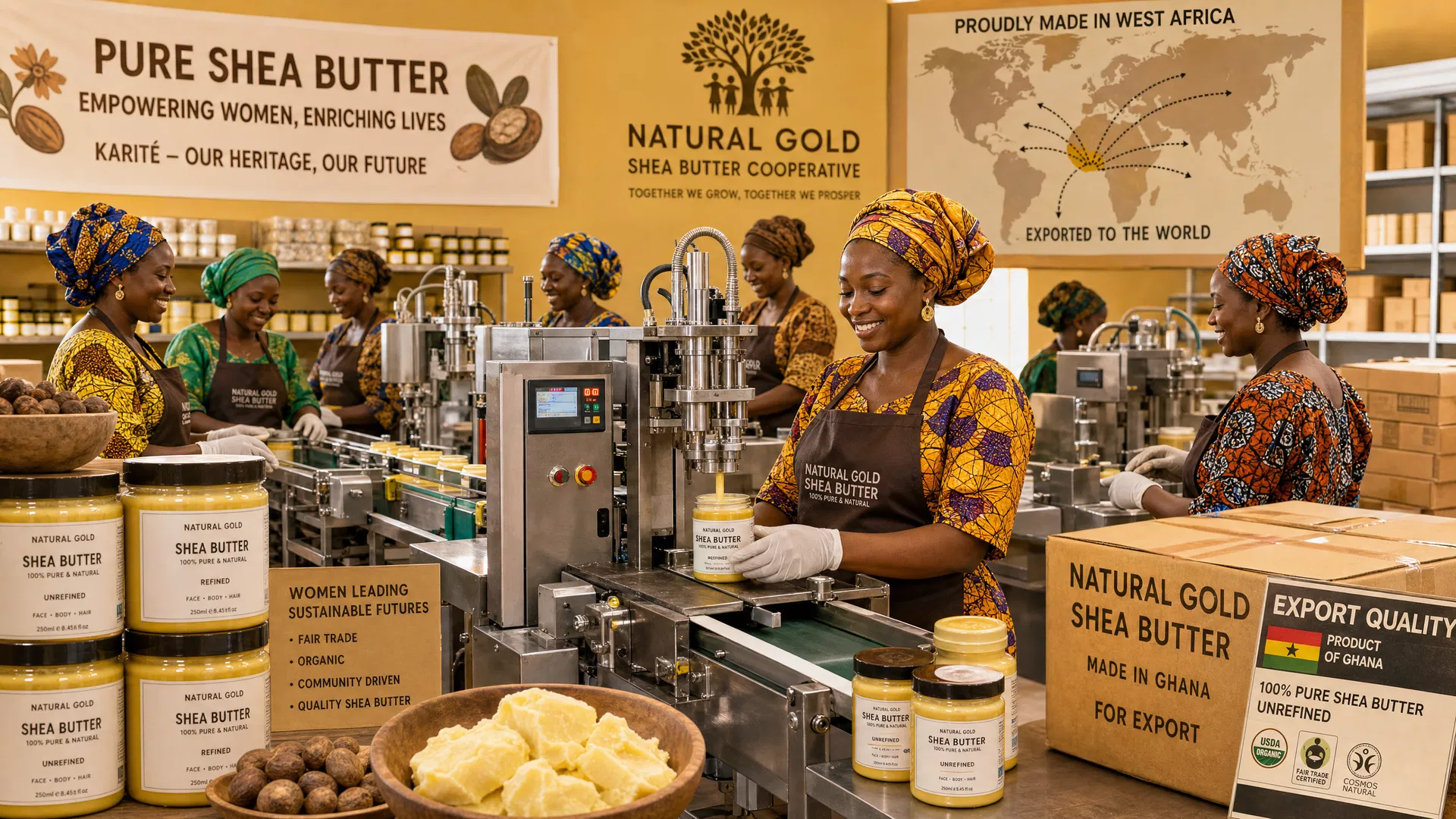
Across the expansive Sahel region of West Africa, the shea tree stands as a vital economic pillar, supporting the livelihoods of an estimated sixteen million rural women. From the sun-drenched savannas of Ghana and Burkina Faso to the rural communities of Mali and Nigeria, women-led cooperatives have historically driven the complex process of harvesting, drying, and processing shea nuts into valuable butter. This indigenous industry, deeply rooted in generational knowledge, is undergoing a profound transformation as global demand for ethically sourced, high-quality shea products surges in the cosmetics and food sectors. The global shea butter market, projected to exceed three billion dollars by the end of the decade, presents an unprecedented opportunity for these cooperatives. However, the journey from village-level processing to international export is fraught with systemic challenges, including limited access to working capital, opaque supply chains, and inequitable profit distribution that often leaves the primary producers marginalized.
The traditional shea value chain is characterized by multiple intermediaries, which significantly dilutes the financial returns reaching the women at the base of the pyramid. Despite their indispensable role, these women frequently lack the formal financial identity and collateral required to secure loans from traditional banking institutions. This financial exclusion restricts their ability to invest in modern processing equipment, expand storage facilities, or negotiate better prices during peak harvest seasons. Furthermore, international buyers increasingly demand rigorous traceability and quality assurance, which informal cooperatives struggle to provide without robust data management systems. To bridge this gap and unlock the full economic potential of the shea sector, a paradigm shift is required—one that leverages advanced digital infrastructure to formalize cooperative governance and integrate these rural enterprises into the global financial ecosystem.
The integration of blockchain technology and digital infrastructure offers a transformative solution to the structural inefficiencies plaguing the shea supply chain. By digitizing cooperative records and establishing verifiable digital identities for individual members, cooperatives can build a transparent and immutable history of production and transactions. This digital footprint is crucial for demonstrating operational reliability and compliance with international fair-trade standards. Blockchain-enabled supply chain tracking ensures that every batch of shea butter can be traced back to its origin, providing global consumers and institutional buyers with the verifiable provenance they increasingly demand. This transparency not only commands premium pricing in international markets but also ensures that the value generated is accurately recorded and attributed to the rightful producers.
Asset tokenization emerges as a particularly powerful mechanism for addressing the chronic liquidity constraints faced by women-led shea cooperatives. Through the tokenization of physical assets, such as warehoused shea nuts or processed butter, cooperatives can convert their inventory into digital tokens that represent fractional ownership or collateral. These tokens can be leveraged on decentralized financial platforms to access immediate working capital, bypassing the stringent requirements and prohibitive interest rates of traditional banks. This innovative approach to inventory financing empowers cooperatives to hold their stock during periods of market oversupply and sell when prices are optimal, thereby maximizing their revenue. Additionally, tokenization facilitates the pooling of resources among multiple cooperatives, enabling them to achieve economies of scale in logistics and international export operations.
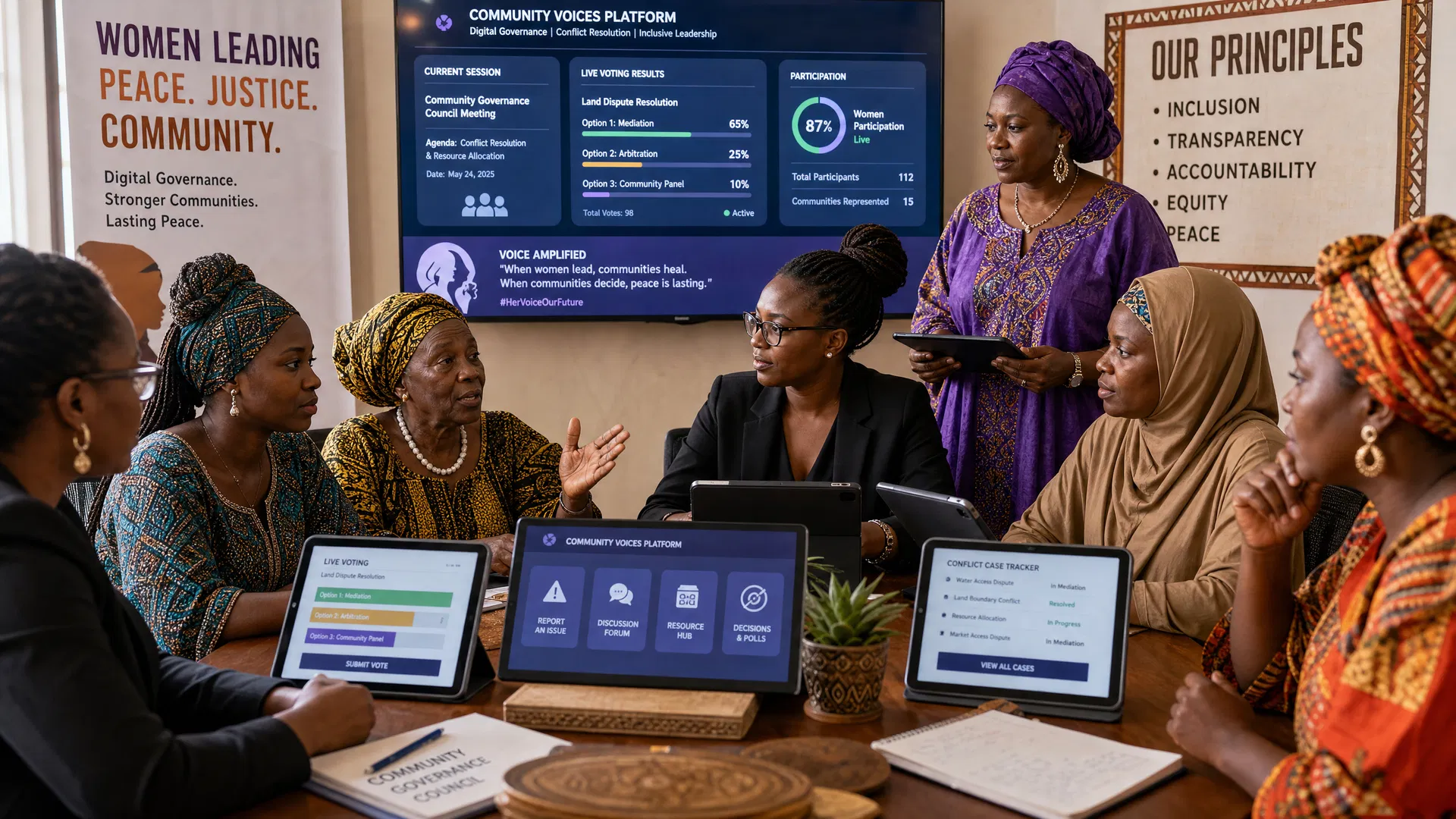
Smart contracts further enhance cooperative governance by automating the equitable distribution of profits and ensuring adherence to agreed-upon operational protocols. When an international shipment of shea butter is received and verified by the buyer, a smart contract can automatically trigger the release of funds, distributing payments directly to the digital wallets of the cooperative members based on their recorded contributions. This automated, trustless system eliminates the risk of funds being misappropriated by intermediaries and significantly reduces administrative overhead. By embedding cooperative principles into programmable code, digital platforms can foster a more democratic and transparent governance structure, empowering women to participate actively in financial decision-making.
The transition from informal village processing to globally competitive export operations requires more than just technological implementation; it necessitates comprehensive capacity building and institutional support. Digital platforms must be designed with user-centric interfaces that accommodate varying levels of digital literacy among rural populations. Furthermore, partnerships with local governments, non-governmental organizations, and international trade bodies are essential to create a supportive regulatory environment that recognizes and protects digital assets and smart contracts. By fostering an ecosystem that combines technological innovation with targeted education, the African agricultural sector can ensure that the benefits of digitization are broadly and equitably shared.
As Africa accelerates its integration into the global digital economy, the empowerment of women-led agricultural cooperatives stands as a critical benchmark for sustainable development. AfriVest is committed to pioneering this transformation by providing the robust digital infrastructure necessary for asset tokenization, cooperative governance, and comprehensive financial inclusion. By deploying blockchain solutions tailored to the unique dynamics of the African market, AfriVest envisions a future where rural producers are seamlessly connected to global capital and international trade networks. Through the digitization of the shea value chain, we are catalyzing a systemic shift that recognizes, values, and amplifies the indispensable economic contributions of African women, ensuring they remain at the forefront of the continent's prosperous future.