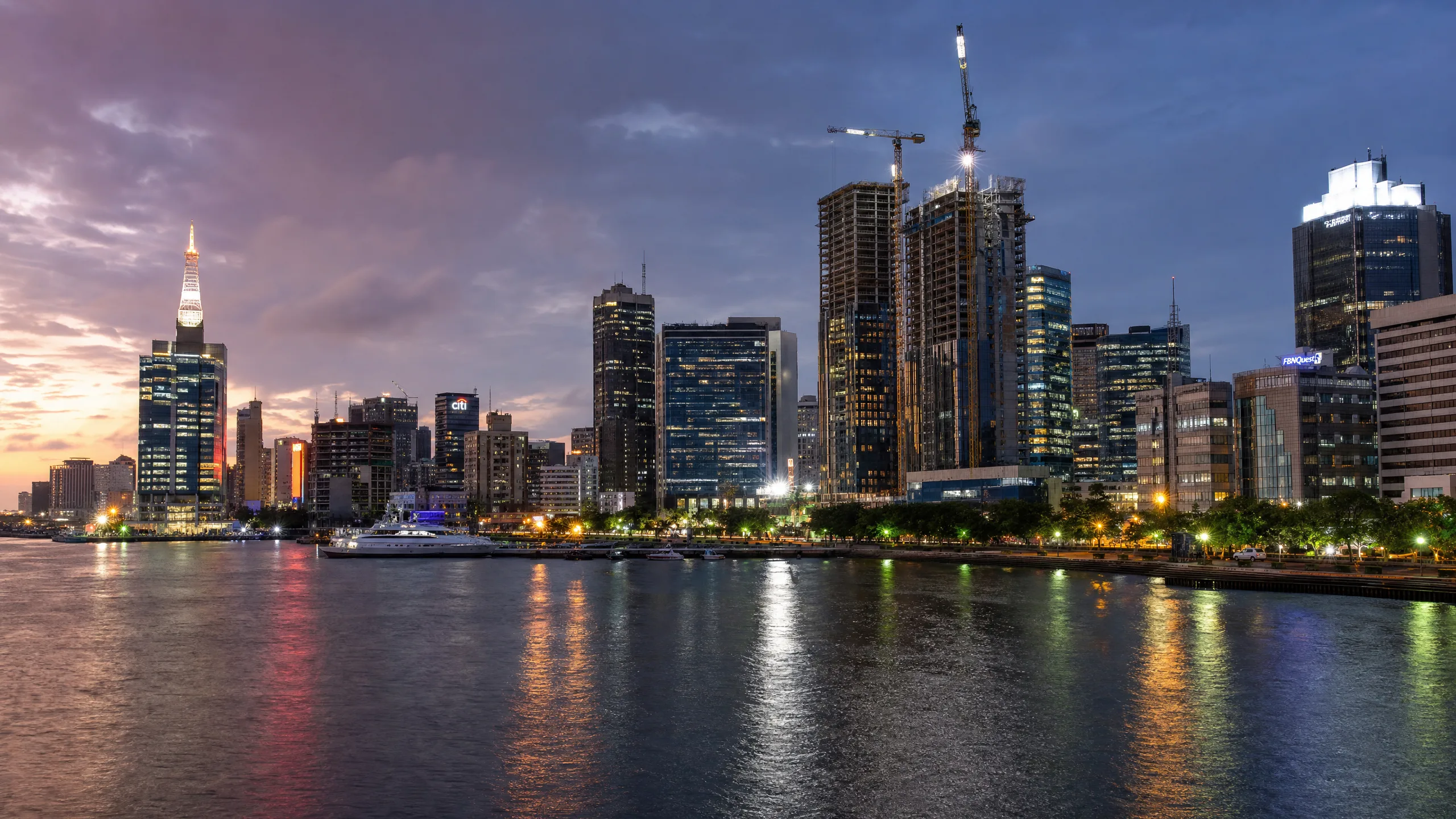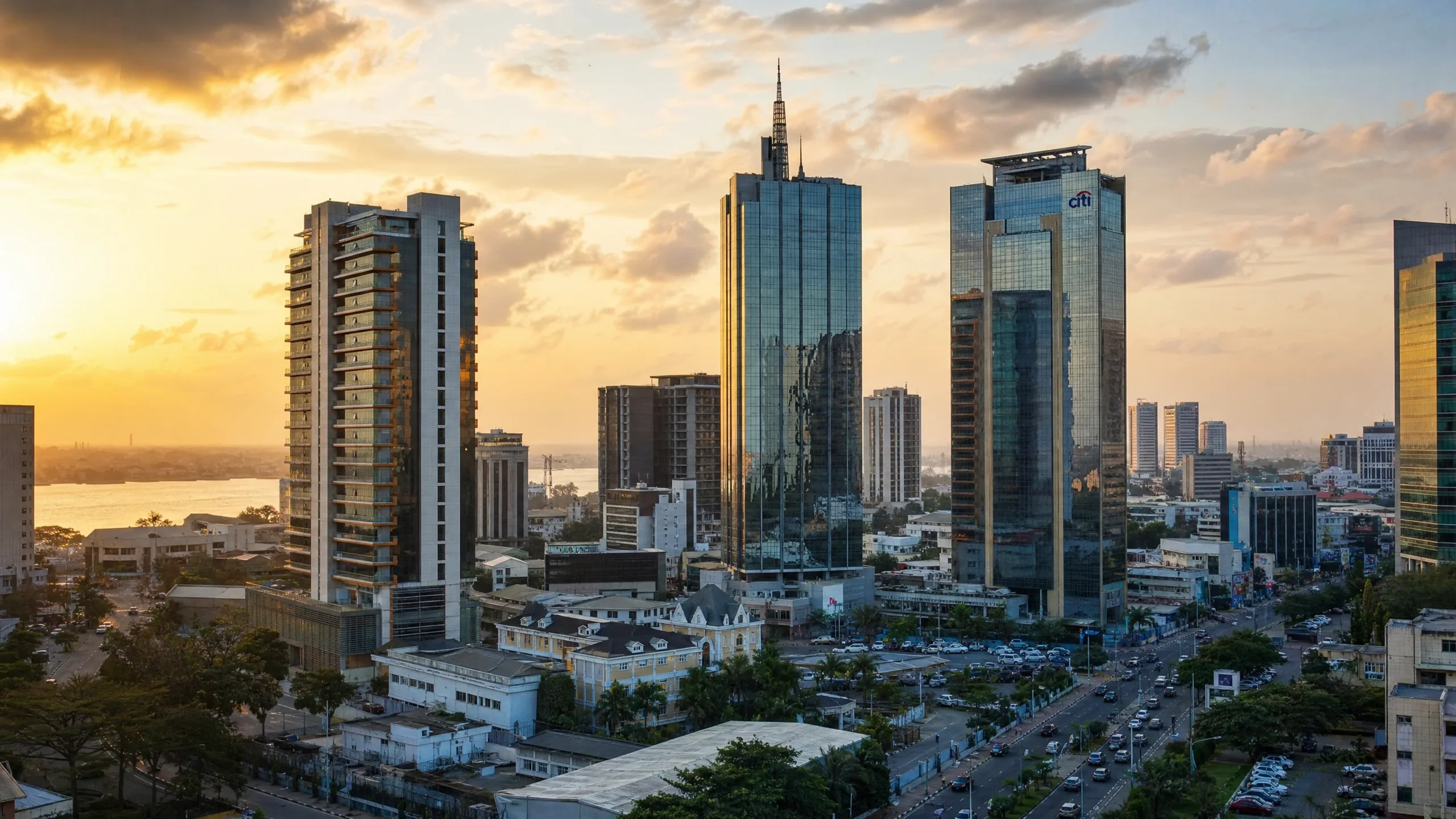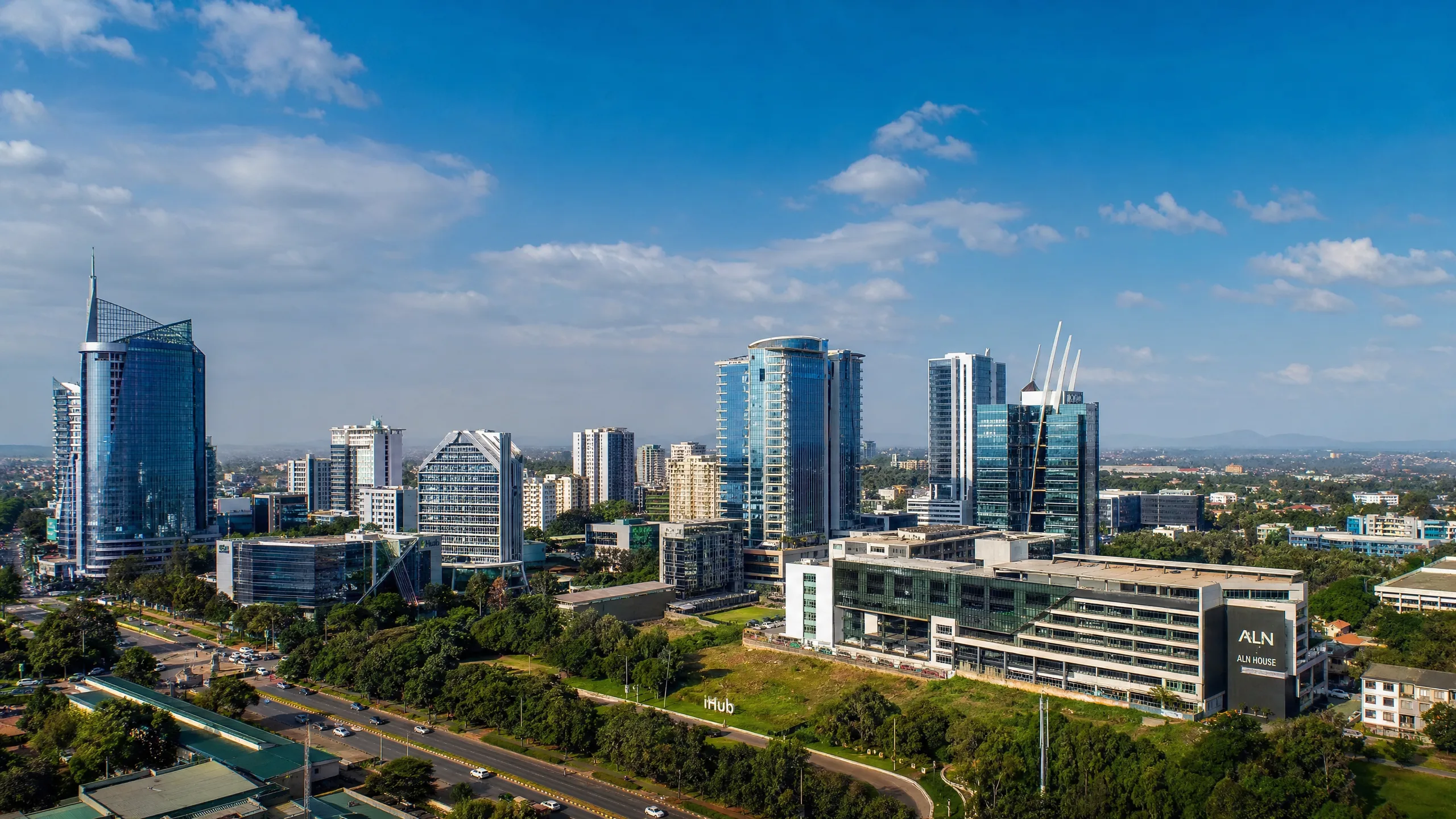
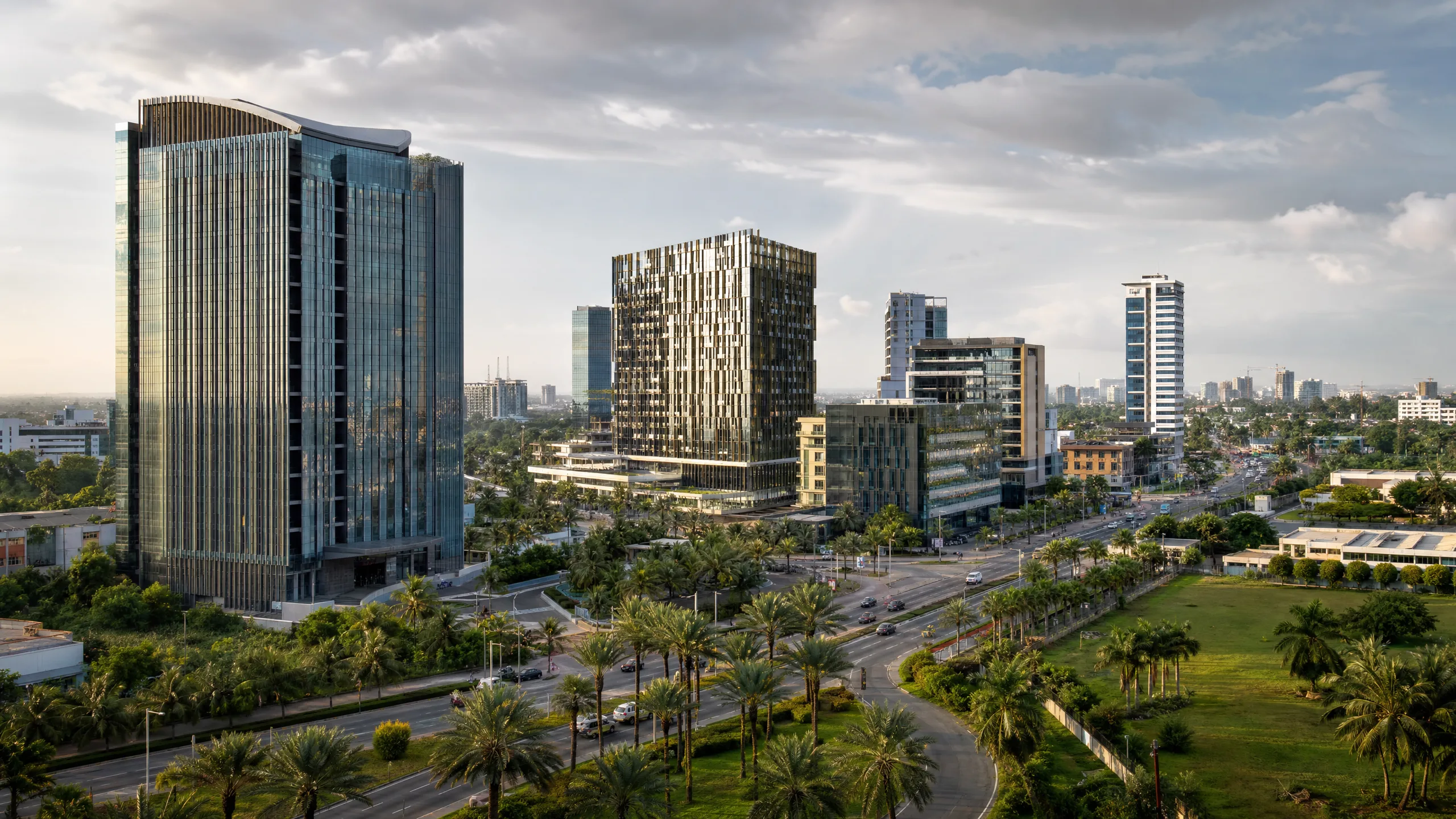
Accra's real estate market is rapidly transforming into a premier investment destination, driven by a housing deficit of 1.8 million units and robust rental yields of 8-11%.
The skyline of Accra is undergoing a profound transformation, signaling its emergence as a formidable force in West Africa's economic landscape. As the capital of a nation that recently recorded a 6.9% year-on-year economic growth rate, Accra is attracting significant attention from institutional investors and diaspora capital. With a housing deficit of 1.8 million units nationwide and a metropolitan population exceeding 5 million, the demand for quality residential and commercial spaces has never been higher. This dynamic environment presents a compelling opportunity for those looking to capitalize on Africa's third-fastest-growing property market, where strategic investments are yielding substantial returns.
The Resilience of Accra's Residential Market
Accra's residential sector demonstrates remarkable resilience and growth, characterized by distinct geographical variations that offer diverse investment avenues. Premium neighborhoods like East Legon continue to command high valuations, with properties averaging $740,000 and delivering impressive rental yields of 9-10%. These areas benefit from excellent infrastructure, international schools, and vibrant commercial hubs, making them highly sought after by expatriates and affluent locals. Meanwhile, Cantonments remains the pinnacle of luxury, with property rates reaching $1,500 to $2,000 per square meter, driven by diplomatic presence and limited land availability.
Beyond the ultra-premium segments, mid-tier neighborhoods such as Spintex are emerging as high-value investment zones. Offering three-bedroom homes starting from $75,000, these areas cater to the expanding middle class and provide excellent capital appreciation potential. The market's fundamental strength lies in its severe undersupply; with only 800,000 residential units available for a rapidly growing urban population, the structural imbalance guarantees sustained demand and upward pressure on property values.
Commercial Real Estate: A Sector in Recovery
The commercial real estate landscape in Accra is experiencing a robust recovery, particularly in the Grade A office and industrial segments. Following the disruptions of recent years, prime office spaces are now commanding $25 to $28 per square meter monthly. The total stock of Grade A office space stands at approximately 145,000 square meters, with steady occupancy rates supported by multinational corporations establishing their West African headquarters in the city.
The industrial sector is showing exceptional momentum, with yields reaching 11-14%. The expansion of port facilities in Tema and improved logistics infrastructure have driven demand for modern warehousing and specialized industrial complexes. Facilities in strategic locations are commanding premium rates, reflecting the broader economic shift towards enhanced domestic production and regional trade integration. Retail spaces also remain strong, with prime shopping centers achieving significant rental premiums, supported by a growing consumer class.
Macroeconomic Drivers and Infrastructure Investment
Ghana's macroeconomic environment plays a pivotal role in shaping the real estate market's trajectory. The recent decline in inflation to 13.7% and the stabilization of the Cedi have restored investor confidence and provided a more predictable environment for long-term capital deployment. While high interest rates, currently around 28%, constrain traditional mortgage accessibility, this has created a unique market dynamic dominated by cash purchasers and institutional capital, reducing the risk of debt-fueled asset bubbles.
Significant infrastructure investments are acting as major catalysts for property value appreciation. Projects such as the $1.2 billion Marine Drive Accra waterfront development and the extensive National Flood Control Programme are transforming the urban landscape. These initiatives not only improve the quality of life but also unlock new areas for premium development, creating substantial value for early investors in adjacent zones.
Demographic Trends and Foreign Direct Investment
The demographic profile of Ghana strongly supports long-term real estate growth. With a median age of 21.5 years and an urbanization rate projected to reach 65% by 2030, the rate of household formation is accelerating rapidly. This demographic dividend ensures a continuous pipeline of demand for both rental and owner-occupied housing. Furthermore, strong remittance flows, which reached $4.6 billion in 2023, provide significant purchasing power, particularly in the premium and mid-market segments.
Foreign direct investment continues to flow into the sector, with over 2,000 luxury units currently in the development pipeline. The market is increasingly attracting sophisticated capital looking for diversification and high yields. However, the affordability challenge remains acute for the majority of the population, highlighting the urgent need for scalable, affordable housing solutions—a segment that offers massive untapped potential for innovative developers and impact investors.
The Future: Digital Infrastructure and Tokenization
As Accra solidifies its position as a premier real estate hub, the integration of digital infrastructure and asset tokenization represents the next frontier of growth. Platforms like AfriVest are pioneering the digitization of real estate assets, democratizing access to high-value properties and enhancing market liquidity. By leveraging blockchain technology to fractionalize ownership, these platforms are breaking down traditional barriers to entry, allowing a broader base of investors to participate in Accra's lucrative property market. This digital transformation will not only increase capital inflows but also introduce unprecedented transparency and efficiency, positioning Accra at the vanguard of Africa's real estate evolution.