Angola's strategic exit from OPEC and its 1.13 million barrels daily oil production present unprecedented opportunities for digital asset tokenization in Africa.
In the dynamic landscape of global energy markets, few narratives are as compelling as Angola's recent strategic pivot. As Southern Africa's petroleum powerhouse, Angola has long been a cornerstone of the continent's energy sector. However, its bold decision to exit the Organization of the Petroleum Exporting Countries (OPEC) at the dawn of 2024 marked a watershed moment, signaling a renewed commitment to maximizing its sovereign resource potential. For institutional investors and policymakers, Angola's trajectory offers a fascinating case study in economic resilience and the untapped potential for digital infrastructure to revolutionize traditional asset classes.
The Post-OPEC Era: Reclaiming Production Sovereignty
Angola's departure from OPEC was driven by a fundamental disagreement over production quotas, a move that underscored the nation's determination to dictate its own economic destiny. In the first three quarters of 2024, following its exit, Angola's average daily oil production reached 1.134 million barrels, representing a modest but significant 4 percent increase compared to the same period in the previous year. This resurgence is a testament to the country's robust infrastructure and the enduring appeal of its petroleum reserves. By shedding the constraints of OPEC quotas, Angola has positioned itself to attract fresh foreign direct investment, particularly in its highly lucrative offshore drilling operations.
Offshore Drilling: The Engine of Angola's Economy
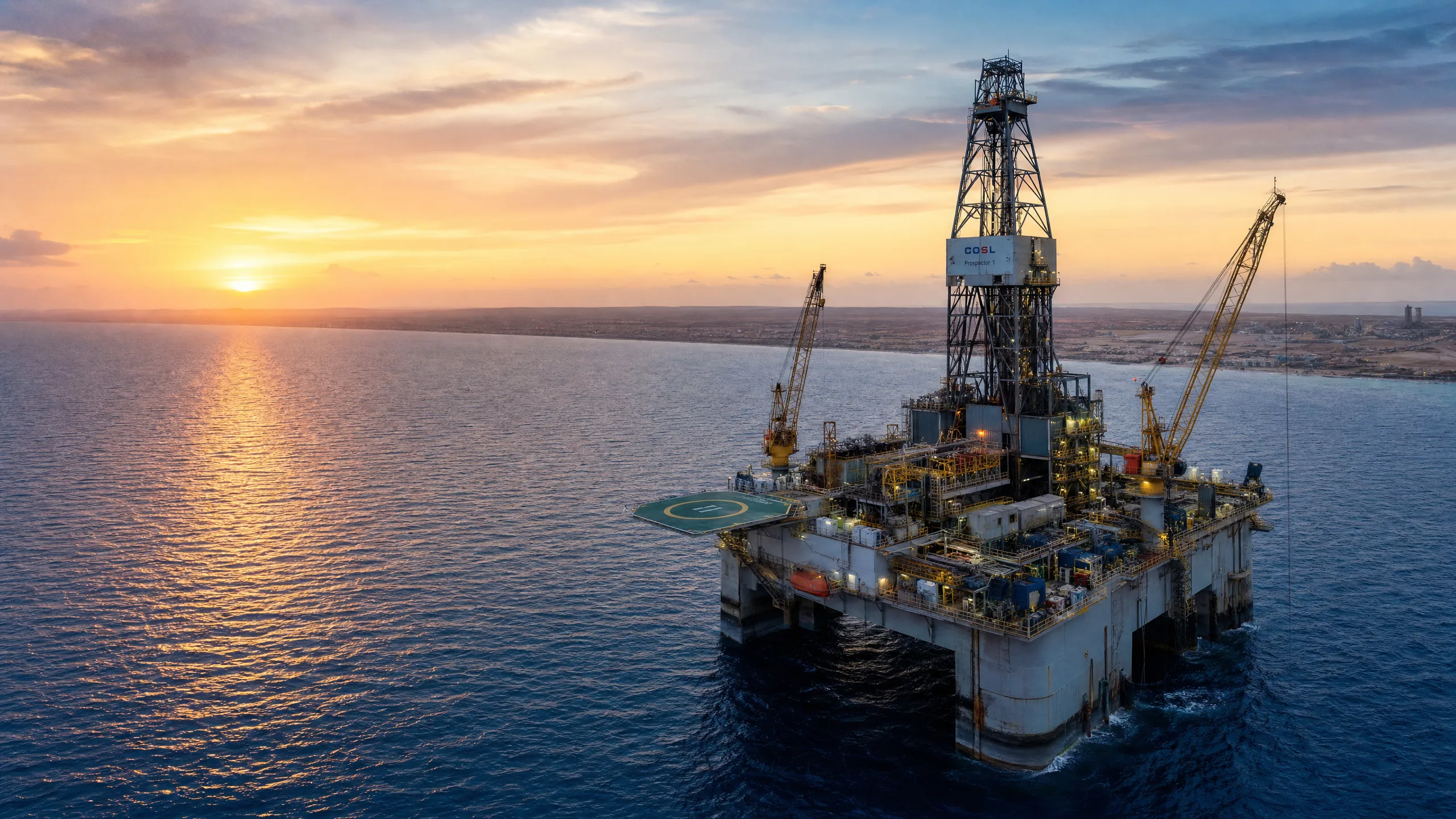
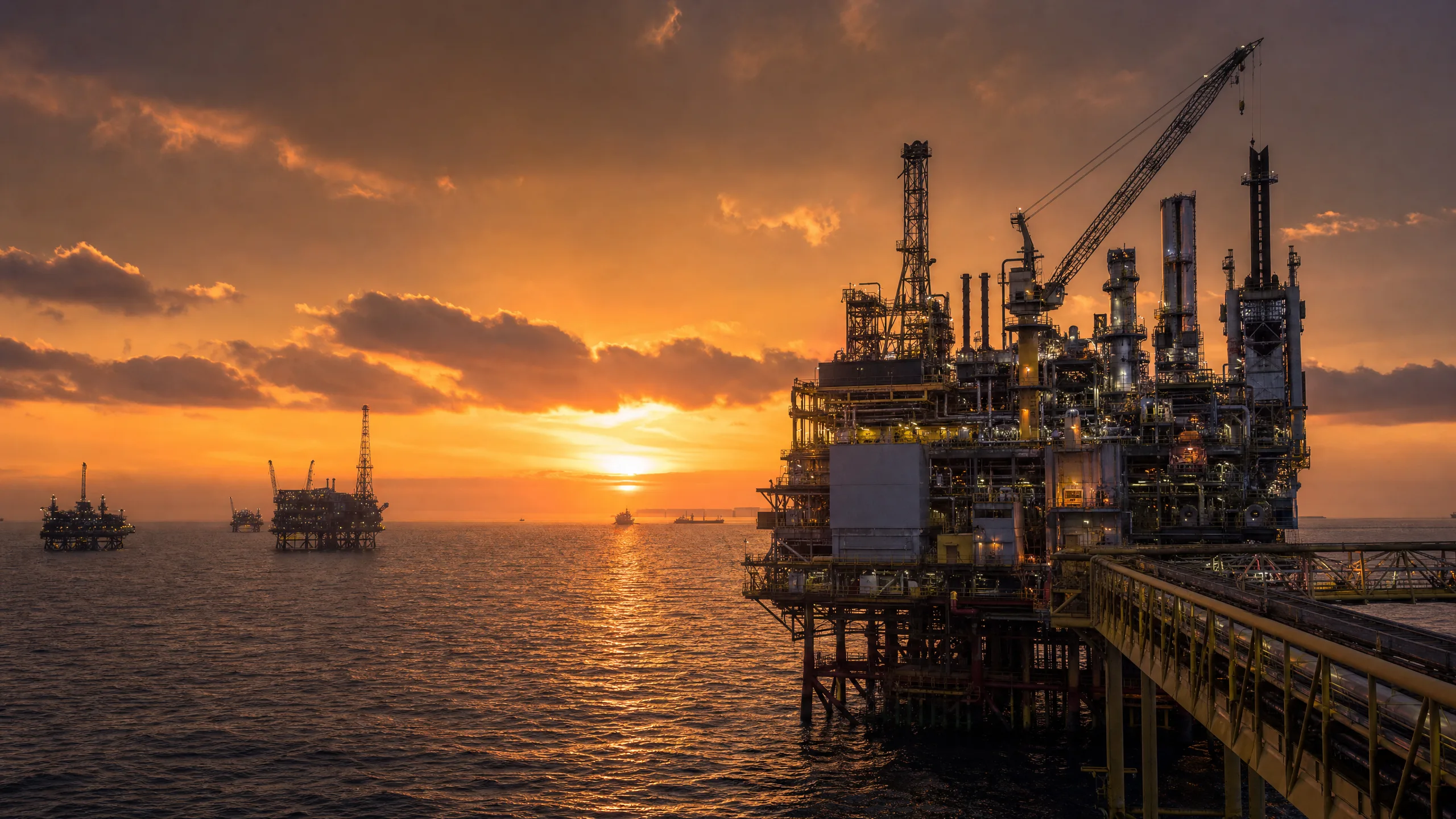
The lifeblood of Angola's petroleum industry flows from its deepwater and ultra-deepwater offshore fields. These technological marvels are not merely feats of engineering; they are the economic engine of the nation. Oil production contributes approximately 50% of Angola's Gross Domestic Product (GDP) and accounts for a staggering 86% to 90% of its total export earnings, translating to roughly $31 billion to $32.5 billion annually. Key offshore blocks, such as Block 17 (often referred to as the "Golden Block") and Block 32, operated by international energy majors, continue to yield substantial volumes of crude. The ongoing development of these fields is critical for sustaining production levels and offsetting natural decline rates in mature wells.
Regional Context and Economic Diversification
While oil remains the undisputed king of Angola's economy, the government is acutely aware of the vulnerabilities associated with over-reliance on a single commodity. The push for economic diversification is gaining momentum, with sectors such as agriculture and mining receiving increased attention. However, the petroleum industry will continue to provide the necessary capital to fund these diversification efforts. Within the broader context of Southern Africa, Angola's stability and consistent production output make it a vital energy supplier and a key player in regional economic integration. The nation's ability to balance its hydrocarbon wealth with sustainable development goals will be closely monitored by international observers.
The Digital Frontier: Tokenizing Africa's Assets
As Angola navigates its post-OPEC future, the intersection of traditional natural resources and emerging digital technologies presents a transformative opportunity. Platforms like AfriVest are at the forefront of this revolution, pioneering the digitization and tokenization of Africa's tangible assets. By leveraging blockchain technology, the immense value locked in Angola's oil reserves and related infrastructure can be fractionalized, offering unprecedented liquidity and access to a broader spectrum of global investors.
Looking ahead, the integration of digital infrastructure into Angola's petroleum sector could streamline operations, enhance transparency, and create novel investment vehicles. The tokenization of energy assets not only democratizes investment but also aligns with the growing demand for verifiable, ESG-compliant resource management. For institutional investors, Angola's 1.1 million barrels daily production is no longer just a statistic; it is a foundational asset ripe for the digital age, promising robust returns in a rapidly evolving financial ecosystem.