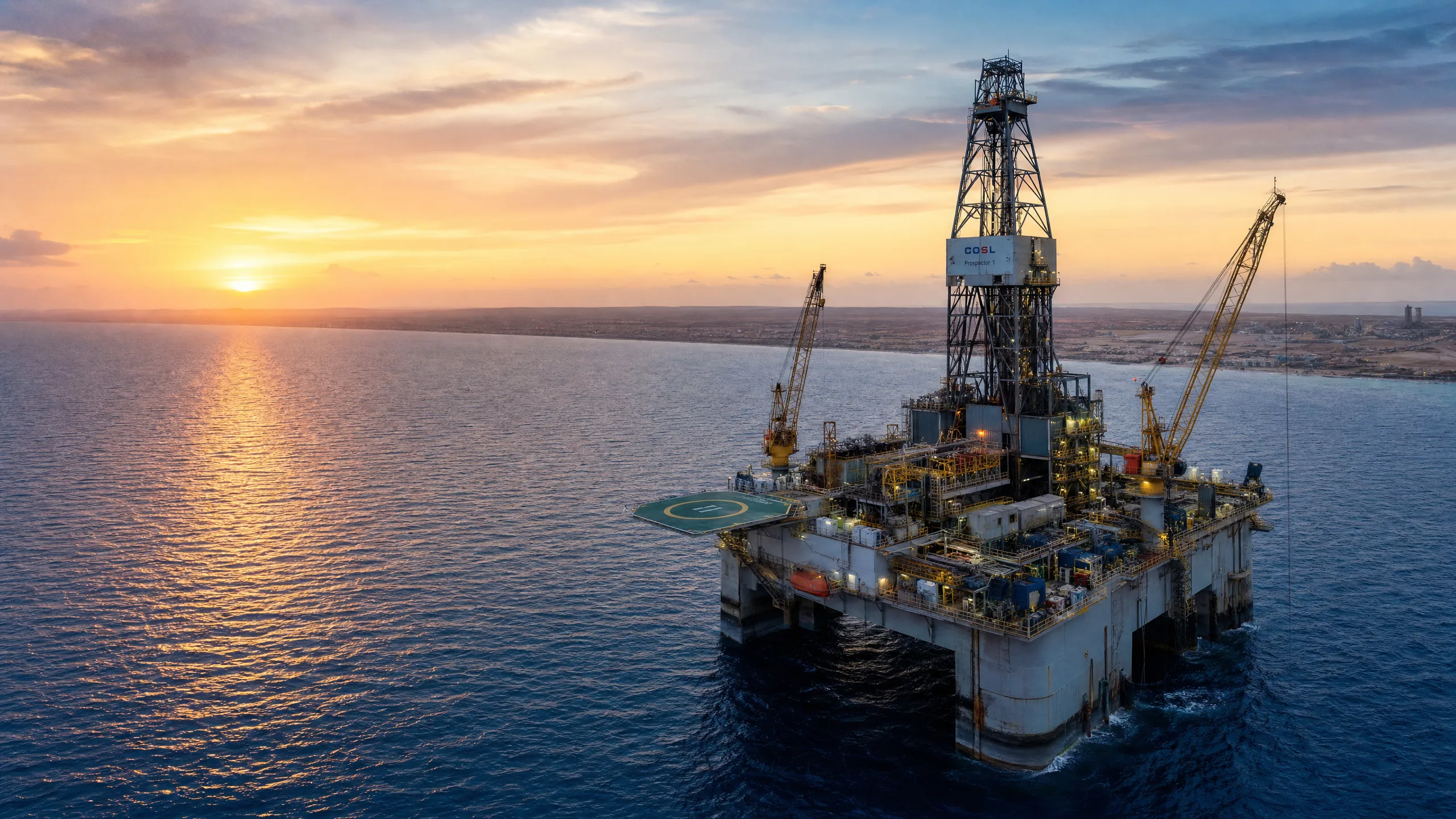
Senegal's offshore oil discovery, particularly the Sangomar field, is reshaping the economic landscape of West Africa. With an estimated $10 billion investment potential over the next decade, this monumental find is not just a milestone for Senegal but a catalyst for regional energy dynamics. As the first offshore oil project in the country, Sangomar is setting a precedent for how African nations can leverage natural resources to drive sustainable economic growth and attract institutional investment.
The Sangomar Field: A Game Changer for Senegal
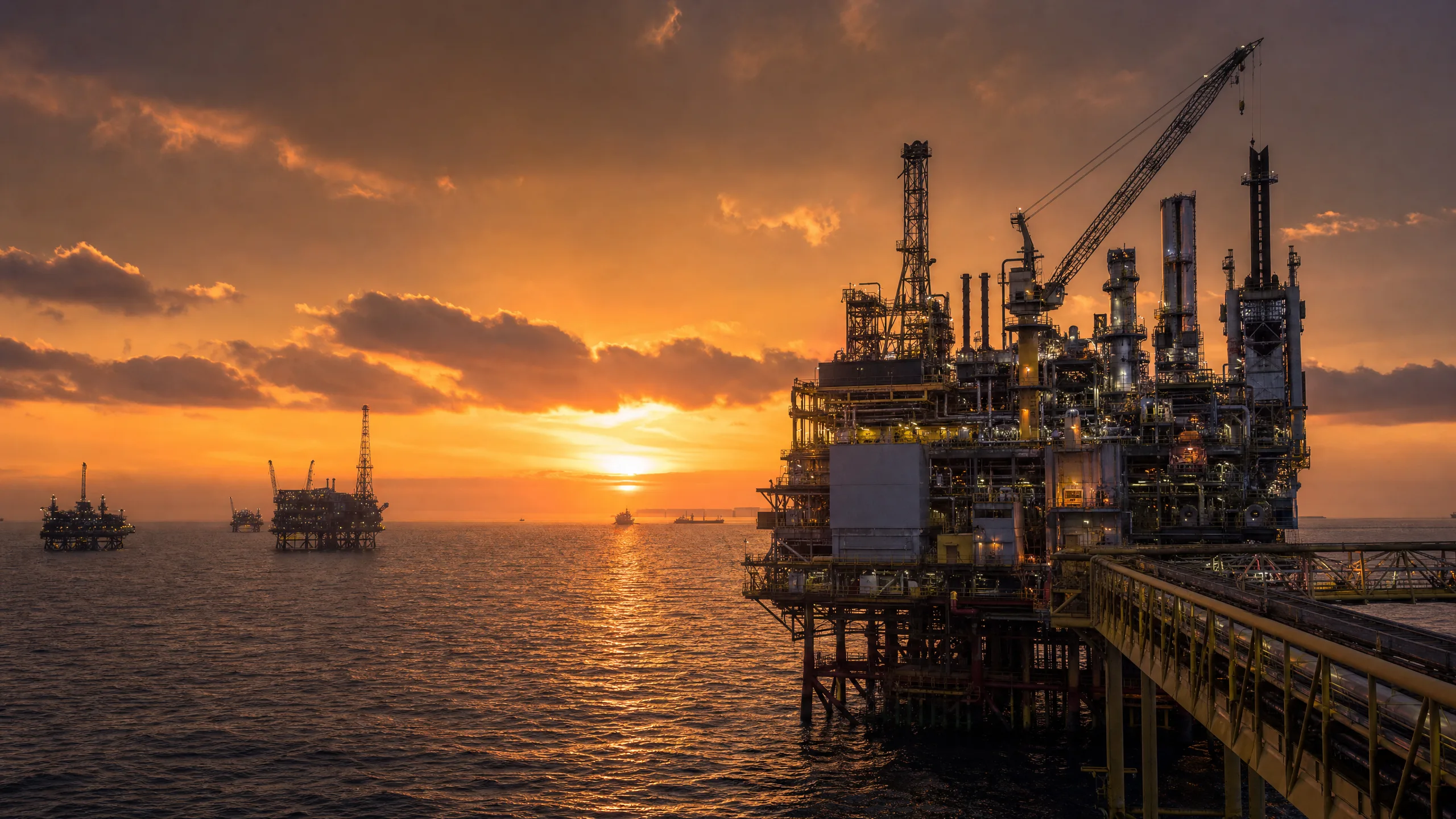
The Sangomar field, located approximately 100 kilometers south of Dakar, is a cornerstone of Senegal's energy strategy. Discovered in 2014, the field spans over 400 square kilometers in water depths ranging from 700 to 1,400 meters. The initial phase of the project, operated by Woodside Energy in partnership with Petrosen, has a production capacity of 100,000 barrels per day (b/d). In its first year, the field exceeded expectations, producing 16.9 million barrels against an initial target of 11.7 million barrels, generating significant revenue for the state.
Economic Impact and GDP Contribution
The economic implications of the Sangomar discovery are profound. In 2024, Senegal recorded a 6.9% economic growth rate, significantly up from 4.3% in 2023, driven primarily by the commencement of oil production. The International Monetary Fund (IMF) estimates that government revenues from oil and gas will average 1.5 percent of GDP, or 6 percent of all government revenues. This influx of capital is crucial for funding infrastructure projects, healthcare, and education, aligning with the government's Senegal 2050 National Agenda for Transformation.
Strategic Infrastructure and Regional Collaboration
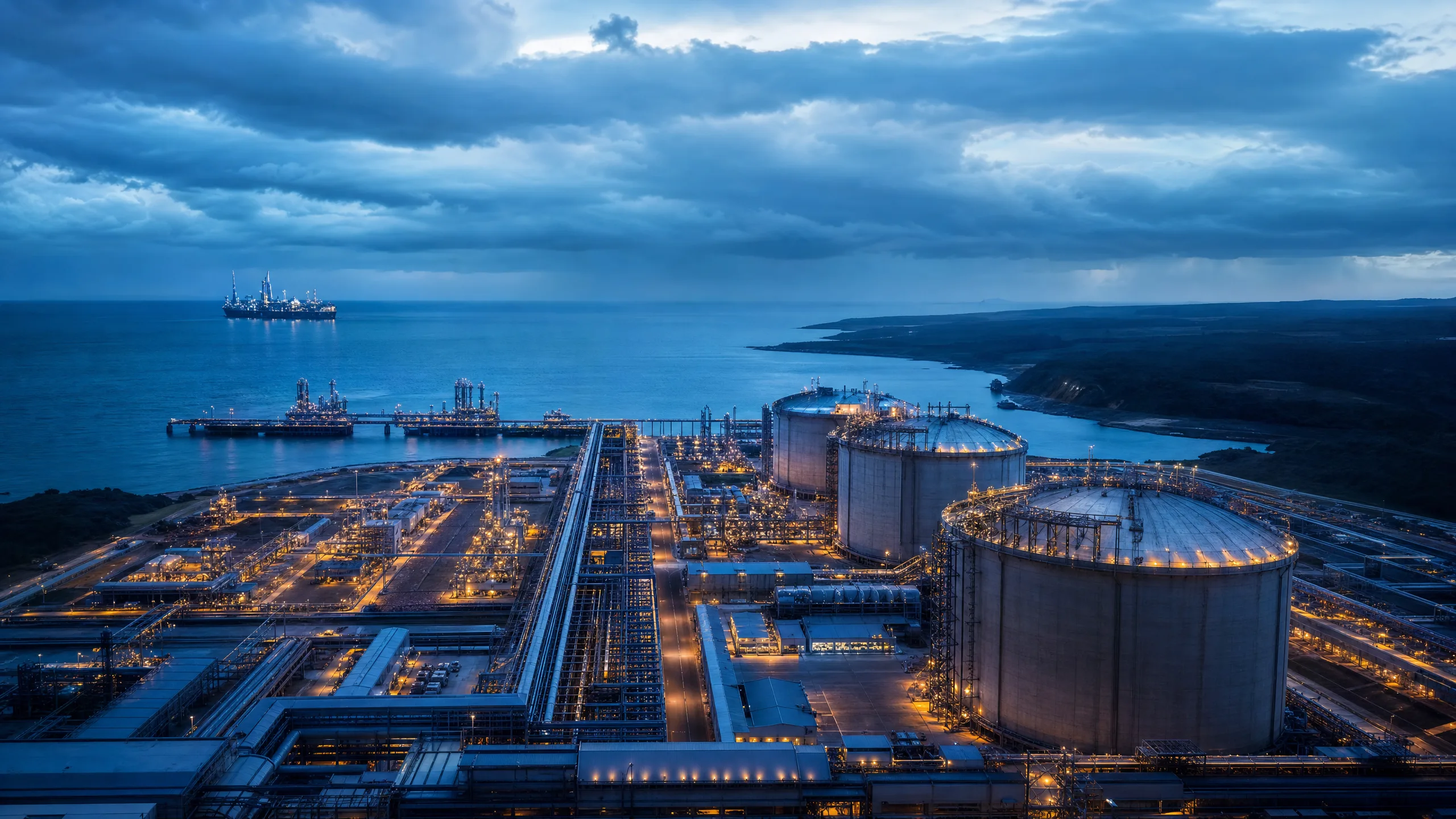
Senegal's approach to managing its newfound wealth involves strategic investments in infrastructure. The development of the $1.1 billion Ndayane Port project and the modernization of the Port of Dakar are testaments to this vision. Furthermore, Senegal is deepening energy ties with neighboring countries like Nigeria, aiming to foster a collaborative environment that attracts foreign direct investment (FDI). The region is re-engaging international oil companies (IOCs) in deepwater exploration, signaling a robust future for West Africa's energy sector.
Governance and Transparency Reforms
With great wealth comes the responsibility of transparent governance. Senegal has made significant strides in this area, achieving a 90% score in EITI compliance for oil and gas sector transparency in 2022. The government has implemented digital tax systems that increased revenue by 10% in 2024. These reforms are essential for building trust with institutional investors and ensuring that the benefits of resource extraction are equitably distributed among the population.
Conclusion: The Future of Digital Infrastructure and Tokenization
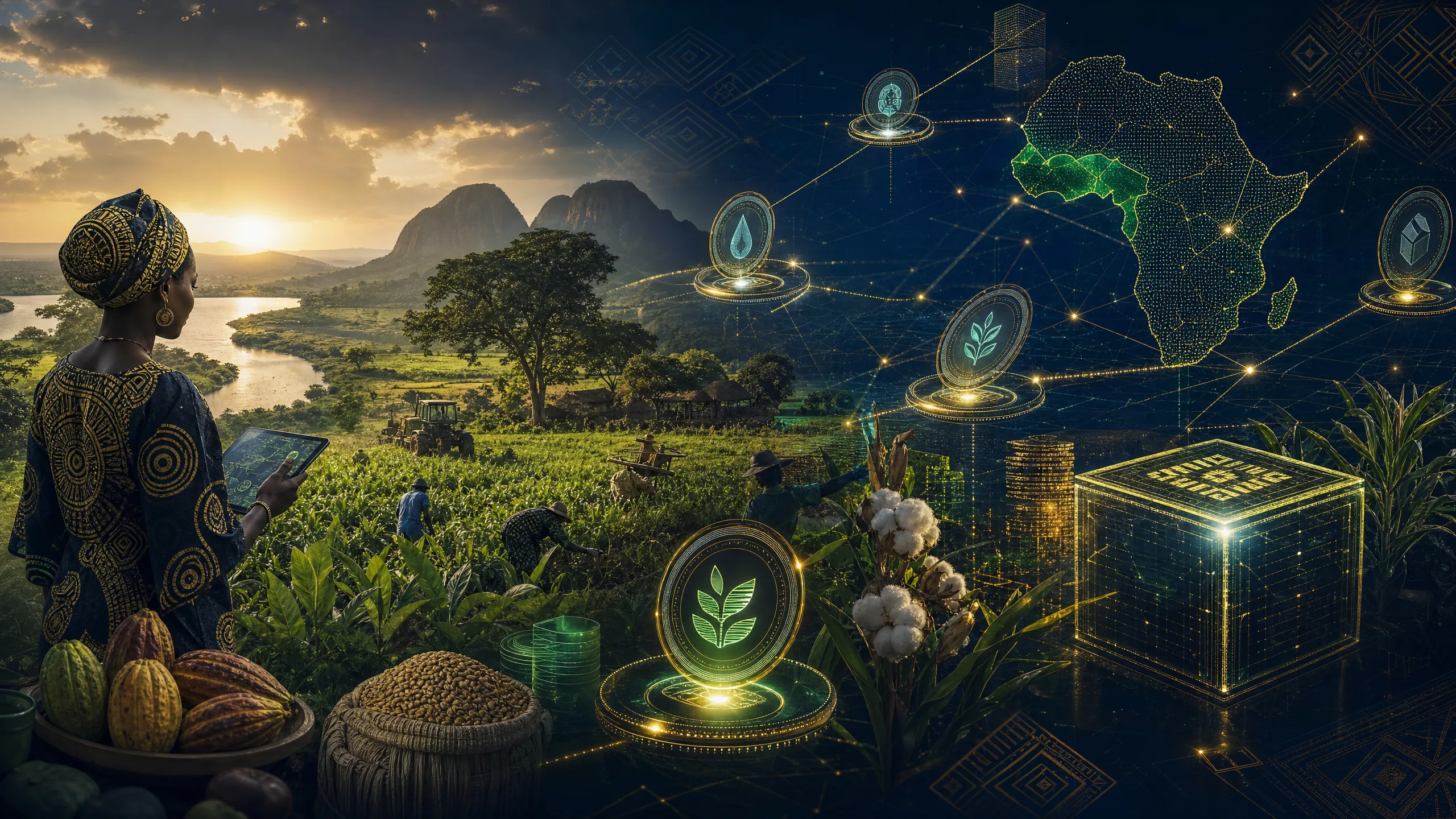
As Senegal navigates its resource renaissance, the integration of digital infrastructure and asset tokenization presents a unique opportunity. Platforms like AfriVest can play a pivotal role in digitizing Africa's assets, offering institutional investors transparent and efficient avenues to participate in the continent's growth story. By leveraging blockchain technology, Senegal can further enhance the transparency and accessibility of its natural resource wealth, setting a benchmark for the rest of Africa.