Explore the $200B investment opportunity in Africa's food security. Discover how agricultural development and digital food systems solve hunger in 2025.
Despite holding approximately 60% of the world's uncultivated arable land, the African continent stands at a critical juncture in its agricultural evolution. In 2025, the paradox of abundant natural resources juxtaposed with rising food import bills—projected to exceed $110 billion annually by the end of the decade—has captured the attention of global policymakers and institutional investors alike. However, beneath the surface of these systemic challenges lies an unprecedented economic frontier: a $200 billion annual investment opportunity to transform Africa's food systems. For platforms like AfriVest, which are pioneering the digitization of Africa's assets, this sector represents not just a humanitarian imperative, but one of the most compelling alternative investment landscapes of the 21st century. The intersection of agricultural development and financial technology is poised to redefine global supply chains.
The Current Landscape: GDP Contributions and Production Realities
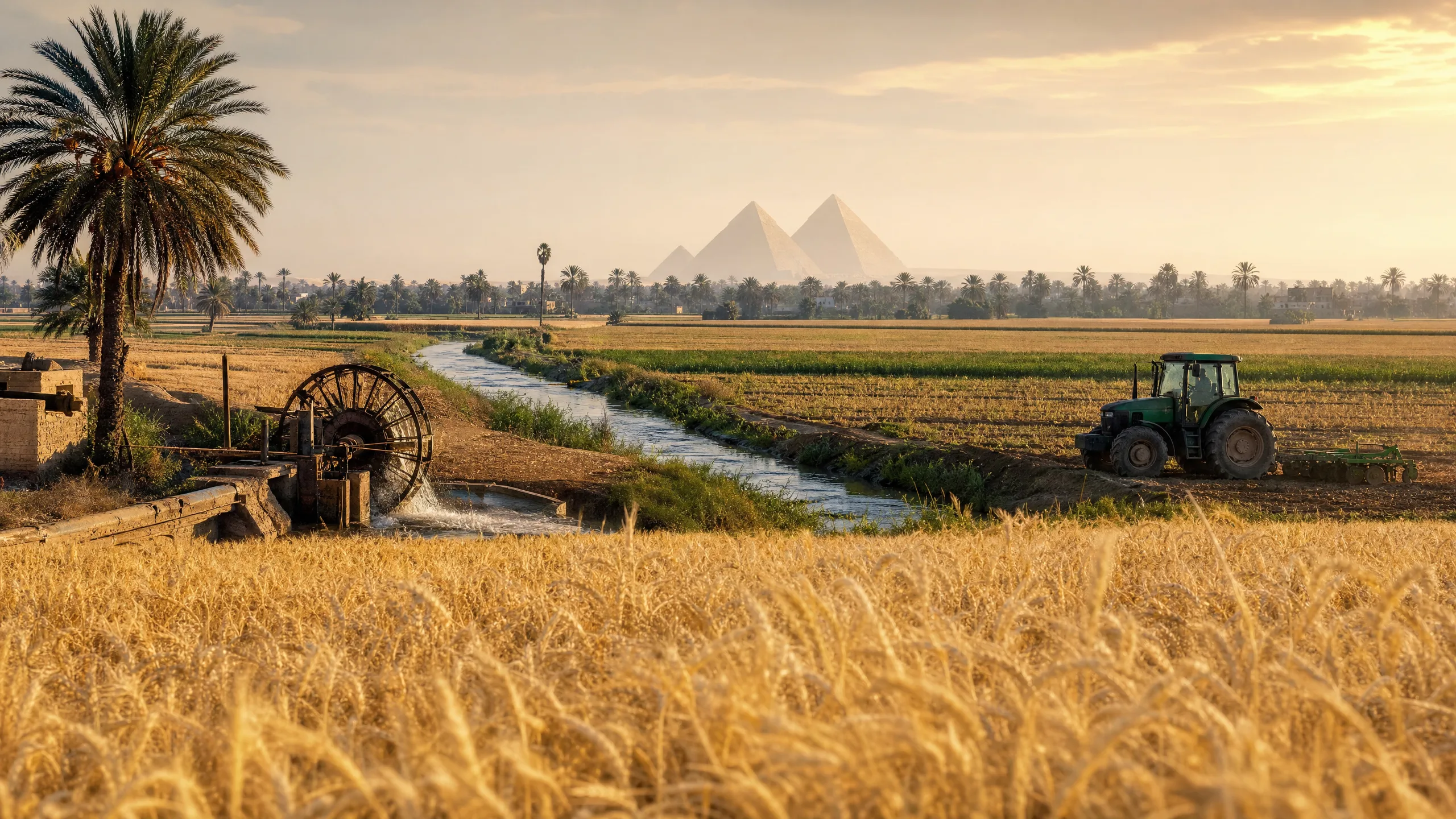
Agriculture remains the undisputed economic backbone of the African continent, contributing an average of 15% to 20% to the continental GDP, and employing over 60% of the total labor force. In agrarian-heavy nations like Ethiopia, Mali, and Kenya, this figure frequently surges past 30%, underscoring the sector's foundational role in macroeconomic stability and rural livelihoods. Yet, aggregate production figures reveal a stark efficiency gap that demands immediate capital intervention.
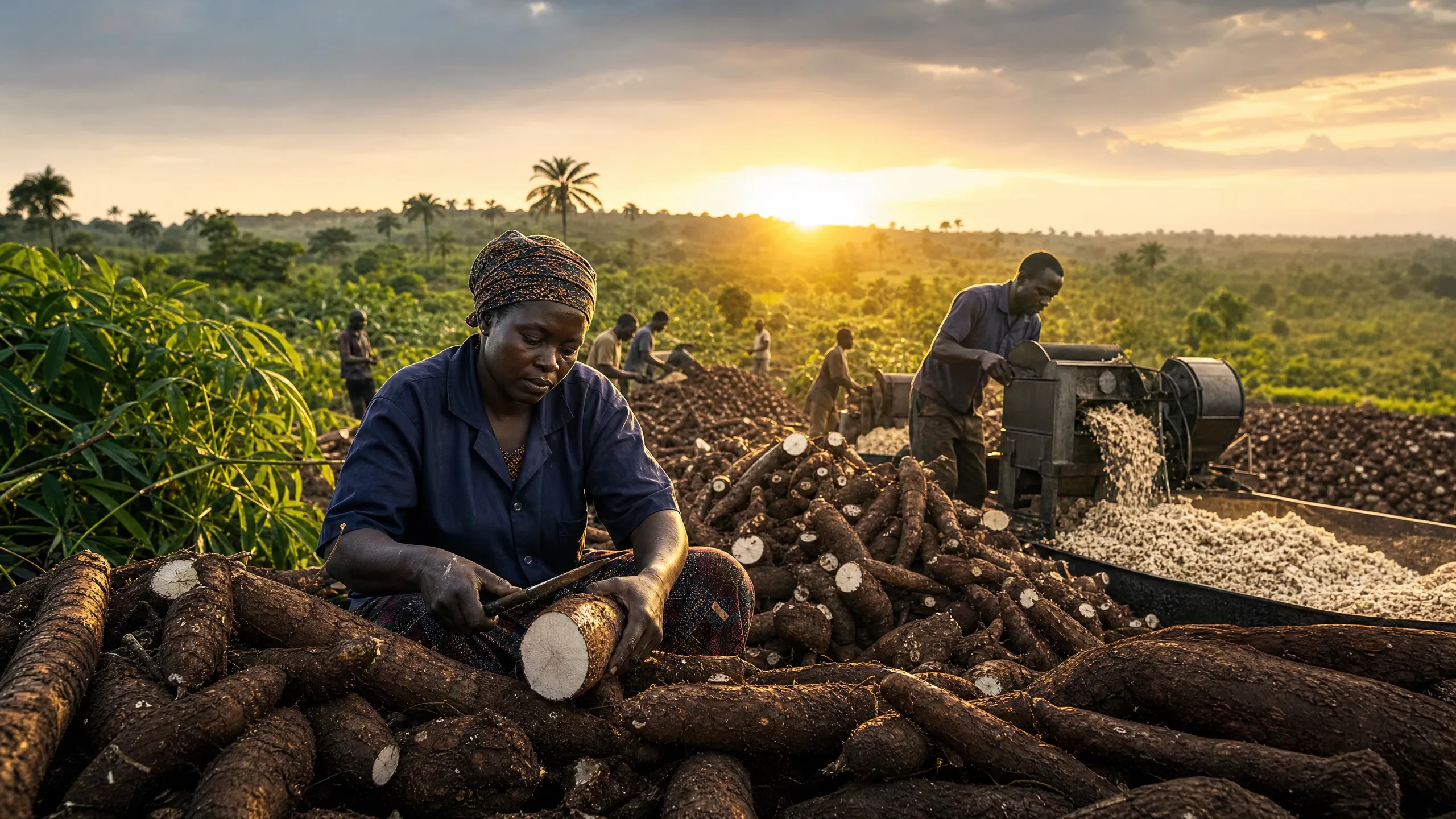
For instance, while Nigeria stands as the world's largest producer of cassava, yielding over 60 million metric tons annually, its per-hectare yield remains significantly below global averages due to suboptimal mechanization and chronic input deficits. Similarly, South Africa's commercial maize production, which typically yields around 15 to 16 million tons annually, demonstrates the immense potential of advanced agricultural development when backed by adequate capital and infrastructure. However, the broader sub-Saharan region still struggles with fragmented supply chains and undercapitalized farming operations. To bridge this gap, institutional capital must pivot from traditional, grant-based aid models toward scalable, yield-enhancing commercial investments that treat African agriculture as a high-growth, institutional-grade asset class.
Critical Bottlenecks in Agricultural Development
The path to continental food security is obstructed by several structural bottlenecks, chief among them being severe infrastructure deficits, climate volatility, and limited access to critical agricultural inputs. The fertilizer supply chain serves as a prime example of both the challenge and the opportunity. Morocco's OCP Group, operating the massive Khouribga and Benguerir phosphate mines, controls over 70% of global phosphate reserves and acts as a linchpin in African food security. Despite OCP's strategic commitment to supplying millions of tons of customized fertilizers to African nations, logistical friction, poor road networks, and a lack of last-mile financing often prevent these vital inputs from reaching the smallholder farmers who need them most.
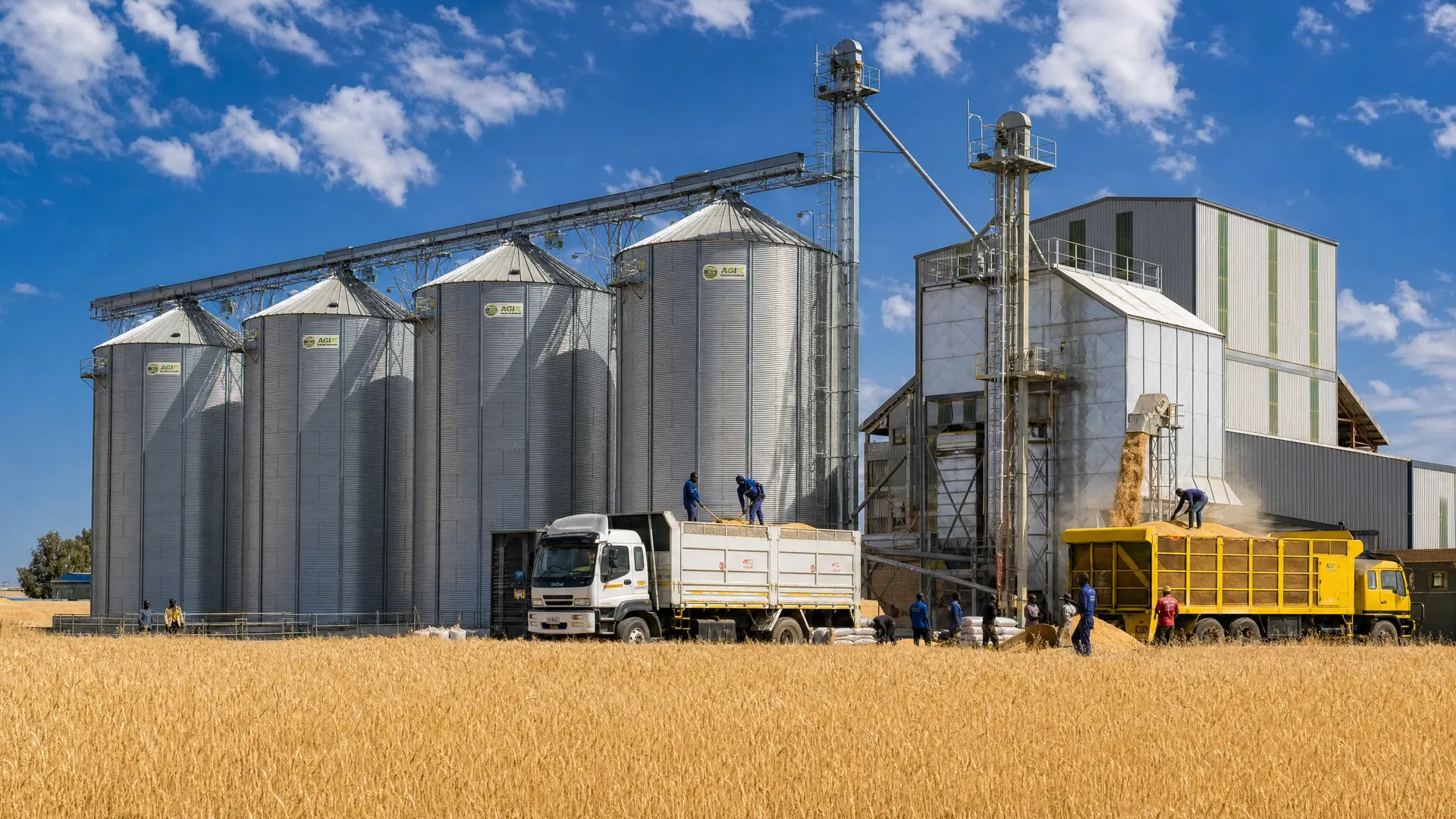
Furthermore, post-harvest losses remain a severe economic drain, with up to 30% of agricultural output perishing before reaching the market due to inadequate cold storage, processing facilities, and transport infrastructure. Addressing these bottlenecks requires comprehensive hunger solutions that integrate physical infrastructure development with sophisticated financial instruments, ensuring that hard-won production gains are not erased by supply chain inefficiencies.
Innovative Hunger Solutions and Yield Optimization
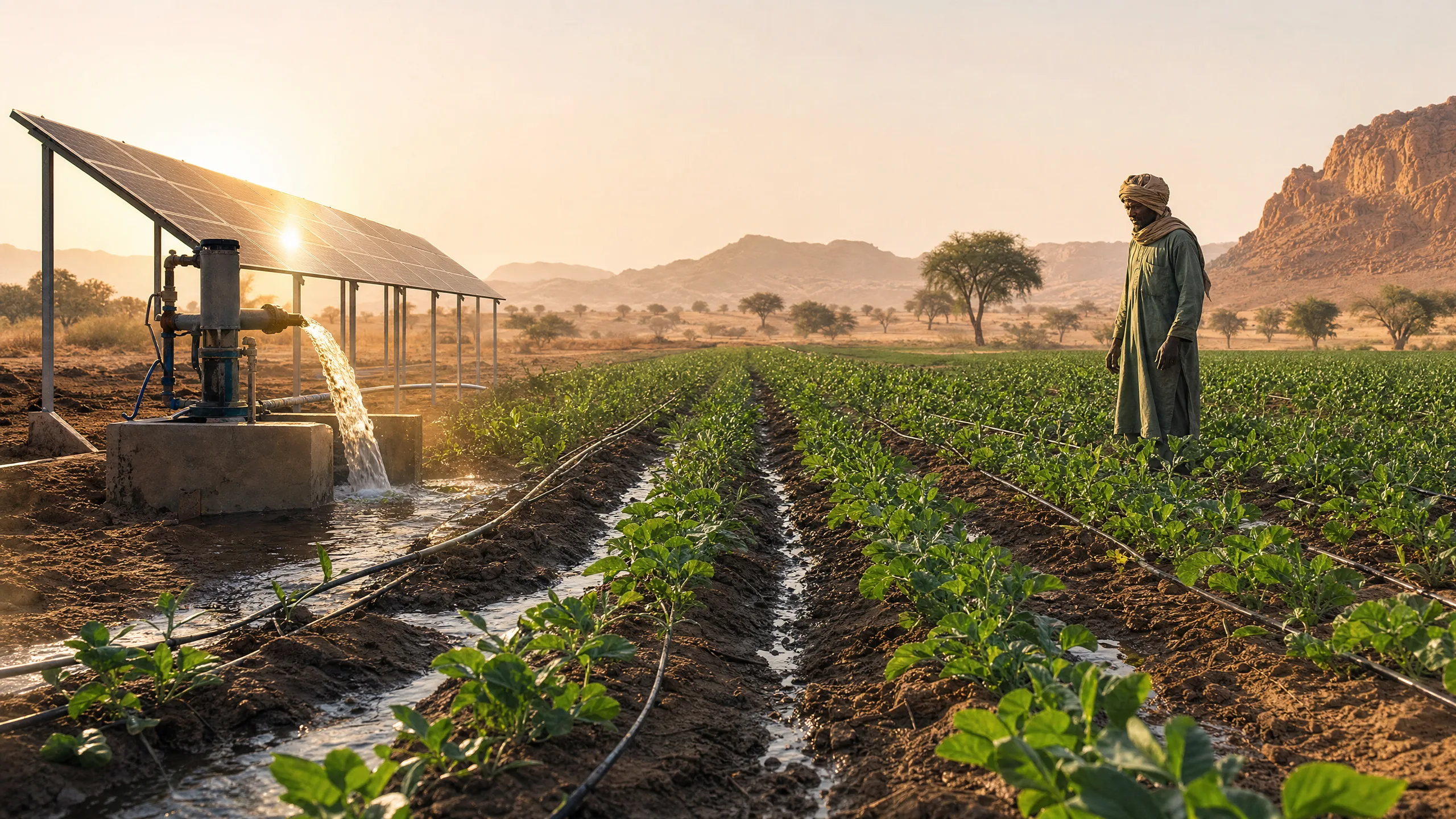
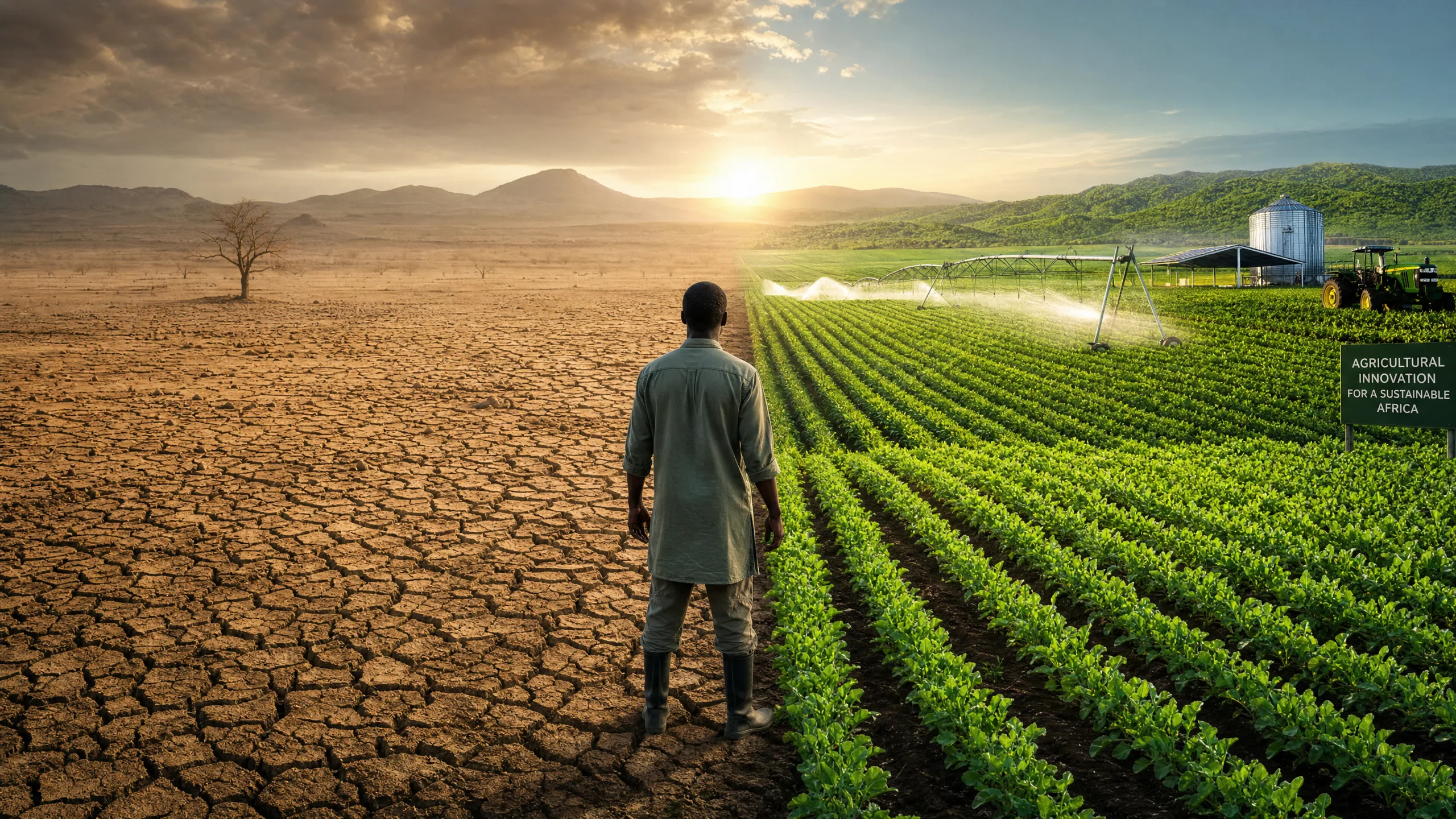
To reverse the tide of food insecurity, the continent is rapidly adopting innovative agritech solutions and climate-resilient farming practices. Precision agriculture, powered by satellite imagery, drone mapping, and IoT sensors, is gaining significant traction in technology hubs like Kenya and Rwanda. These tools allow commercial and smallholder farmers alike to optimize water usage, monitor crop health in real-time, and deploy inputs with pinpoint accuracy.
The deployment of drought-resistant seed varieties has also shown remarkable success in mitigating the impacts of erratic rainfall patterns across the Horn of Africa and the Sahel region. Moreover, the integration of regenerative agriculture is restoring degraded soils, enhancing long-term yield stability, and sequestering carbon. By shifting the focus from mere subsistence farming to commercial viability, these technological and ecological interventions are laying the groundwork for robust food systems capable of withstanding global supply shocks and climate-induced disruptions.
The $200 Billion Investment Opportunity
The transformation of African agriculture is not merely a developmental goal; it is a massive financial frontier waiting to be unlocked. Industry estimates indicate that raising the productivity level of African agriculture to close the yield gap requires an estimated $200 billion in annual funding. Currently, African agriculture receives less than 3% of global development funding, leaving a colossal void that private equity, venture capital, and forward-thinking institutional investors are uniquely positioned to fill.
This $200 billion opportunity encompasses the entire agricultural value chain—from primary production and agritech startups to large-scale processing facilities and export logistics. For European and North American asset managers, allocating even a fraction of their trillions in assets under management (AUM) to African food systems offers significant portfolio diversification, non-correlated assets, and attractive risk-adjusted returns. Furthermore, these investments drive measurable ESG (Environmental, Social, and Governance) impact, aligning perfectly with the mandates of modern institutional capital.
Digitizing Food Systems: The Path Forward
The ultimate catalyst for unlocking this $200 billion opportunity lies in the digitization of agricultural assets. Historically, the opacity of African agricultural markets, fragmented land registries, and the lack of verifiable yield data have deterred institutional capital. Today, digital platforms are revolutionizing how agricultural assets are originated, verified, and traded. By leveraging blockchain technology to create immutable records of land ownership, crop yields, and supply chain movements, the perceived risks of investing in African agriculture are being systematically dismantled.
Smart contracts can automate payments to farmers upon delivery, while tokenization allows large-scale agricultural projects—such as commercial farms, cold storage facilities, and processing plants—to be fractionalized. This democratizes access for a broader pool of investors and injects much-needed liquidity into the market. This digital infrastructure not only enhances transparency but also provides the scalable framework necessary to deploy capital efficiently across borders.
Conclusion
As we look beyond 2025, the narrative surrounding Africa food security is decisively shifting from one of chronic vulnerability to one of immense economic potential. The $200 billion funding gap is not a deterrent; rather, it is the blueprint for the next great wave of institutional investment. By embracing robust digital infrastructure and the tokenization of real-world agricultural assets, platforms like AfriVest are perfectly positioned to bridge the gap between global capital and local agricultural innovation. The future of global food systems will be written in Africa, and the integration of digital finance will be the powerful engine that drives this historic transformation, ensuring prosperity and food security for generations to come.