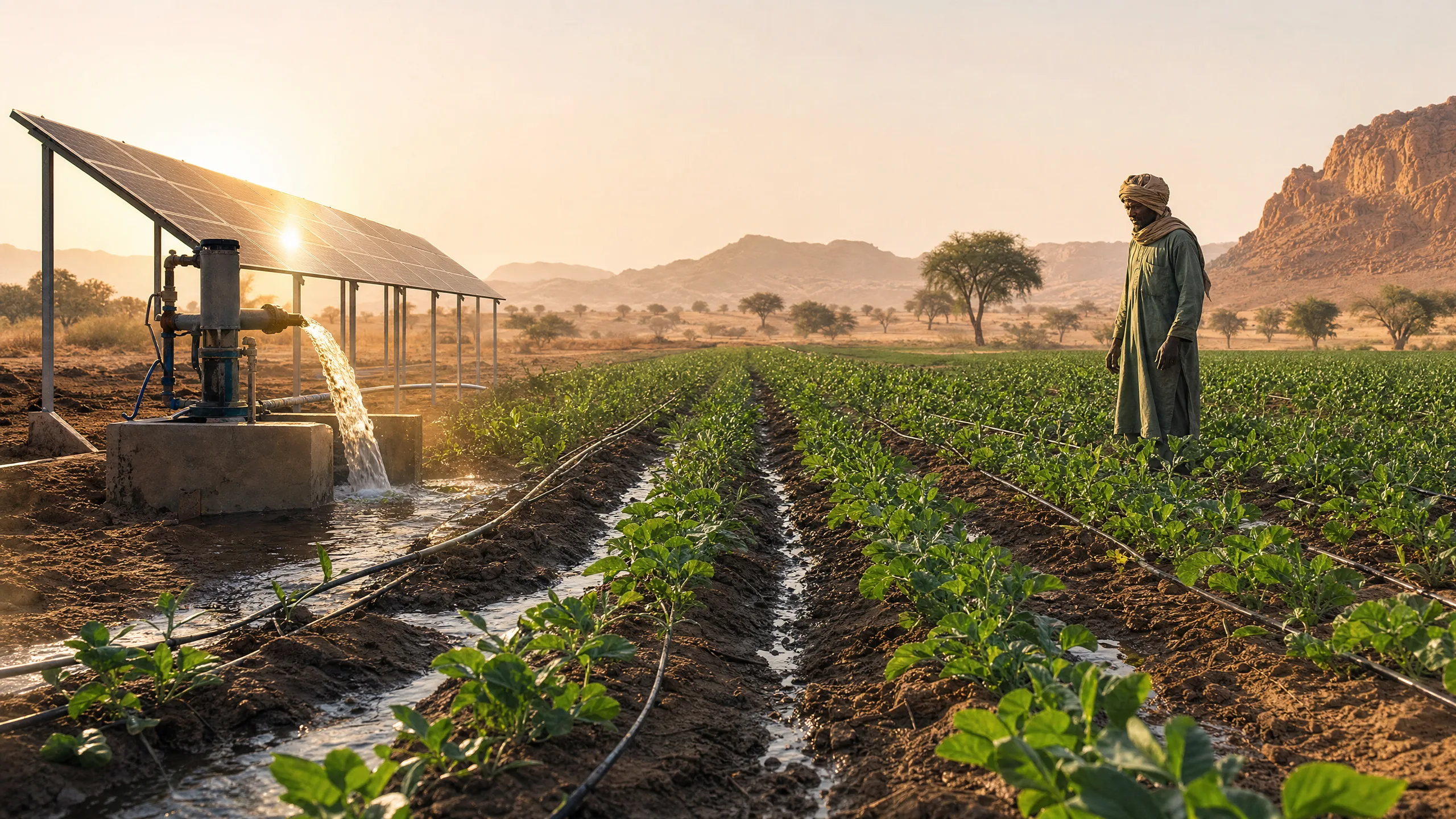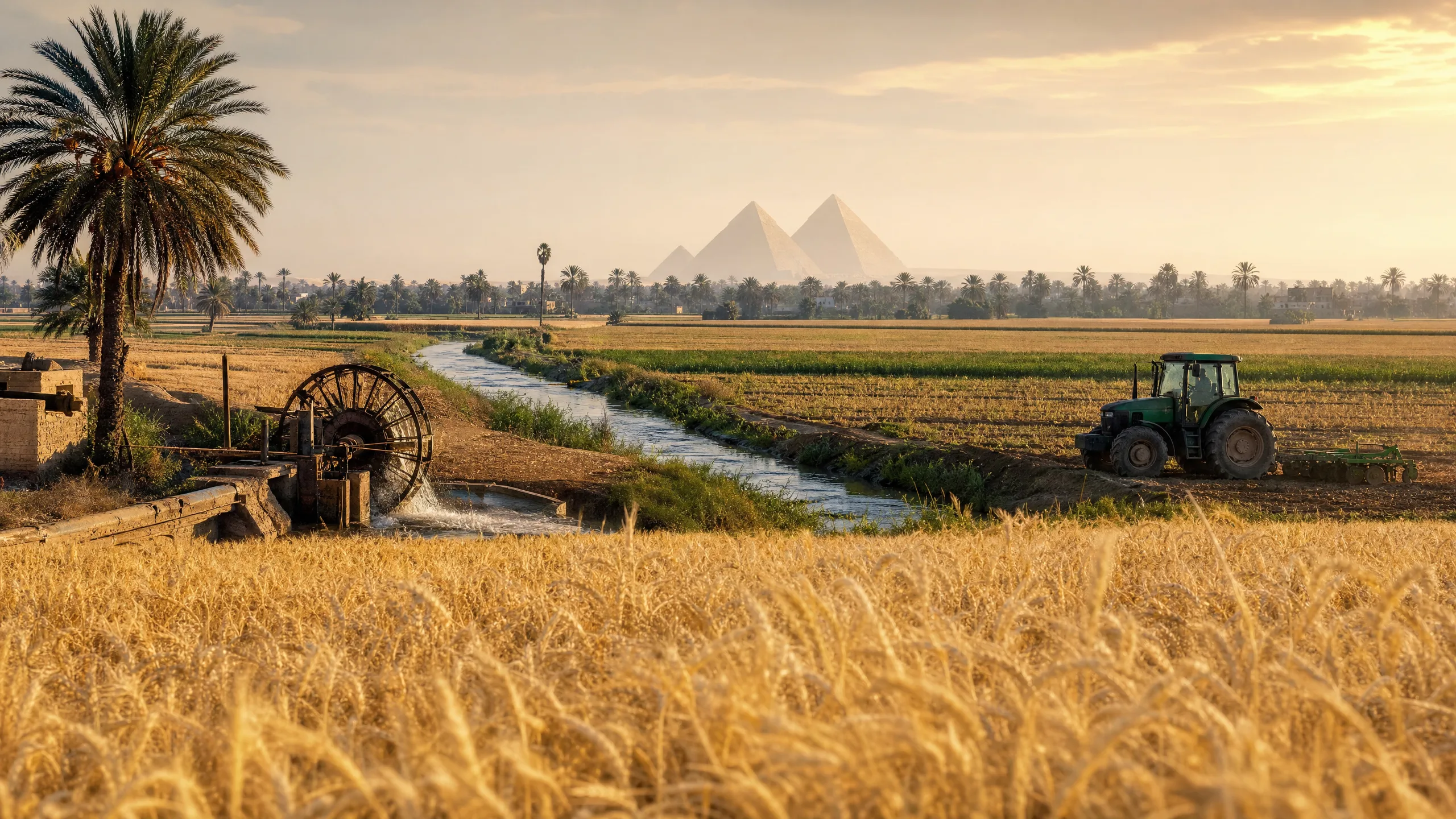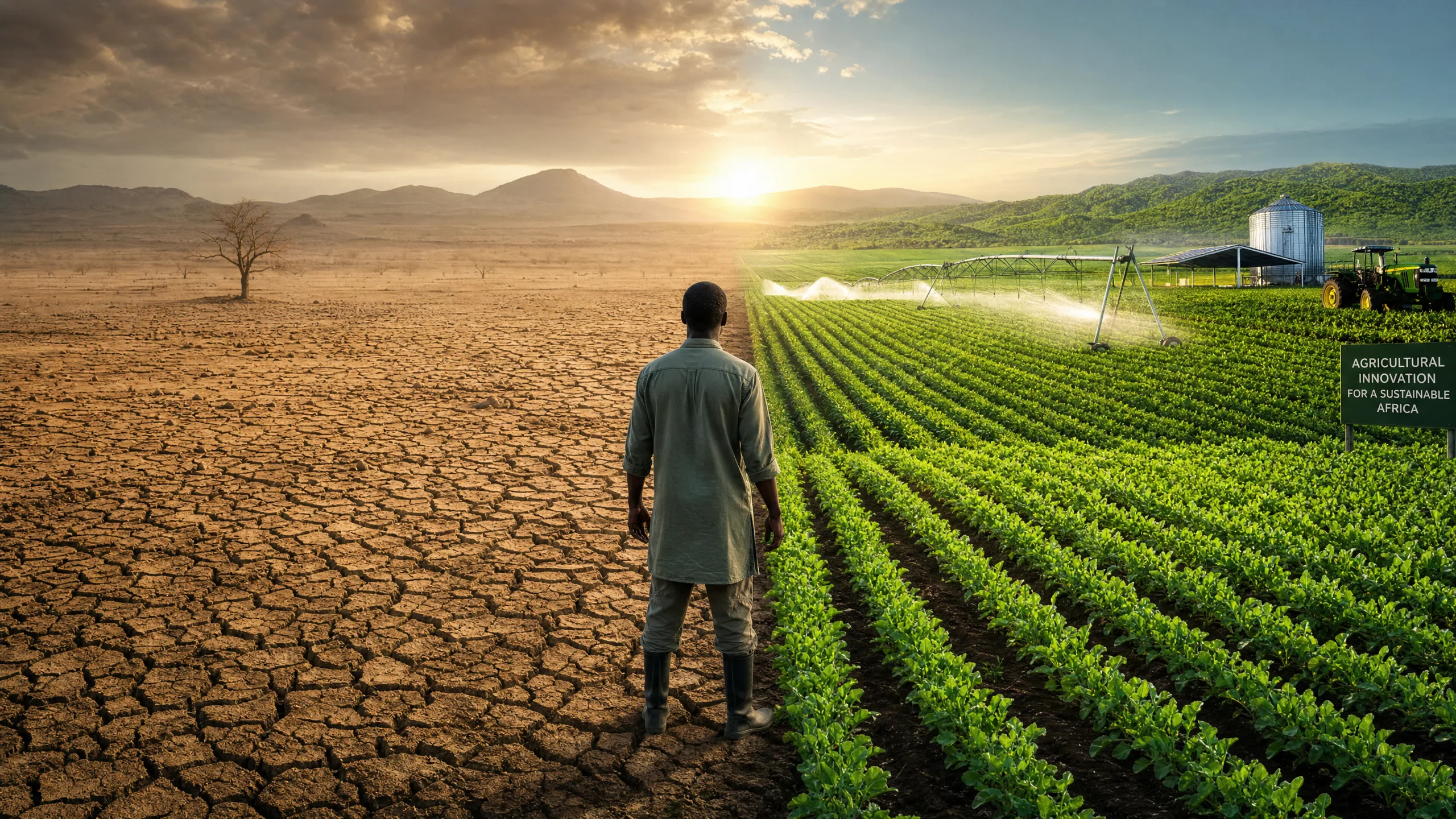
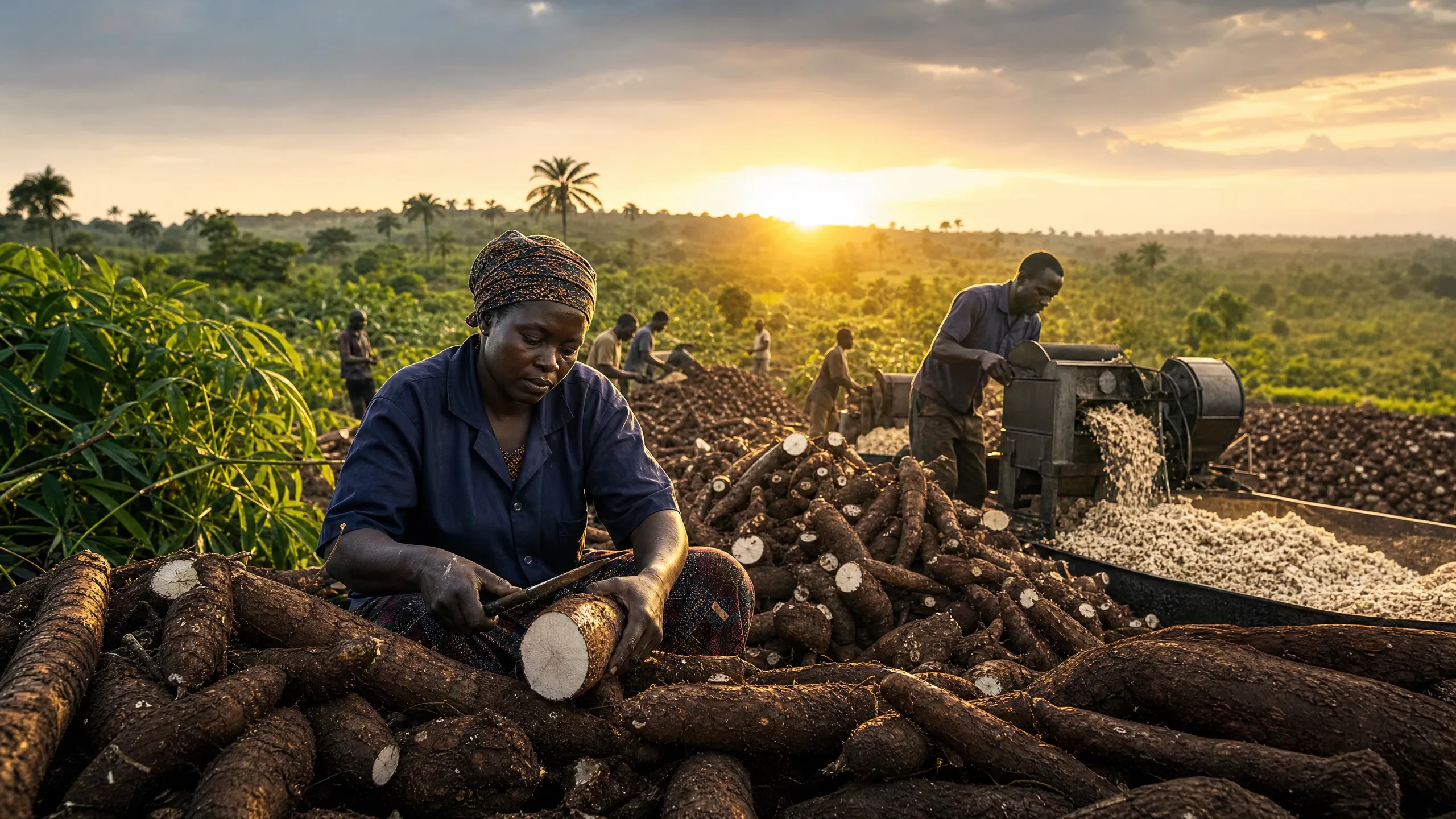
Nigeria's cassava production stands as a cornerstone of West African food security, with over 60 million tonnes produced annually. This resilient crop not only feeds a population of over 200 million but also presents significant opportunities for digital infrastructure and tokenization in the agricultural sector.
The Backbone of West African Food Security
Cassava is a vital staple crop in Nigeria, providing essential carbohydrates and sustenance for millions. Its hardiness allows it to thrive in challenging climate conditions where other crops may fail, making it a reliable source of food security across West Africa.
Economic Impact and GDP Contribution
The agricultural sector, driven largely by cassava production, plays a crucial role in Nigeria's economy. With production figures reaching nearly 60 million metric tons, cassava significantly contributes to the nation's GDP and provides livelihoods for countless farmers and communities.
Regional Production Highlights
Key regions in Nigeria, particularly in the southern and central belts, are major hubs for cassava cultivation. These areas benefit from favorable soil and climate conditions, ensuring consistent and high-yield harvests year after year.
Future Opportunities: Digital Infrastructure and Tokenization
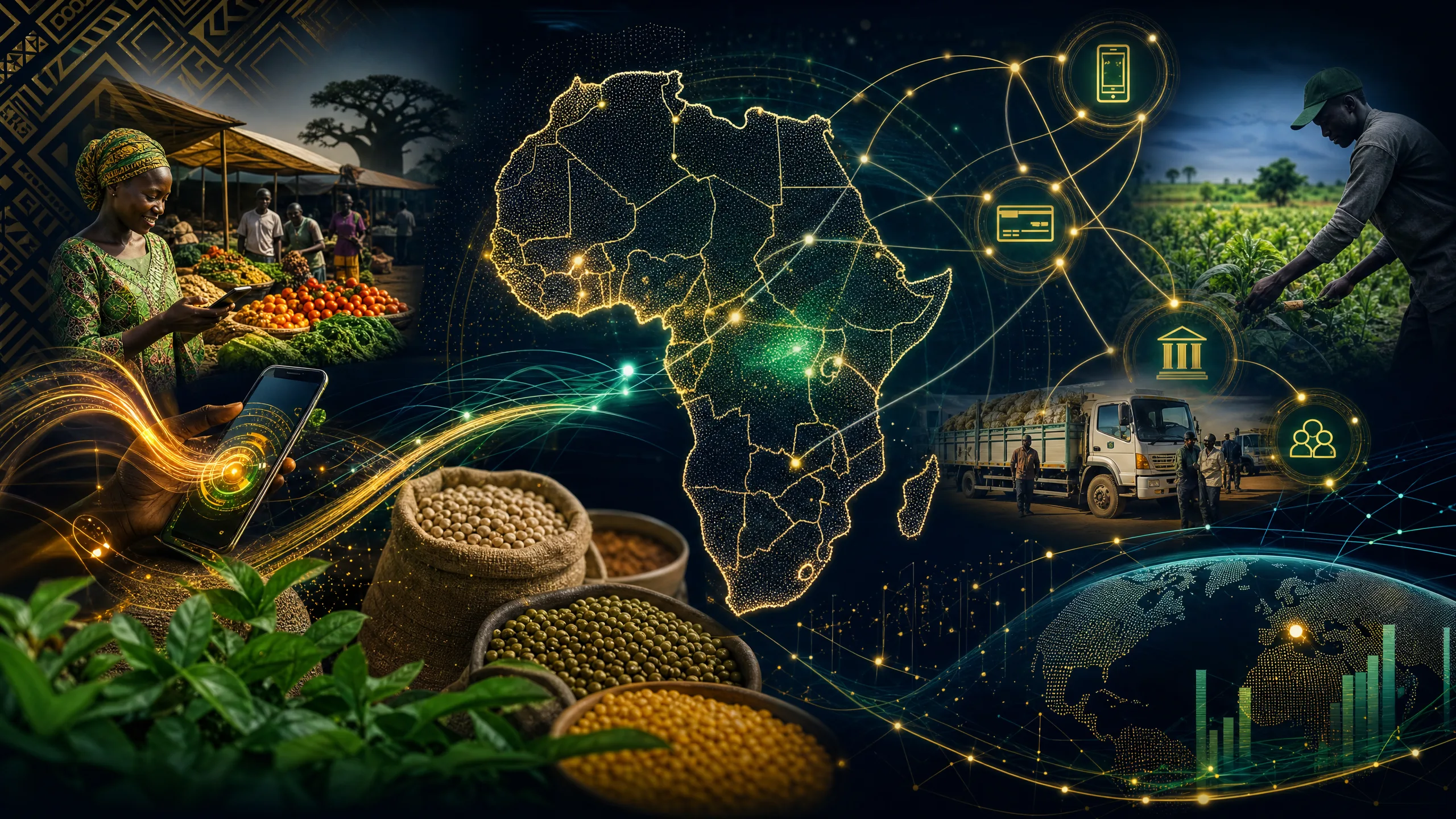
As AfriVest pioneers the digitization of Africa's assets, the cassava sector offers immense potential for tokenization. By integrating digital infrastructure, we can enhance supply chain transparency, empower local farmers, and attract institutional investment, paving the way for a more secure and prosperous agricultural future in Nigeria and beyond.