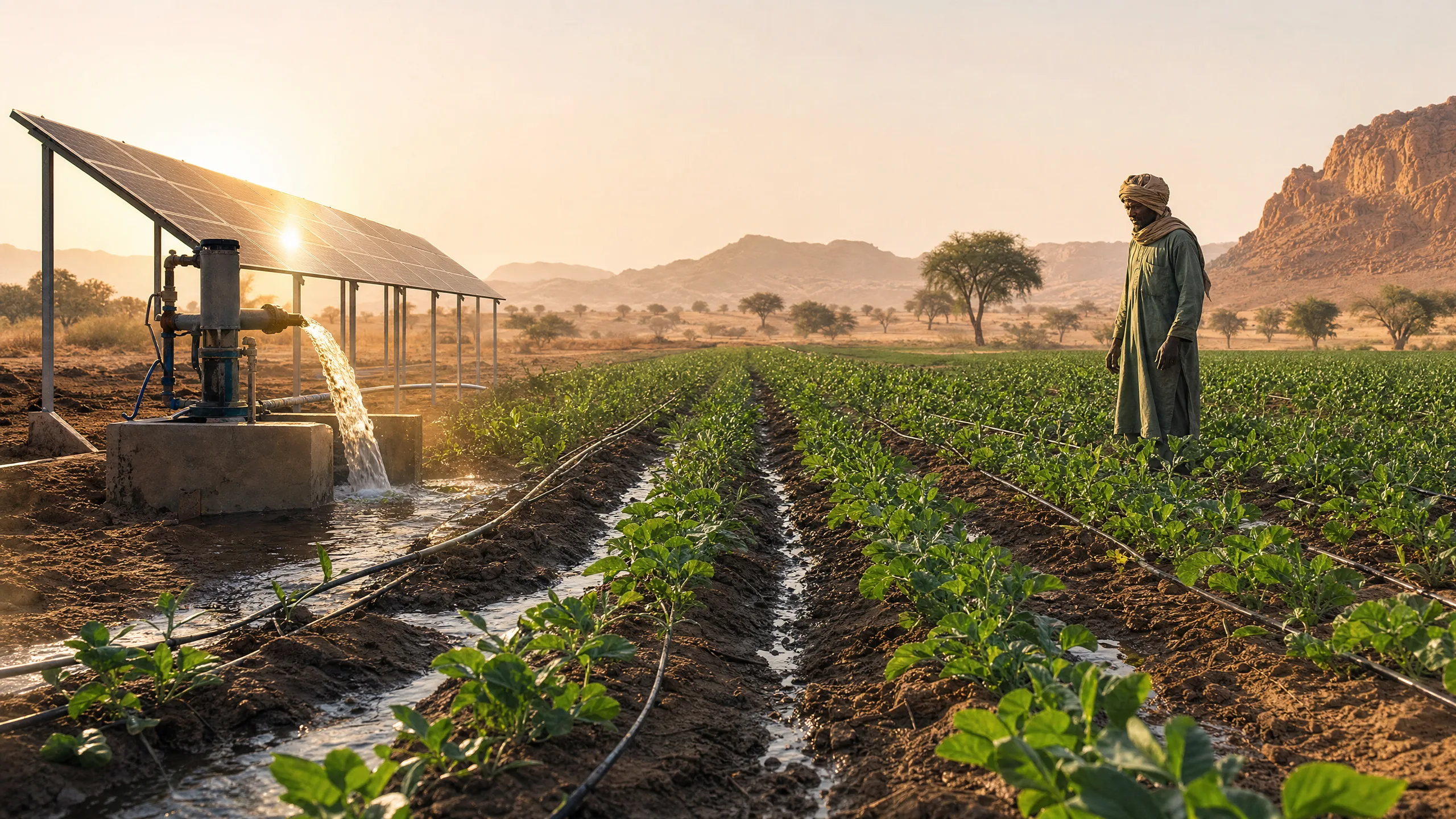
Over 38 million people in the Sahel and West Africa are currently experiencing acute food insecurity, a staggering figure that underscores the urgency of the Sahel food crisis.
The Scale of the Sahel Food Crisis
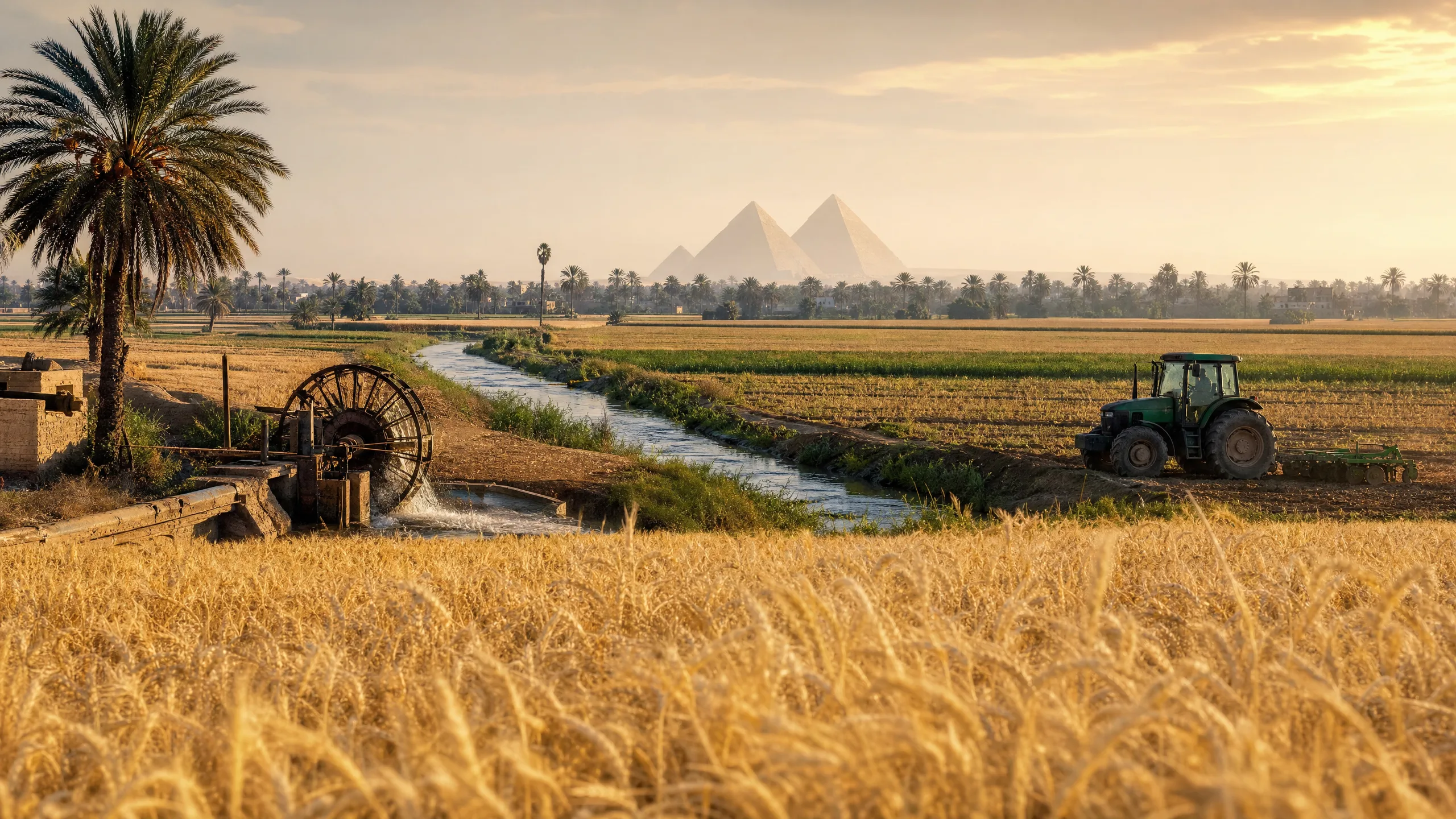
The agri-food industry is the Sahel's largest economic sector, accounting for a third of its GDP and 75 percent of its employment. Yet, despite its economic importance, the region remains highly vulnerable to climate shocks, conflict, and economic instability. In 2024, the food and nutrition situation remains extremely worrying, with almost 55 million people facing further food and nutrition insecurity in West and Central Africa during the region's three-month lean season.
Climate Adaptation and Agricultural Innovation
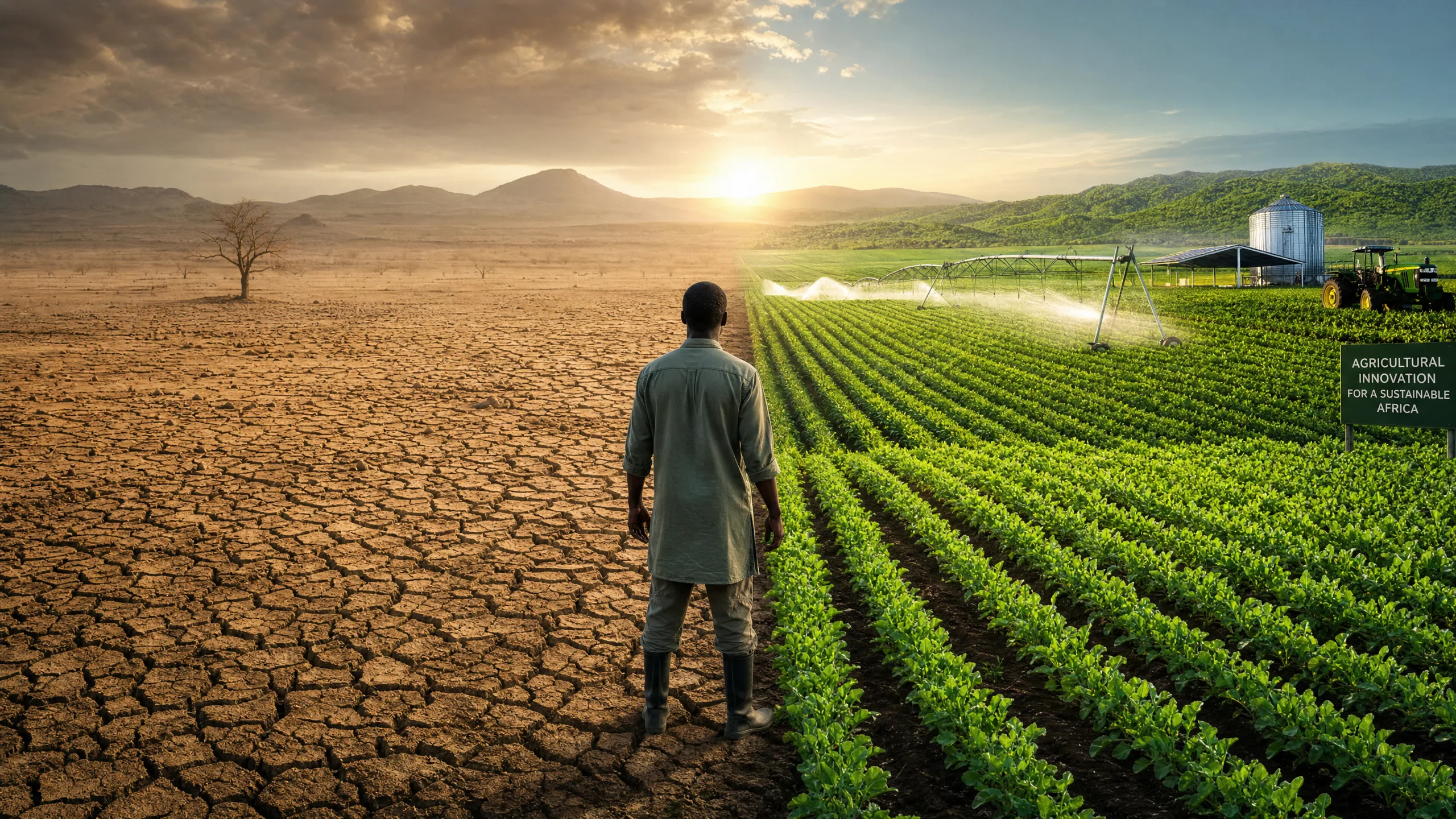
Agricultural innovation is no longer a luxury but a necessity for communities to adapt to climate variability. Climate-smart villages are transforming the Sahel's agricultural landscape, demonstrating the potential of innovative practices to enhance resilience. By adopting drought-resistant crop varieties, improving water management techniques, and leveraging digital technologies for weather forecasting and market access, farmers can mitigate the impacts of climate change and improve their yields.
The Role of Digital Infrastructure and Tokenization
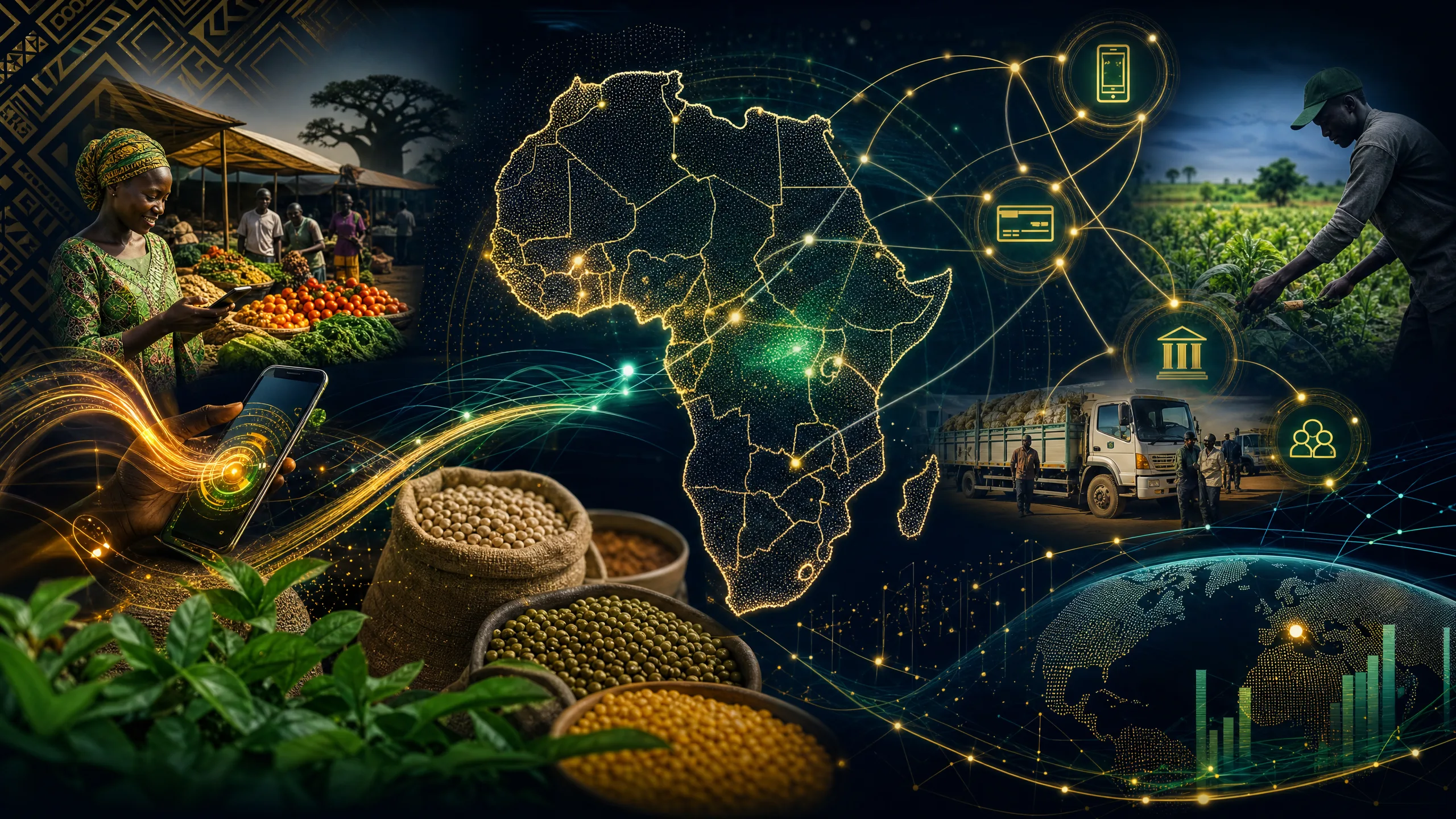
Digital infrastructure and tokenization offer unprecedented opportunities to revolutionize agriculture in the Sahel. By digitizing agricultural assets, such as land, crops, and livestock, farmers can access new sources of financing, improve supply chain transparency, and participate in global markets. Tokenization can also facilitate the creation of innovative financial products, such as weather index insurance, which can protect farmers against climate-related risks.
Empowering Smallholder Farmers
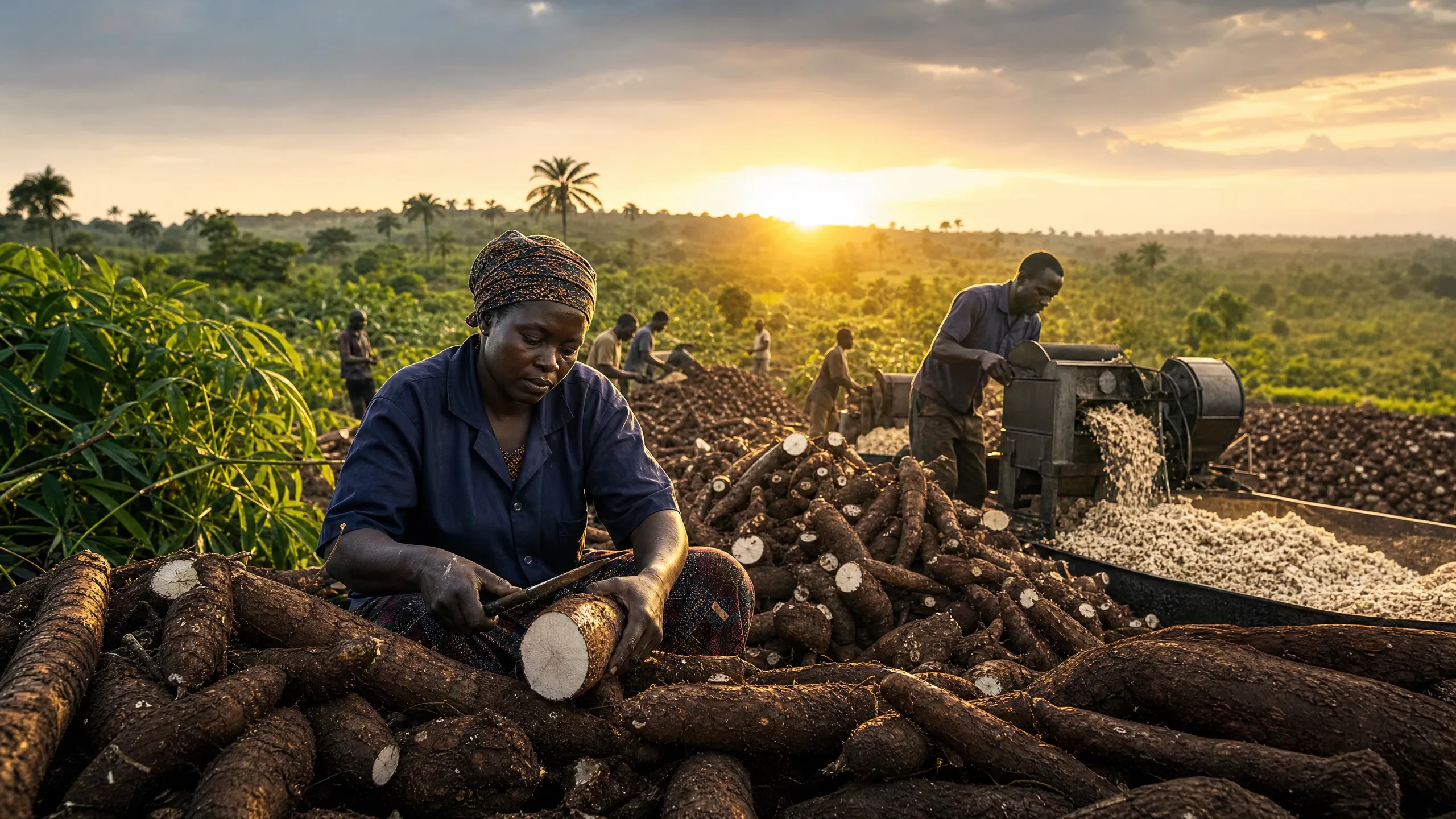
Smallholder farmers are the backbone of the Sahel's agricultural sector, producing the majority of the region's food. Empowering these farmers with access to finance, technology, and markets is essential for achieving food security and sustainable economic growth. By investing in agricultural innovation and digital infrastructure, we can unlock the potential of smallholder farmers and transform the Sahel into a breadbasket for Africa.
Conclusion
The Sahel food crisis is a complex challenge that requires a multifaceted approach. By embracing agricultural innovation, climate adaptation, and digital infrastructure, we can build a more resilient and sustainable food system in the Sahel. The tokenization of agricultural assets presents a unique opportunity to mobilize capital, improve efficiency, and empower farmers, paving the way for a brighter future for the region's 300 million people.