Discover how Egypt's wheat strategy and agricultural policy drive food security in North Africa, creating digital infrastructure investment opportunities.
As the most populous nation in the Arab world, Egypt faces a monumental challenge: ensuring food security for over 104 million citizens in a region highly vulnerable to climate change and geopolitical supply chain disruptions. At the heart of this challenge lies wheat, a staple grain that forms the foundation of the Egyptian diet and national stability. With global agricultural markets experiencing unprecedented volatility, Egypt's strategic approach to wheat production, procurement, and storage offers a compelling case study in resilience. For institutional investors and policymakers, understanding Egypt's agricultural policy and grain imports is crucial for identifying emerging opportunities in North Africa's evolving food security landscape.
The Scale of Egypt's Wheat Demand and Production
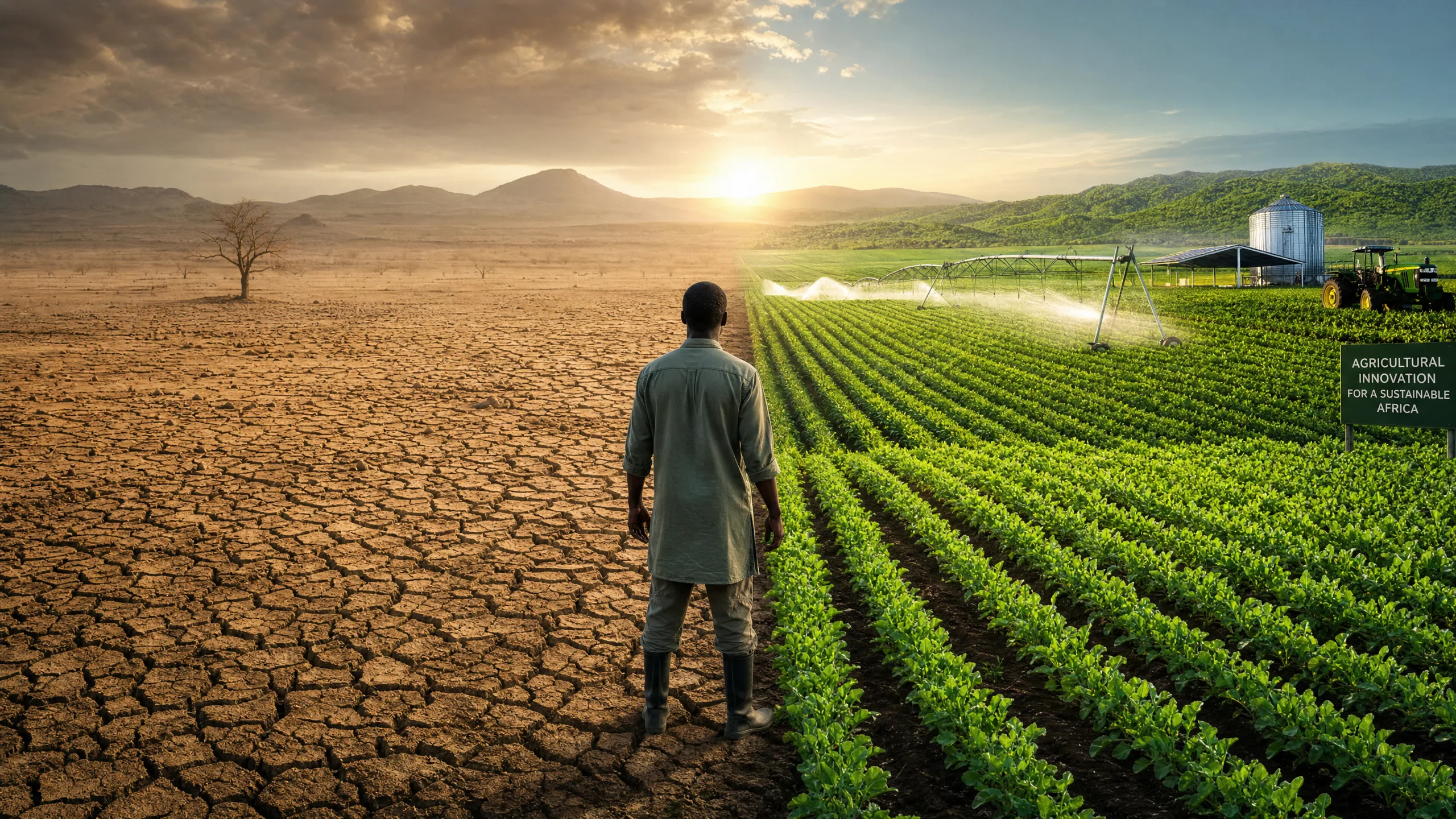
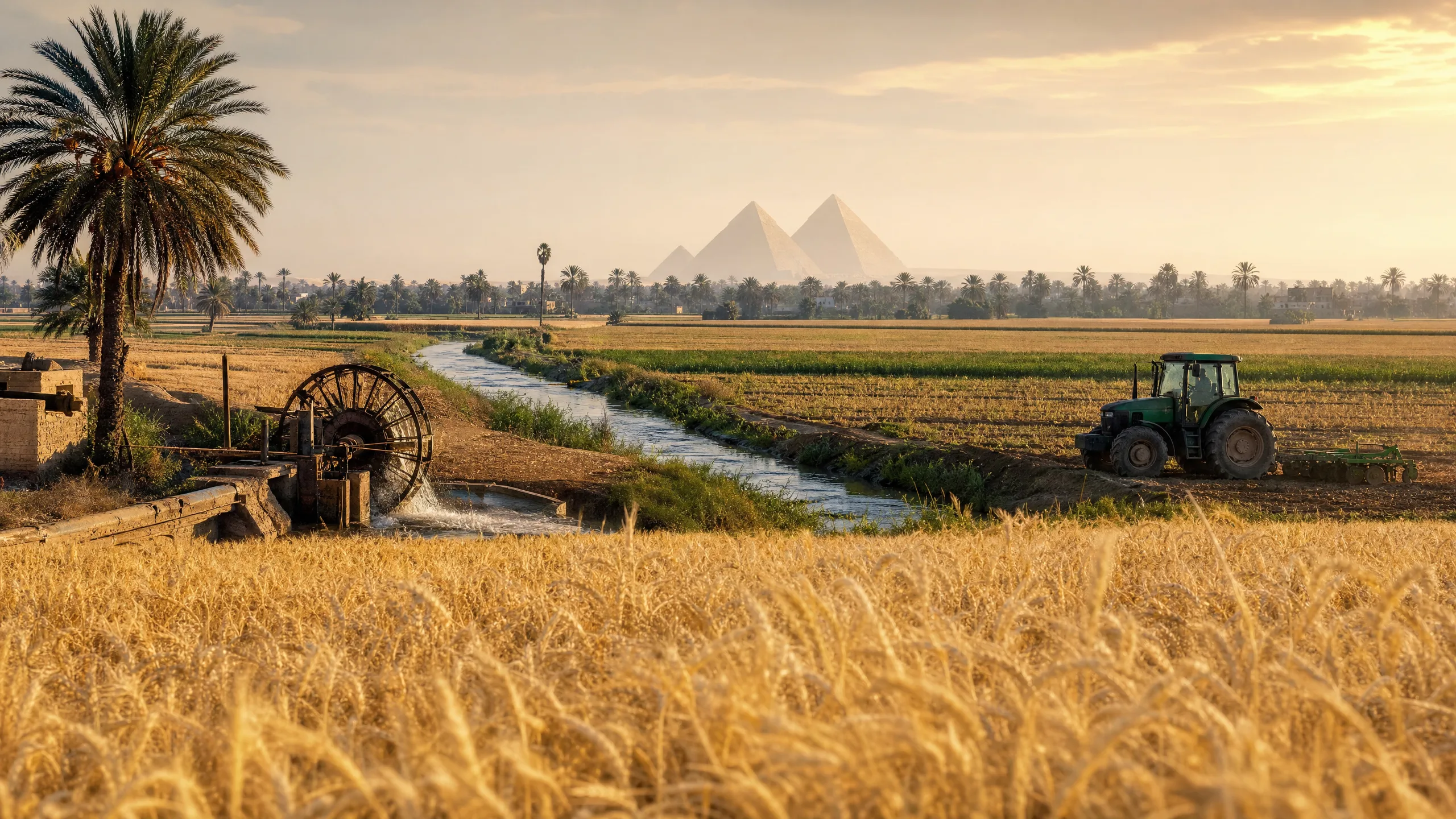
Egypt consistently ranks as one of the world's largest importers of wheat, a necessity driven by its vast population and limited arable land. In 2024, the nation imported approximately 14.4 million tonnes of wheat to meet domestic demand. However, the Egyptian government has not remained passive in the face of this reliance on foreign grain. Through targeted agricultural policies, domestic wheat production for the 2024-2025 marketing year is estimated to reach 9.2 million tonnes. This production is supported by initiatives to expand cultivated areas, particularly in the New Valley and Toshka regions, and the introduction of high-yield, drought-resistant wheat varieties. The agricultural sector's contribution to the national GDP remains substantial, underscoring the economic imperative of optimizing domestic yields while managing import dependencies.
Expanding Strategic Storage and Infrastructure
A critical pillar of Egypt's food security strategy is the modernization and expansion of its grain storage infrastructure. Over the past decade, the government has prioritized the transition from traditional open-air storage facilities (shounas) to state-of-the-art vertical silos. This strategic shift has successfully increased the nation's wheat storage capacity from 1.6 million metric tons to an impressive 5.2 million metric tons. By significantly reducing post-harvest losses caused by exposure and pests, these modern silos ensure that a higher percentage of procured grain reaches the consumer. Furthermore, this expanded capacity allows Egypt to maintain a strategic wheat reserve of approximately 4.5 million tons—sufficient to cover domestic consumption for over four months, thereby buffering the economy against sudden global supply shocks.
Diversifying Grain Imports Amidst Global Volatility
The geopolitical disruptions of recent years, particularly the conflict in Eastern Europe, have profoundly impacted global grain markets and exposed the vulnerabilities of concentrated supply chains. Historically reliant on Russia and Ukraine for the vast majority of its wheat imports, Egypt has proactively adapted its procurement strategy to mitigate risk. The General Authority for Supply Commodities (GASC) has aggressively diversified its supplier base, sourcing wheat from alternative markets such as Romania, France, and even India when export policies permit. This agile approach to grain imports is a testament to Egypt's commitment to food security in North Africa. By balancing domestic procurement incentives with a diversified international sourcing strategy, Egypt aims to stabilize domestic prices and ensure a continuous supply for its subsidized bread program, which serves millions of vulnerable citizens.
The Role of Smart Agriculture and Resource Management
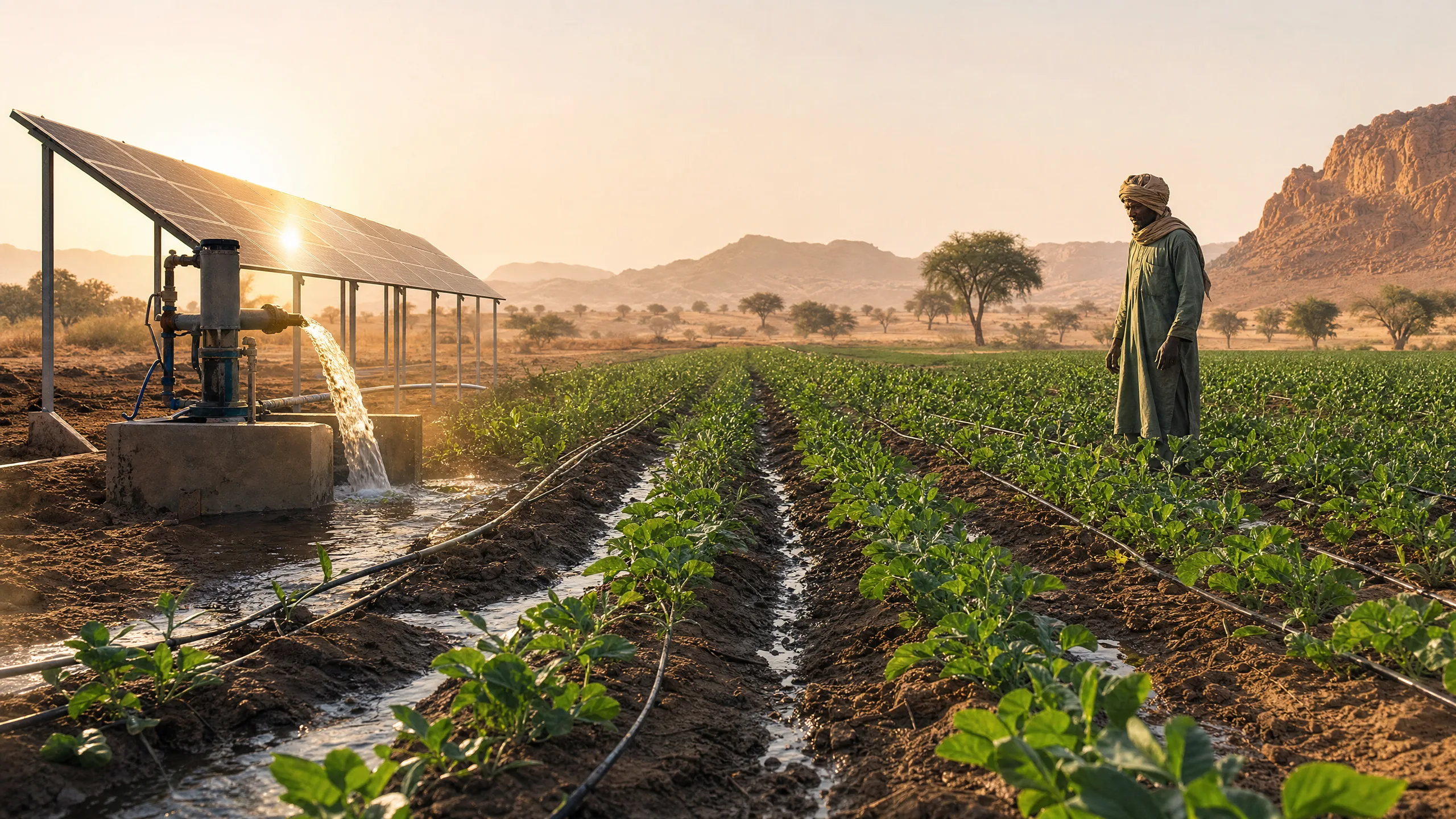
To achieve long-term sustainability in wheat production, Egypt is increasingly turning to smart agriculture and efficient resource management. The agricultural sector consumes the lion's share of the country's limited water resources, primarily drawn from the Nile River. In response, the government is implementing modern irrigation techniques, such as drip and sprinkler systems, to replace traditional flood irrigation. Additionally, satellite monitoring and data analytics are being deployed to optimize crop health, predict yields, and manage water distribution more effectively. These technological interventions are essential for maximizing the productivity of every drop of water and hectare of land, aligning with broader regional goals of climate adaptation and sustainable agricultural development.
Investing in the Future: Digital Infrastructure and Tokenization
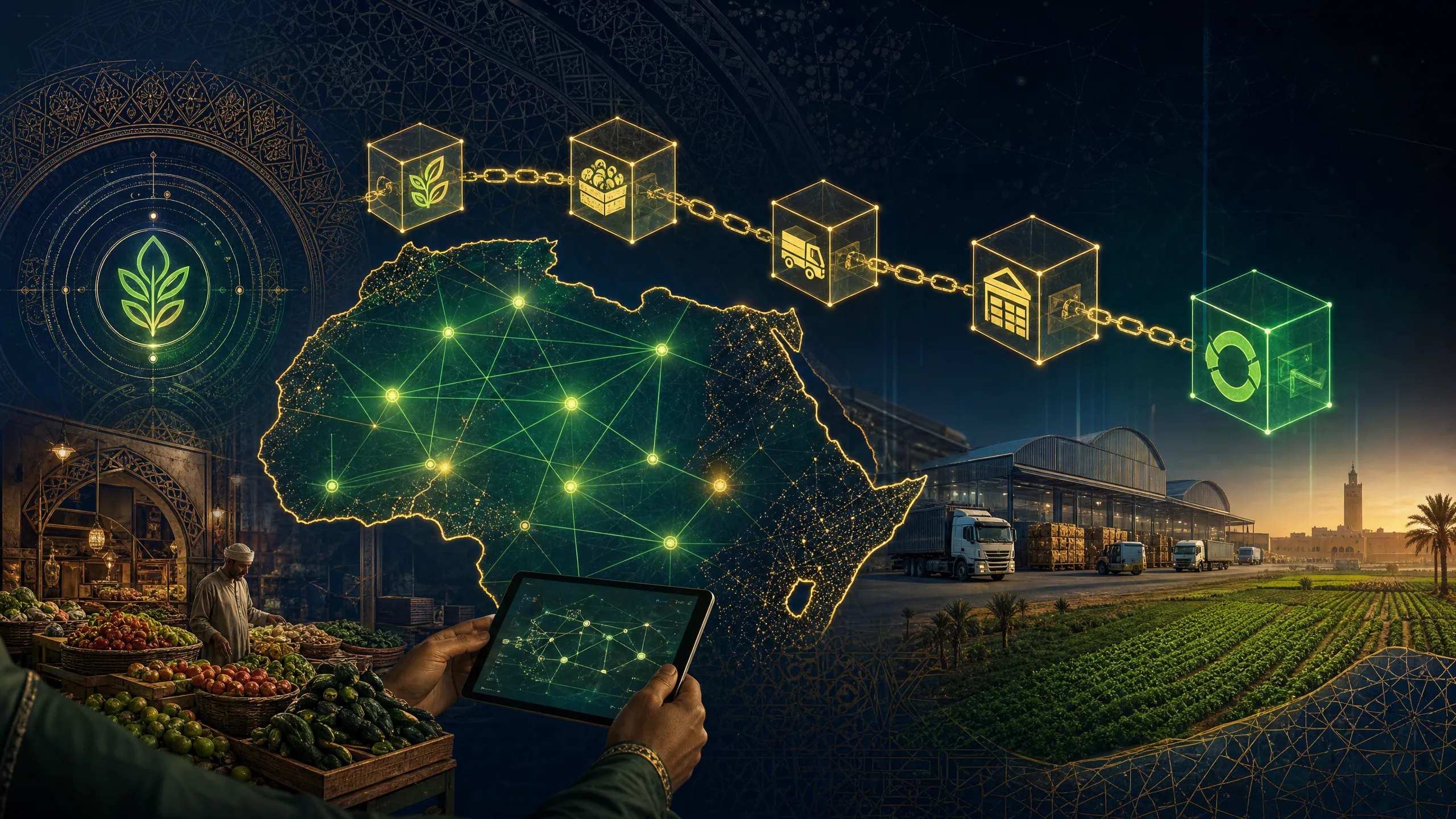
As Egypt continues to refine its wheat strategy and fortify its food security framework, the intersection of agriculture and technology presents unprecedented avenues for investment. The modernization of supply chains, from farm to silo to bakery, requires robust digital infrastructure to enhance transparency, efficiency, and traceability. Looking forward, the tokenization of agricultural assets and commodities offers a transformative opportunity for the region. By digitizing grain reserves and agricultural real estate on platforms like AfriVest, stakeholders can unlock new liquidity, facilitate cross-border investments, and create innovative financial instruments tied to tangible, essential assets. For forward-thinking investors, Egypt's commitment to agricultural resilience is not just a matter of national security—it is a foundational step toward a digitized, tokenized, and highly efficient African commodities market.