Ghana, often hailed as the “Gold Coast” for its rich mineral resources, remains one of the leading producers of gold in Africa, contributing approximately 6% to the global gold output. The sector is a critical pillar of the country’s economy, generating substantial foreign exchange and employment. Notably, artisanal and small-scale mining (ASM) accounts for nearly 35% of Ghana’s total gold production, involving hundreds of thousands of miners primarily concentrated in regions such as Ashanti, Western, and Eastern. While ASM provides livelihoods for many, it has long grappled with challenges including environmental degradation, illicit trade, and lack of transparency. As digital transformation sweeps across Africa’s economic landscape, blockchain technology emerges as a powerful tool to address these issues by enabling traceability, transparency, and financial inclusion within the artisanal mining sector.
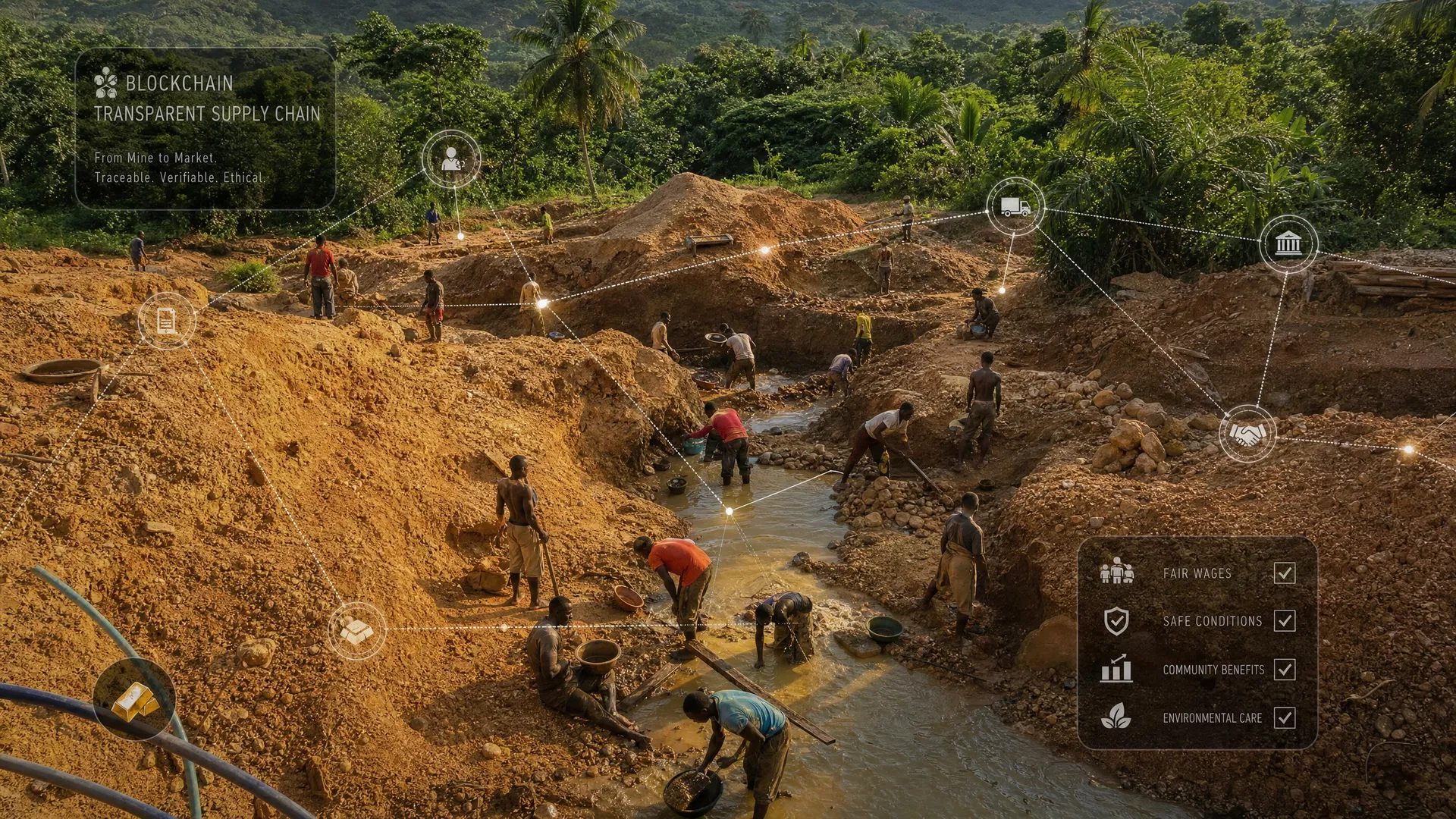
Artisanal gold mining in Ghana is characterized by informal operations that often escape regulatory oversight, making it difficult to monitor the provenance and legality of mined gold. This opacity not only perpetuates illegal mining activities (known locally as “galamsey”) but also undermines the potential for miners to access formal financial services and fair markets. The introduction of blockchain-based traceability systems offers a transformative solution by creating immutable, transparent records of gold’s journey from mine to market. Through such systems, every gram of gold extracted by artisanal miners can be digitally tagged and tracked, ensuring its origin is verifiable and compliant with environmental and social standards.
Blockchain traceability solutions are particularly impactful in regions like Ghana’s Ashanti and Western Regions, where small-scale mining is prevalent but often informal. These platforms enable stakeholders—including miners, government agencies, exporters, and buyers—to participate in a shared digital ledger that records each transaction and movement of gold. For example, the Ghanaian Minerals Commission and the Precious Minerals Marketing Company (PMMC) have begun exploring digital registers and certification processes to improve sector governance. By integrating blockchain, these entities can reduce fraud, curb smuggling, and facilitate the formalization of artisanal mining operations, enhancing tax revenue and sustainable resource management.
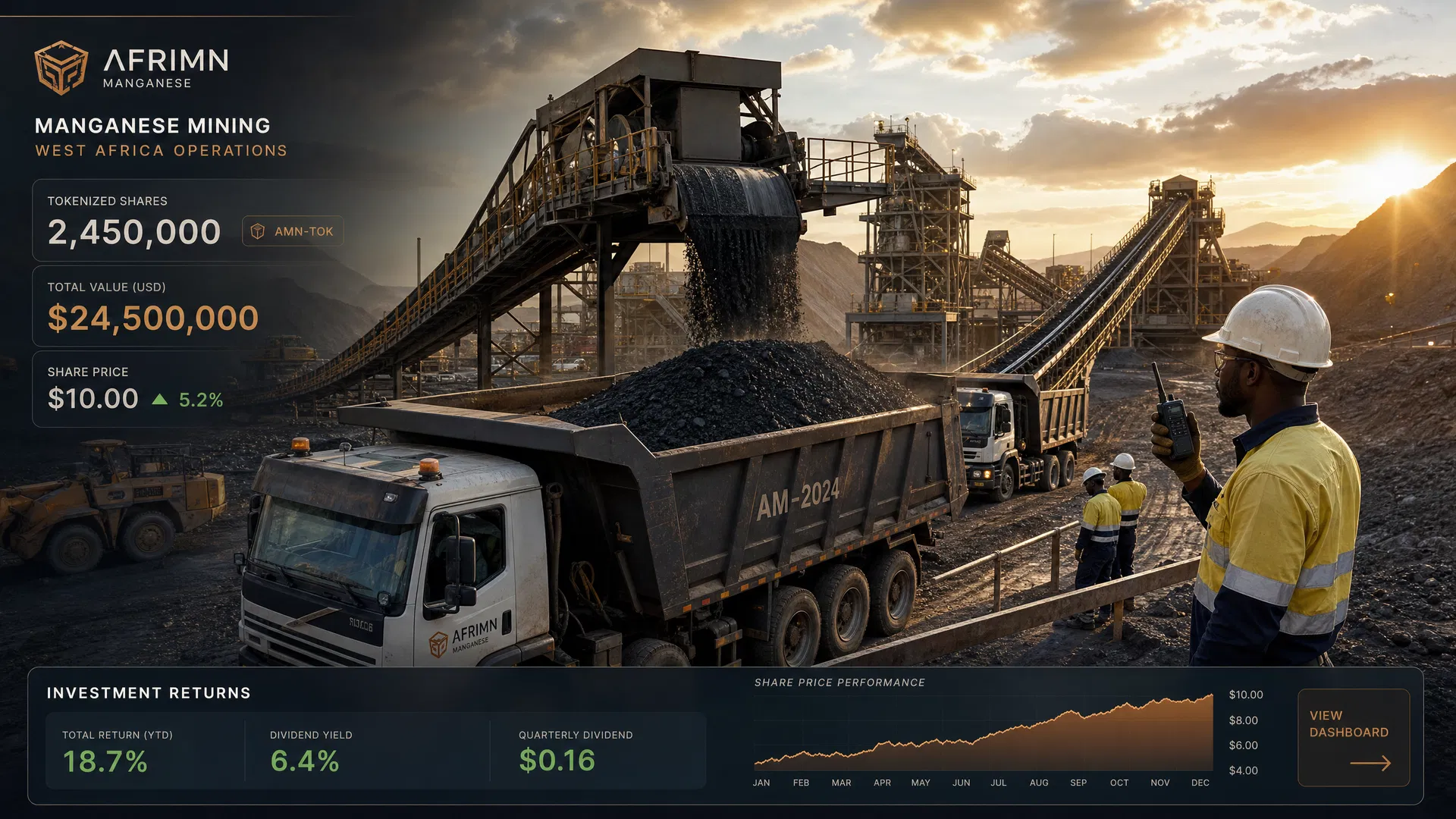
Beyond traceability, blockchain technology intersects with asset tokenization to unlock new financial opportunities for artisanal miners. Tokenization allows physical gold assets to be represented as digital tokens on a blockchain, enabling fractional ownership, easier transferability, and access to broader investment markets. For miners who often lack collateral or credit history, tokenizing their output can provide a pathway to liquidity and capital infusion. This digital infrastructure, combined with cooperative governance models, empowers mining communities to collectively manage resources, share profits equitably, and engage transparently with financiers and buyers. Such innovations align closely with the broader agenda of financial inclusion across Africa’s informal sectors.
The impact of blockchain-enabled traceability in artisanal mining is not limited to Ghana. Across the continent, countries like South Africa, Mali, and Tanzania are exploring similar interventions to formalize and modernize their ASM sectors. In Tanzania, for instance, blockchain pilots have helped trace the provenance of gemstones, improving ethical sourcing and market confidence. These examples illustrate a continental shift towards digitizing mineral value chains, enhancing accountability, and ensuring that the economic benefits of natural resources reach local communities.
Implementing these technologies, however, demands robust digital infrastructure and capacity building. Many artisanal miners operate in remote areas with limited internet connectivity and low digital literacy. Public-private partnerships are therefore essential to provide affordable access to mobile and internet services, as well as training programs that equip miners with the skills to utilize digital platforms effectively. Governments and development organizations must also create supportive regulatory frameworks that recognize and incentivize blockchain adoption while protecting miners' rights and data privacy.
At AfriVest, we recognize that digitizing Africa’s artisanal mining sector is pivotal for sustainable economic transformation. Our platform’s focus on asset tokenization, cooperative governance, and financial inclusion positions us uniquely to support this transition. By integrating blockchain traceability solutions into mining communities, we aim to enhance transparency, reduce illicit trade, and connect miners with formal financial ecosystems. We envision a future where small-scale miners in Ghana and across Africa can securely tokenize their gold assets, participate in decentralized cooperatives, and access global investment opportunities without intermediaries.
As Africa accelerates its digital economy journey, the artisanal mining sector stands to become a benchmark for how traditional industries can leverage emerging technologies to foster inclusive growth. AfriVest is committed to partnering with governments, miners, and stakeholders to build the necessary digital infrastructure and governance mechanisms that will underpin this transformation. Through innovation and collaboration, we can unlock the full potential of Africa’s mineral wealth, ensuring that its benefits are equitably shared and environmentally sustainable for generations to come.