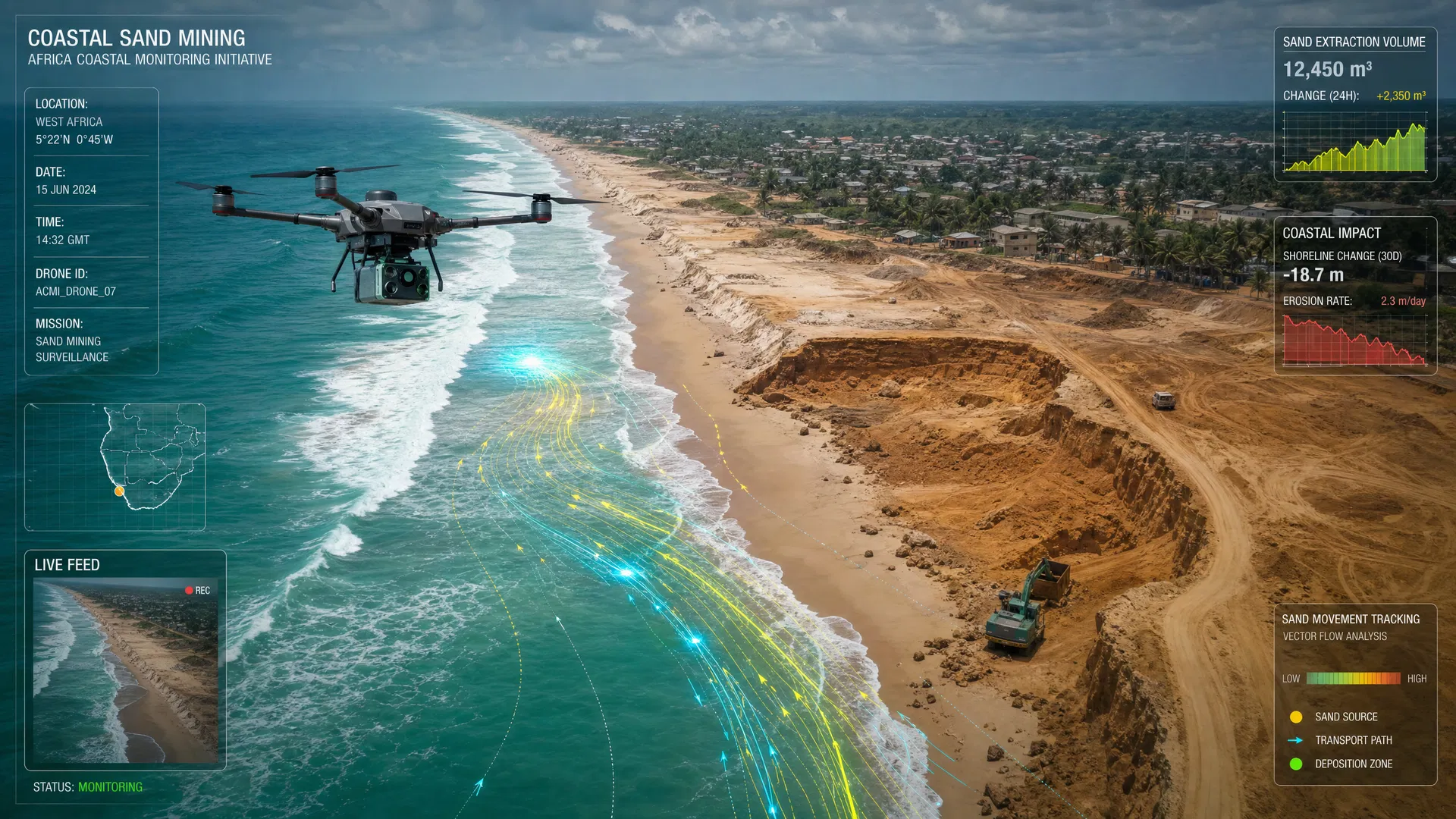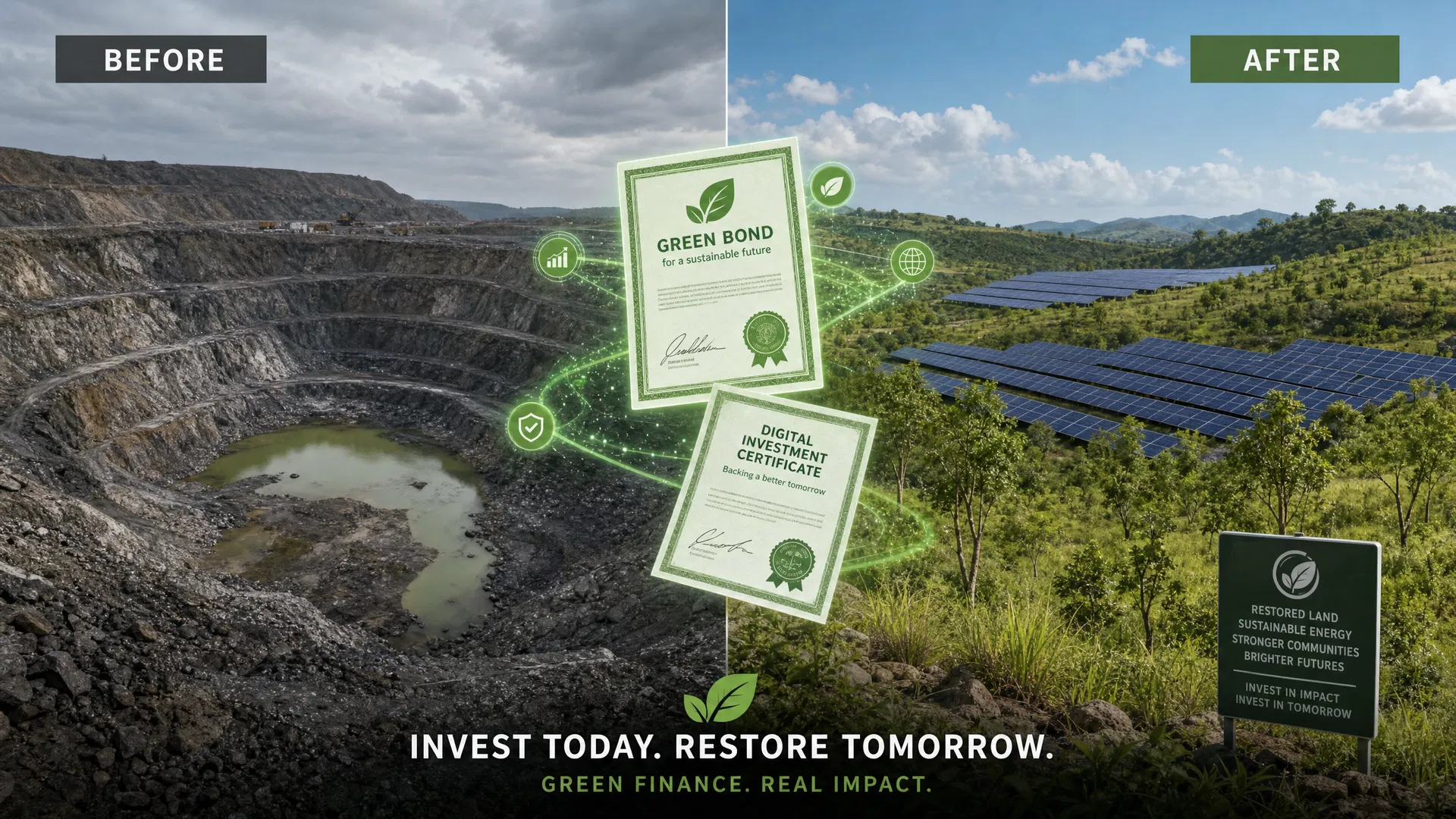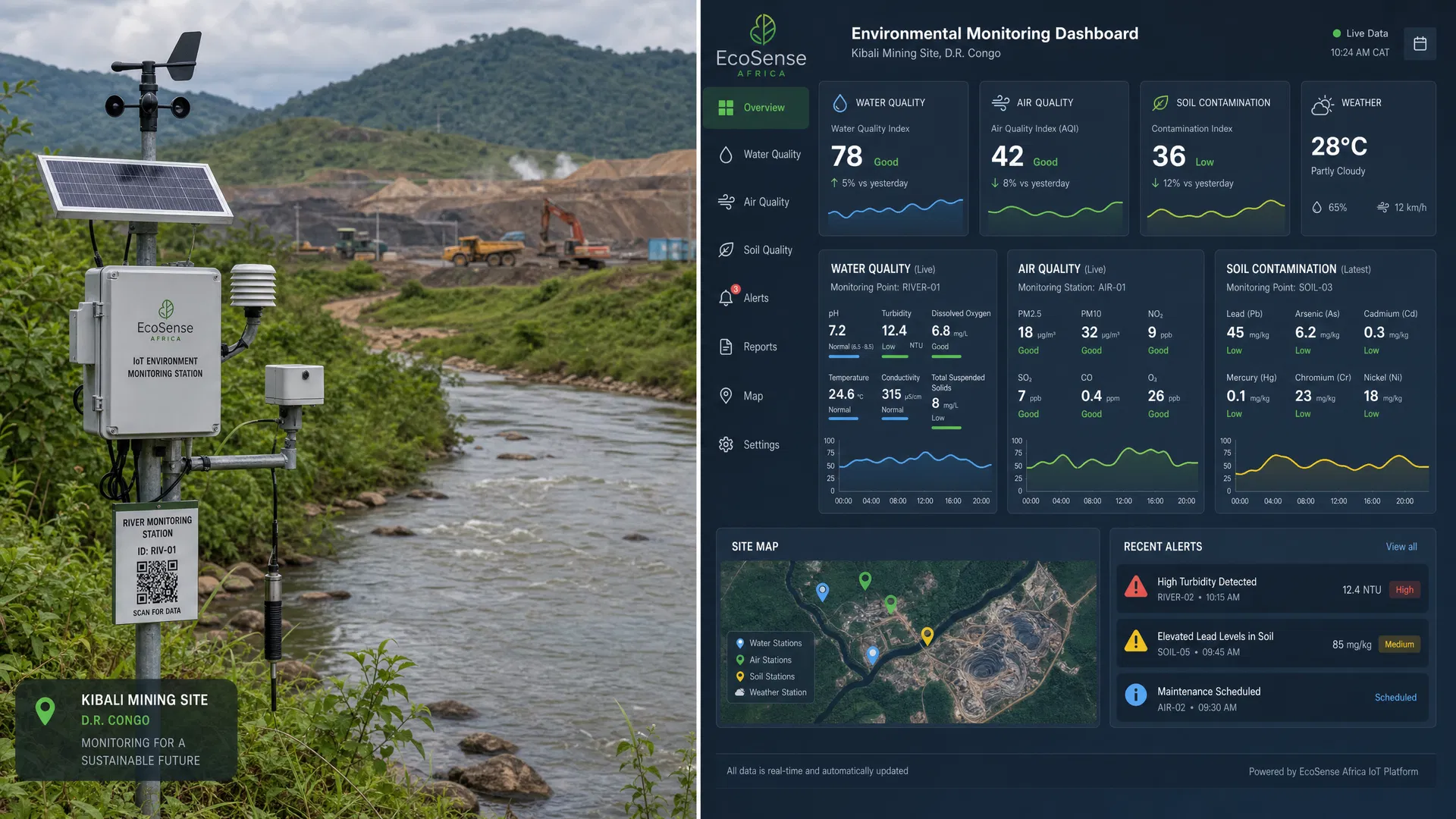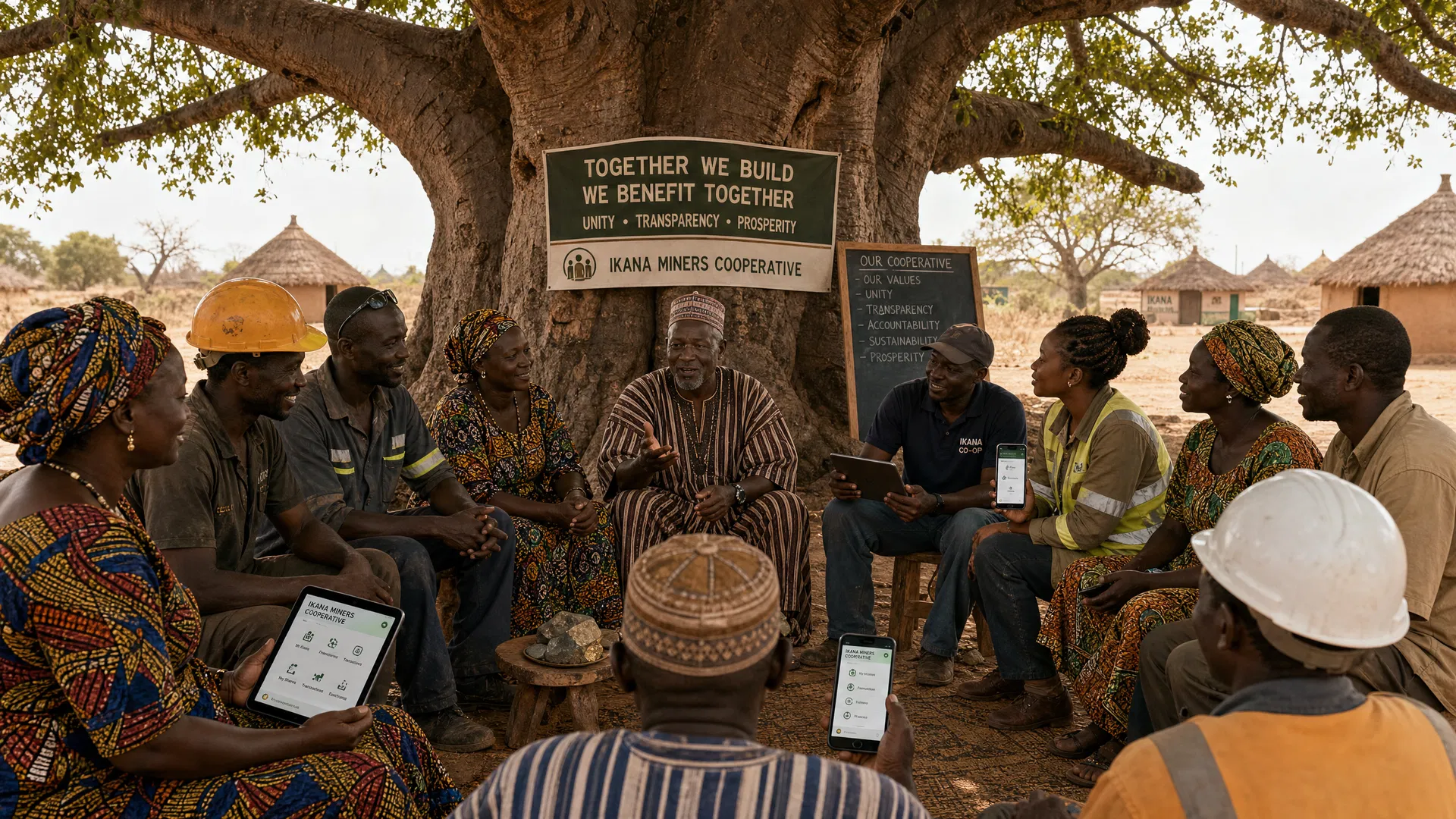
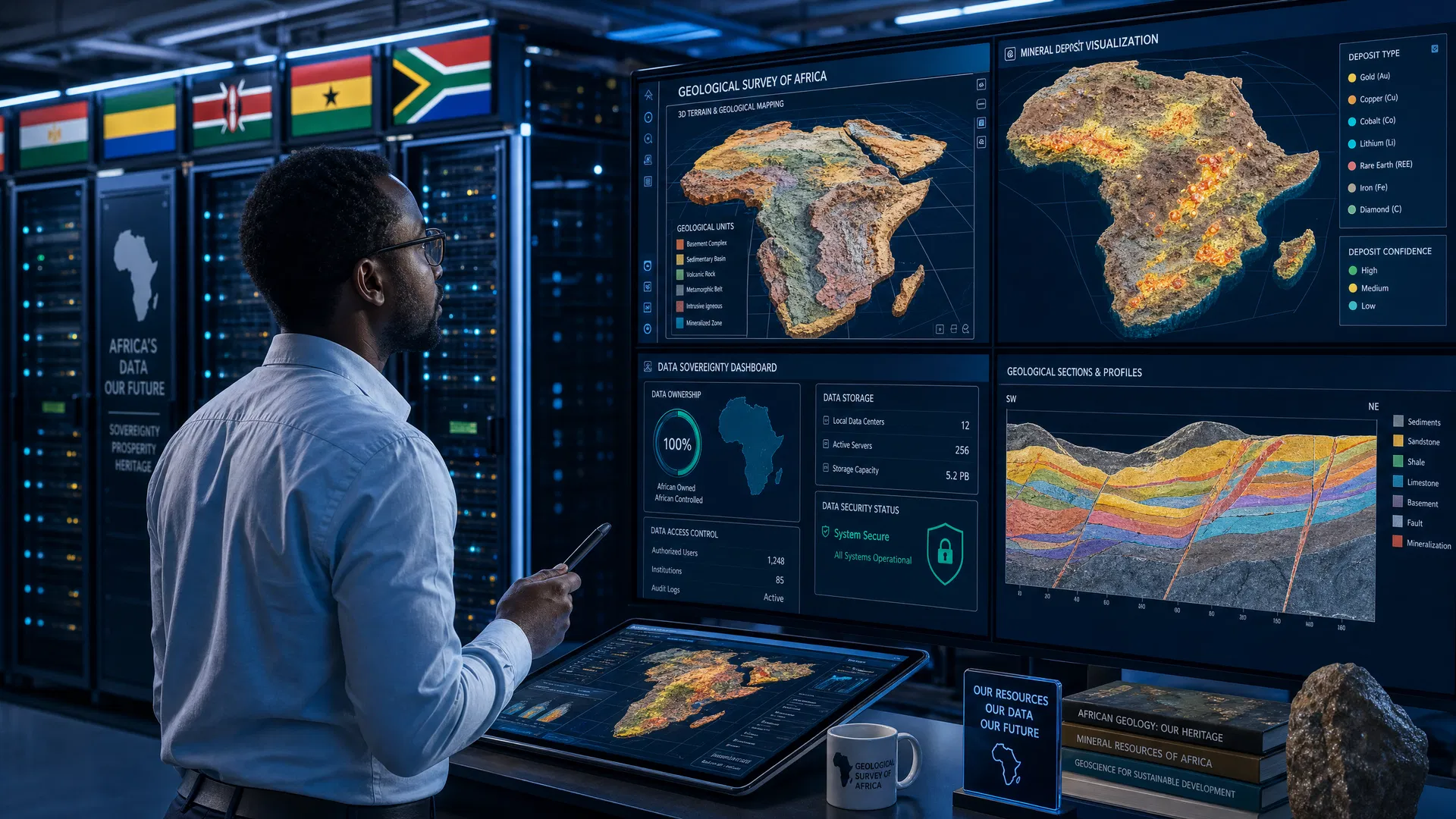
Africa’s vast mineral wealth is central to the continent’s economic potential. From South Africa’s gold and platinum to the Democratic Republic of Congo’s cobalt and copper reserves, Africa holds minerals critical to global supply chains and the green energy transition. However, a significant barrier to fully realizing this potential is mining data sovereignty. African nations must own and control their geological data to ensure their mineral resources translate into sustainable development, equitable growth, and strategic autonomy.
Historically, geological data—including mineral locations, extraction details, and environmental records—has been largely controlled by foreign mining companies and multinational corporations. This control often limits government access to vital information needed for effective resource governance. The African Union’s Africa Mining Vision highlights that many African countries lack centralized, comprehensive geological data systems. This data asymmetry weakens governments’ negotiating power, complicates contract monitoring, and undermines enforcement of environmental and social regulations. Without sovereignty over geological data, nations risk losing control over their resources and the economic benefits they should derive.
Digital infrastructure, particularly blockchain technology, offers a transformative solution. Blockchain’s decentralized, immutable ledger ensures secure, transparent, and tamper-proof data records. By adopting blockchain for geological data management, African governments can establish sovereign repositories that are easily accessible and verifiable, reducing risks of manipulation and fraud. Botswana, a major diamond producer, has piloted blockchain applications to enhance transparency and accountability in its mining sector, demonstrating practical benefits. Blockchain empowers states to reclaim data ownership, fostering better governance and informed decision-making.
Beyond securing data integrity, blockchain enables the tokenization of mining assets and geological data. Tokenization converts mineral rights, concessions, or geological datasets into blockchain-based tokens that can be traded or shared among stakeholders. This innovation democratizes access to resource wealth and supports cooperative governance models. Ghana’s Industrial Minerals Innovation Centre has piloted blockchain tokens representing mining rights to enhance transparency, reduce corruption, and promote community engagement. Through tokenization, governments, investors, and communities can collaborate transparently, ensuring fair sharing of mining benefits while maintaining data sovereignty.
Mining data sovereignty is also crucial for promoting financial inclusion and economic diversification. Reliable geological data attracts responsible investments by reducing uncertainty and project risks. Countries like Zambia and Tanzania have faced challenges with illicit financial flows and opaque mining contracts, partly due to weak data governance frameworks. Secure, sovereign geological databases improve tax compliance and revenue collection, enabling governments to invest mining proceeds into infrastructure, healthcare, and education. Effective data control strengthens governance and helps channel mineral wealth toward inclusive development and poverty reduction.
Regional cooperation is essential to advancing mining data sovereignty across Africa. The African Minerals Governance Centre (AMGC) advocates for harmonized data standards and governance frameworks to facilitate cross-border geological data sharing. Interoperable digital platforms improve data accuracy, reduce duplication, and support coordinated policy-making. AfriVest actively supports these continental efforts by providing scalable digital infrastructure tailored to the mining sector. Our platform emphasizes cooperative governance, ensuring that data ownership remains with sovereign states while fostering collaboration among governments, private entities, and communities.
Despite these opportunities, challenges remain. Many countries still rely on paper-based geological records needing digitization and integration with blockchain technologies. Limited digital infrastructure, skill gaps, and regulatory hurdles slow progress. South Africa’s Council for Geoscience has made notable advances digitizing geological data to improve accessibility and transparency, setting a regional precedent. AfriVest complements these efforts by offering end-to-end digital solutions encompassing data tokenization, secure storage, real-time analytics, and smart contract automation, enabling transparent and efficient geological data management.
Looking ahead, the importance of mining data sovereignty will grow as global demand for critical minerals intensifies with the green economy transition. Lithium, cobalt, and rare earth elements—abundant in Africa—are essential for renewable energy, electric vehicles, and advanced technologies. Sovereign control over geological data will empower African governments to make strategic decisions, attract ethical investment, and enforce environmental and social safeguards. Mining data sovereignty is not just about control; it is a strategic enabler for sustainable development, allowing African countries to harness their mineral wealth responsibly and equitably for future generations.
AfriVest is committed to driving this vision by leveraging cutting-edge digital infrastructure to empower African nations in governing their geological data with autonomy and transparency. Our platform integrates blockchain technology and tokenization to promote cooperative governance, inclusivity, and financial inclusion in the mining sector. By championing mining data sovereignty, AfriVest seeks to catalyze a new era where Africa’s mineral wealth fuels inclusive growth and technological innovation. We envision a continent where sovereign data governance unlocks the full potential of mining resources, driving sustainable economic transformation and positioning Africa as a global leader in digital resource governance.
Securing mining data sovereignty is a critical step to unlocking Africa’s resource potential. It requires technology, institutional capacity, and regional collaboration to converge. As a thought leader in Africa’s digital infrastructure ecosystem, AfriVest is uniquely positioned to facilitate this transition. Together with governments, industry stakeholders, and communities, we can build a future where African nations fully own and benefit from their geological data, fostering transparency, accountability, and prosperity for generations to come.