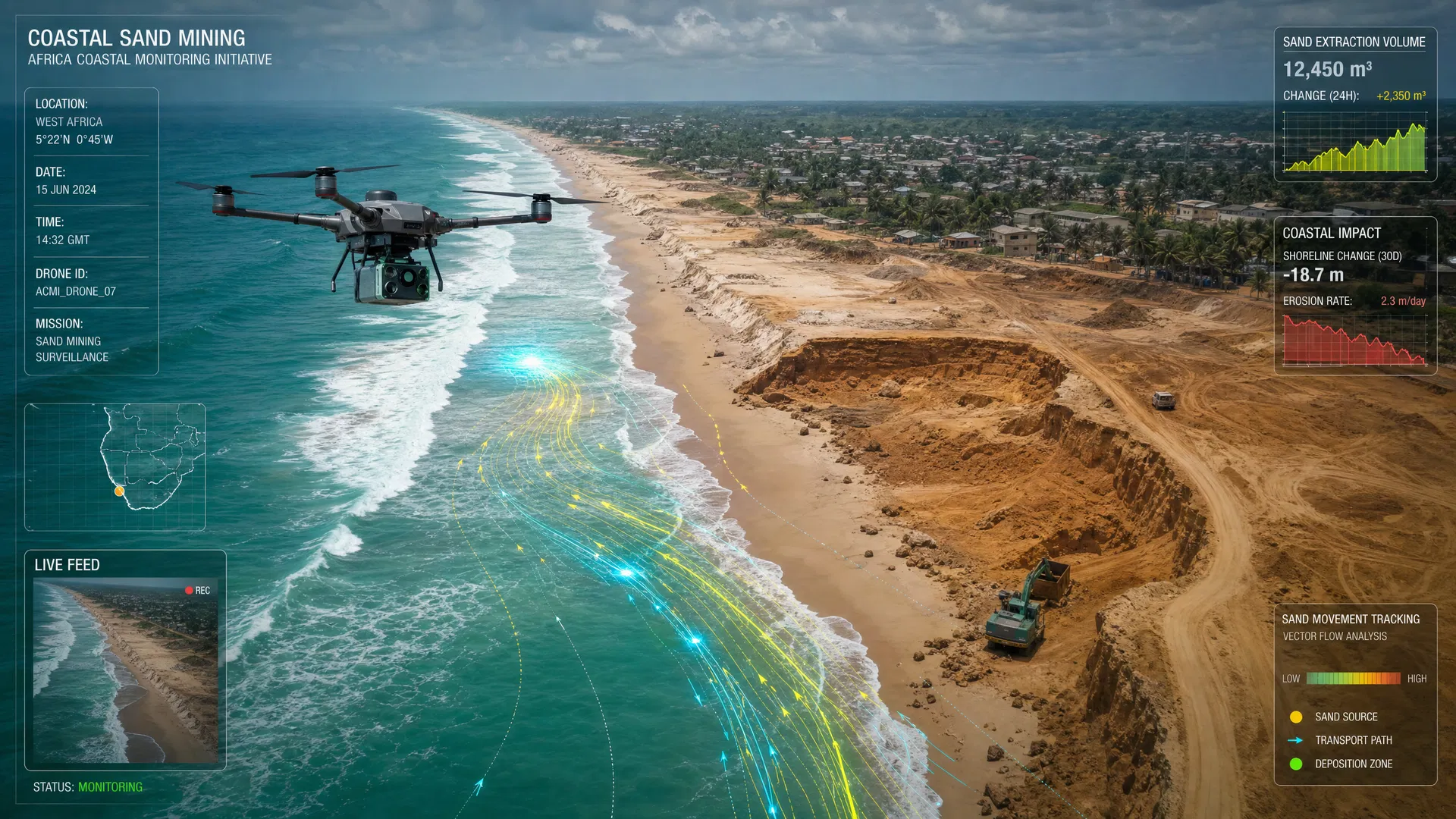
The scars of industrialization run deep across the African continent, quite literally. In South Africa alone, over 6,000 abandoned and ownerless mines dot the landscape, with at least 2,322 classified as high-risk to public health and the environment. These derelict sites are more than just eyesores; they are sources of toxic acid mine drainage, heavy metal contamination, and physical hazards that disproportionately affect marginalized communities. For decades, the staggering cost of rehabilitation—estimated in the billions of dollars—has paralyzed governments and mining corporations alike. However, a transformative solution is emerging at the intersection of finance and technology: digital bonds for environmental restoration.
The traditional approach to mine rehabilitation has been plagued by opacity, misaligned incentives, and chronic underfunding. Historically, mining companies were required to set aside financial provisions for closure, but these funds often proved inadequate or were mismanaged. When companies went bankrupt or simply walked away, the liability fell on the state, which rarely had the fiscal capacity to undertake comprehensive ecological restoration. This systemic failure has left vast tracts of land unusable for agriculture or human settlement, exacerbating food insecurity and economic stagnation in rural areas.
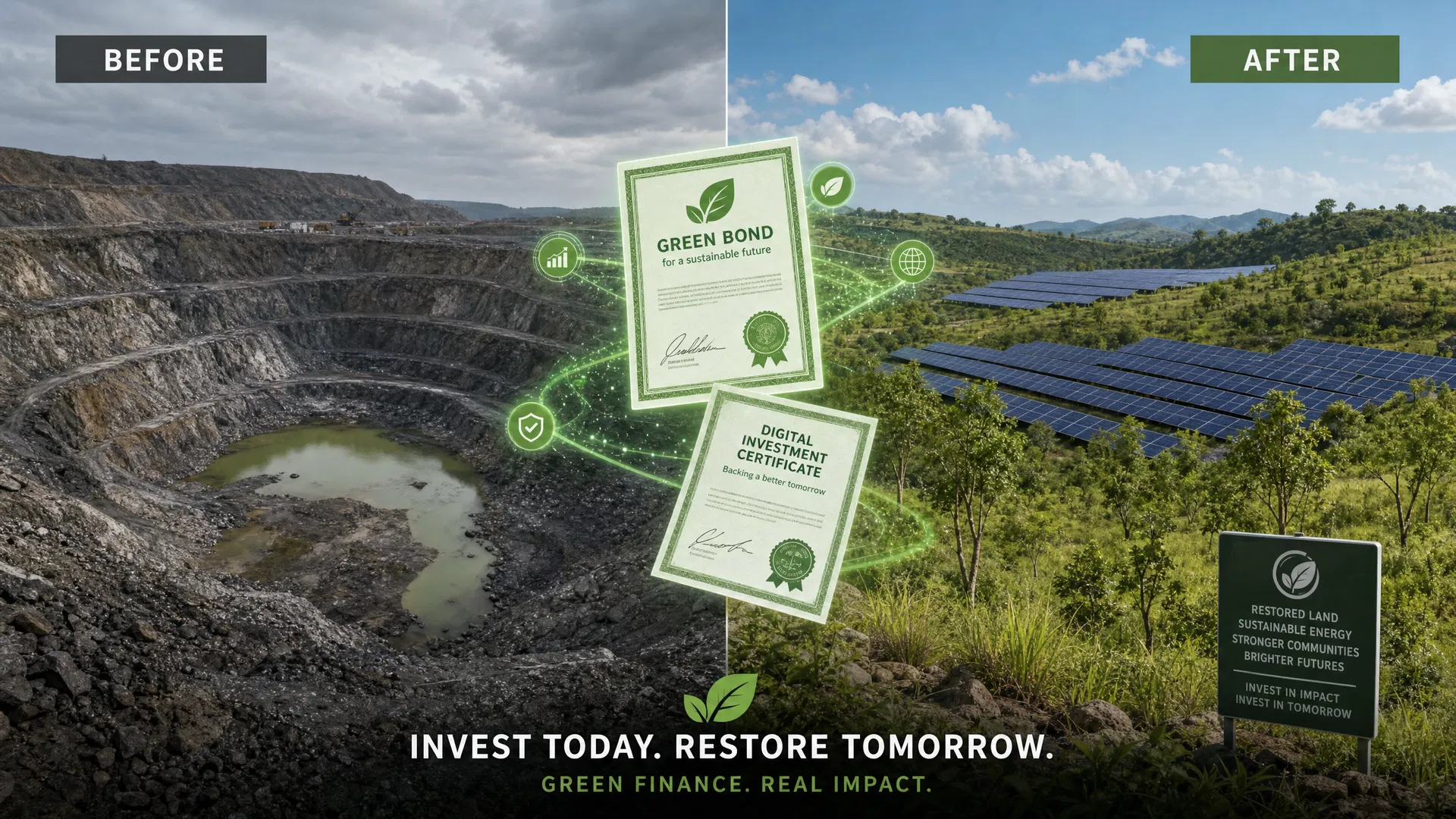
Enter the era of digital infrastructure and asset tokenization. By leveraging blockchain technology, we can fundamentally restructure how environmental restoration is funded, executed, and verified. Digital bonds represent a paradigm shift from traditional debt instruments. Unlike conventional green bonds, which can suffer from greenwashing and opaque reporting, digital bonds issued on a blockchain offer unprecedented transparency, traceability, and accountability. Every dollar invested can be tracked in real-time, ensuring that funds are deployed exactly as intended for specific rehabilitation projects.
The mechanics of this innovation are elegant in their efficiency. A government or a coalition of environmental organizations can issue a digital restoration bond to fund the cleanup of a specific cluster of abandoned mines, such as the asbestos and coal mines in Mpumalanga or the gold tailings in the Witwatersrand basin. These bonds are tokenized, meaning they are broken down into smaller, tradable digital assets. This fractionalization democratizes access to green finance, allowing not just institutional investors but also retail investors and local communities to participate in and benefit from the restoration of their own ecosystems.
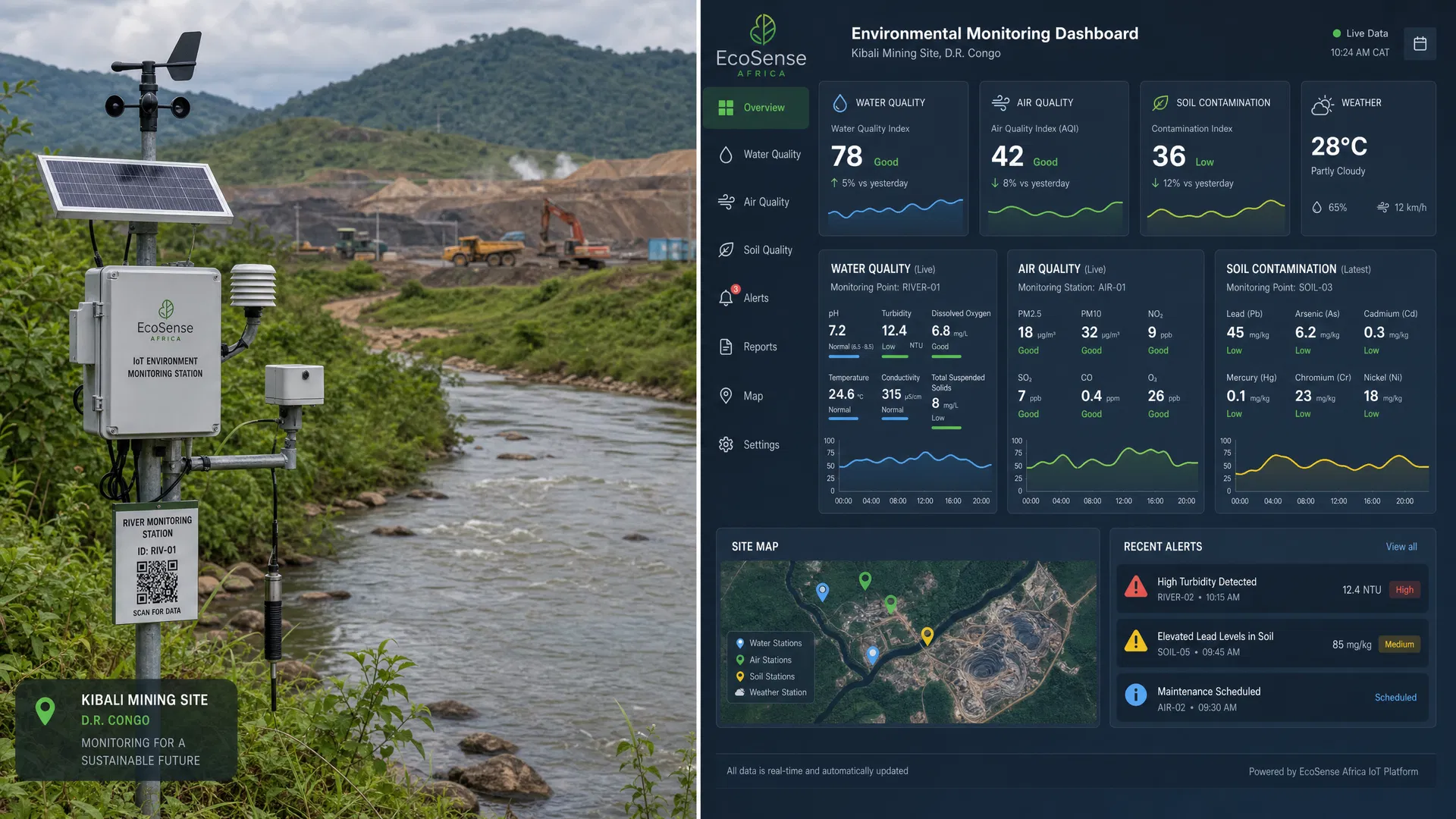
Crucially, digital bonds can be structured as outcomes-based instruments, similar to the pioneering Spekboom Restoration Outcome Bond recently priced by the World Bank in South Africa. Through smart contracts—self-executing code on the blockchain—interest payments or principal repayments can be automatically triggered only when predefined, verifiable ecological milestones are met. For instance, sensors and satellite imagery can monitor the reduction of water toxicity or the successful revegetation of a mine dump. Once an independent oracle verifies this data, the smart contract automatically disperses the yield to investors. This ensures that financial returns are inextricably linked to genuine, measurable environmental impact.
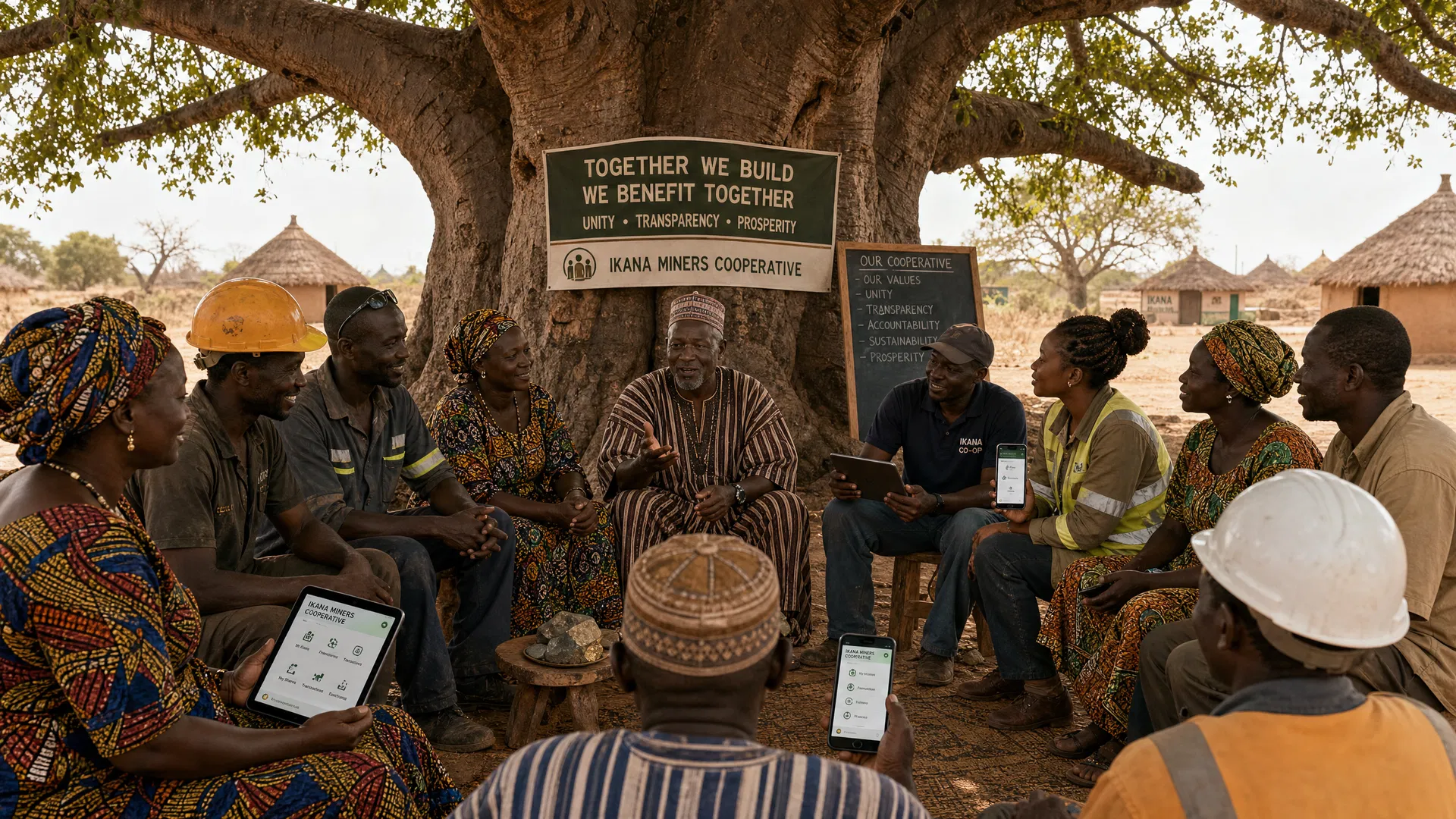
The tokenization of mine rehabilitation also unlocks new economic opportunities for the communities living in the shadows of these derelict sites. Restoration projects require significant labor, from earthmoving and water treatment to planting indigenous flora. By integrating digital identities and mobile wallets, workers can be paid directly and transparently, bypassing corrupt intermediaries. Furthermore, once the land is rehabilitated, it can be repurposed for sustainable agriculture or renewable energy generation. The future yields of these new enterprises can also be tokenized, creating a continuous cycle of value generation that replaces the extractive legacy of the past.
Several African nations are already exploring the potential of tokenized real-world assets. Nigeria, for example, has engaged advisory firms to explore the tokenization of its mining and minerals space, signaling a growing institutional appetite for blockchain solutions in the resource sector. As regulatory frameworks mature across the continent, the issuance of digital bonds for environmental restoration could become a standard practice, attracting global ESG (Environmental, Social, and Governance) capital that is increasingly demanding rigorous, data-driven proof of impact.
The rehabilitation of Africa's abandoned mines is not merely an environmental imperative; it is a profound economic and social necessity. It is about reclaiming stolen futures and restoring dignity to communities that have borne the brunt of extractive capitalism. Digital bonds offer the financial architecture needed to turn this monumental challenge into an investable opportunity. By aligning the profit motive with ecological healing, we can mobilize the capital required to heal the land.
At AfriVest, we recognize that the future of Africa's economy is digital, sustainable, and inclusive. As the continent's premier digital infrastructure platform for asset tokenization and cooperative governance, we are committed to pioneering financial instruments that drive real-world impact. We envision a future where digital bonds not only finance the restoration of our natural heritage but also empower local communities through shared ownership and transparent governance. The technology to heal our land is already in our hands; it is time to build the robust infrastructure of restoration.