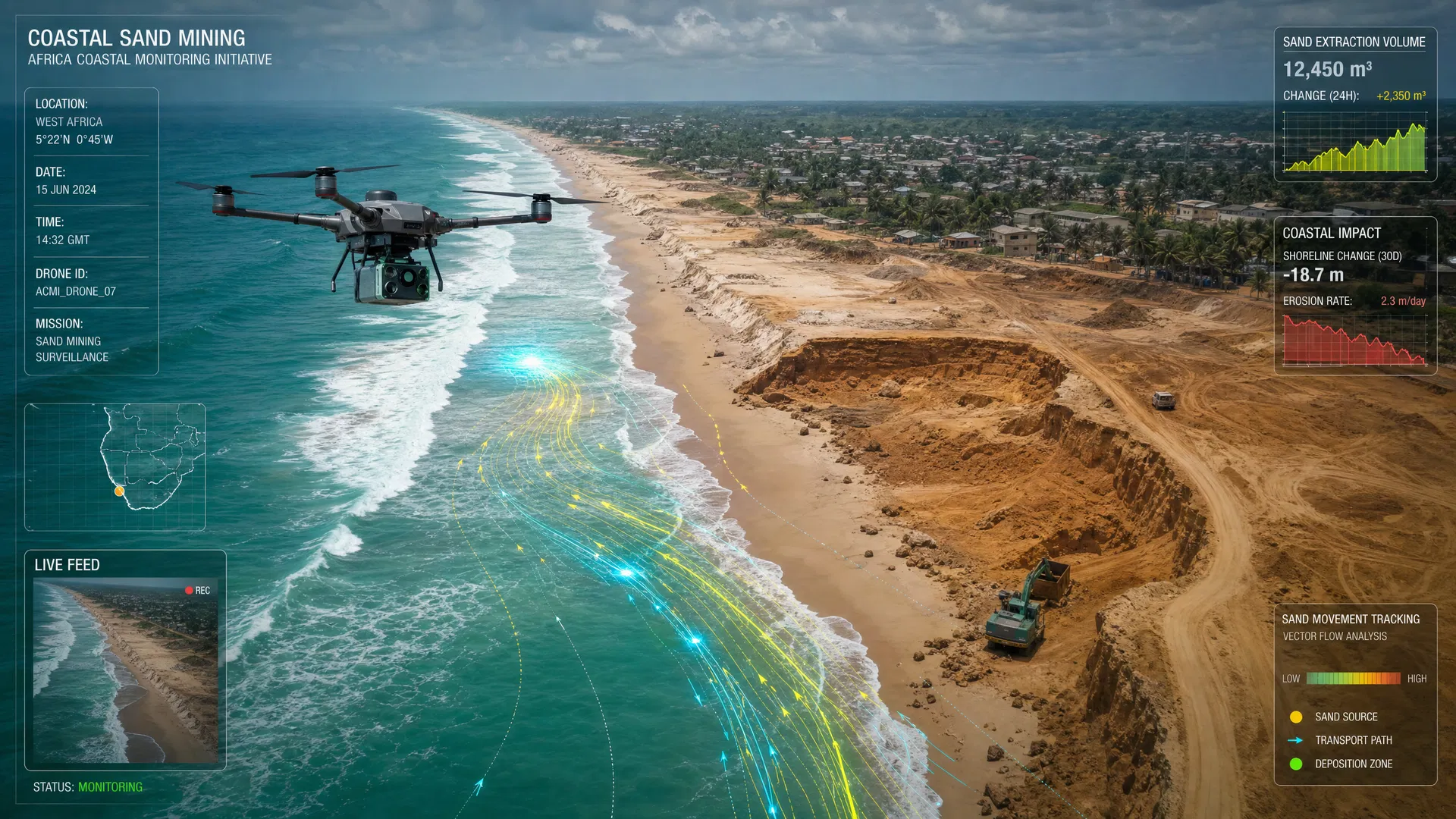
The accelerating crisis of sand mining along Africa’s coastlines presents a profound threat not only to the environmental stability of the continent but also to its economic and social fabric. Sand, often overlooked as a mere granular resource, is in reality a foundational material for construction, infrastructure development, and industrial processes. Yet, the unchecked extraction of sand from coastal and riverine environments has led to severe ecological degradation, increased vulnerability to climate change impacts, and the disruption of local communities. Addressing this challenge demands innovative solutions rooted in transparency, accountability, and sustainable resource management—areas where digital infrastructure and blockchain technology, such as those championed by AfriVest, can play a transformative role.
Across Africa, the demand for sand has surged dramatically in recent years due to rapid urbanization and infrastructure development. For instance, Nigeria, Africa’s most populous country, has witnessed a 60% increase in construction sand demand over the past decade, largely driven by expanding urban centers like Lagos and Abuja. Similarly, Kenya and Ghana have reported escalating exploitation of sand resources along their coastlines, with Kenya’s coastal areas experiencing significant erosion linked to illegal sand mining activities. According to the United Nations Environment Programme (UNEP), sand mining is now one of the fastest-growing environmental challenges globally, and Africa is no exception. The problem is compounded by informal and unregulated mining, making it difficult for authorities to monitor and control extraction volumes and locations effectively.
Traditional regulatory frameworks have struggled to keep pace with the scale and complexity of sand mining, particularly where enforcement capacity is limited. This regulatory gap has resulted in rampant illegal mining, environmental destruction, and loss of livelihoods for coastal communities who depend on stable ecosystems. For example, in Mozambique’s Zambezia province, uncontrolled sand extraction has caused shoreline retreat rates as high as 1.5 meters per year, threatening local fisheries and agriculture. The challenge lies in creating systems that not only track sand extraction in real-time but also ensure that the benefits of these resources are equitably shared and operations are conducted sustainably.
Digital tracking through blockchain and asset tokenization offers a promising solution to these challenges. By deploying a decentralized ledger system, it becomes possible to create transparent, tamper-proof records of sand extraction activities—from the point of extraction to transportation and final use. Each batch of sand can be tokenized as a digital asset, embedding key data such as origin, quantity, and legal compliance status. This approach can empower regulatory bodies, local governments, and community organizations to monitor mining activities remotely and verify that operators adhere to designated quotas and environmental standards.
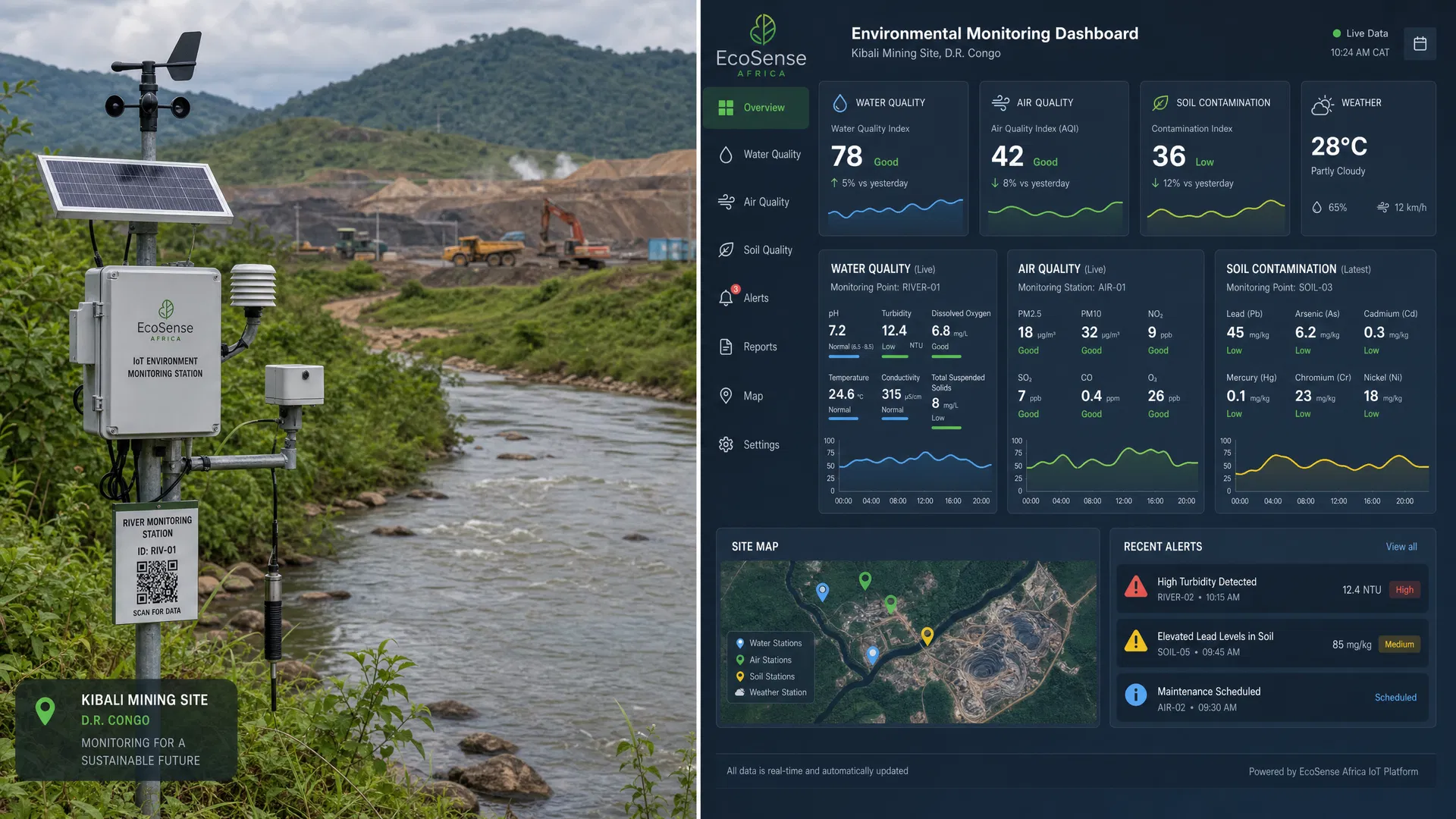
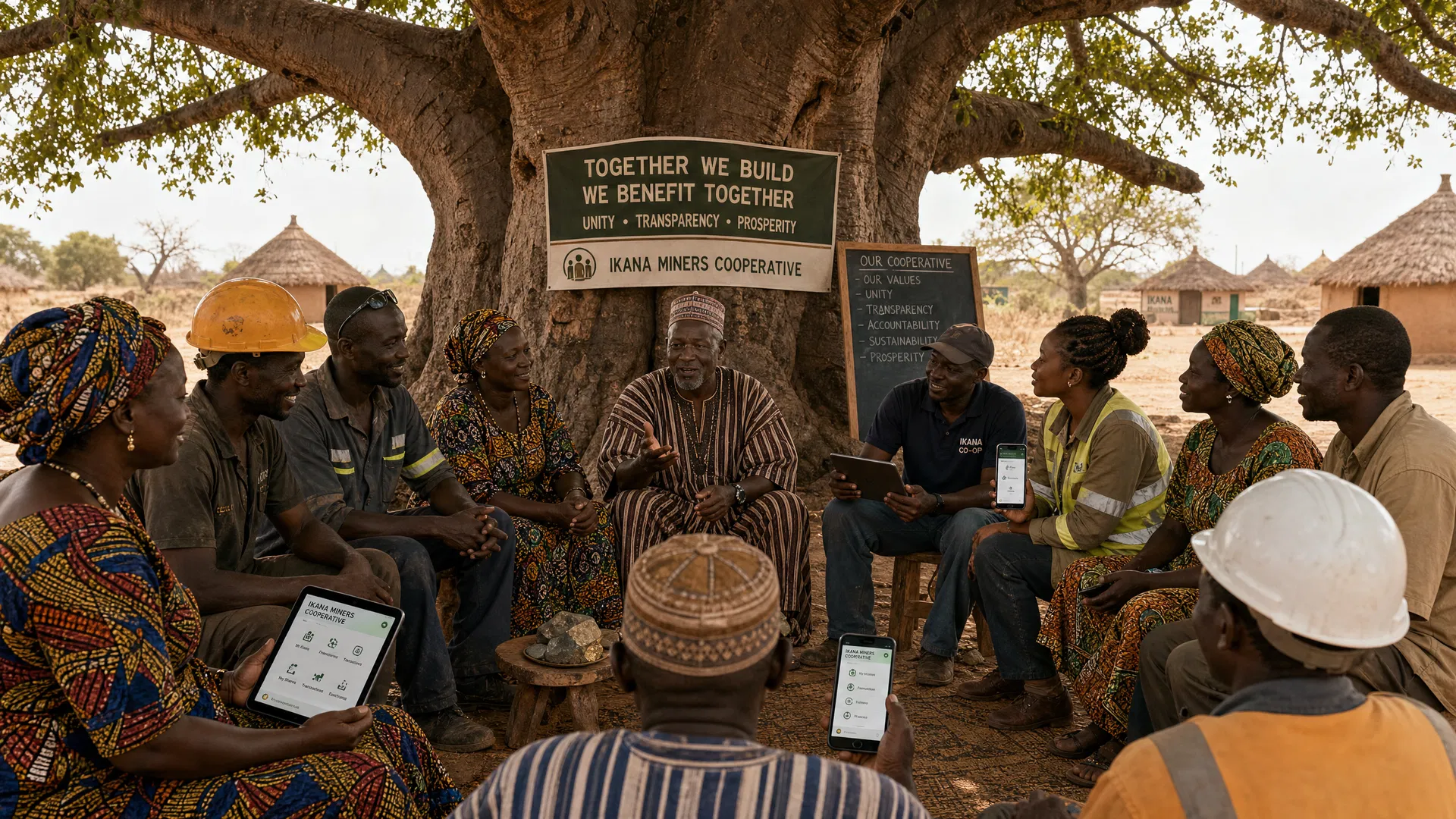
In practice, this digital infrastructure can integrate with Internet of Things (IoT) sensors placed at mining sites and transport vehicles, providing real-time data feeds into the blockchain. For example, in Senegal, where coastal erosion linked to sand mining has disrupted fishing communities, pilots incorporating GPS and sensor data into a blockchain platform have demonstrated enhanced monitoring capabilities and improved enforcement outcomes. By linking these digital tokens to cooperative governance models, AfriVest envisions empowering local stakeholders to participate actively in resource management decisions, ensuring that economic benefits from sand mining are reinvested in community development and environmental restoration.
Moreover, digital tokenization of sand mining assets can facilitate financial inclusion for small-scale miners and local entrepreneurs. Traditionally marginalized actors in the supply chain often lack access to formal credit or markets due to opaque operations and lack of traceability. With a transparent digital record of their mining activities and compliance, these miners can leverage their tokenized assets as collateral or trade them on regulated digital marketplaces. This not only formalizes the sector but also drives economic growth by integrating informal miners into mainstream financial systems, consistent with AfriVest’s mission to promote inclusive digital economies across Africa.
Several African nations are beginning to recognize the potential of digital tools in combating environmental resource challenges. South Africa, for instance, has invested in blockchain pilots aimed at securing mineral supply chains, while Rwanda has launched initiatives leveraging digital identity and tracking in its mining sector. However, the application specifically targeting sand mining remains nascent but ripe for expansion. Given the transboundary nature of many African coastal environments, regional cooperation facilitated by interoperable digital platforms can harmonize standards and enforcement across countries, amplifying impact.
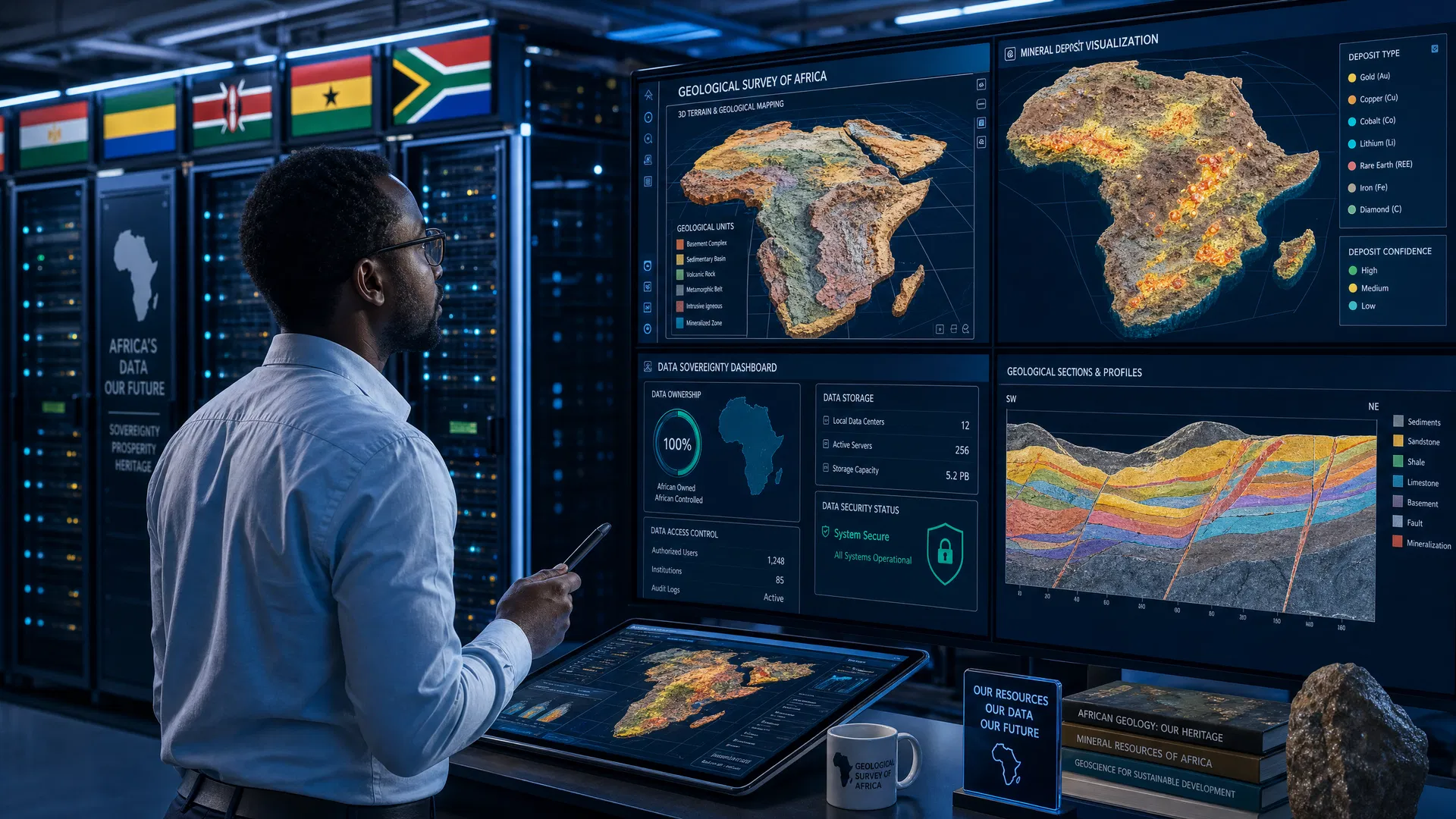
Looking ahead, AfriVest is committed to advancing the digital transformation of Africa’s natural resource management, including addressing the sand mining crisis. Our platform’s integrated approach—combining asset tokenization, cooperative governance, and financial inclusion—provides a scalable blueprint for sustainable resource stewardship. By collaborating with governments, environmental organizations, and local communities, AfriVest aims to pilot and deploy blockchain-enabled sand tracking solutions that not only safeguard Africa’s coastlines but also unlock new economic opportunities for its people.
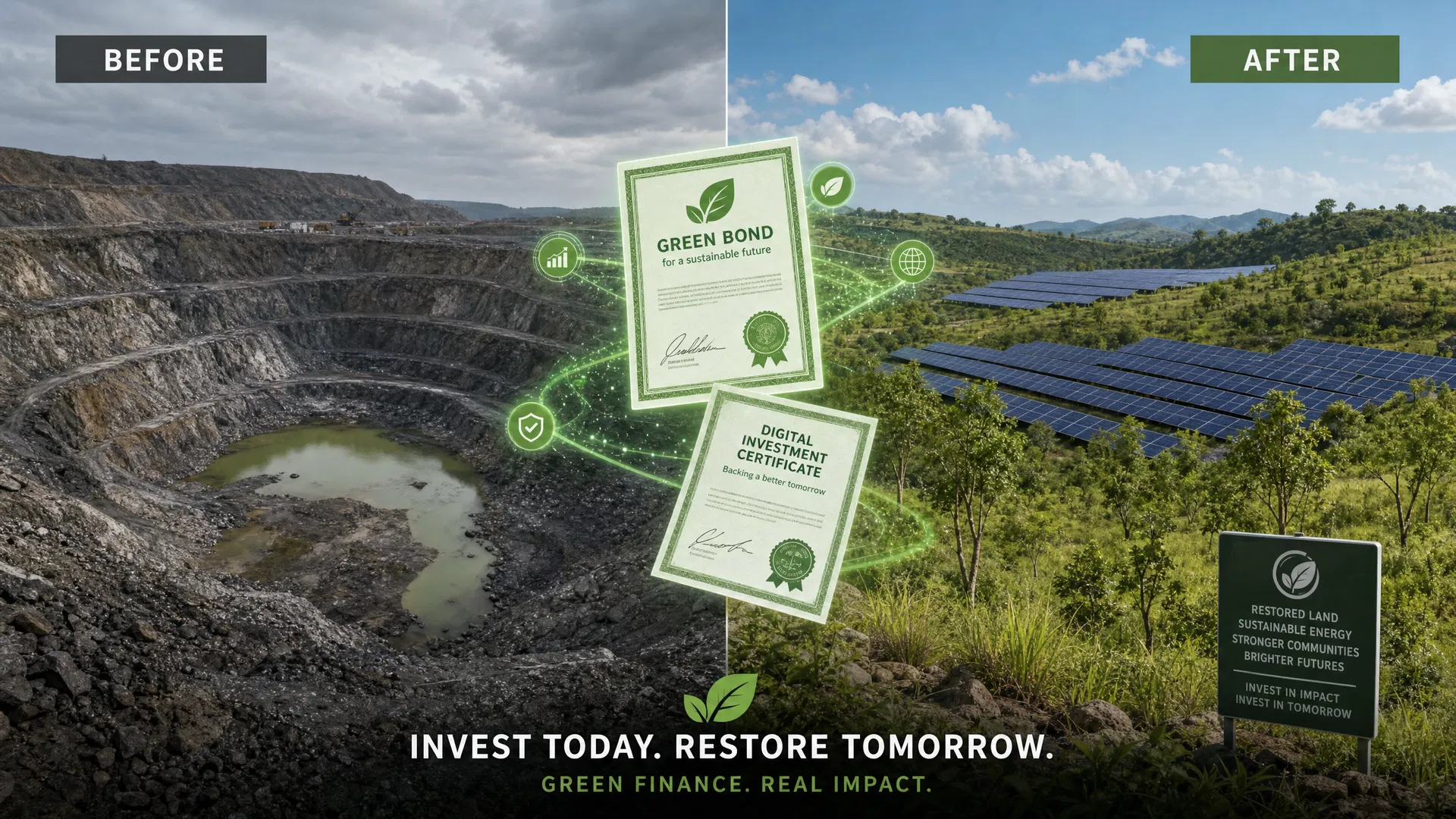
The sustainable management of sand mining is critical for preserving Africa’s coastal ecosystems, protecting vulnerable communities, and supporting the continent’s infrastructure ambitions. Digital tracking and blockchain technology represent powerful tools to bring transparency, accountability, and inclusivity to this complex challenge. Through innovative digital infrastructure, AfriVest envisions a future where Africa’s natural resources are managed responsibly, equitably, and with resilience—driving the continent’s digital and economic transformation in harmony with its environment.