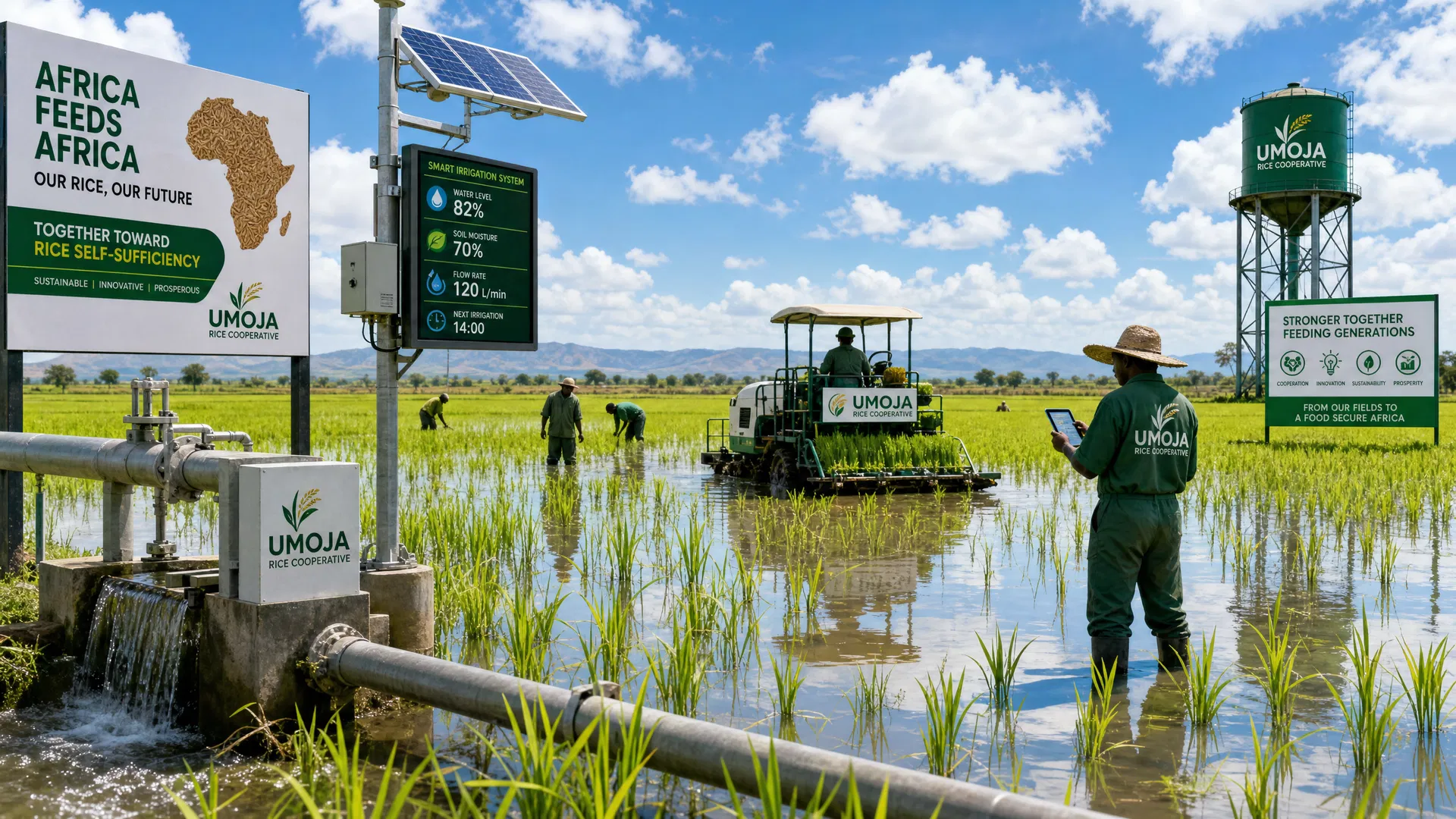
The agricultural landscape of Sub-Saharan Africa is undergoing a profound transformation, driven by the convergence of precision agriculture and advanced satellite data. For decades, the region's agricultural sector has been characterized by smallholder farming, which accounts for approximately 80 percent of the food produced in Sub-Saharan Africa. Despite their critical role in ensuring food security, these smallholder farmers have historically faced significant challenges, including unpredictable weather patterns, limited access to resources, and stagnant crop yields. However, the integration of Earth observation technologies and digital infrastructure is now offering unprecedented opportunities to enhance agricultural productivity, optimize resource use, and build resilience against climate change.
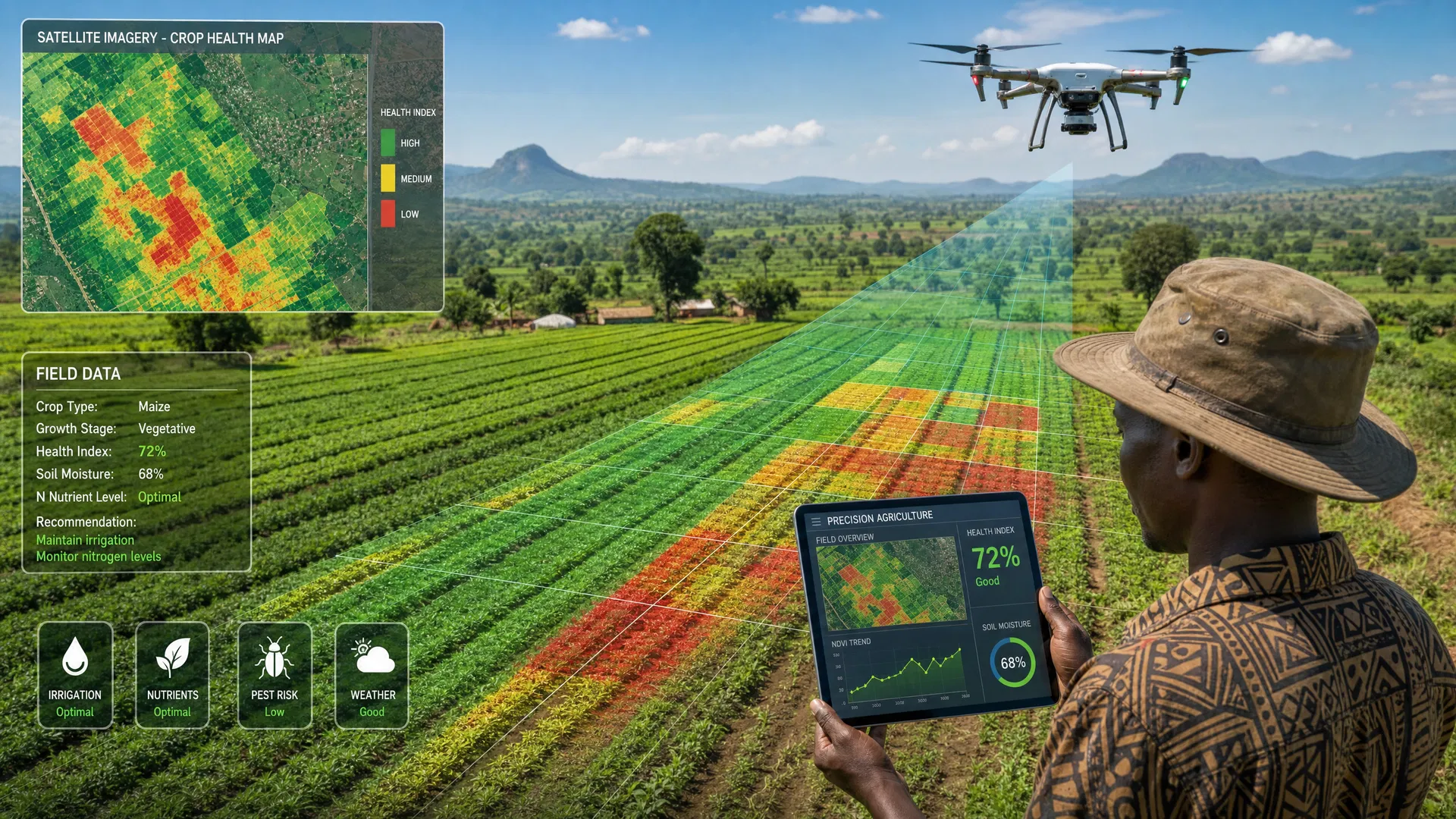
Precision agriculture, traditionally associated with large-scale commercial farming in developed nations, is being reimagined for the African context. At its core, precision agriculture involves the use of data-driven insights to manage spatial and temporal variability within fields, thereby maximizing crop yields while minimizing environmental impacts. In Sub-Saharan Africa, where small, heterogeneous farm plots dominate the landscape, the application of precision agriculture has been made possible through the democratization of satellite data. High-resolution satellite imagery, combined with advanced analytics, enables the monitoring of crop health, soil moisture, and weather conditions with remarkable accuracy. This wealth of information empowers farmers to make informed decisions regarding planting, irrigation, and the application of fertilizers, ultimately leading to improved resource use efficiency.
The impact of satellite data on smallholder farming cannot be overstated. Organizations such as the United Nations Development Programme (UNDP) and various research institutions have highlighted the potential of these technologies to revolutionize agricultural practices. For instance, satellite-based agricultural monitoring systems can provide early warnings for droughts or pest infestations, allowing farmers to take proactive measures to protect their crops. Furthermore, the ability to map land use and track crop growth from space facilitates the development of targeted interventions that address the specific needs of different farming communities. By leveraging Earth observation data, agricultural stakeholders can optimize the distribution of resources, ensuring that support reaches those who need it most.
Beyond the immediate benefits to farm productivity, the integration of satellite data into precision agriculture has far-reaching implications for the broader agricultural ecosystem. One of the most significant developments in this space is the intersection of digital infrastructure, blockchain technology, and asset tokenization. In many parts of Sub-Saharan Africa, smallholder farmers lack access to formal financial services, making it difficult for them to secure loans or insurance. This financial exclusion is often exacerbated by the absence of reliable data on farm performance and risk profiles. However, the combination of satellite data and blockchain technology offers a compelling solution to this challenge.
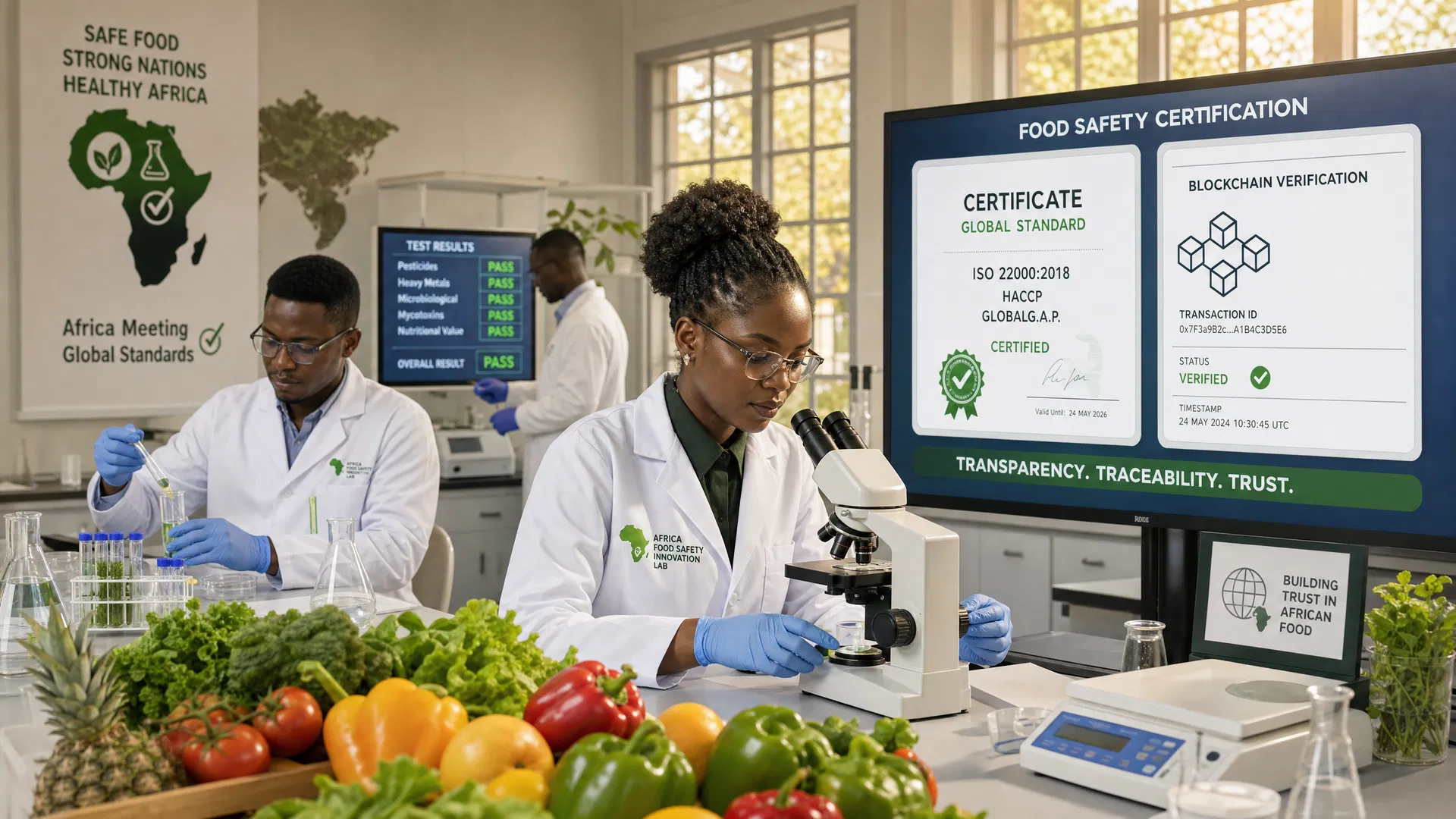
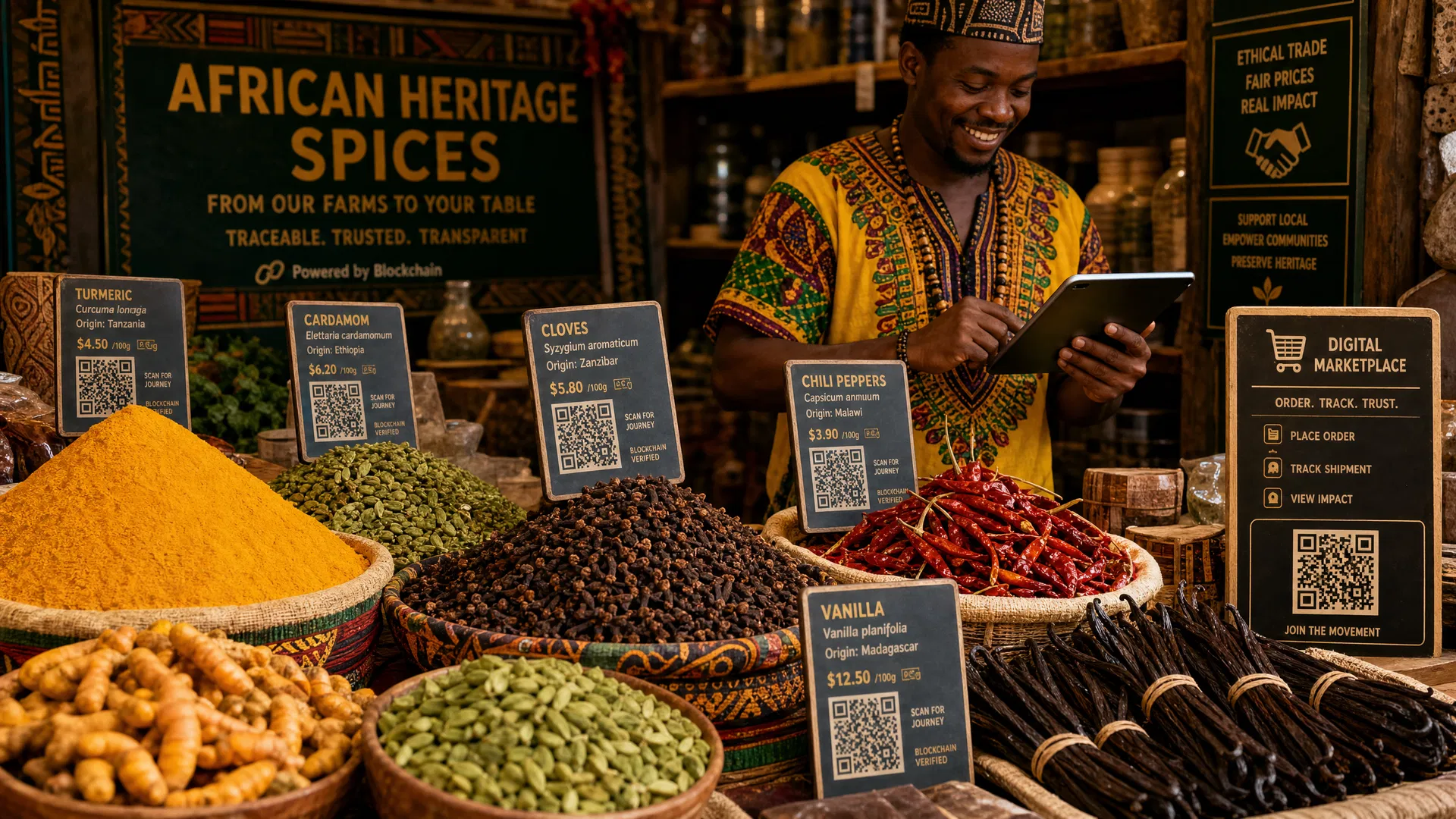
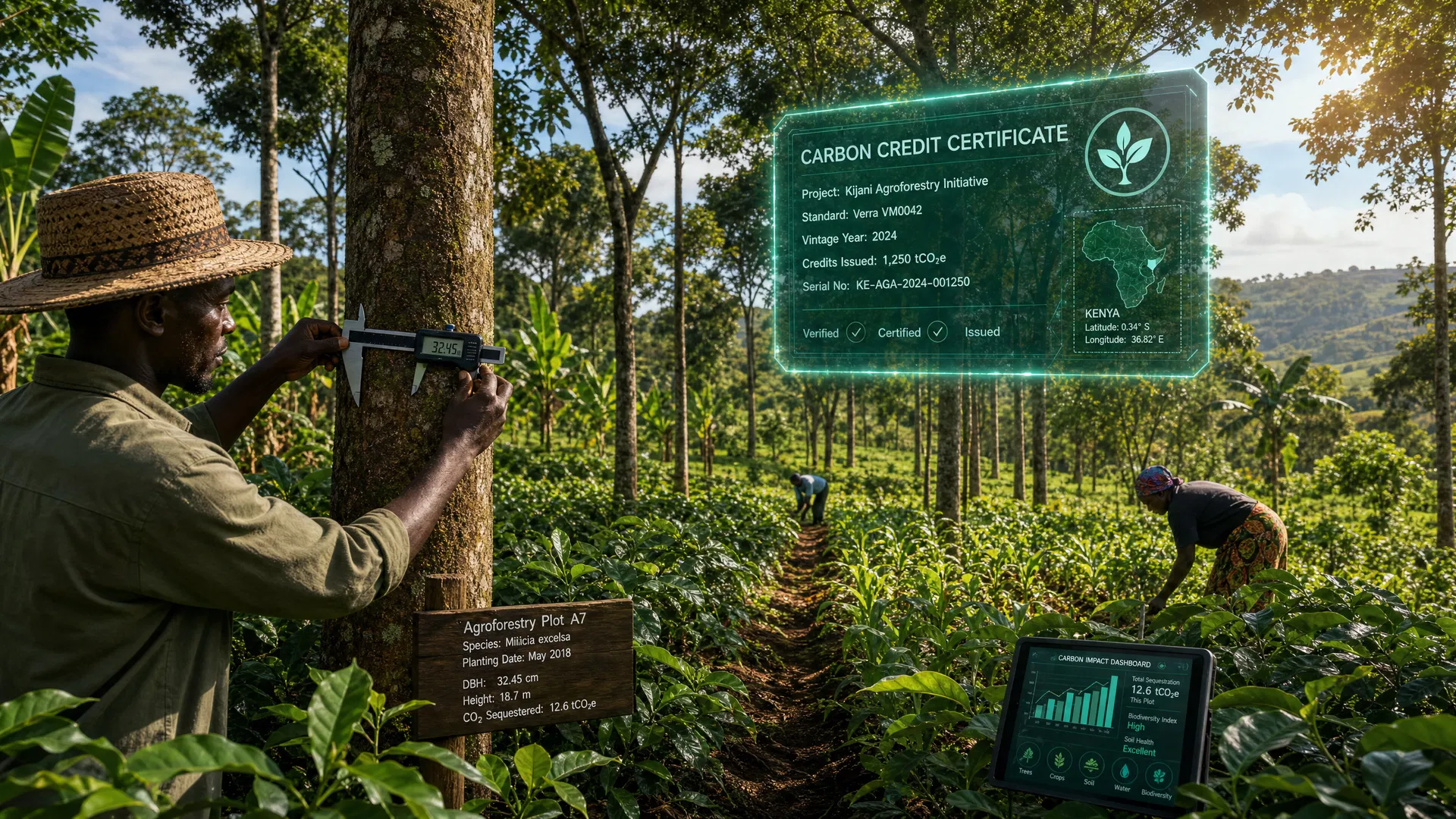
By digitizing agricultural assets and tokenizing farm outputs, platforms like AfriVest are creating new avenues for financial inclusion and cooperative governance. Satellite data provides a verifiable and immutable record of farm performance, which can be recorded on a blockchain to create a transparent and trustworthy digital identity for smallholder farmers. This digital footprint enables financial institutions to assess creditworthiness and offer tailored financial products, such as microloans and parametric insurance, based on objective data rather than traditional collateral. Moreover, asset tokenization allows farmers to fractionalize ownership of their crops or land, unlocking liquidity and attracting investment from a global pool of capital.
The synergy between precision agriculture, satellite data, and digital infrastructure is already yielding tangible results across the continent. In countries like Kenya and Nigeria, innovative agritech startups are leveraging these technologies to provide smallholder farmers with actionable insights and financial services. For example, satellite-derived data on soil health and weather patterns can be used to generate customized agronomic advice, which is delivered to farmers via mobile phones. Simultaneously, blockchain-based platforms facilitate secure and transparent transactions, ensuring that farmers receive fair compensation for their produce. These initiatives not only enhance agricultural productivity but also empower farmers to participate more actively in the digital economy.
As we look to the future, the role of digital infrastructure in transforming Africa's agricultural sector will only become more critical. The challenges posed by climate change, population growth, and resource constraints require innovative solutions that leverage the power of data and technology. AfriVest is at the forefront of this digital revolution, championing the integration of precision agriculture, satellite data, and blockchain technology to build a more resilient and inclusive agricultural ecosystem. By providing a robust platform for asset tokenization and cooperative governance, AfriVest is empowering smallholder farmers to unlock the full potential of their land and labor.
In conclusion, the convergence of precision agriculture and satellite data represents a paradigm shift for smallholder farming in Sub-Saharan Africa. By harnessing the power of Earth observation technologies and digital infrastructure, we can overcome the historical challenges that have hindered agricultural development in the region. AfriVest remains committed to driving this transformation, envisioning a future where every smallholder farmer has access to the data, tools, and financial services needed to thrive in the digital age. Through our innovative platform, we are not just digitizing Africa's economy; we are cultivating a more prosperous and sustainable future for all.