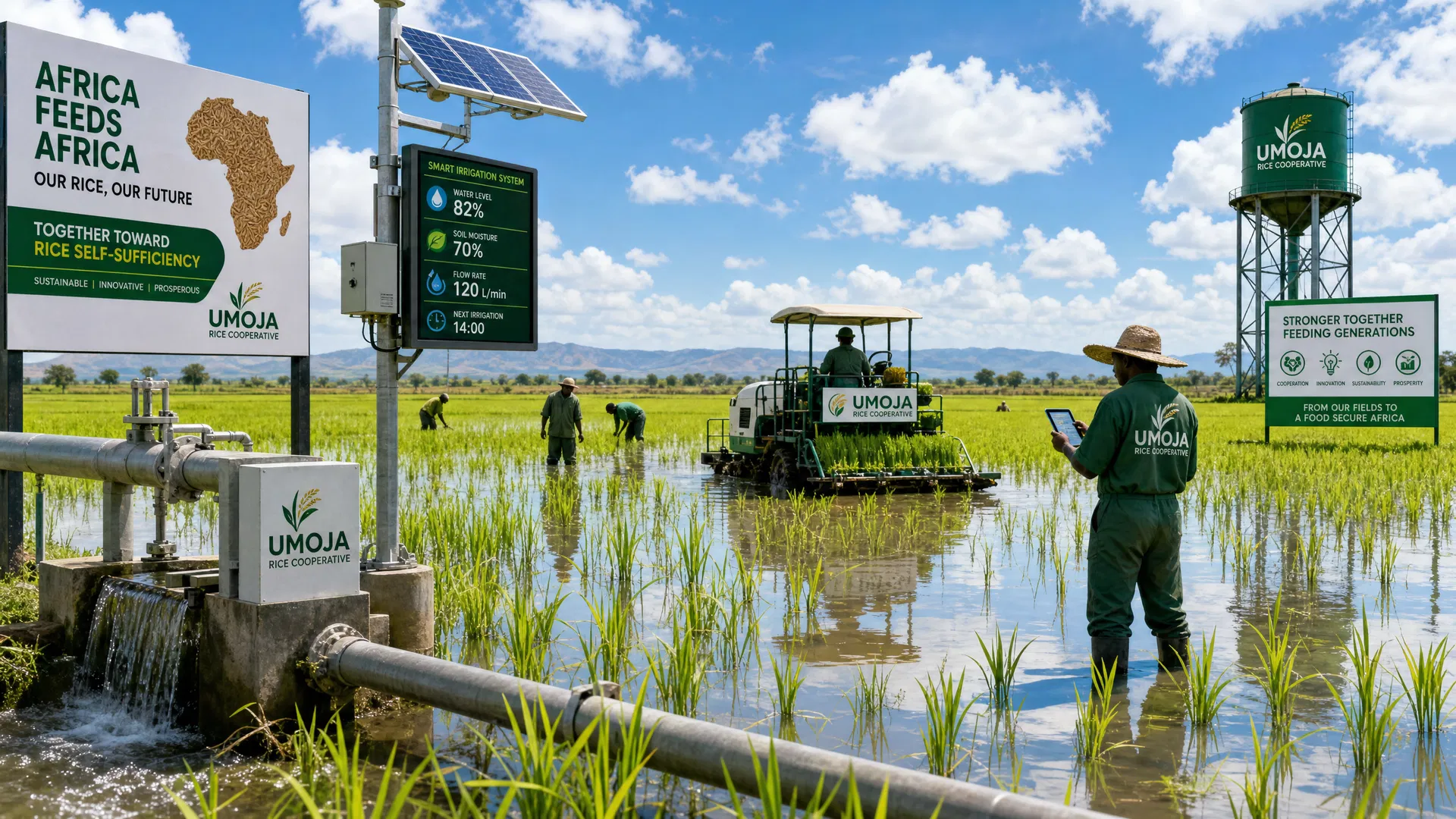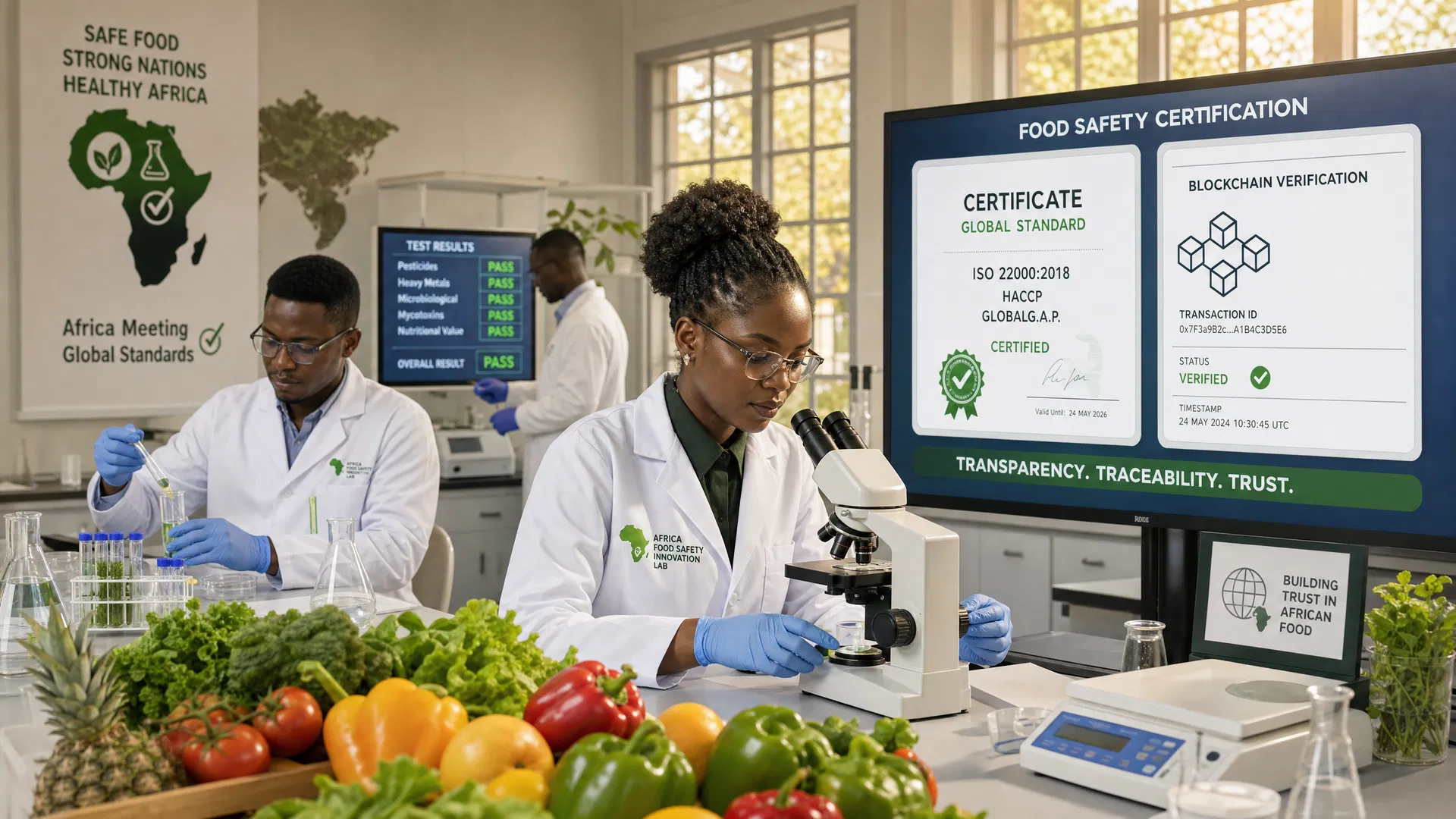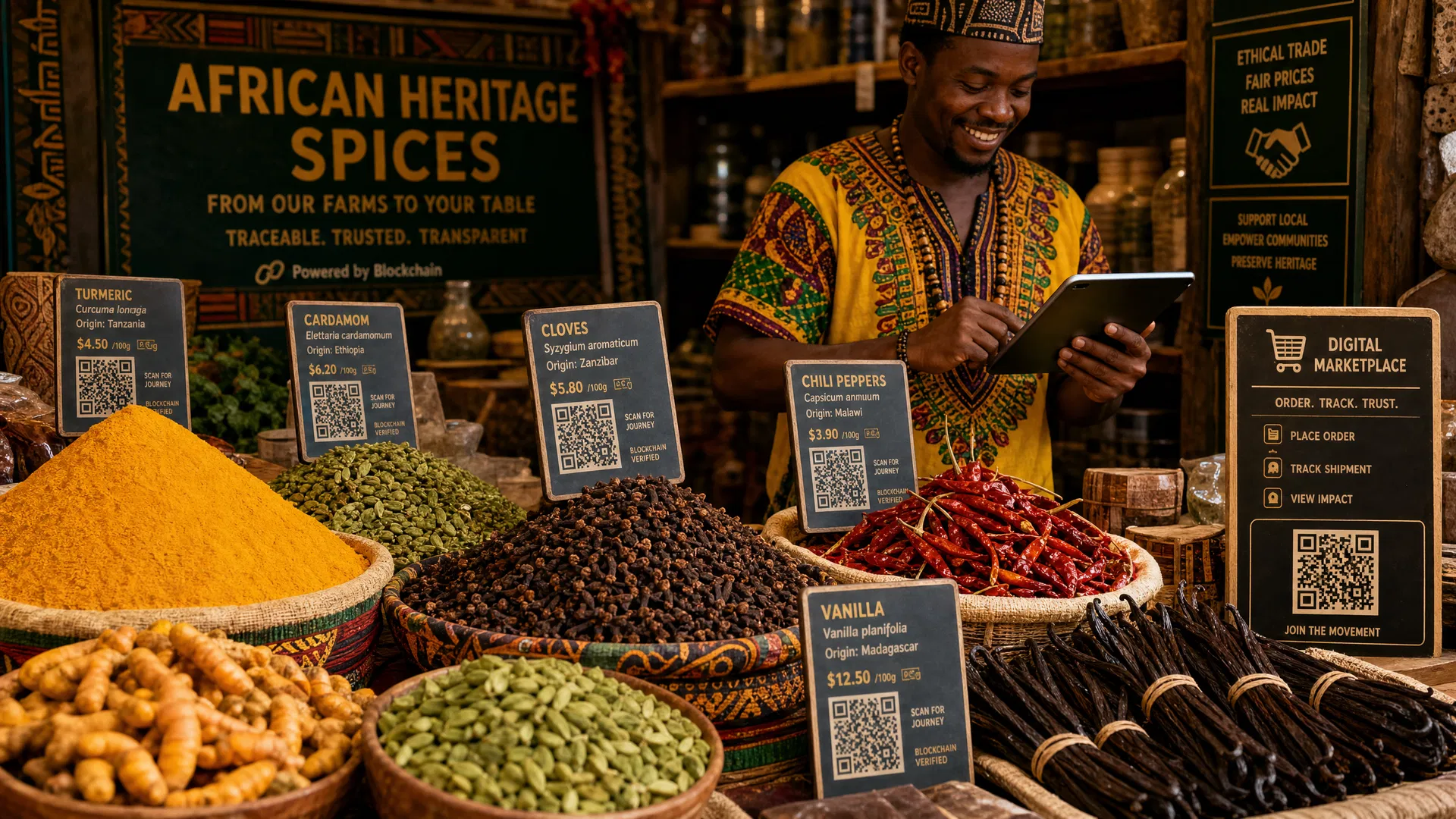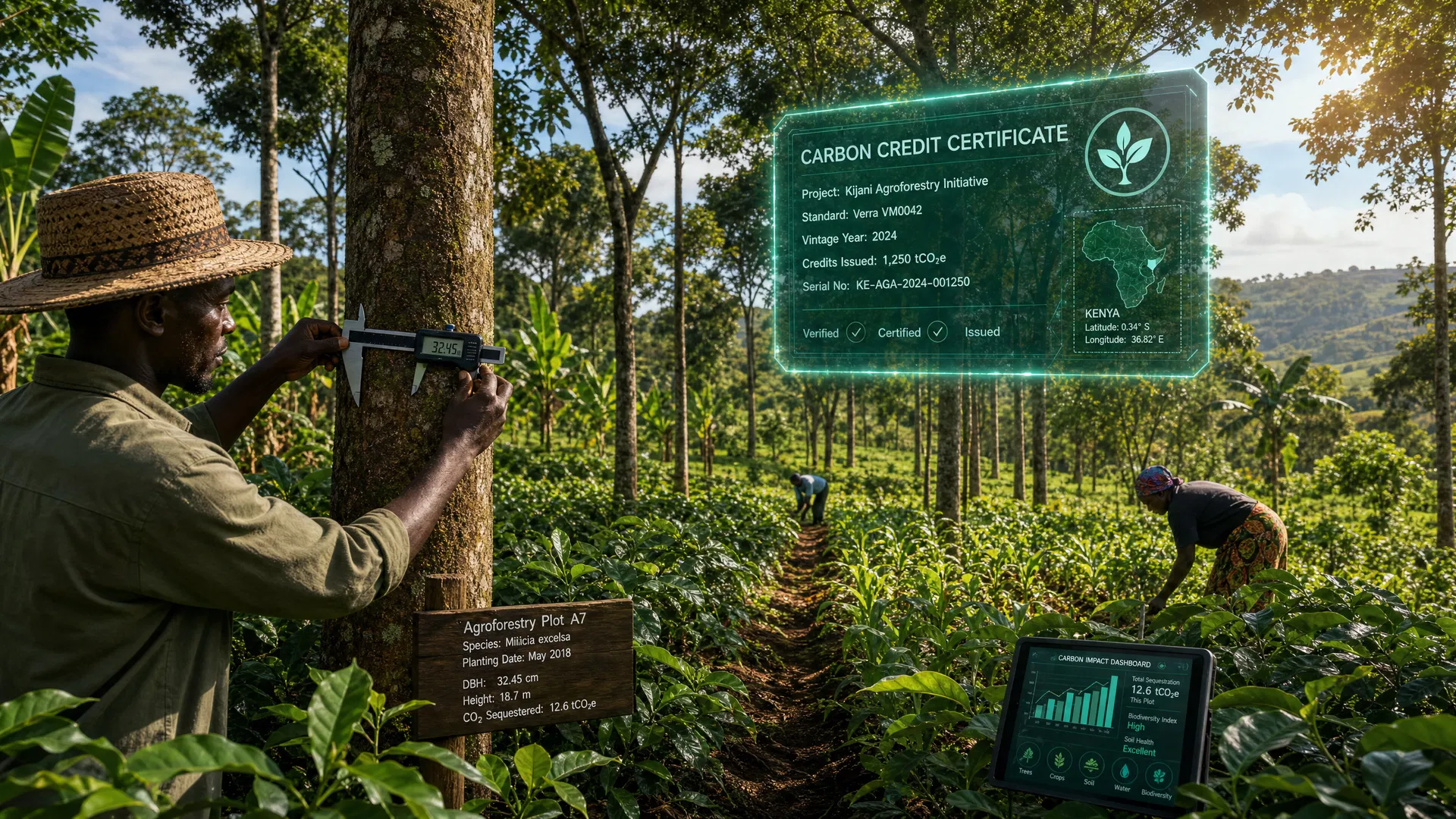
The global agricultural landscape is undergoing a profound transformation, and Africa stands at the precipice of a digital revolution that could redefine its food security paradigm. For decades, the continent has grappled with the complexities of managing strategic grain reserves—critical stockpiles designed to buffer against climate shocks, supply chain disruptions, and market volatility. However, traditional systems of physical storage and manual tracking are increasingly inadequate in the face of modern challenges. Enter the era of digital grain reserves, a paradigm shift powered by blockchain technology and asset tokenization. At AfriVest, we recognize that digitizing Africa’s strategic food stockpiles is not merely a technological upgrade; it is a fundamental reimagining of how agricultural wealth is preserved, managed, and distributed across the continent.
Strategic grain reserves are the bedrock of national food security. In countries like Kenya, Nigeria, and Zambia, these reserves are essential for stabilizing prices and ensuring that vulnerable populations have access to staple foods during times of crisis. Yet, the management of these physical assets is often plagued by inefficiencies. Post-harvest losses in Sub-Saharan Africa are staggering, with estimates suggesting that up to 30% of cereal crops are lost before they ever reach the consumer. Furthermore, the lack of transparency in reserve management can lead to market distortions and a lack of trust among stakeholders. The physical nature of these stockpiles also makes them illiquid, tying up significant capital that could otherwise be deployed to stimulate agricultural development.
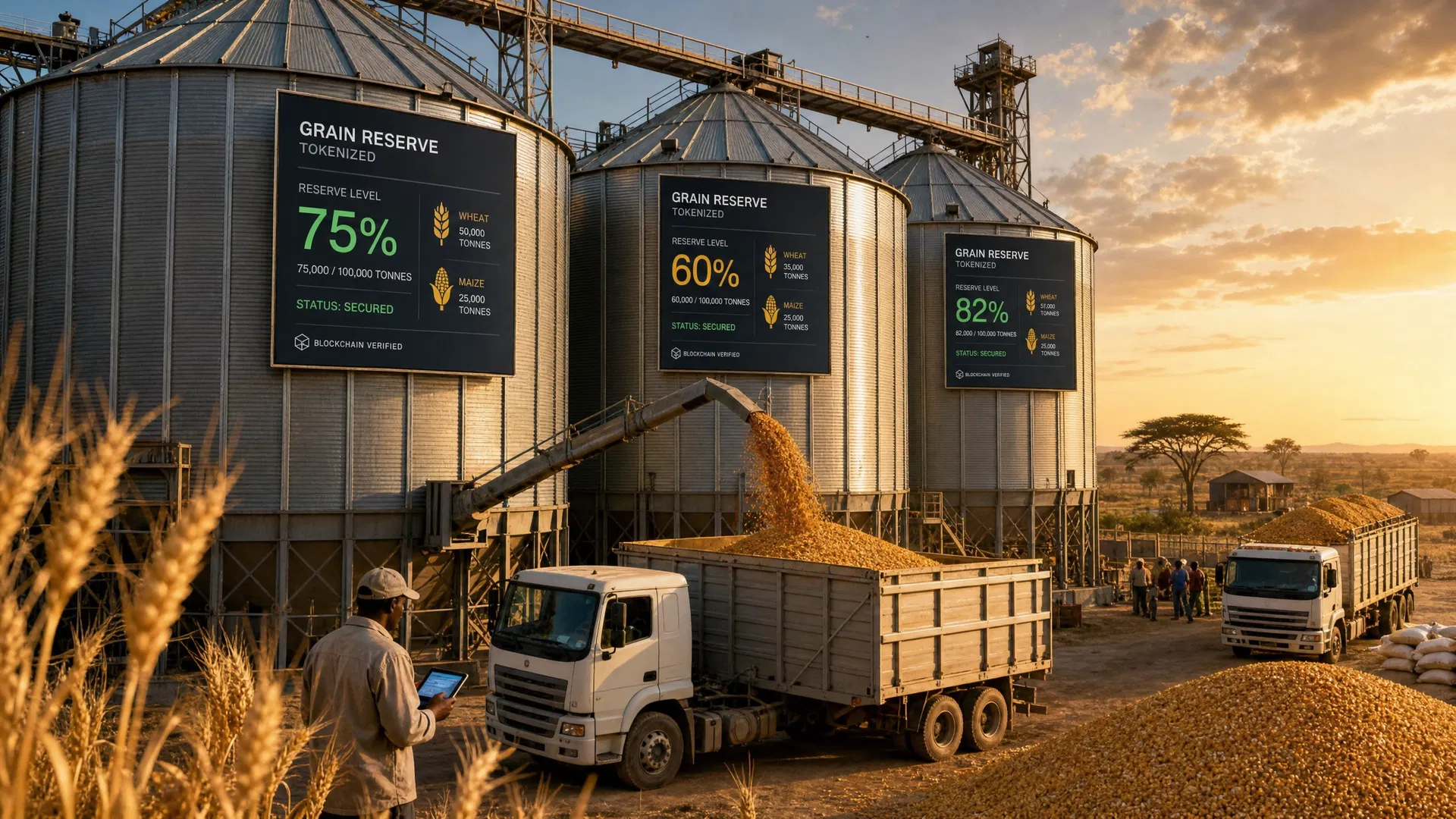
Tokenization offers a compelling solution to these entrenched challenges. By converting physical grain reserves into digital tokens on a blockchain, we can create a transparent, immutable, and highly liquid representation of agricultural assets. Each token corresponds to a specific quantity and quality of grain stored in a certified warehouse. This digital twin of the physical asset can be tracked in real-time, providing unprecedented visibility into the status of national stockpiles. For governments and institutional investors, this means the ability to monitor reserve levels, verify quality, and execute transactions with a level of efficiency that was previously unimaginable.
The implications of tokenizing grain reserves extend far beyond improved inventory management. One of the most significant benefits is the unlocking of liquidity. In traditional systems, grain stored in a warehouse is essentially dead capital until it is sold. Through tokenization, these assets can be collateralized, allowing farmers, cooperatives, and even governments to access financing based on the value of their stored grain. This is particularly transformative for smallholder farmers, who produce the vast majority of Africa’s food but often lack the collateral needed to secure loans from traditional financial institutions. By holding digital tokens representing their harvest, farmers can access credit, invest in better inputs, and ultimately increase their productivity.
Moreover, digital grain reserves can facilitate more efficient and equitable markets. Tokenized agricultural assets can be traded on digital exchanges, creating a seamless marketplace where buyers and sellers can interact directly, bypassing intermediaries who often capture a disproportionate share of the value. This democratization of agricultural trade can lead to fairer prices for producers and more stable costs for consumers. In regions prone to localized food shortages, the ability to quickly and transparently trade digital grain tokens can expedite the movement of food from areas of surplus to areas of deficit, enhancing regional food security.
The integration of blockchain technology also brings a new level of trust and accountability to the management of strategic reserves. Every transaction—from the initial deposit of grain into a warehouse to its eventual sale or distribution—is recorded on an immutable ledger. This transparency mitigates the risk of fraud and corruption, ensuring that reserves are managed in the public interest. Furthermore, smart contracts can be employed to automate critical functions, such as releasing funds when specific conditions are met or triggering the distribution of grain when market prices reach a certain threshold. This automation reduces administrative overhead and ensures a rapid response to emerging crises.
While the potential of digital grain reserves is immense, realizing this vision requires robust digital infrastructure and a supportive regulatory environment. It necessitates the development of certified warehousing systems, reliable internet connectivity, and legal frameworks that recognize digital tokens as legitimate representations of physical assets. It also requires collaboration between governments, technology providers, and financial institutions to build an ecosystem that is secure, inclusive, and scalable.
At AfriVest, we are committed to building the digital infrastructure necessary to support this transformation. As Africa’s premier platform for asset tokenization and cooperative governance, we envision a future where the continent’s agricultural wealth is fully integrated into the digital economy. By tokenizing strategic grain reserves, we can enhance food security, empower farmers, and attract new investment into the agricultural sector. The digitization of Africa’s food stockpiles is a critical step toward a more resilient and prosperous future, and AfriVest is proud to lead the charge in unlocking the true value of the continent’s agricultural potential.