
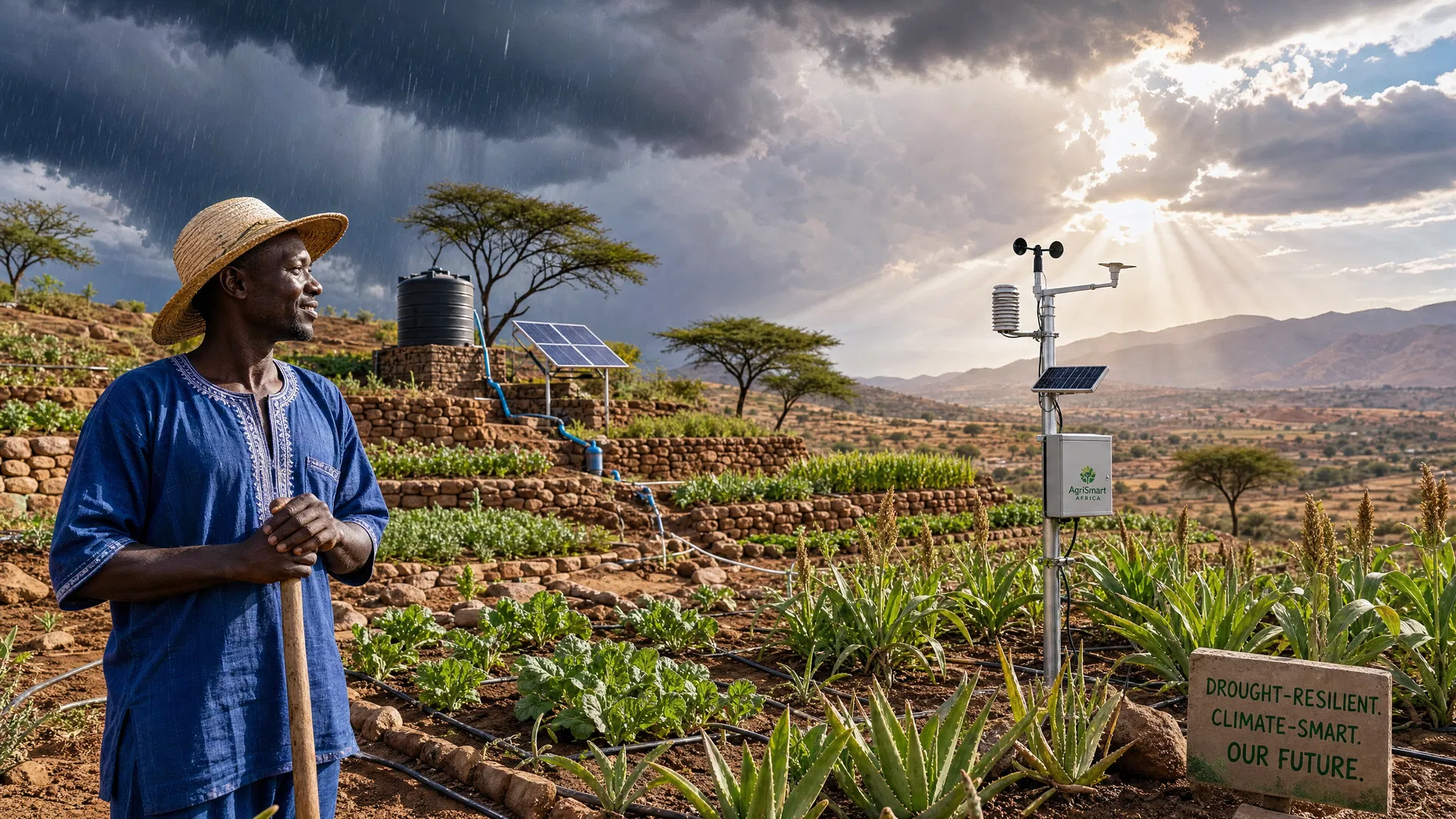
Climate change presents one of the gravest challenges to global agriculture, with Africa among the most vulnerable regions due to its dependence on rain-fed farming and limited adaptive capacity. Variability in rainfall, rising temperatures, evolving pest and disease pressures, and an increase in extreme weather events have collectively undermined food security, rural livelihoods, and economic stability on the continent. Climate-smart agriculture (CSA) emerges as a comprehensive response designed to increase productivity sustainably, enhance resilience to climate variability, and reduce greenhouse gas emissions. However, for many African farmers—predominantly smallholders with limited access to capital, technology, and timely information—adopting climate-smart solutions remains constrained by systemic barriers. AfriVest’s digital infrastructure platform addresses these challenges by leveraging blockchain technology, asset tokenization, cooperative governance, and financial inclusion to transform farming systems and support CSA adoption at scale. Africa holds about 60% of the world’s uncultivated arable land, yet agricultural productivity remains hampered by outdated techniques and underinvestment. The Food and Agriculture Organization (FAO) warns that climate change could reduce yields in sub-Saharan Africa by as much as 20% by 2050 in the absence of adaptation. Only 4% of African farmland benefits from irrigation, a critical limitation given increasing rainfall unpredictability. AfriVest’s platform integrates digital tools to democratize access to capital and agricultural knowledge, enabling farmers to implement CSA practices such as drought-resistant crop varieties, integrated pest management, conservation tillage, and improved water-use efficiency. These innovations address both immediate productivity challenges and long-term sustainability goals. Financing represents one of the greatest obstacles to CSA adoption, particularly for smallholder farmers who often lack collateral and formal credit histories. AfriVest introduces asset tokenization of agricultural inputs and outputs—including future crop yields, land rights, water licenses, and farm equipment—to unlock new liquidity sources. By converting tangible assets into tradable digital tokens on the blockchain, farmers and cooperatives across nations like Kenya, Nigeria, and Ghana can access investment from diverse global investors. For instance, in Kenya’s Rift Valley, a cooperative cultivating climate-resilient maize can tokenize portions of their anticipated harvest as investment opportunities. International investors purchase these tokens, providing upfront capital in exchange for a share of the yield, thus reducing financial risk for farmers and incentivizing sustainable practices. Beyond financing, knowledge dissemination and cooperative governance are vital for effective CSA implementation. AfriVest’s platform enables farmers to collaboratively manage resources, share best practices, and validate data related to soil health, rainfall, and crop performance. Utilizing blockchain’s transparency and immutability, cooperatives verify climate-resilient interventions and obtain certifications that boost market access, including organic or carbon credit premiums. In Malawi, community cooperatives experimenting with agroforestry use AfriVest’s governance tools to document tree planting, coordinate labor, and monitor environmental benefits in real time. Data generated feeds predictive analytics powered by machine learning, helping farmers adjust planting schedules and irrigation to anticipated climate patterns, enhancing resilience and productivity. Environmentally, AfriVest supports carbon farming initiatives by incentivizing sustainable land management practices that reduce emissions and increase soil carbon sequestration. Successful programs such as South Africa’s Carbon Protocol and Nigeria’s REDD+ projects illustrate monetizing carbon credits for environmental and economic co-benefits. AfriVest’s platform tokenizes carbon assets, allowing farmers practicing agroecological methods or landscape restoration to create verifiable carbon units tradable in voluntary carbon markets. This mechanism introduces a valuable new income stream while promoting widespread adoption of climate mitigation practices that improve biodiversity, soil health, and ecosystem services across varied agroecological zones. Technology integration bolsters transparency and trust among stakeholders spanning smallholder farmers, agribusinesses, and impact investors. Blockchain ensures that transactions, land tenure documentation, input supply chains, and yield reporting are tamper-proof and publicly accessible. Rwanda’s success with digital land registries, which have reduced disputes and enabled credit access, exemplifies this potential. AfriVest extends such benefits to decentralized farmer groups operating transnationally, allowing tokenized fractional ownership in shared farming assets to be exchanged or used as collateral. This formalizes agricultural markets and empowers marginalized demographics, including women and youth, who constitute over 60% of Africa’s agricultural labor force, by integrating them into digital financial ecosystems and decision-making processes. With Africa’s digital revolution accelerating—sub-Saharan Africa had over 495 million mobile internet subscribers by 2023 per GSMA—it offers immense potential for scaling CSA solutions through digital platforms. AfriVest aims to harness this connectivity alongside blockchain-enabled ecosystems to embed CSA into national climate strategies and extension services. Strategic collaborations with governments, development agencies, and private sector partners position AfriVest as a facilitator of impact-driven investments that prioritize sustainability and resilience at a continental scale. Through this approach, AfriVest seeks to bridge gaps in financing, knowledge, and governance critical to transforming Africa’s agricultural landscape. Looking forward, AfriVest envisions climate-smart agriculture not merely as a technical necessity but as a socio-economic opportunity capable of unlocking Africa’s immense agricultural potential. By delivering an inclusive digital platform tailored to the unique challenges facing African farmers—from fragmented markets and limited financing to climate vulnerability—AfriVest aims to catalyze a fundamental shift in farming systems. The platform empowers farmers as pivotal actors in climate resilience while connecting them directly to global investors, environmental markets, and data-driven advisory services.
Related Articles
Continue exploring our research on Agriculture & Food Security. These related articles provide additional data, regional context, and institutional analysis to deepen your understanding of this sector's role in Africa's digital transformation.
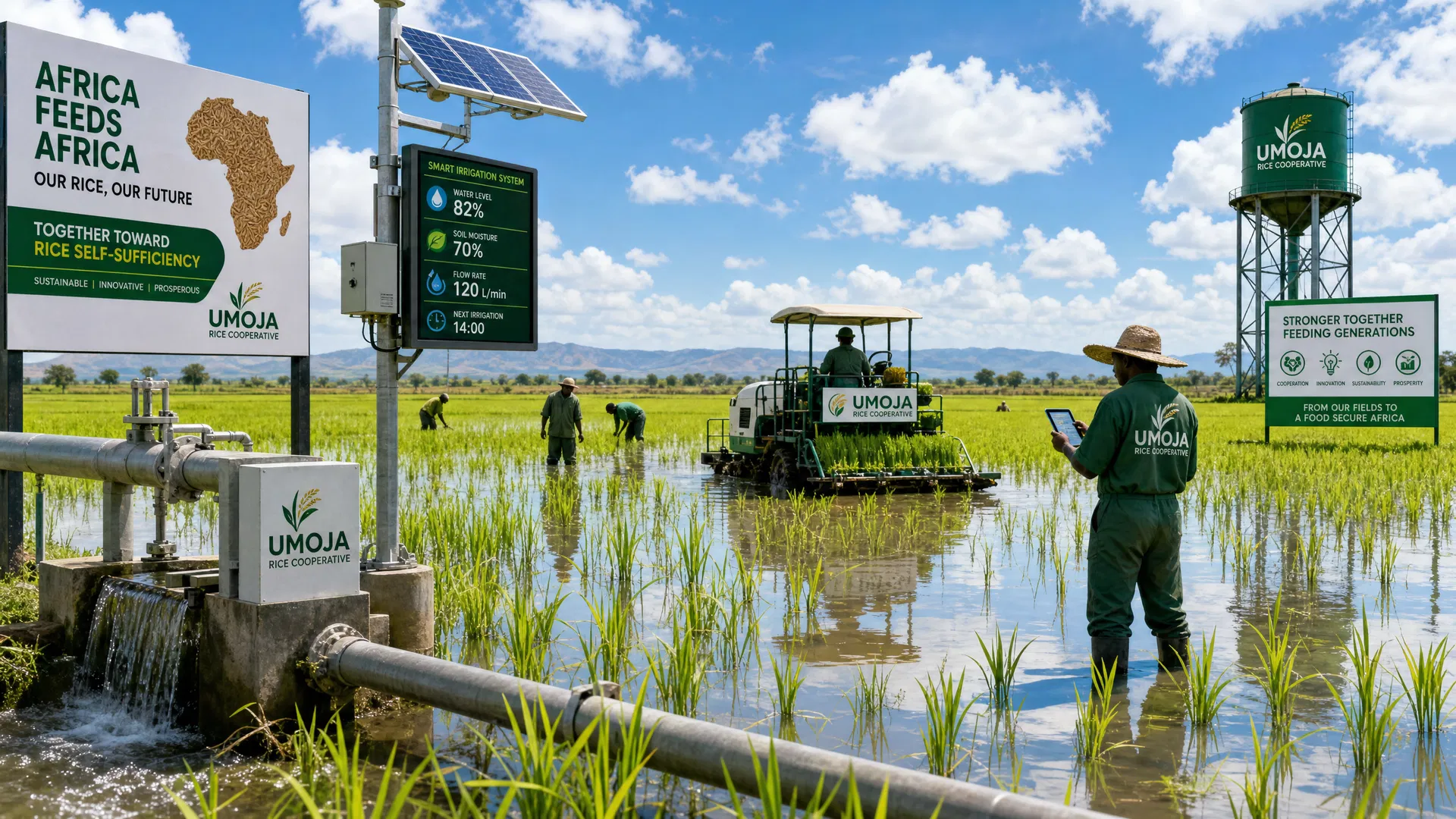
Rice Self-Sufficiency: How Digital Cooperatives Are Reducing Africa's Import Dependency
Discover how digital cooperatives and asset tokenization are transforming Africa's agricultural landscape to reduce rice import dependency. AfriVest explores the role of blockchain in empowering farmers and achieving food security.
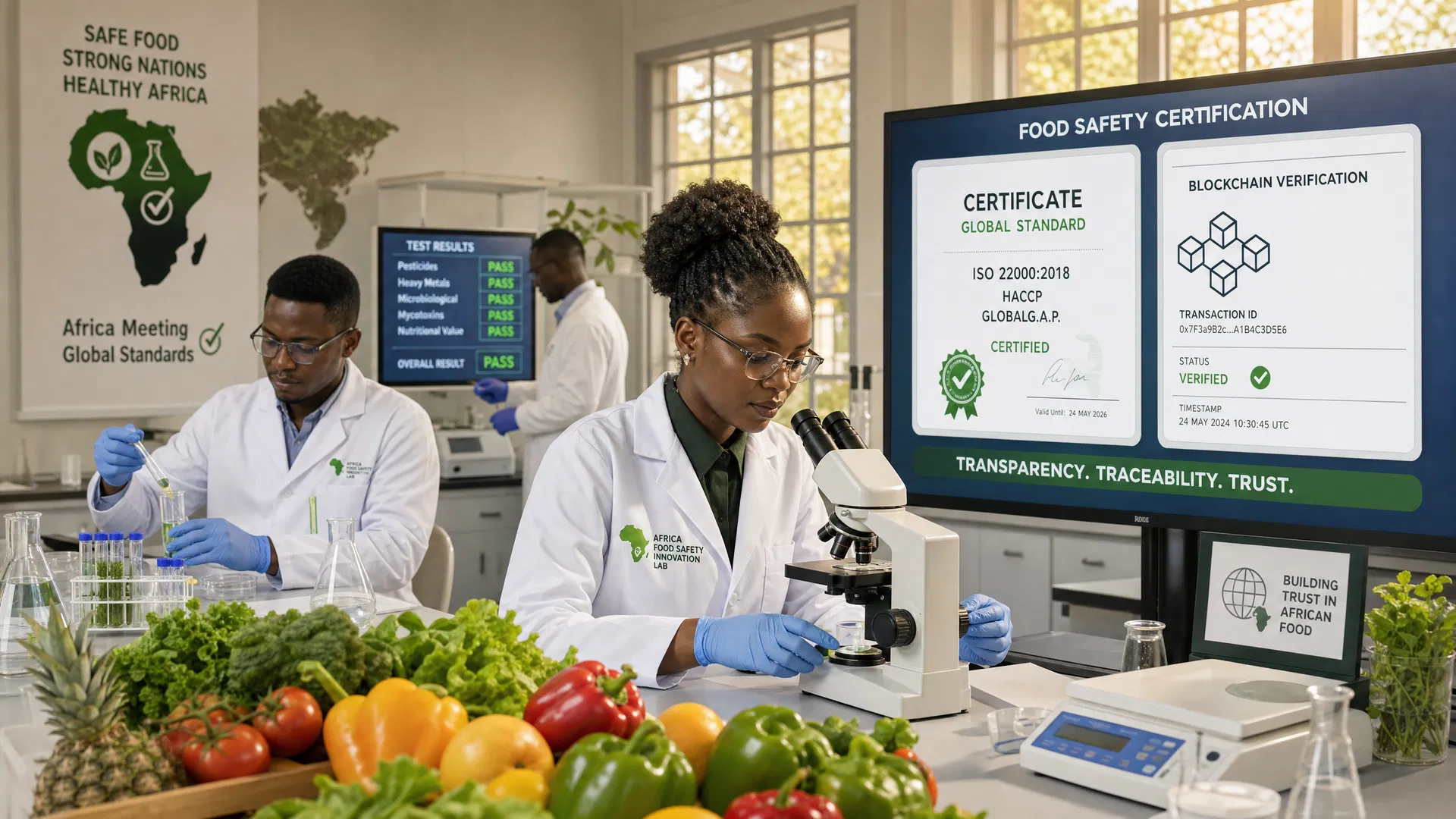
Food Safety Certification: Blockchain-Verified Standards for African Exports
Blockchain technology is revolutionizing African agricultural exports by providing immutable food safety certification. AfriVest empowers farmers through digital infrastructure and asset tokenization.
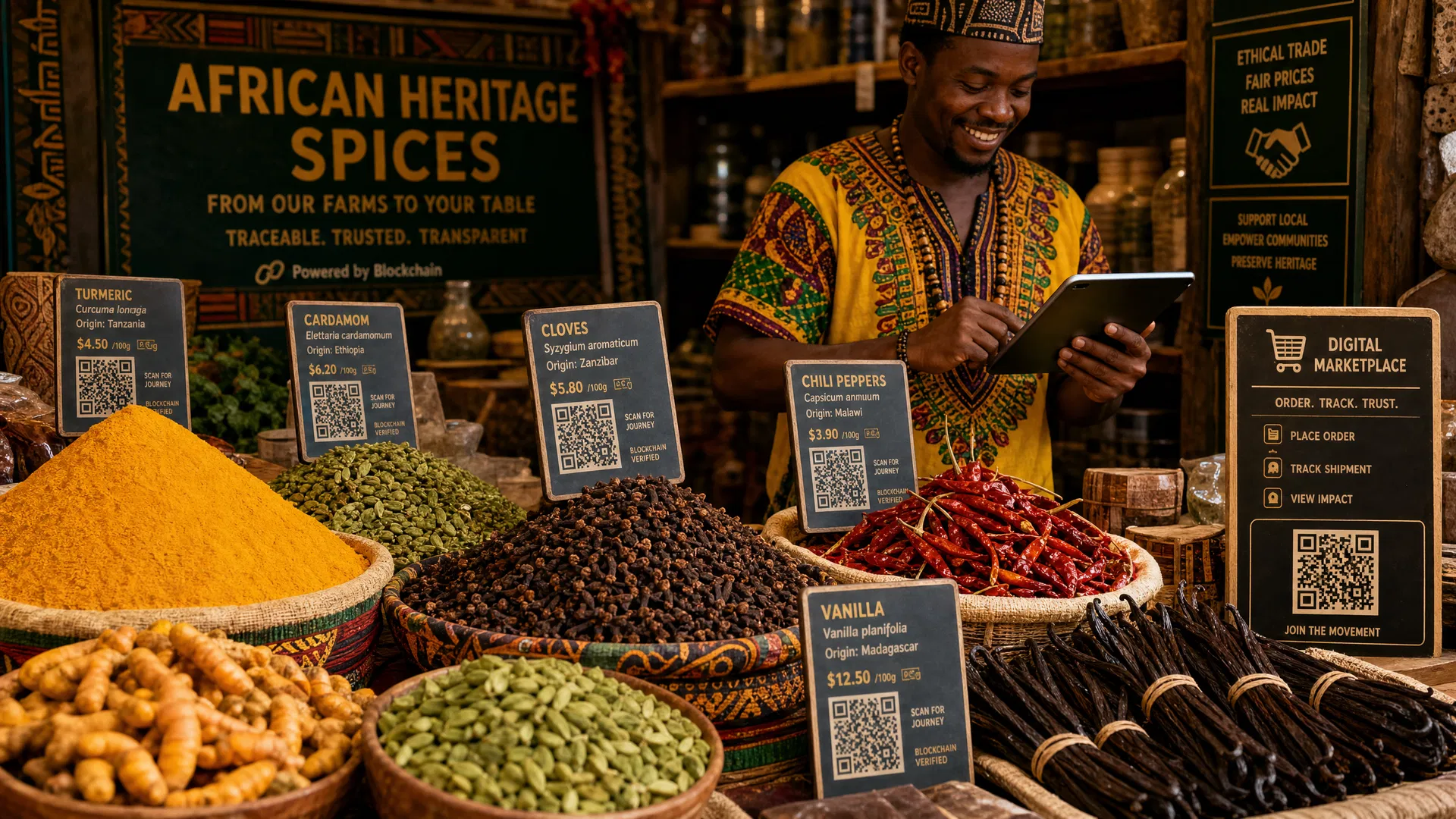
Digital Marketplaces for African Spices: Connecting Rural Producers to Premium Buyers
Africa’s spice trade faces challenges like limited market access and fair pay for small farmers. Digital tools and blockchain offer a chance to connect producers with premium buyers directly.
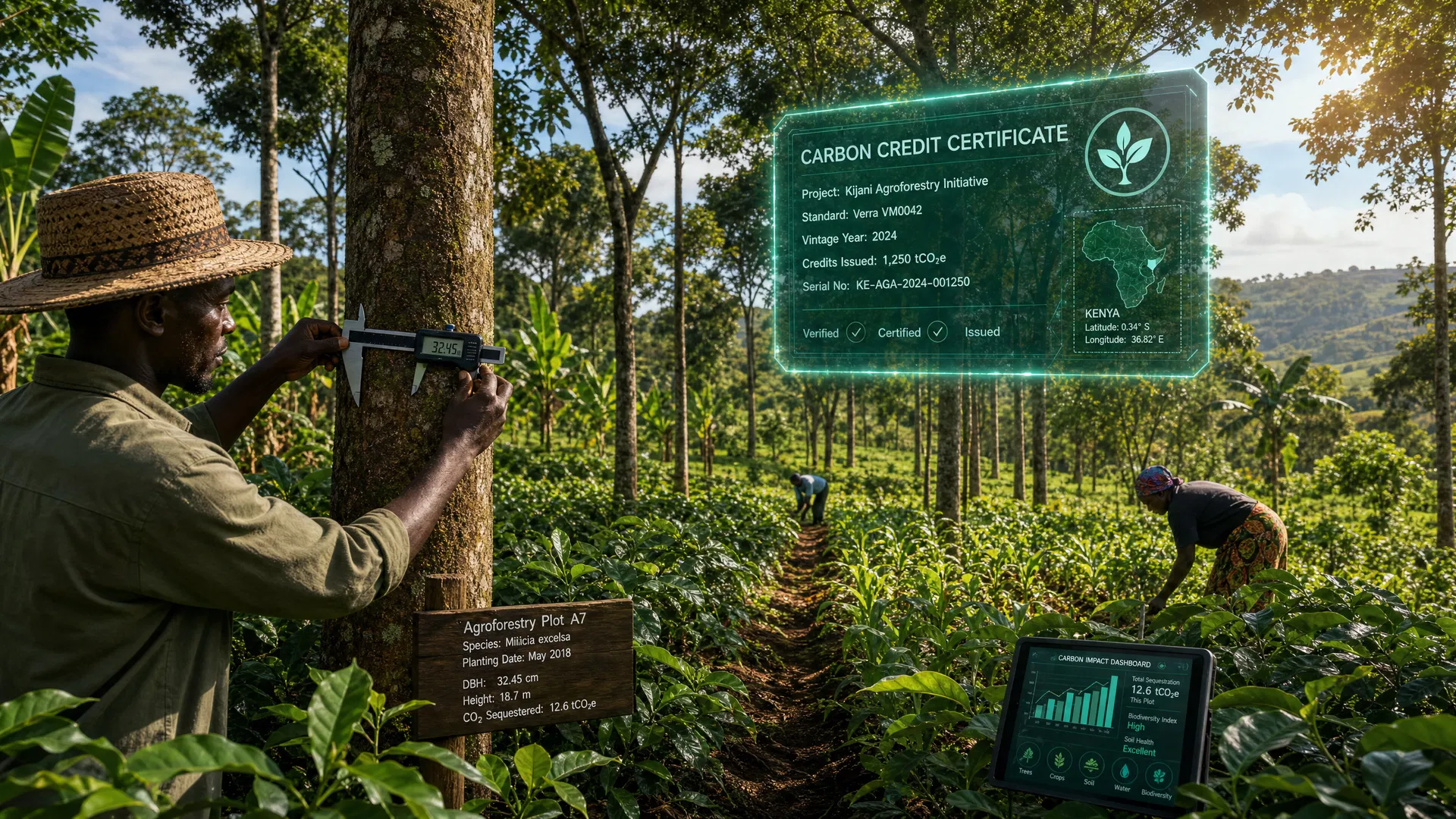
Agroforestry Carbon Credits: How African Farmers Can Monetize Sustainable Practices
Agroforestry offers African smallholder farmers a transformative opportunity to monetize sustainable practices through carbon credits. By leveraging blockchain tokenization, AfriVest empowers these communities to access global capital markets transparently and efficiently.