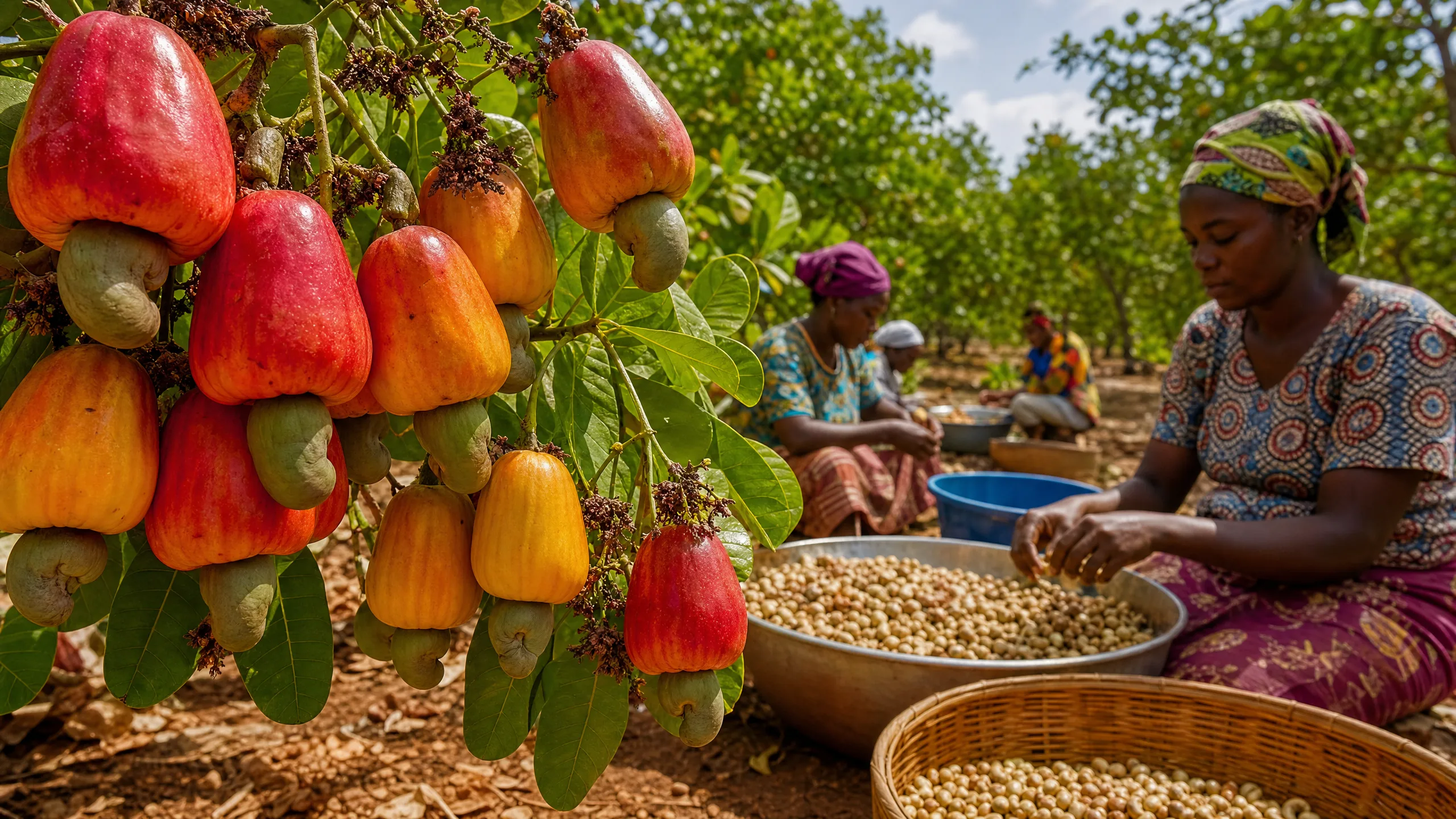
Ivory Coast controls over 40% of global raw cashew nut production, presenting a massive $3.1 billion agricultural opportunity for digital asset tokenization.
The global agricultural landscape is undergoing a profound transformation, and nowhere is this more evident than in West Africa. Côte d'Ivoire (Ivory Coast), historically renowned for its cocoa dominance, has quietly engineered an agricultural revolution to become the undisputed global leader in cashew production. With the industry now valued at over $3.1 billion and production consistently exceeding 1.2 million metric tons annually, the Ivorian cashew sector represents a compelling frontier for institutional investors. As global demand for plant-based proteins and healthy snacks surges, the intersection of this massive agricultural output with emerging digital infrastructure creates unprecedented opportunities for investment and asset tokenization.
The Rise of an Agricultural Powerhouse
The ascent of Ivory Coast to the pinnacle of global cashew production is a testament to strategic agricultural diversification. Initially introduced in the 1920s primarily as a tool to combat desertification and soil erosion in the northern savannah regions, the cashew tree has evolved into a cornerstone of the national economy. By 2023, the country's production reached an impressive 1.2 million metric tons, representing approximately 40% of the global raw cashew nut supply. This remarkable growth trajectory—up from just 460,000 tonnes in 2013—has fundamentally reshaped the economic landscape of the northern provinces, providing a stable income source for hundreds of thousands of smallholder farmers.
The economic impact of this growth cannot be overstated. The cashew sector now contributes significantly to the national GDP, serving as a vital engine for rural development and poverty alleviation. Unlike traditional cash crops that require intensive inputs and constant maintenance, the drought-resistant nature of the cashew tree makes it particularly well-suited to the changing climate conditions of the Sahel region. This resilience ensures a stable baseline of production, which is highly attractive from an institutional investment perspective.
Transitioning from Export to Domestic Processing
Historically, Ivory Coast exported the vast majority of its cashew crop in raw form, primarily to processing hubs in Asia. However, a strategic pivot is currently underway to capture more value domestically. The government has implemented ambitious policies aimed at increasing local processing capacity, with a target of processing 50% of raw production within the country by 2030. This shift is supported by substantial investments in industrial infrastructure, such as the Dorado facility, which spans 12 hectares and stands as one of the world's largest cashew processing plants.
This transition from raw export to domestic processing represents a massive value-add opportunity. Processed cashew kernels command significantly higher margins on the international market compared to raw nuts. Furthermore, the development of a robust domestic processing industry creates secondary markets for by-products, such as cashew nut shell liquid (CNSL), which has numerous industrial applications including sustainable aviation fuel and bio-resins. For investors, this vertical integration within the supply chain offers multiple entry points for capital deployment, from agricultural technology to industrial processing facilities.
The Global Market Dynamics and Demand
The global appetite for cashews is expanding rapidly, driven by shifting consumer preferences toward healthier diets and plant-based alternatives. The global cashew market size is currently valued at approximately $9.07 billion, with an expected compound annual growth rate (CAGR) of 5.4% over the next five years. Cashews are highly prized not only as a premium snack but also as a versatile, neutral ingredient in the booming plant-based food industry, where their emulsification properties make them ideal for dairy alternatives.
Ivory Coast is perfectly positioned to capitalize on this surging demand. The country's ability to consistently deliver high volumes of quality raw nuts provides a reliable supply chain for global food manufacturers. However, the market is not without its challenges. Price volatility, often exacerbated by global trade dynamics and fluctuating demand in major consuming markets, remains a concern for producers. This volatility underscores the need for modernized financial instruments and market mechanisms to provide stability and predictability for both farmers and investors.
The Future: Digital Infrastructure and Tokenization
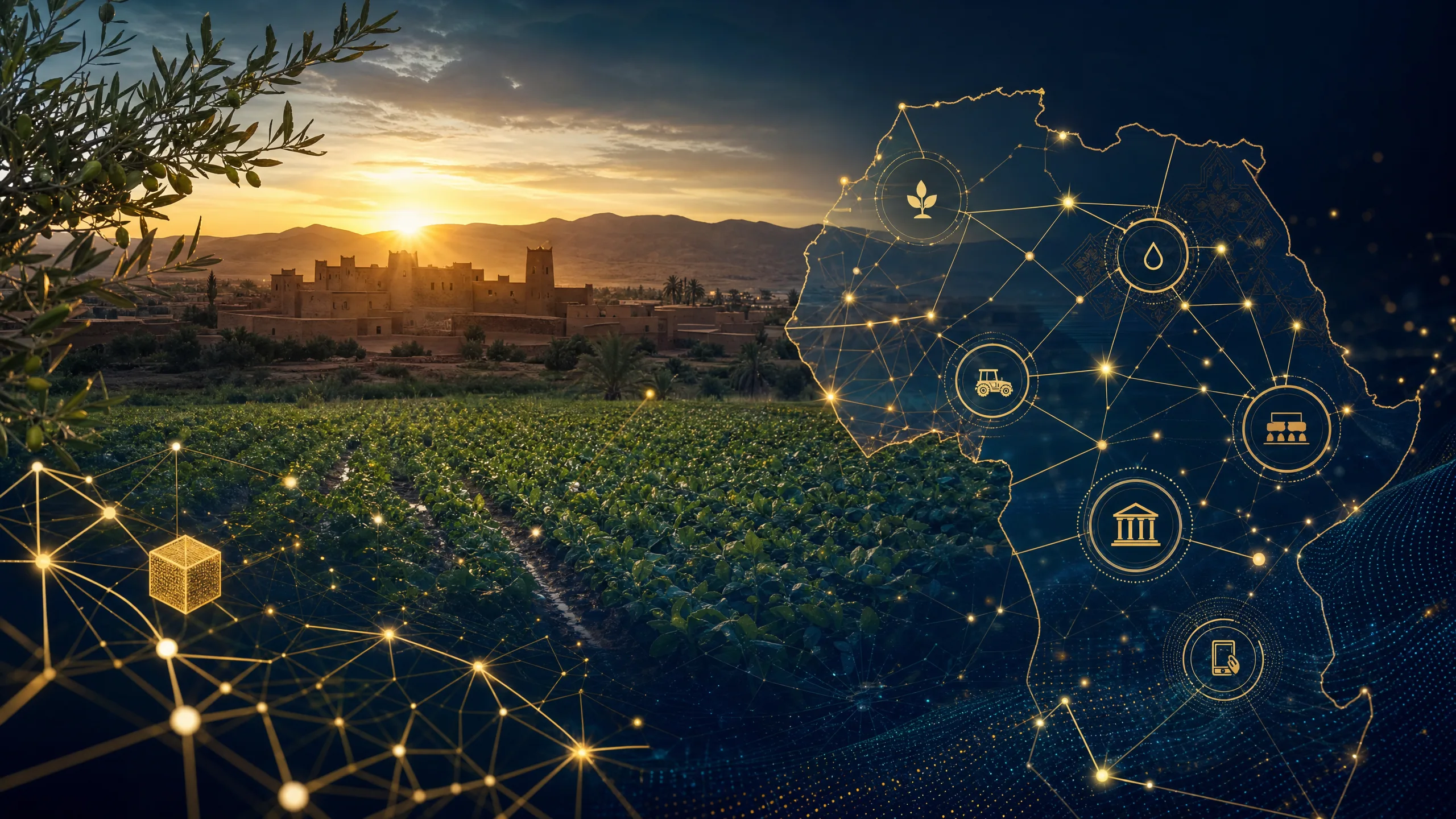
The true potential of the Ivorian cashew industry lies in its integration with modern digital financial infrastructure. The sheer scale of production, combined with the current inefficiencies in the traditional supply chain, creates an ideal environment for the implementation of blockchain technology and asset tokenization. By digitizing agricultural assets, platforms like AfriVest can provide unprecedented transparency, traceability, and liquidity to a traditionally opaque market.
Tokenization offers a revolutionary approach to agricultural financing. It allows for the fractional ownership of agricultural yields, enabling a broader range of institutional and retail investors to participate in the growth of the African agricultural sector. Furthermore, smart contracts can automate payments and ensure fair compensation for farmers, directly addressing the price volatility issues that have historically plagued the industry. As Ivory Coast continues to solidify its position as the world's cashew powerhouse, the convergence of this massive real-world asset with digital tokenization platforms will undoubtedly unlock billions in previously inaccessible value, setting a new standard for agricultural investment in emerging markets.