West Africa’s palm oil industry is experiencing a profound transformation, evolving from a traditional agricultural staple into a $4.5 billion economic powerhouse. As global demand for edible oils and biofuels surges, the region is reclaiming its historical position as a pivotal player in the palm oil market. For institutional investors and policymakers, this sector represents more than just agricultural output; it is a critical engine for rural economic development, job creation, and sustainable growth across the continent.
The Economic Engine of West Africa
The palm oil sector is a cornerstone of West Africa's agricultural economy, significantly contributing to the Gross Domestic Product (GDP) of several nations. Côte d'Ivoire, the region's leading producer, exemplifies this growth. The country is the 8th largest palm oil producer globally, with annual production forecasted to reach 600,000 tonnes in 2024. This robust output not only satisfies domestic consumption—accounting for over two-thirds of its production—but also dominates 90% of the West African Economic and Monetary Union (WAEMU) market. In 2024 alone, Côte d'Ivoire exported palm oil worth approximately $79.3 million to neighboring Burkina Faso and Mali, underscoring its role as a regional economic anchor.
Empowering Rural Communities
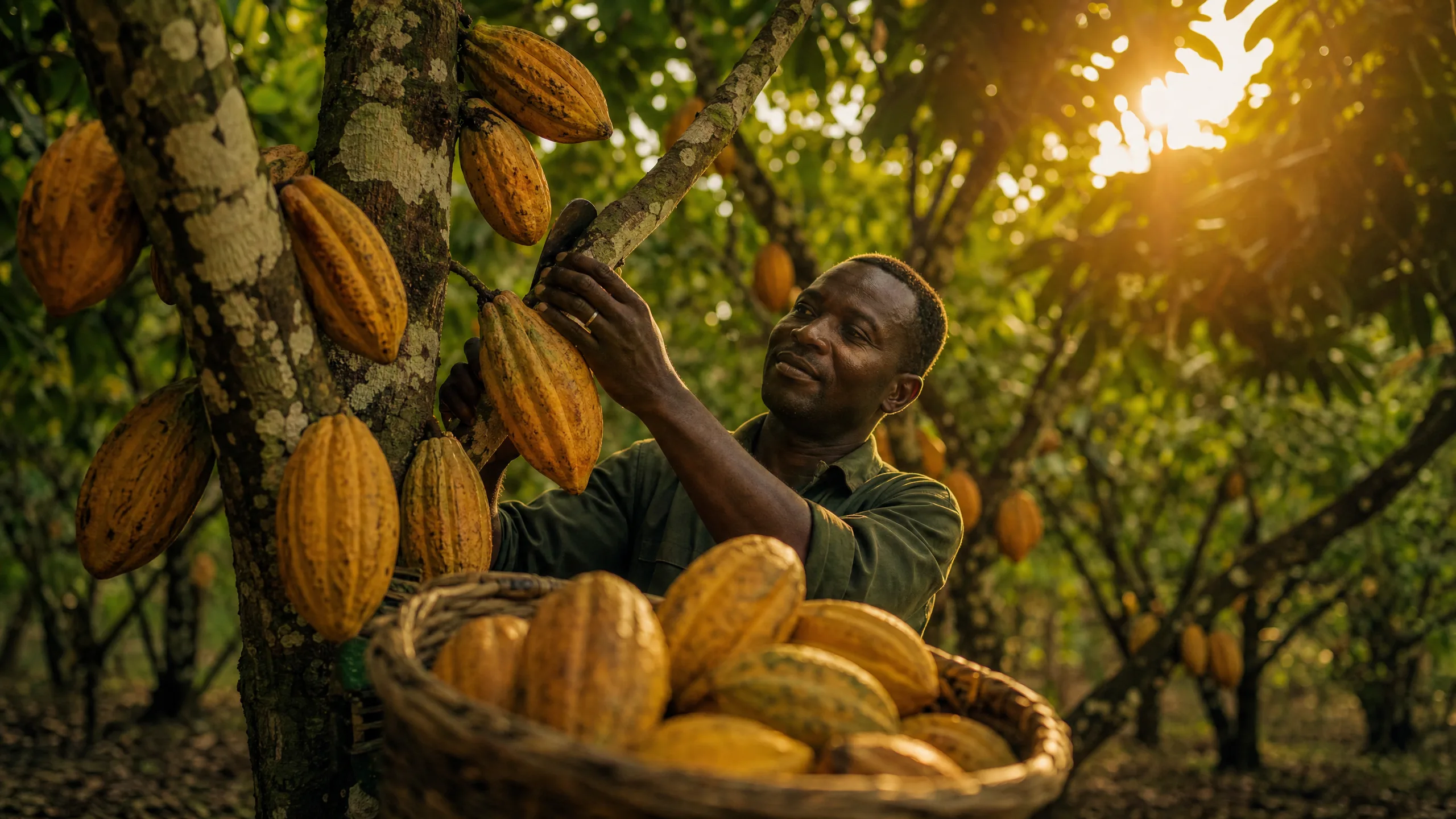
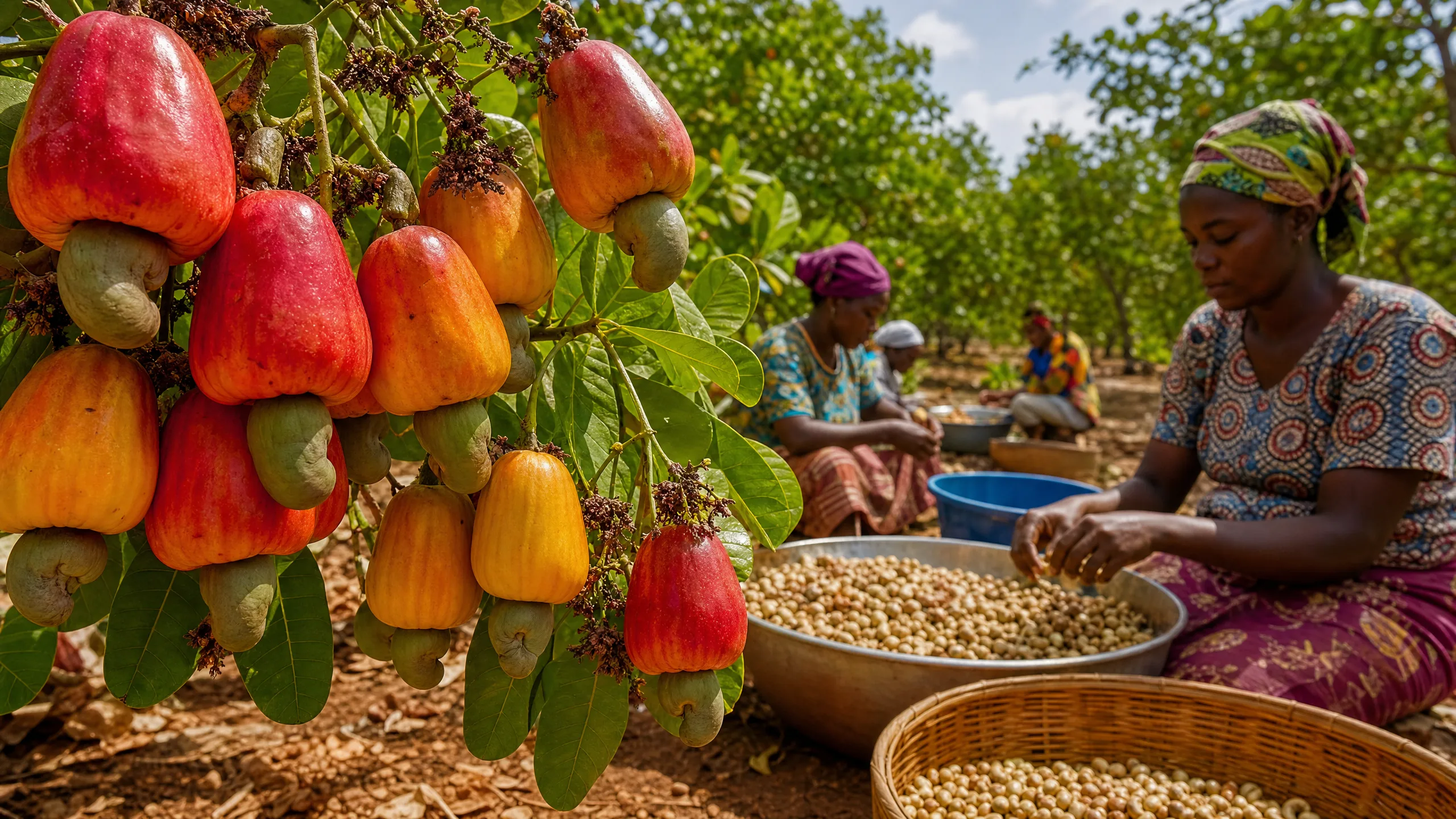
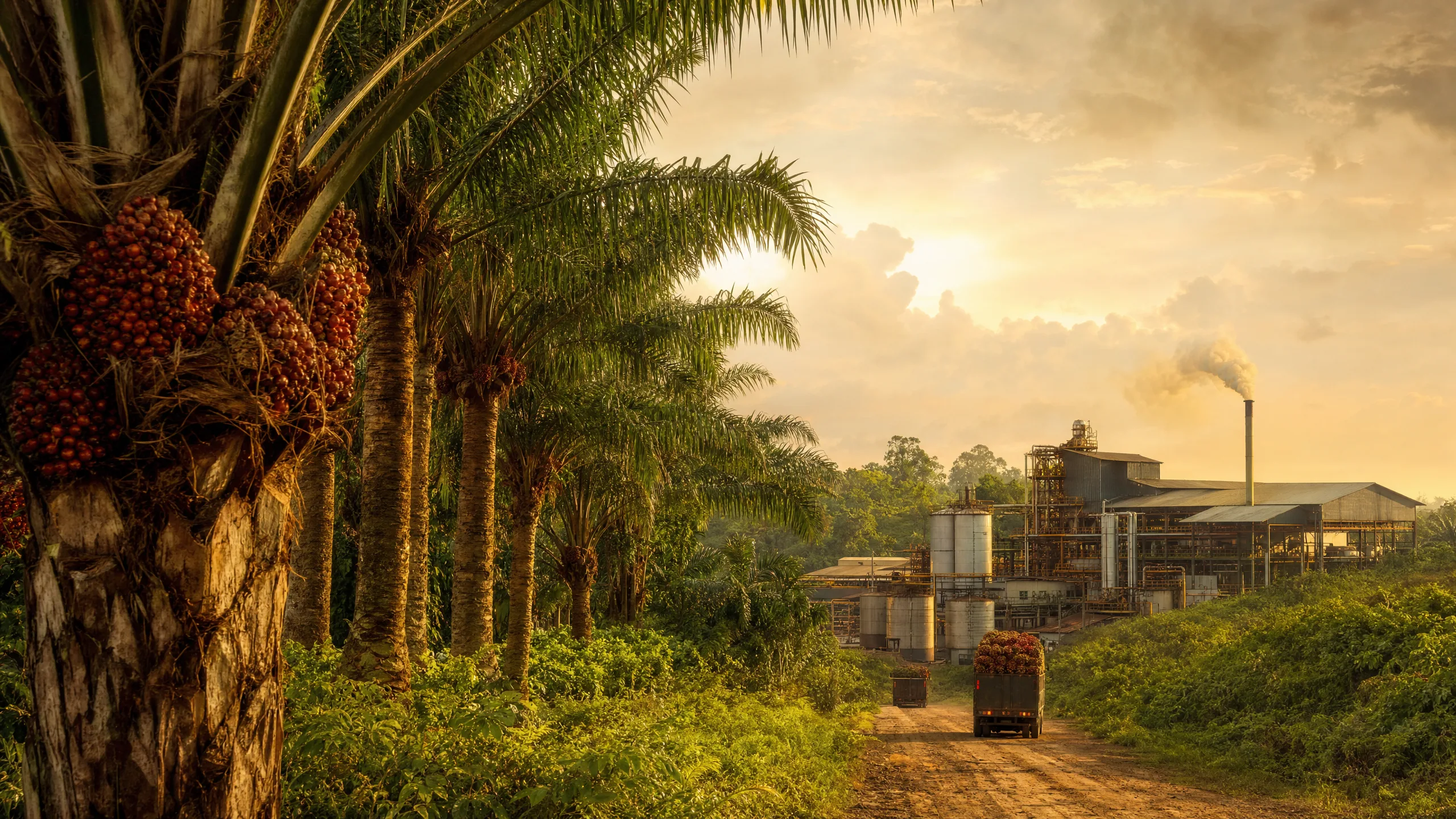
At the heart of West Africa's palm oil industry are the rural communities that cultivate the crop. Roughly 70% of the region's palm oil production comes from smallholder farmers. This decentralized production model is vital for rural economies, providing direct employment and income to millions. For instance, PALMCI, a major subsidiary of the SIFCA Group in Côte d'Ivoire, produces over 280,000 tons of crude palm oil annually—about 70% of the national output. Beyond its industrial plantations, PALMCI sources from 28,000 smallholder planters and employs 8,500 people, making it the largest private employer in the country. This symbiotic relationship between large-scale processors and smallholder farmers ensures that wealth generated by the industry permeates down to the grassroots level, driving rural development and poverty alleviation.
Sustainable Growth and Investment Opportunities
As the industry expands, there is a concerted effort to ensure growth is sustainable and equitable. Initiatives like the Sustainable Oil Palm in West Africa (SOPWA) Project are evaluating and promoting practices that balance economic gains with environmental stewardship. Unlike other regions where palm oil expansion has led to severe deforestation, West Africa is increasingly adopting sustainable models that protect biodiversity while boosting yields. For investors, this shift towards sustainability mitigates environmental, social, and governance (ESG) risks, making the sector an attractive proposition. Investments in processing infrastructure, such as the Plateforme Economique Industrielle d'Abidjan (PEIA), offer lucrative opportunities in value-added products like biofuels, cosmetics, and animal feed, further diversifying the economic benefits.
Overcoming Challenges to Unlock Potential
Despite its immense potential, the West African palm oil industry faces significant challenges. Smallholder farmers often struggle with low yields—sometimes generating less than a tenth of the 20 tonnes per hectare expected by large companies—due to limited access to credit, modern farming techniques, and high-quality seedlings. Addressing these bottlenecks requires targeted investments in agricultural extension services, financial inclusion, and infrastructure development. By bridging these gaps, the region can exponentially increase its output without necessarily expanding the land area under cultivation, thereby preserving critical forest ecosystems.
The Future: Digital Infrastructure and Tokenization
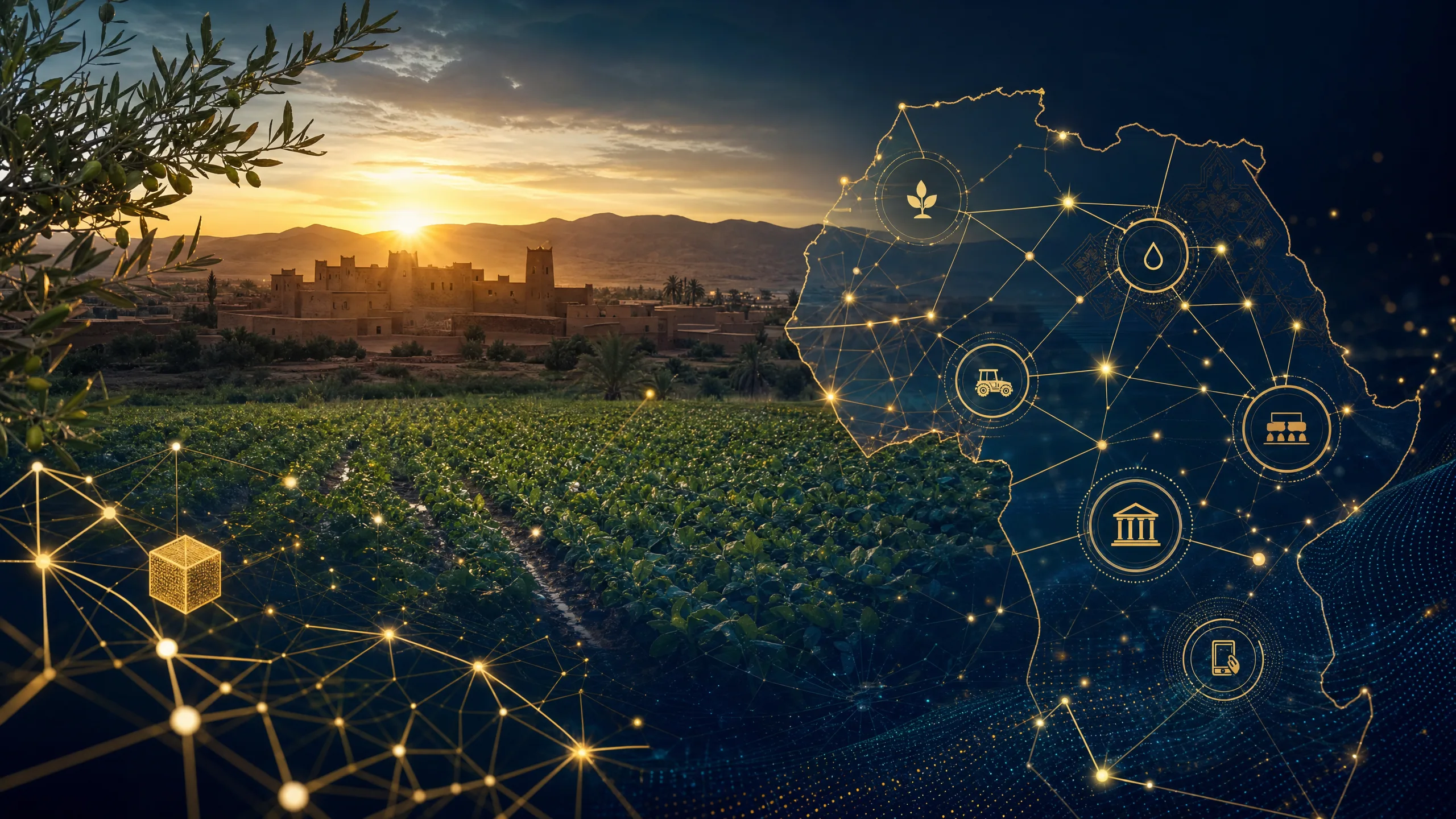
Looking ahead, the integration of digital infrastructure and asset tokenization presents a transformative opportunity for West Africa's palm oil industry. Platforms like AfriVest are pioneering the digitization of agricultural assets, enabling fractional ownership and providing smallholder farmers with unprecedented access to global capital markets. Tokenization can streamline supply chains, enhance transparency, and facilitate direct investment into rural cooperatives. By leveraging blockchain technology, investors can participate in the lucrative palm oil market with greater liquidity and security, while simultaneously empowering the rural economies that form the backbone of this $4.5 billion industry. The convergence of traditional agriculture and modern fintech heralds a new era of inclusive and sustainable growth for West Africa.