The Dawn of a New Agricultural Era in West Africa
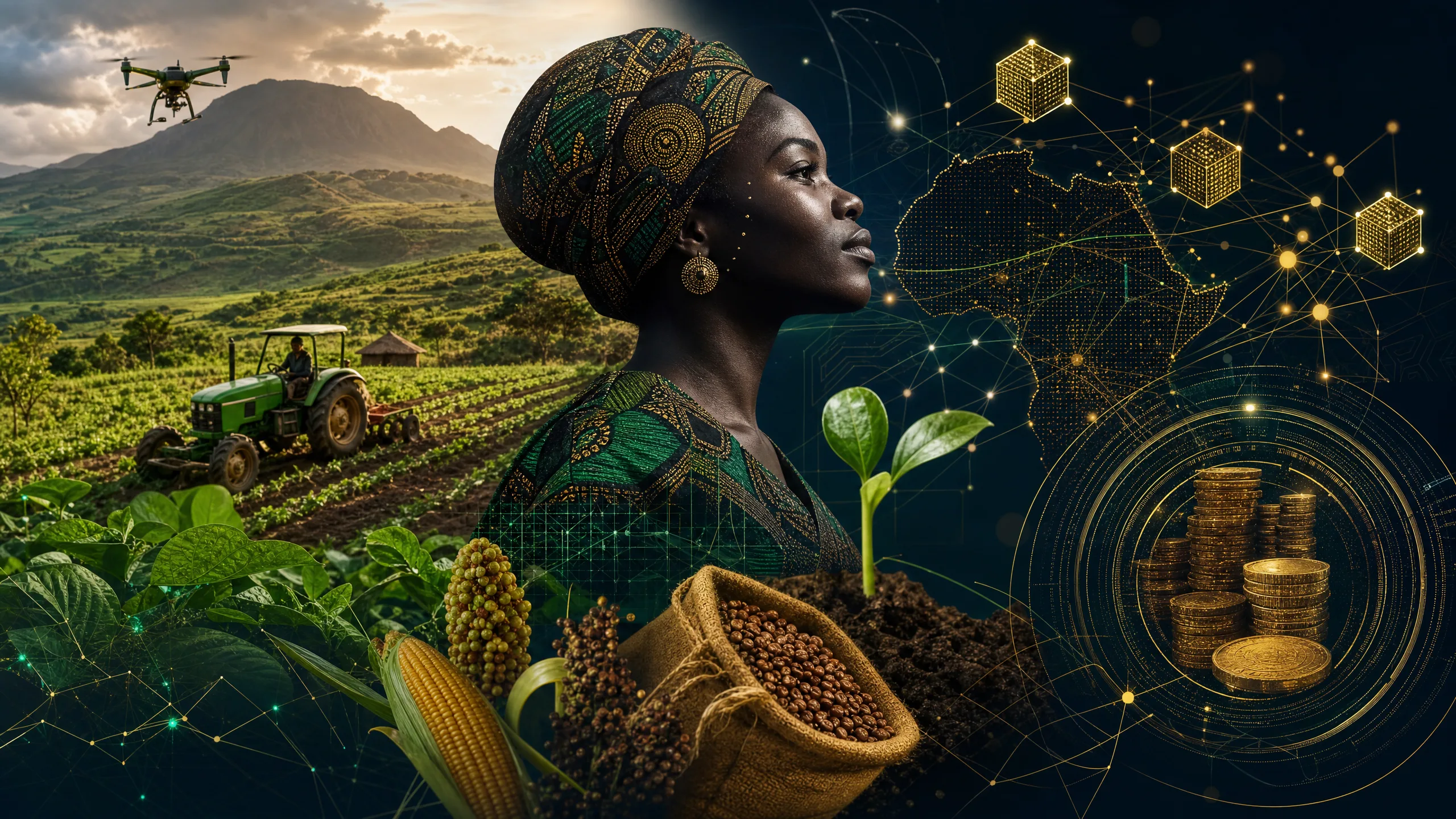
The agricultural sector in West Africa has long been the backbone of the region's economy, employing a significant portion of the population and contributing substantially to the gross domestic product. However, despite its critical importance, the industry has historically grappled with systemic challenges such as limited access to capital, opaque supply chains, and inadequate infrastructure. Today, the convergence of blockchain in agriculture and innovative financial technologies is beginning to dismantle these long-standing barriers. By introducing unprecedented levels of transparency and efficiency, digital finance West Africa is paving the way for a more resilient and productive agricultural ecosystem.
As global markets become increasingly interconnected, the demand for sustainable and traceable agricultural products has surged, placing new pressures on West African farmers and agribusinesses. Traditional financial institutions have often struggled to serve this demographic effectively, citing high risks and the lack of verifiable credit histories. In response, a new wave of agricultural finance solutions is emerging, leveraging decentralized ledgers and mobile technology to bridge the gap between rural farmers and global capital markets. These innovative platforms are empowering smallholder farmers by providing them with the tools necessary to prove their creditworthiness, secure fair prices for their crops, and access essential services.
Overcoming Traditional Barriers with Decentralized Ledgers
One of the most significant hurdles facing the agricultural sector in West Africa is the pervasive lack of transparency within supply chains, which often results in inefficiencies and unfair compensation for primary producers. Blockchain technology addresses this issue head-on by providing a decentralized and immutable record of every transaction, from the planting of seeds to the final sale of the harvested crop. This level of traceability ensures that all participants in the supply chain, including farmers, processors, distributors, and consumers, have access to accurate and verifiable information. Consequently, blockchain in agriculture not only enhances operational efficiency but also builds trust among stakeholders.
Furthermore, the implementation of decentralized ledgers is revolutionizing the way agricultural finance is structured and delivered to rural communities. By utilizing smart contracts, financial agreements can be executed automatically when predefined conditions are met, eliminating the need for intermediaries and significantly reducing transaction costs. This streamlined approach allows financial institutions and alternative lenders to offer more competitive rates and flexible terms to farmers who were previously considered unbankable. As a result, farmers can invest in better equipment, higher-quality seeds, and advanced farming techniques, thereby increasing their yields.
The Role of Tokenization in Agricultural Finance
Tokenization agriculture is emerging as a transformative force in the realm of agricultural finance, offering novel ways to unlock liquidity and democratize access to investment opportunities. By converting physical agricultural assets, such as land, crops, or machinery, into digital tokens on a blockchain, stakeholders can fractionalize ownership and facilitate the seamless transfer of value. This innovative approach allows smallholder farmers to monetize their assets without having to sell them outright, providing them with much-needed capital to reinvest in their operations. For institutional investors, tokenization presents a unique opportunity to diversify their portfolios and gain exposure to the lucrative West African agricultural market.
The process of tokenization also introduces a new level of efficiency and transparency to the trading of agricultural commodities. Digital tokens can be traded on decentralized exchanges, enabling real-time price discovery and reducing the reliance on traditional, often opaque, commodity markets. This enhanced liquidity is particularly advantageous for farmers, who can now hedge against price volatility and secure more stable incomes. Additionally, the use of smart contracts ensures that transactions are executed automatically and securely, minimizing the risk of counterparty default and further instilling confidence in the market.
Empowering Communities through Cooperative Economics
The concept of cooperative economics Africa has deep historical roots, but it is currently experiencing a renaissance fueled by the advent of digital technologies. Traditional agricultural cooperatives have long played a vital role in supporting smallholder farmers by pooling resources, sharing knowledge, and negotiating better prices for inputs and outputs. However, these organizations have often struggled with governance issues, lack of transparency, and limited access to external financing. Today, the integration of blockchain technology and digital finance is revitalizing these cooperatives, providing them with the tools necessary to operate more efficiently and transparently.
By leveraging decentralized platforms, agricultural cooperatives can now maintain immutable records of their members' contributions, transactions, and voting activities. This enhanced transparency not only builds trust among members but also makes the cooperatives more attractive to external investors and financial institutions. Furthermore, digital finance West Africa enables cooperatives to facilitate seamless cross-border transactions, allowing them to access new markets and secure better prices for their products.
Future Outlook: Digital Infrastructure Opportunities
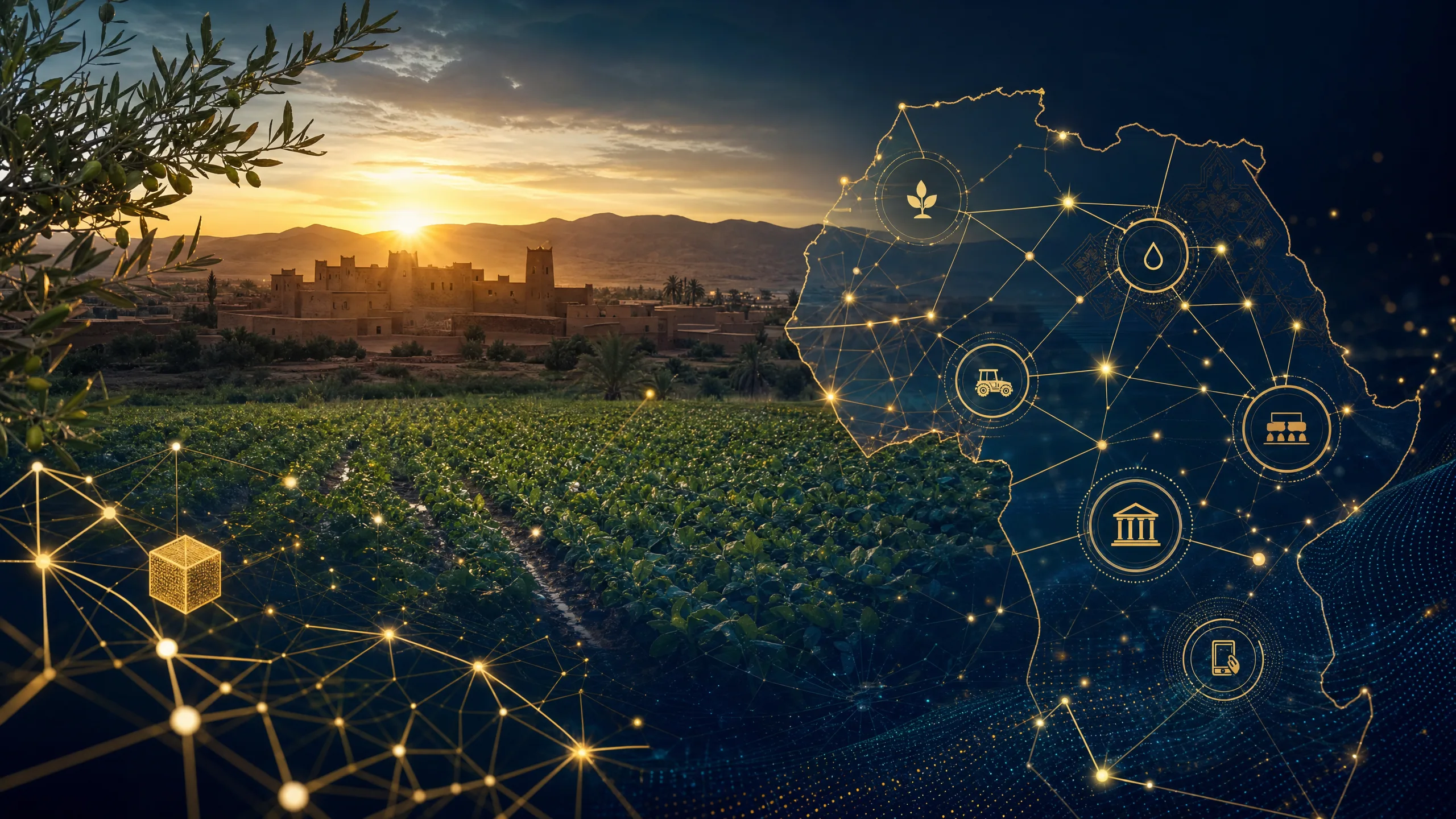
Looking ahead, the intersection of blockchain, digital finance, and agriculture presents unprecedented opportunities for the development of robust digital infrastructure in West Africa. As the sector continues to digitize, there will be an increasing demand for reliable internet connectivity, secure data storage solutions, and interoperable financial platforms. Policymakers and institutional investors must recognize the strategic importance of building this infrastructure, as it will serve as the foundation for the region's future economic prosperity. By prioritizing investments in digital infrastructure, stakeholders can ensure that the benefits of the agricultural revolution are realized across all segments of society.
The ongoing digital economy transformation in Africa is not merely about adopting new technologies; it is about fundamentally reimagining how economic value is generated and distributed. In the context of agriculture, this means creating a system that is more transparent, efficient, and equitable. The continued expansion of tokenization agriculture and decentralized finance will play a pivotal role in this process, unlocking new sources of capital and empowering smallholder farmers to participate more fully in the global economy.