The Convergence of Agriculture and Digital Finance in Africa
The agricultural sector remains the backbone of the African economy, employing over sixty percent of the continent's workforce and contributing significantly to the gross domestic product of numerous nations. Despite its critical importance, Pan-African agriculture has historically been constrained by systemic inefficiencies, including limited access to credit, fragmented supply chains, and inadequate infrastructure. Smallholder farmers, who produce the vast majority of the continent's food, often operate outside the formal financial system, making it exceedingly difficult for them to secure the capital necessary to invest in modern farming techniques or high-quality inputs. This financial exclusion not only stifles individual prosperity but also hampers the broader economic development of the region, creating a pressing need for innovative solutions that can bridge the gap between traditional farming practices and modern financial services.
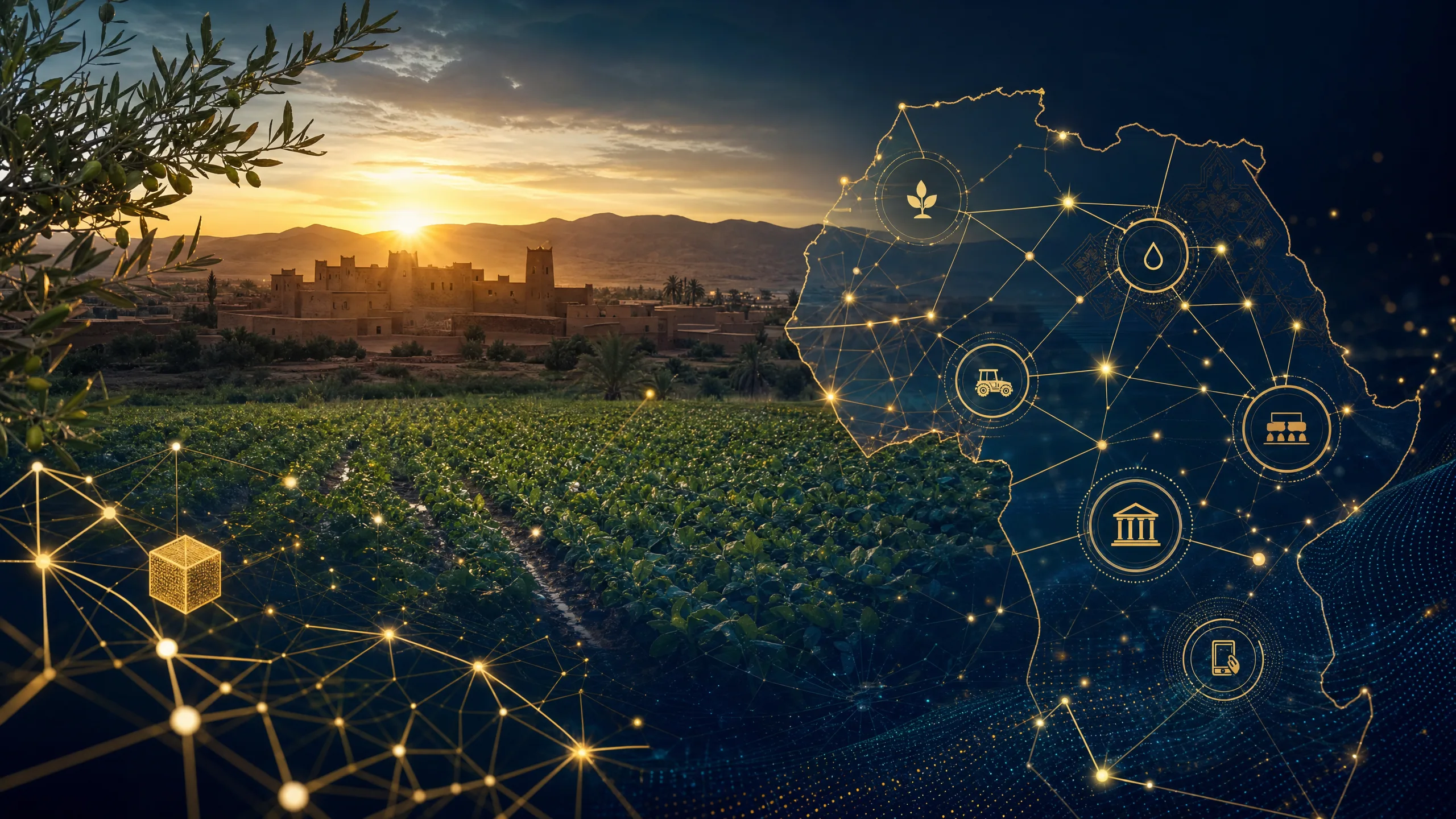
In recent years, the rapid expansion of digital finance Africa has begun to transform the agricultural landscape, offering unprecedented opportunities to enhance productivity and financial inclusion.
Mobile money platforms and digital credit services have proliferated across the continent, enabling farmers to receive payments securely, access microloans, and purchase insurance against climate-related risks. These digital tools are dismantling the geographical and institutional barriers that have long marginalized rural communities, allowing them to participate more actively in the formal economy. As digital infrastructure continues to improve, the integration of financial technology into agriculture is poised to unlock billions of dollars in untapped value, driving sustainable growth and food security across the continent.
Revolutionizing Supply Chains with Blockchain Farming
Blockchain farming is emerging as a transformative force in the African agricultural sector, offering robust solutions to the pervasive issues of supply chain opacity and inefficiency. In traditional agricultural supply chains, the journey of produce from farm to table is often convoluted, involving multiple intermediaries that obscure the origin and quality of the goods.
This lack of transparency not only diminishes the value captured by the farmers but also exposes consumers to risks associated with food safety and fraud. By leveraging blockchain technology, stakeholders can create a decentralized and immutable ledger that records every step of the agricultural supply chain, ensuring complete traceability and accountability from the point of harvest to the final consumer.
The implementation of blockchain in agriculture extends beyond mere traceability; it also significantly enhances the efficiency of transactions and reduces the reliance on intermediaries. Smart contracts, which are self-executing agreements with the terms directly written into code, can automate payments to farmers upon the successful delivery of their produce. This automation eliminates the delays and administrative costs associated with traditional payment systems, ensuring that farmers receive fair and timely compensation for their labor.
Furthermore, the transparent nature of blockchain farming fosters trust among all participants in the supply chain, encouraging greater collaboration and investment in the agricultural sector.
Unlocking Capital through Tokenization Agriculture
One of the most significant barriers to the modernization of Pan-African agriculture is the chronic lack of access to capital, a challenge that tokenization agriculture is uniquely positioned to address. Tokenization involves the conversion of physical assets, such as land, crops, or agricultural machinery, into digital tokens on a blockchain. These tokens represent fractional ownership or investment in the underlying asset, allowing for the democratization of agricultural financing. By breaking down large, illiquid assets into smaller, tradable units, tokenization lowers the barrier to entry for investors and provides farmers with a novel mechanism to raise the capital necessary for expansion and technological upgrades.
The potential of tokenization agriculture to mobilize domestic and international capital is immense.
Institutional investors, who have traditionally been deterred by the high risks and opacity of the African agricultural sector, can now participate in a more transparent and regulated environment. Digital tokens can be structured to offer specific yields based on crop performance, providing investors with a tangible return on investment while simultaneously injecting much-needed liquidity into rural economies. This innovative financing model not only mitigates the risks associated with agricultural lending but also aligns the interests of investors with the long-term success and sustainability of the farming operations.
Fostering Resilience via Cooperative Economics Africa
The principles of cooperative economics Africa have long been deeply embedded in the social fabric of the continent, providing a vital safety net and a mechanism for collective advancement in rural communities. Traditional cooperatives and savings groups, such as rotating savings and credit associations (ROSCAs), have historically enabled farmers to pool their resources, share risks, and access informal credit.
However, these traditional models are often limited by their localized nature, manual record-keeping, and vulnerability to mismanagement or fraud. The integration of digital finance and blockchain technology is revitalizing these cooperative structures, transforming them into robust, scalable, and transparent organizations capable of competing in the modern economy.
Digital platforms are empowering agricultural cooperatives to streamline their operations, improve governance, and expand their reach beyond their immediate geographical boundaries. By digitizing membership records, financial transactions, and voting processes, cooperatives can significantly enhance their operational efficiency and accountability. Blockchain technology, in particular, offers a decentralized governance model that aligns perfectly with the democratic ethos of cooperative economics Africa.
Decentralized Autonomous Organizations (DAOs) can be established to manage cooperative funds, ensuring that all decisions regarding resource allocation and investment are made transparently and democratically by the members themselves.
The Future of Digital Infrastructure and Investment
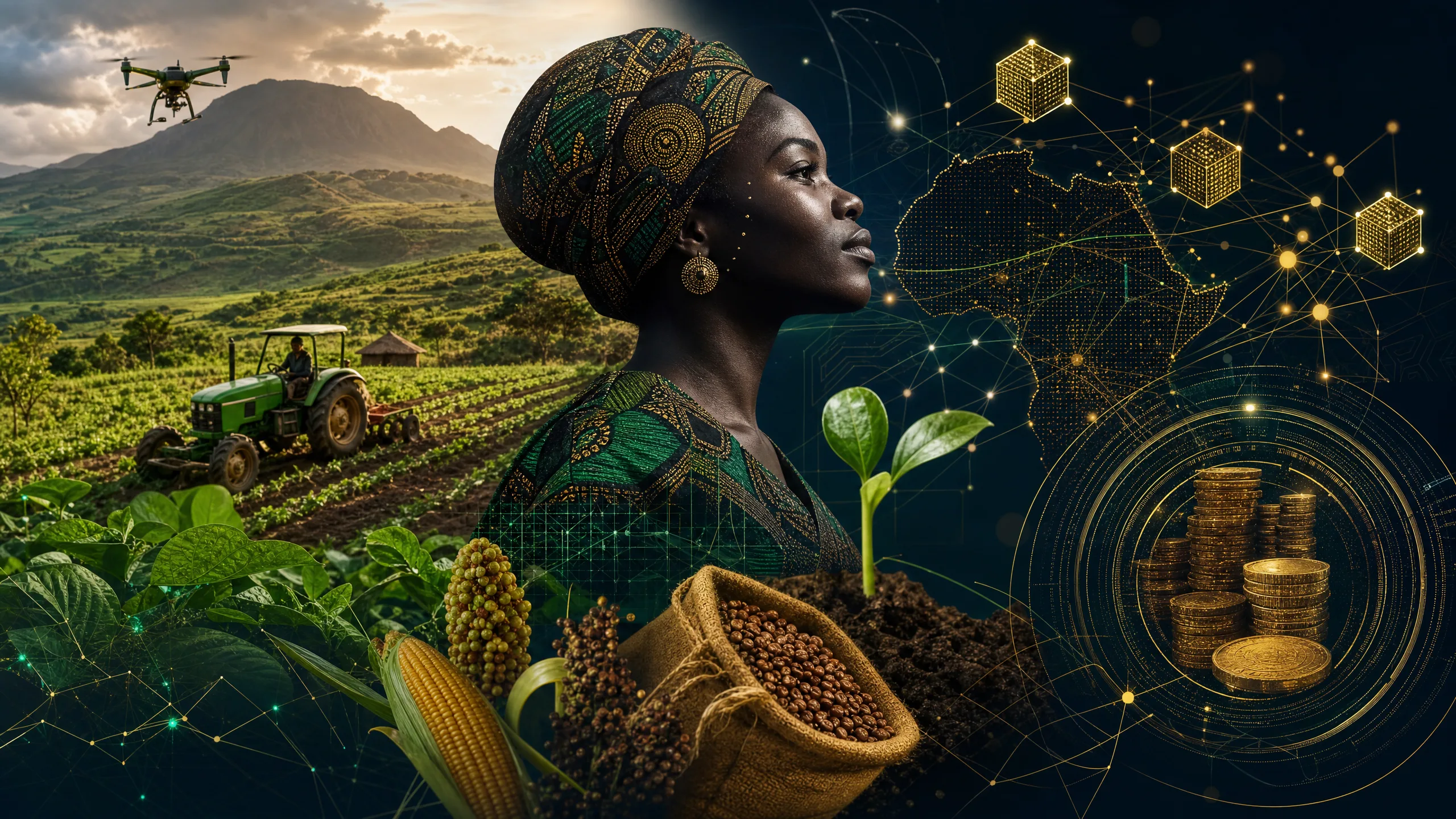
The convergence of Pan-African agriculture, digital finance Africa, and blockchain technology represents a paradigm shift in the continent's economic development trajectory. The establishment of robust digital infrastructure is the critical enabler of this transformation, providing the necessary foundation for the deployment of advanced financial and agricultural technologies.