The Rise of Blockchain Agriculture in North Africa
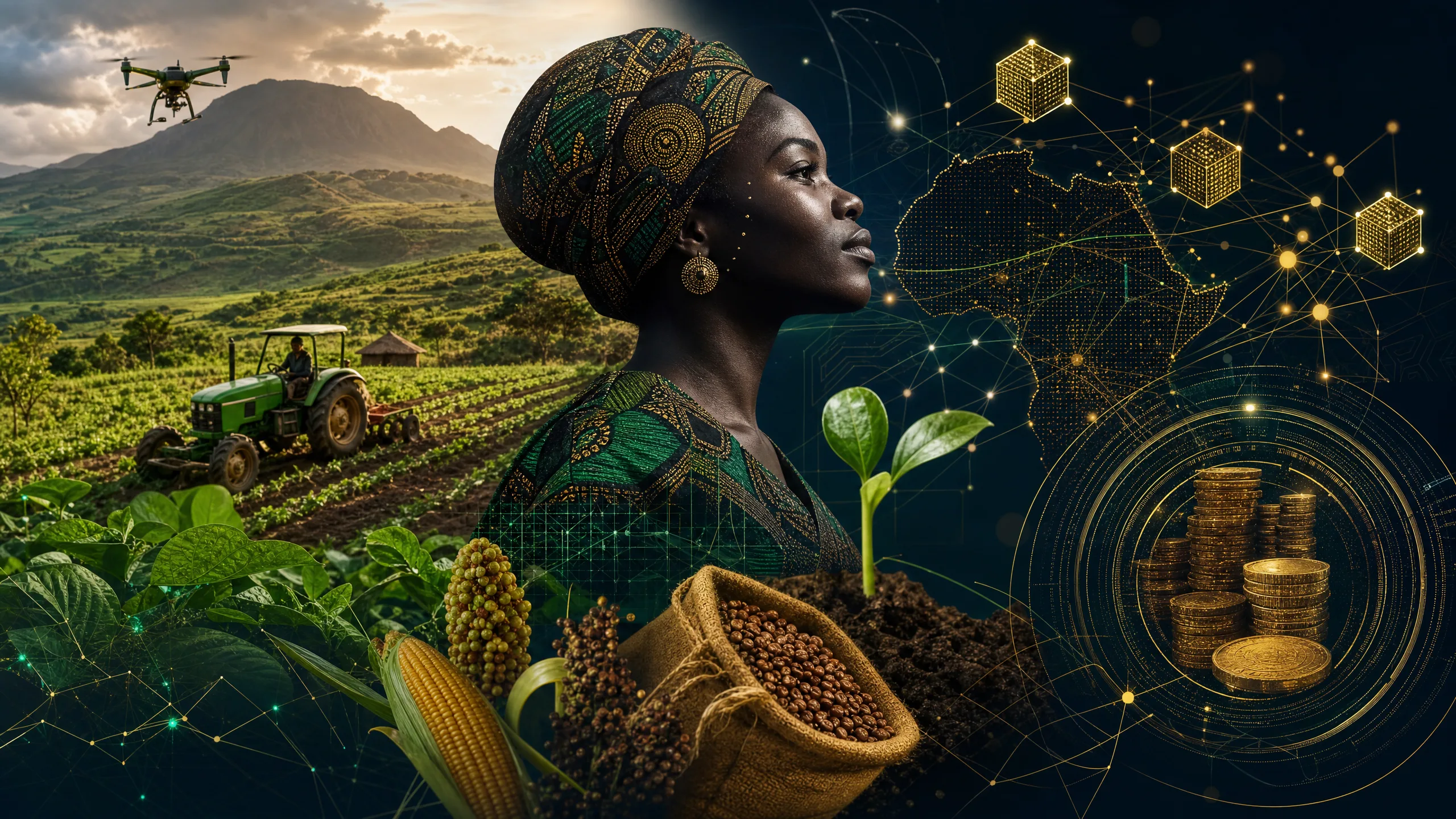
North Africa's agricultural sector, a critical pillar for the region's economy and food security, is undergoing transformative change driven by innovative technologies. Among these, blockchain agriculture North Africa initiatives are gaining significant traction, offering unprecedented transparency and efficiency in supply chains. The immutable nature of blockchain enables farmers, distributors, and consumers to track produce from farm to fork, reducing fraud and enhancing trust in agricultural products. For instance, Morocco and Egypt have launched pilot projects where blockchain records crop origins and quality certifications, bolstering export potential and meeting stringent international standards.
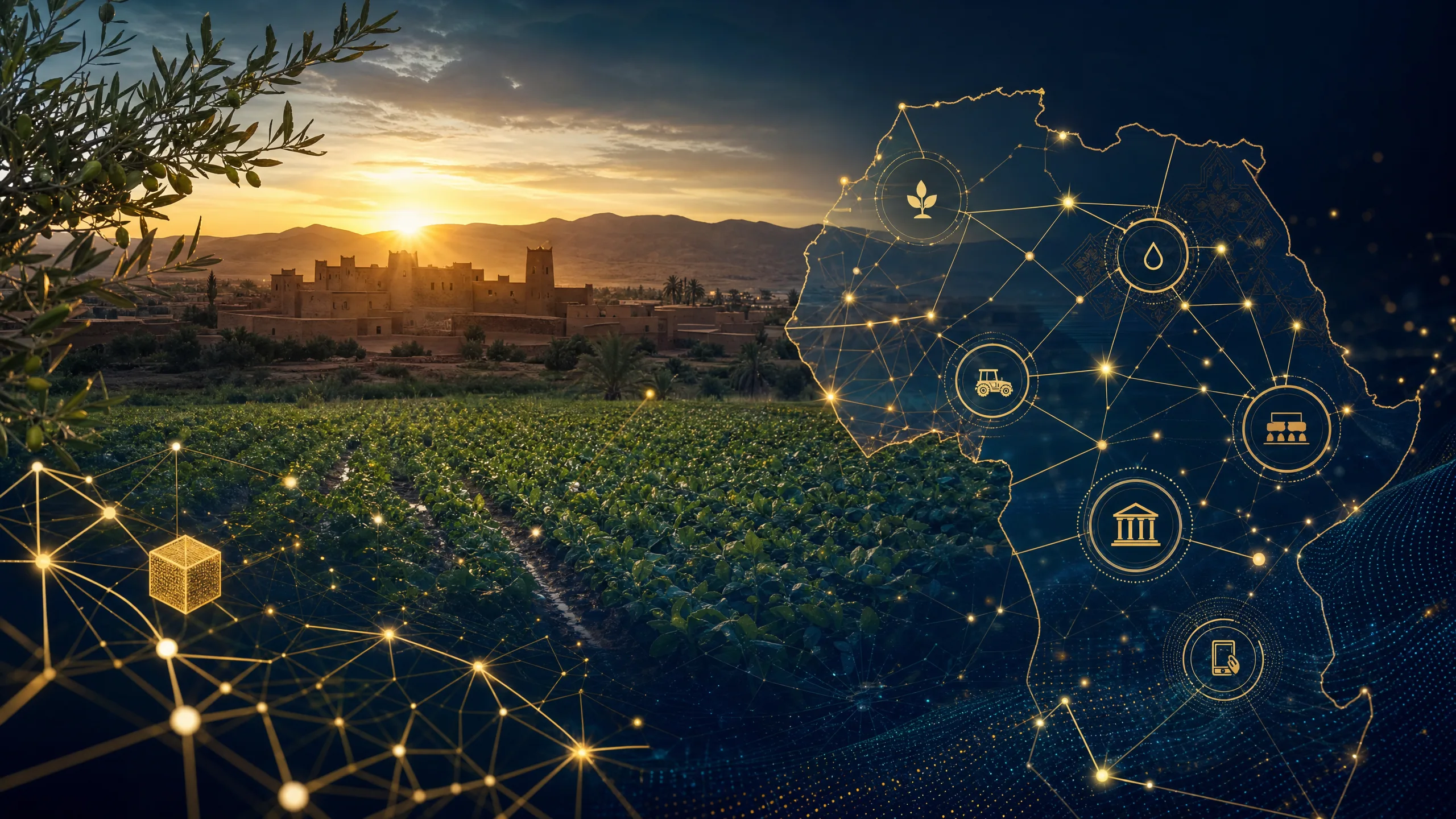
Moreover, blockchain's decentralized ledger technology is helping address long-standing challenges such as land tenure disputes and fragmented farming data. By securely storing land ownership records and transaction histories, blockchain reduces conflicts and encourages investment in agricultural productivity. The integration of blockchain with other agri-tech North Africa solutions, including IoT sensors and satellite imaging, is further enhancing crop monitoring and resource management. These developments align with the broader digital economy transformation sweeping across the continent, positioning North Africa as a leader in leveraging digital finance farming tools for sustainable agriculture.
Digital Finance Revolutionizing Farming Practices
Digital finance is reshaping how North African farmers access credit, insurance, and markets, crucial for enhancing productivity and resilience. Traditional banking systems often exclude smallholder farmers due to lack of collateral and credit histories. However, digital finance farming platforms utilizing mobile money, digital wallets, and blockchain-enabled smart contracts are bridging these gaps. In Tunisia, for example, digital lending platforms have provided over $50 million in microloans to rural farmers in 2023 alone, with repayment rates exceeding 90%. These platforms use alternative data such as crop yields and weather patterns to assess creditworthiness, enabling tailored financial products.
Beyond credit, digital finance facilitates more efficient payment systems and transparent transactions between farmers and buyers, reducing delays and disputes. Insurance products linked to blockchain reduce fraud and speed up claims processing, protecting farmers from climate-related risks. Additionally, digital finance supports cooperative economics Africa initiatives by enabling farmer cooperatives to pool resources and access larger markets collectively. By integrating digital finance into farming operations, North Africa can enhance agricultural value chains, increase farmer incomes, and stimulate rural economic growth.
Tokenization Agriculture: Unlocking New Investment Opportunities
Tokenization agriculture is emerging as a groundbreaking approach to unlock capital for North Africa's agricultural sector. By converting physical assets such as farmland, crops, or agricultural equipment into digital tokens on a blockchain, investors can buy and trade fractional ownership stakes with greater liquidity and transparency. This innovation democratizes investment opportunities, allowing institutional investors and diaspora communities to participate in local agriculture projects without cumbersome intermediaries.
In Egypt, tokenization pilots have enabled the securitization of date palm plantations and olive groves, attracting $10 million in foreign direct investment in 2023. These tokens embed smart contracts that automatically distribute dividends based on harvest yields, ensuring fair and timely returns. Tokenization also facilitates risk diversification by bundling various agricultural assets, appealing to conservative investment profiles. As regulatory frameworks evolve, tokenization agriculture will likely become a vital tool to channel much-needed capital into North Africa’s underfunded farming sector, accelerating modernization and sustainability.
Cooperative Economics and Blockchain Synergies
Cooperative economics Africa principles emphasize collective ownership and mutual benefit, ideals well-suited to blockchain technology’s decentralized nature. In North Africa, farmer cooperatives are increasingly adopting blockchain platforms to enhance governance, transparency, and operational efficiency. By recording cooperative activities on a shared ledger, members gain real-time visibility into financial transactions, resource allocations, and voting processes, thereby reducing corruption and enhancing trust.
For example, a farmer cooperative in Algeria implemented a blockchain-based management system in 2023, resulting in a 30% reduction in administrative costs and a 25% increase in member participation. These improvements translate into more equitable profit distribution and stronger bargaining power in agricultural markets. Furthermore, blockchain-enabled cooperative economics fosters regional integration by linking cooperatives across North Africa, facilitating bulk purchasing, shared logistics, and joint marketing initiatives. This synergy between cooperative models and blockchain positions the agricultural sector to benefit from economies of scale and improved resilience within the broader digital economy framework.
Agri-Tech North Africa: Driving Sustainable Growth
Agri-tech North Africa innovations encompass a wide range of digital tools and platforms designed to optimize farming processes and promote sustainability. Technologies such as precision agriculture, AI-driven analytics, and blockchain-enabled traceability are helping farmers increase yields while minimizing environmental impact. For instance, satellite-based monitoring combined with blockchain records allows real-time tracking of water usage in Egypt’s Nile Delta, supporting efficient irrigation practices critical in the face of water scarcity.
Startups in Morocco and Tunisia are pioneering agri-tech solutions that integrate digital finance farming services with supply chain digitization, enabling farmers to access inputs, credit, and markets through unified platforms. These advances contribute to reducing post-harvest losses, enhancing food safety, and complying with export requirements. According to a 2023 report by the African Development Bank, agri-tech adoption in North Africa could boost agricultural GDP by up to 15% over the next five years, underlining the sector’s potential as a driver of inclusive economic growth and food security.
Future Outlook: Building Digital Infrastructure for Agriculture
As North Africa embraces blockchain agriculture and digital finance farming, the need for robust digital infrastructure becomes paramount. Investments in high-speed internet, mobile connectivity, and data centers will underpin the scalability of tokenization agriculture and blockchain platforms. Governments and private sector stakeholders must collaborate to establish clear regulatory frameworks that protect investors and farmers while fostering innovation.
Furthermore, capacity building and digital literacy programs are essential to empower smallholder farmers and cooperative members to leverage these technologies effectively. Integrating agricultural data ecosystems with national digital economies can facilitate better policy-making and resource allocation. Looking ahead, the convergence of blockchain, digital finance, and agri-tech presents a transformative opportunity to modernize North Africa’s agriculture, attract institutional investment, and enhance food system resilience. Strategic focus on digital infrastructure and regulatory clarity will be critical to unlocking the full benefits of this digital revolution.