
The Foundation of Trust in Pan-African Digital Finance
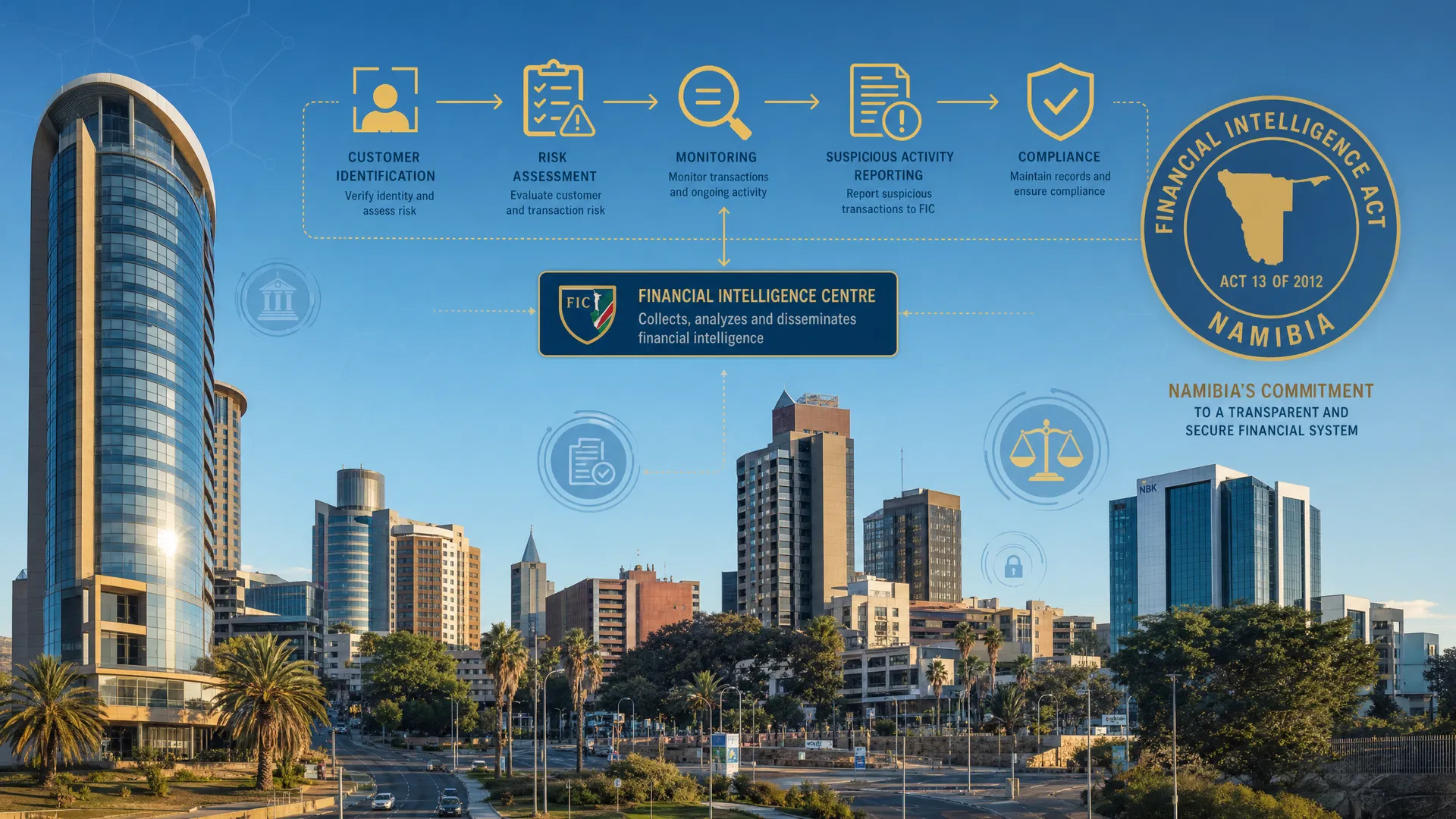
The rapid expansion of the digital economy Africa is experiencing has transformed how financial services are delivered. As mobile money platforms, blockchain networks, and digital banking solutions proliferate, the need for robust regulatory frameworks has never been more critical. The AML/CFT role in this ecosystem extends far beyond mere compliance; it serves as the foundational layer of trust that enables sustainable innovation and cross-border financial integration. Without stringent protocols, the continent's financial technology sector remains vulnerable to illicit activities that could stifle foreign direct investment. By establishing safeguards, African nations can protect their financial systems while fostering an environment conducive to technological advancement.
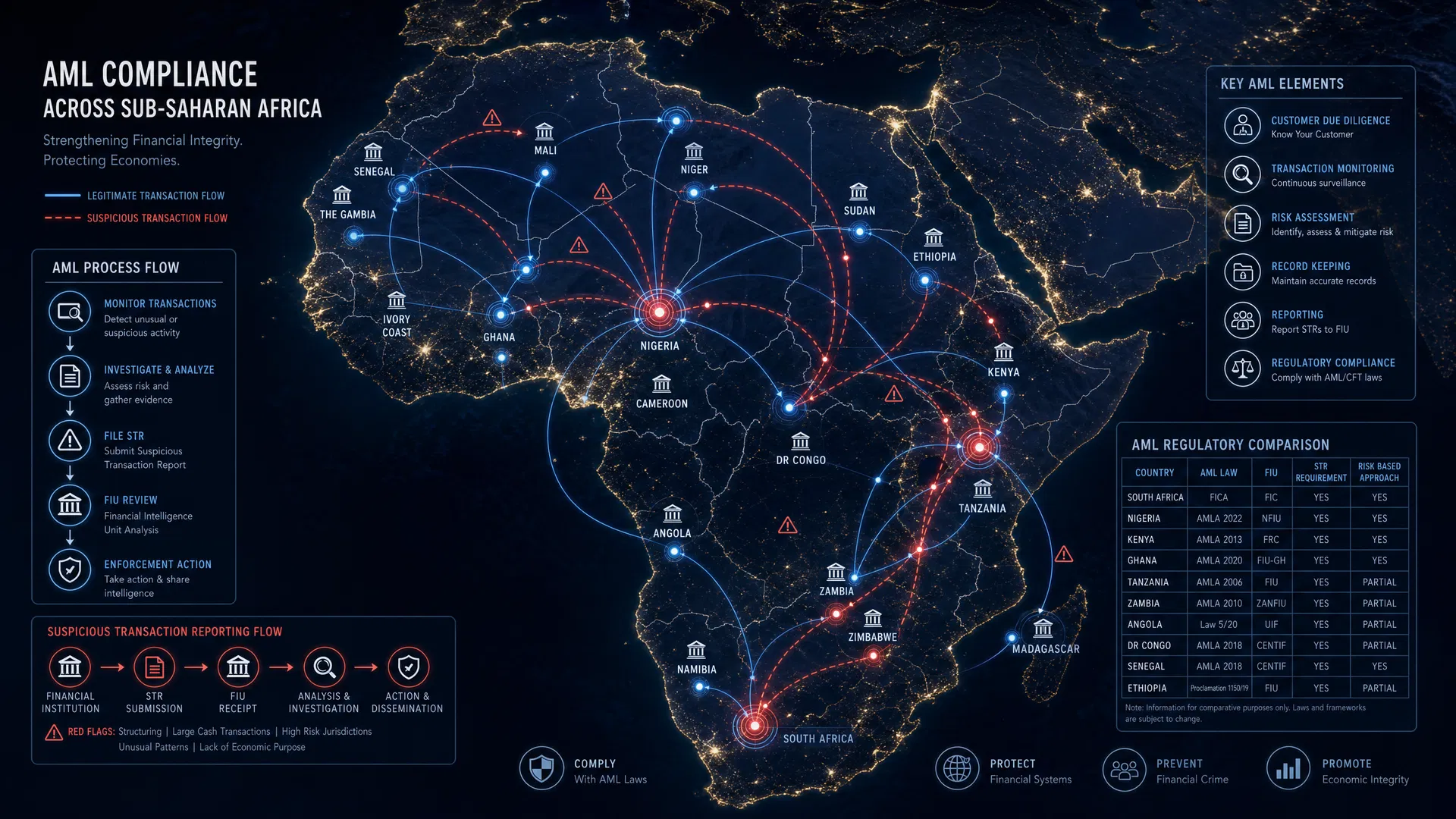
Effective anti-money laundering Africa strategies are essential for integrating the continent's fragmented financial markets into the global economic system. Financial crime prevention mechanisms ensure that digital platforms are not exploited by malicious actors seeking to launder illicit funds or finance terrorism. This is relevant in the context of cross-border remittances, which account for a significant portion of the continent's GDP. When international investors and correspondent banks observe rigorous AML/CFT measures in place, their confidence in African financial institutions increases exponentially. This enhanced trust translates into lower transaction costs, improved access to global capital markets, and accelerated fintech growth Africa needs to bridge its financial inclusion gap.
Mitigating Risks in Blockchain and Tokenization
The advent of blockchain technology and digital asset tokenization has introduced unprecedented opportunities for capital formation and asset liquidity in Africa. However, the decentralized nature of these technologies also presents novel challenges for financial crime prevention. Regulatory authorities are increasingly recognizing that the AML/CFT role must evolve to address the unique vulnerabilities associated with virtual assets. By implementing specialized monitoring tools, compliance officers can trace transaction flows across distributed ledgers, identifying suspicious patterns that traditional banking systems might overlook. This proactive approach is crucial for preventing the misuse of digital assets while allowing the blockchain ecosystem to flourish.
To effectively combat anti-money laundering Africa must adopt a forward-looking regulatory stance that embraces technological innovation rather than stifling it. The tokenization of real-world assets requires a transparent and secure infrastructure to attract institutional capital. When AML/CFT protocols are embedded into smart contracts, compliance becomes an automated feature of the transaction process. This concept of "compliance by design" reduces the administrative burden on financial institutions and provides regulators with real-time visibility into market activities. Institutional investors can participate in African tokenized markets with the assurance that their investments are protected against illicit financial flows.
Catalyzing Fintech Growth Through Regulatory Clarity
The trajectory of fintech growth Africa is experiencing is heavily dependent on the clarity of regulatory frameworks across different jurisdictions. Investors require a predictable environment to allocate capital and develop innovative solutions. When governments prioritize clear AML/CFT guidelines, they signal their commitment to creating a secure financial ecosystem. This regulatory certainty is a primary driver of foreign direct investment, as international venture capital firms are more likely to fund startups that operate within well-defined legal boundaries. Therefore, the AML/CFT role is a strategic enabler of economic expansion and technological adoption.
Financial crime prevention requires a paradigm shift from reactive compliance to proactive risk management. Fintech companies are leveraging machine learning algorithms to detect anomalous behavior in real-time, enhancing their anti-money laundering Africa capabilities. These advanced technologies allow institutions to analyze vast amounts of transactional data, identifying complex money laundering typologies. By investing in these compliance tools, African fintechs can demonstrate their commitment to global standards, facilitating partnerships with international financial institutions.
Empowering Financial Inclusion with Secure Infrastructure
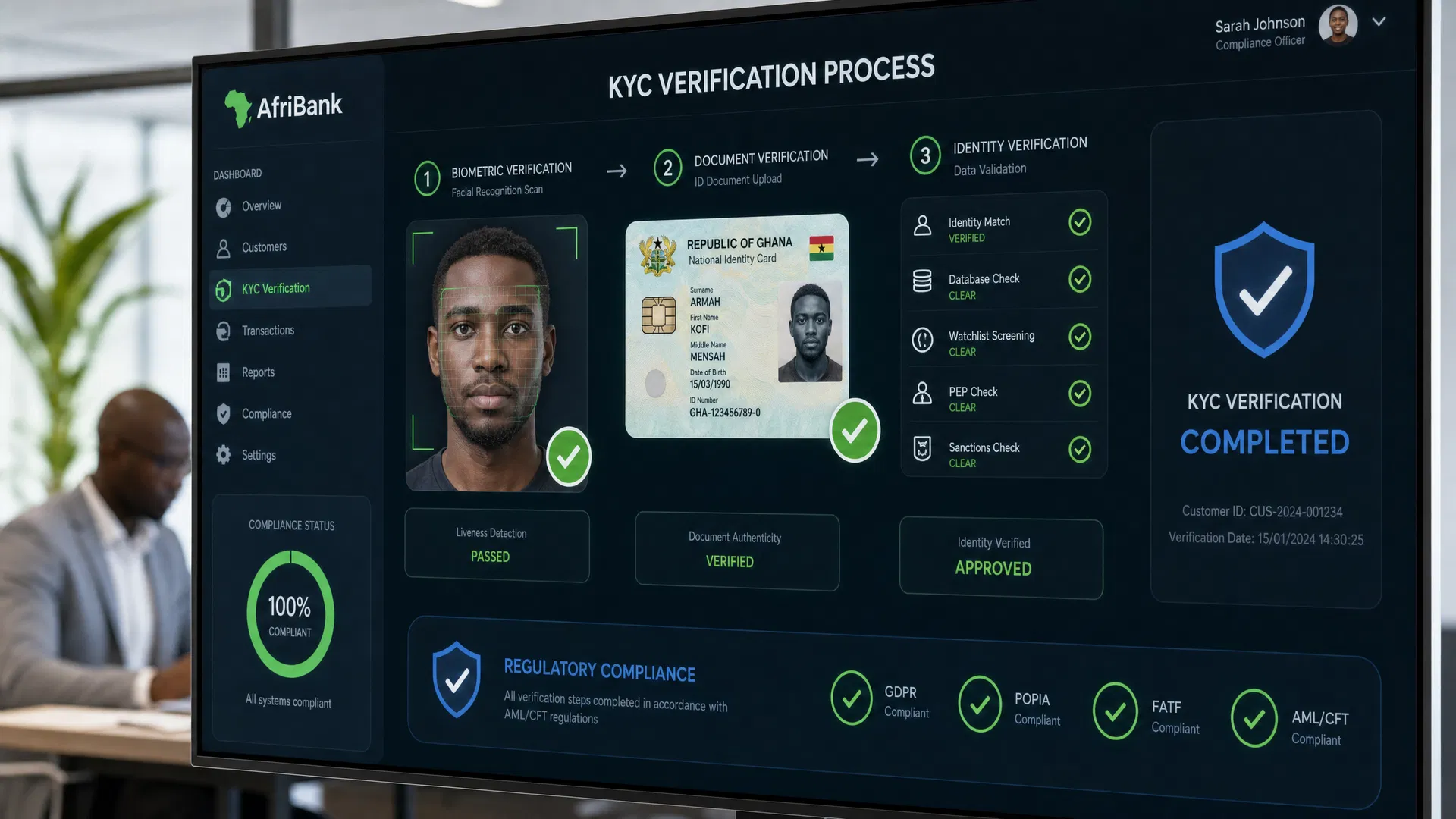
Financial inclusion remains a paramount objective for policymakers across the African continent, and the deployment of secure digital infrastructure is the catalyst for achieving this goal. However, the expansion of financial services to underserved populations must be accompanied by stringent AML/CFT safeguards to prevent the exploitation of vulnerable communities. The AML/CFT role in this context is to ensure that the platforms facilitating financial inclusion are resilient against fraud and illicit activities. By implementing risk-based compliance approaches, financial institutions can tailor their KYC requirements to the specific risk profiles of different customer segments, reducing barriers to entry for low-income individuals while maintaining robust financial crime prevention standards.
The success of anti-money laundering Africa initiatives relies heavily on the widespread adoption of digital identity systems. In many African countries, the lack of verifiable identification documents has historically excluded millions from the formal financial sector. The development of national digital identity programs, integrated with biometric verification, provides a reliable foundation for AML/CFT compliance. When individuals can easily prove their identity using digital credentials, financial institutions can seamlessly onboard them onto digital platforms, accelerating fintech growth Africa needs to drive economic empowerment. This secure infrastructure facilitates access to credit, savings, and insurance products and ensures that these services are delivered in a transparent and accountable manner.
The Future of Pan-African Digital Infrastructure
As the continent accelerates its transition toward a fully integrated digital economy, the strategic importance of robust AML/CFT frameworks cannot be overstated. The future of Pan-African digital infrastructure will be defined by its ability to seamlessly blend technological innovation with uncompromising financial crime prevention measures. The AML/CFT role will continue to evolve, transitioning from a traditional regulatory requirement into a dynamic, technology-driven discipline that underpins the entire financial ecosystem. By embracing advanced analytics, artificial intelligence, and blockchain-based compliance solutions, African nations can position themselves at the forefront of global financial security standards, attracting unprecedented levels of institutional investment.