
The Imperative for Advanced Compliance in African Digital Finance
The rapid expansion of Africa's digital economy has fundamentally transformed the financial landscape across the continent, introducing unprecedented opportunities for financial inclusion and economic growth. As mobile money platforms, digital banking solutions, and blockchain-based financial services proliferate, the volume and velocity of digital transactions have reached historic highs. However, this accelerated digital transformation has simultaneously expanded the attack surface for illicit financial activities, necessitating robust digital finance security measures. Financial institutions, regulatory bodies, and fintech innovators are increasingly recognizing that traditional compliance frameworks are no longer sufficient to mitigate the sophisticated risks associated with modern digital finance.
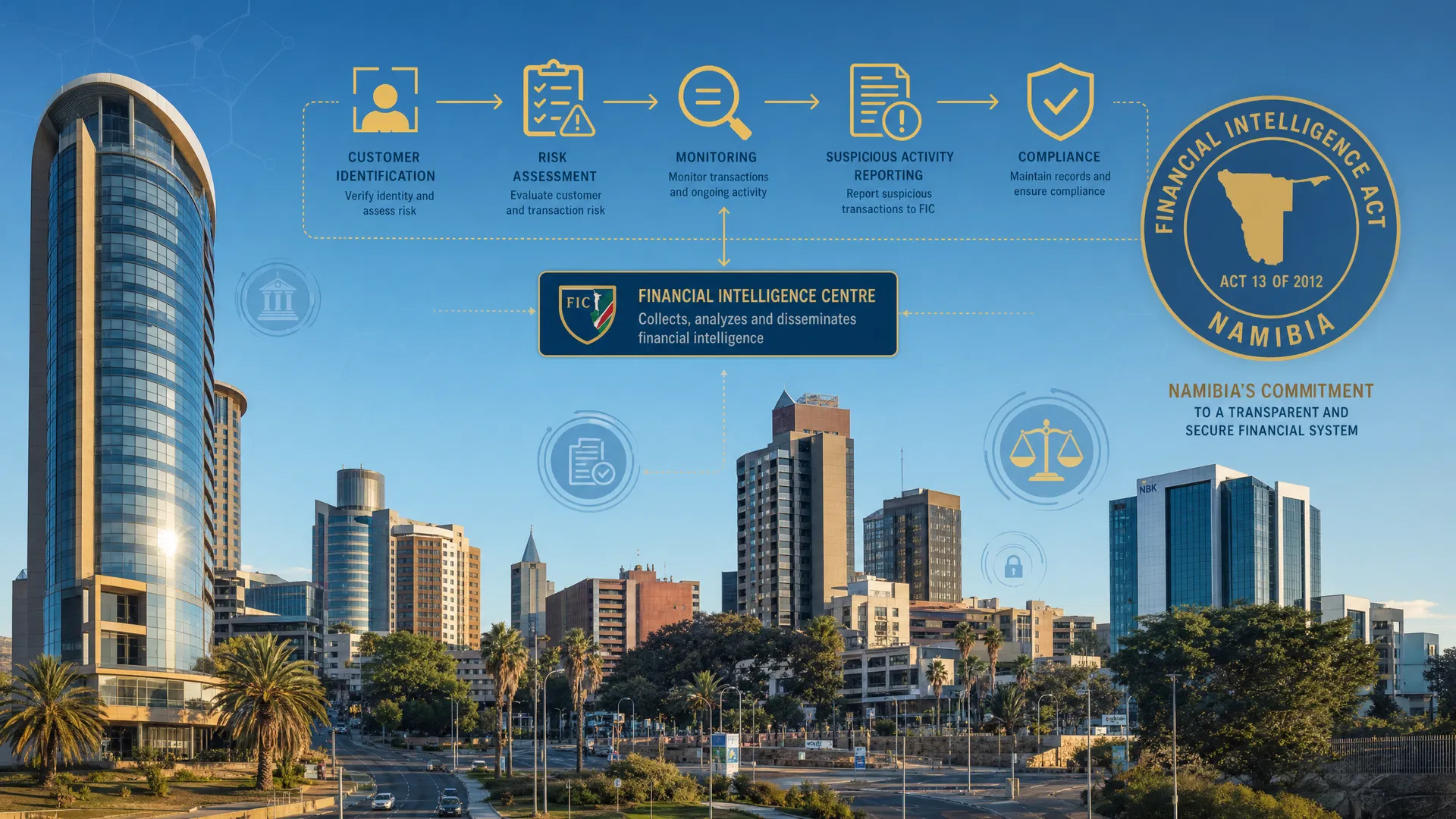
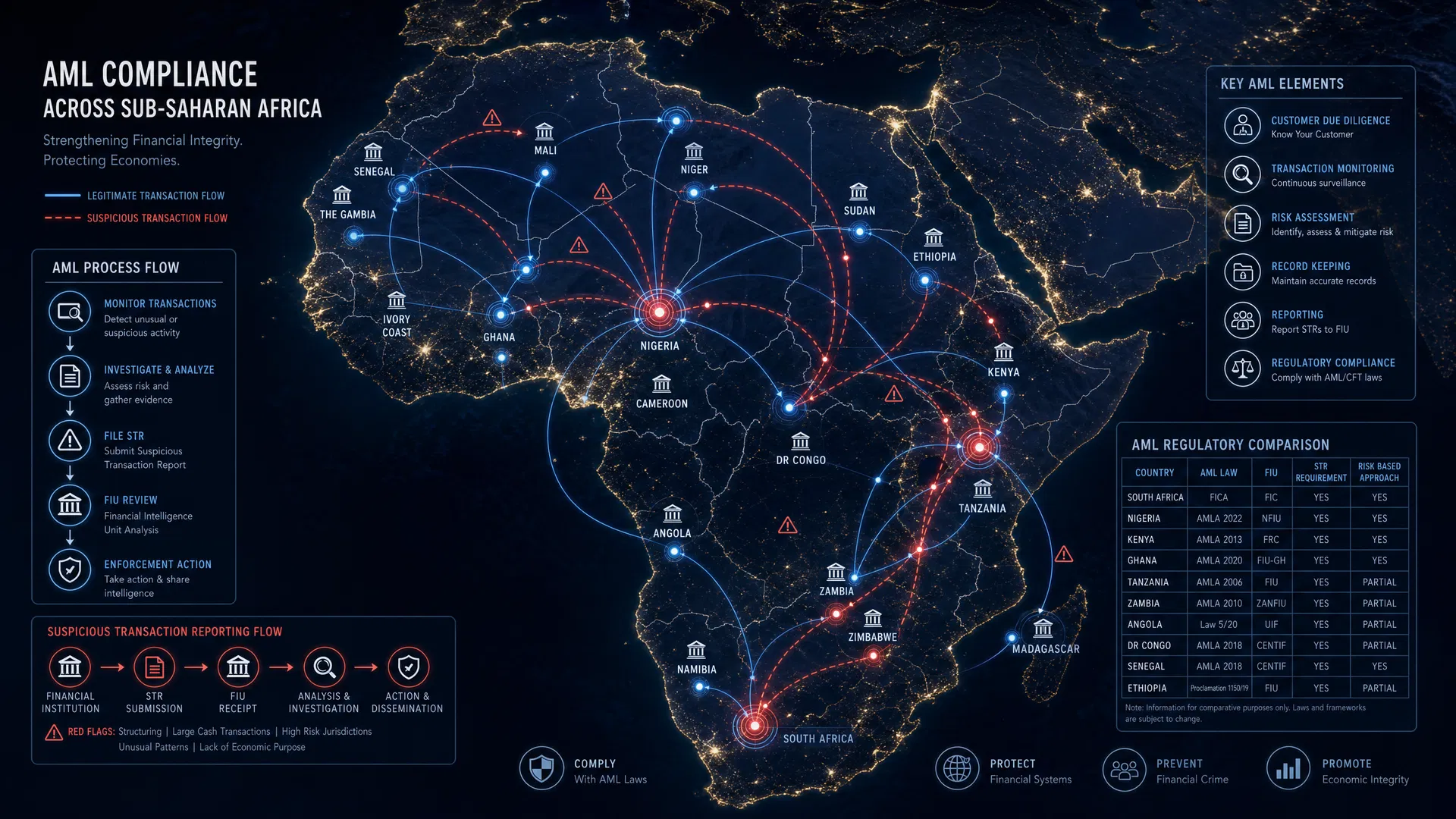
In this dynamic environment, the challenge of maintaining rigorous Anti-Money Laundering (AML) and Combating the Financing of Terrorism (CFT) standards is particularly acute. African fintech companies operate across diverse regulatory jurisdictions, each with its own set of compliance requirements and reporting standards. This fragmentation creates significant operational complexities and increases the cost of compliance for institutions seeking to scale their services continent-wide. Furthermore, the reliance on manual processes and legacy systems often results in high false-positive rates, inefficient resource allocation, and delayed threat detection.
Overcoming Traditional AML/CFT Limitations with Artificial Intelligence
Historically, financial institutions in Africa have relied on rule-based systems for transaction monitoring and customer due diligence, a methodology that is inherently limited in its ability to adapt to evolving financial crimes. These legacy systems operate on static parameters, generating overwhelming volumes of alerts that require manual investigation by compliance officers. The resulting operational bottleneck not only drains institutional resources but also increases the likelihood of genuine illicit activities slipping through the cracks. In contrast, artificial intelligence AML systems utilize dynamic, self-learning algorithms that continuously analyze vast datasets to identify anomalous behaviors and complex money laundering typologies that would otherwise remain undetected by human analysts.
The implementation of AI in AML processes significantly enhances the efficiency and effectiveness of compliance operations by drastically reducing false-positive rates. Machine learning models can contextualize transactional data, taking into account historical behavior, peer group comparisons, and external risk indicators to provide a more nuanced assessment of potential threats. This intelligent filtering allows compliance teams to focus their expertise on high-risk alerts, thereby optimizing resource allocation and accelerating the investigation process.
Integrating AI in AML: Transforming Transaction Monitoring and KYC
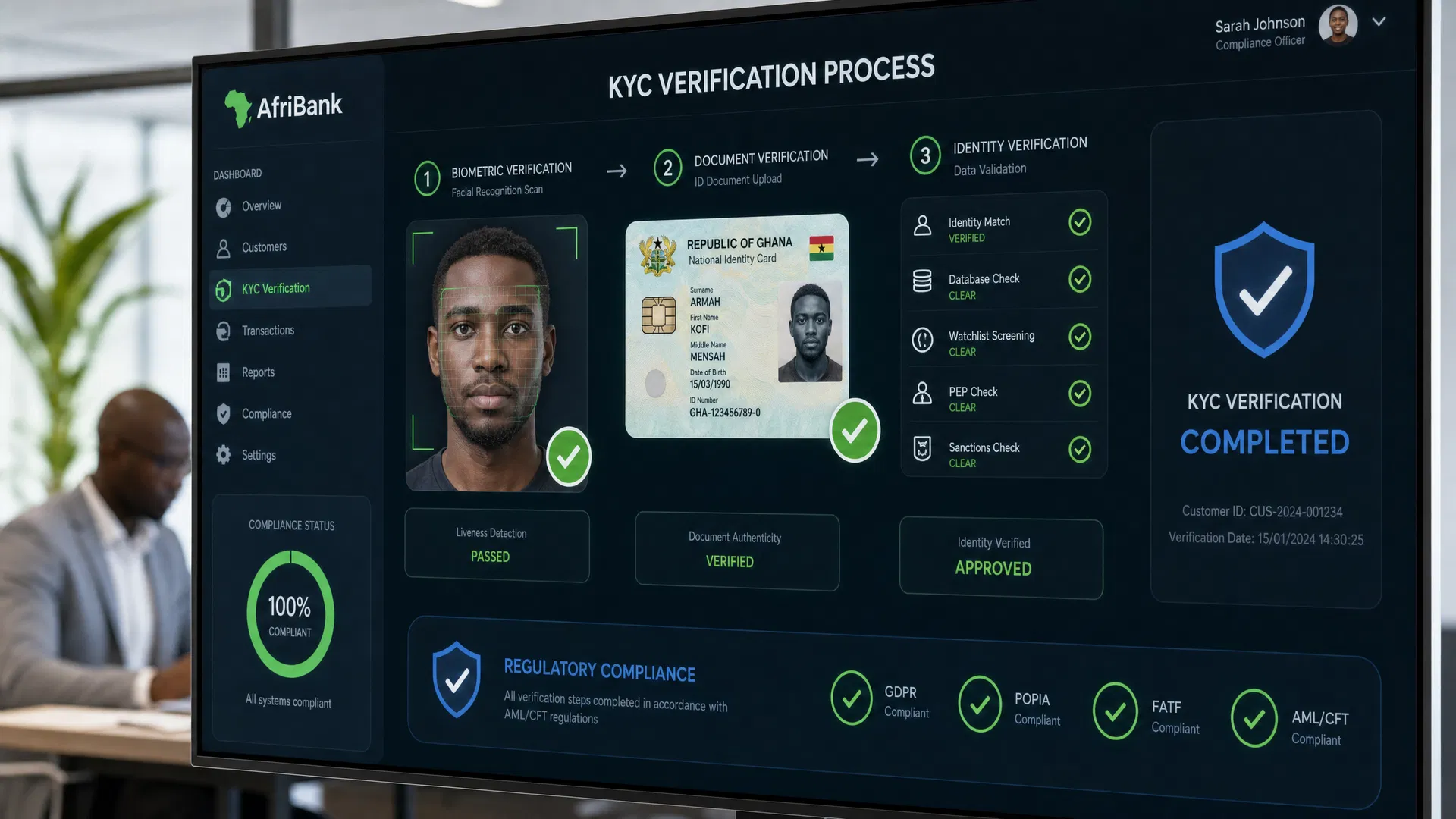
The transformation of Know Your Customer (KYC) and transaction monitoring processes is arguably the most profound impact of artificial intelligence on fintech compliance Africa. Traditional KYC procedures are often cumbersome, paper-intensive, and prone to human error, leading to suboptimal customer experiences and prolonged onboarding times. AI-powered biometric verification, facial recognition, and document authentication technologies have revolutionized this critical compliance function, enabling seamless, remote onboarding that complies with the highest regulatory standards. These automated systems can instantly verify the authenticity of identification documents and match them against live biometric data, significantly mitigating the risk of identity theft and synthetic fraud.
In the realm of transaction monitoring, AI in AML introduces predictive analytics and behavioral modeling to proactively identify suspicious activities before they culminate in significant financial losses. Unlike retrospective rule-based systems, machine learning algorithms analyze transactions in real-time, mapping complex networks of entities and tracing the flow of funds across multiple jurisdictions and asset classes. This holistic view is essential for detecting sophisticated laundering schemes, such as smurfing and trade-based money laundering, which often involve intricate webs of shell companies and cross-border transfers.
Blockchain, Tokenization, and the Future of CFT Technology in Africa
The intersection of artificial intelligence and blockchain technology presents a transformative opportunity to elevate fintech compliance Africa to unprecedented levels of transparency and security. As the continent embraces digital assets, stablecoins, and the tokenization of real-world assets, the immutable and transparent nature of distributed ledger technology provides an ideal foundation for advanced AML/CFT frameworks. Blockchain networks generate a permanent, verifiable record of all transactions, creating a rich dataset that AI algorithms can analyze to trace the provenance of funds and identify illicit financial flows with absolute certainty. This synergy between AI and blockchain is poised to redefine the standards of digital finance security across the African continent.
Tokenization introduces new dimensions of compliance that require the sophisticated analytical capabilities of AI in AML. The fractional ownership of assets necessitates real-time monitoring of secondary market transactions and the continuous verification of investor identities. Artificial intelligence can automate the enforcement of compliance rules embedded within smart contracts, ensuring that tokenized assets are only transferred between verified and authorized parties.
Conclusion: Securing Africa's Digital Economy Transformation
The integration of artificial intelligence into AML and CFT frameworks represents a critical milestone in the maturation of Africa's digital financial ecosystem. As the continent continues to pioneer innovations in mobile money, blockchain, and tokenization, the imperative for robust digital finance security has never been greater. By leveraging AI in AML, financial institutions can transcend the limitations of traditional compliance methodologies, achieving unprecedented levels of efficiency, accuracy, and proactive risk mitigation. This technological advancement is not merely a regulatory requirement; it is a strategic enabler of sustainable economic growth and global financial integration.
Looking forward, the continuous evolution of CFT technology Africa will play a pivotal role in shaping the future of the continent's digital infrastructure. The synergy between artificial intelligence, distributed ledger technology, and decentralized identity solutions offers a compelling vision for a secure, inclusive, and highly efficient financial system. As regulatory frameworks adapt to support these innovations, African fintechs are uniquely positioned to lead the global transition toward intelligent, automated compliance.