The Imperative of Digital ID Harmonization in North Africa
North Africa stands at a pivotal juncture in its digital transformation journey, particularly in the realm of financial services. As regional economies deepen integration, the harmonization of digital ID systems emerges as a fundamental enabler for cross-border finance. Digital IDs are critical for verifying identities securely and efficiently, reducing fraud, and enhancing compliance with anti-money laundering (AML) and know-your-customer (KYC) regulations. In North Africa, where mobile penetration rates average over 70%, leveraging digital ID frameworks presents an unprecedented opportunity to unlock financial inclusion for millions currently underserved by traditional banking.
The fragmented nature of national digital ID systems across North African countries—Morocco, Algeria, Tunisia, Libya, and Egypt—impedes seamless cross-border transactions. Each country employs varying standards and technologies, leading to interoperability challenges that hinder the free flow of capital and services. According to the African Development Bank, harmonized digital ID infrastructure can reduce costs for financial service providers by up to 30%, while increasing customer onboarding rates by 20%. This regional harmonization is not merely a technical upgrade; it is a strategic necessity to foster trust, streamline regulatory compliance, and catalyze regional economic growth.
Cross-Border Finance and Regional Harmonization Dynamics
The growth of cross-border finance in North Africa is closely tied to the efficiency of digital identification systems. Regional harmonization facilitates smoother remittances, trade finance, and investment flows, vital for economies that rely heavily on diaspora remittances and regional trade. For example, Egypt alone receives over $30 billion annually in remittances, a significant portion of which could be expedited through interoperable digital ID solutions. Harmonized digital identities enable financial institutions to perform real-time identity verification across borders, reducing transaction times from days to minutes.
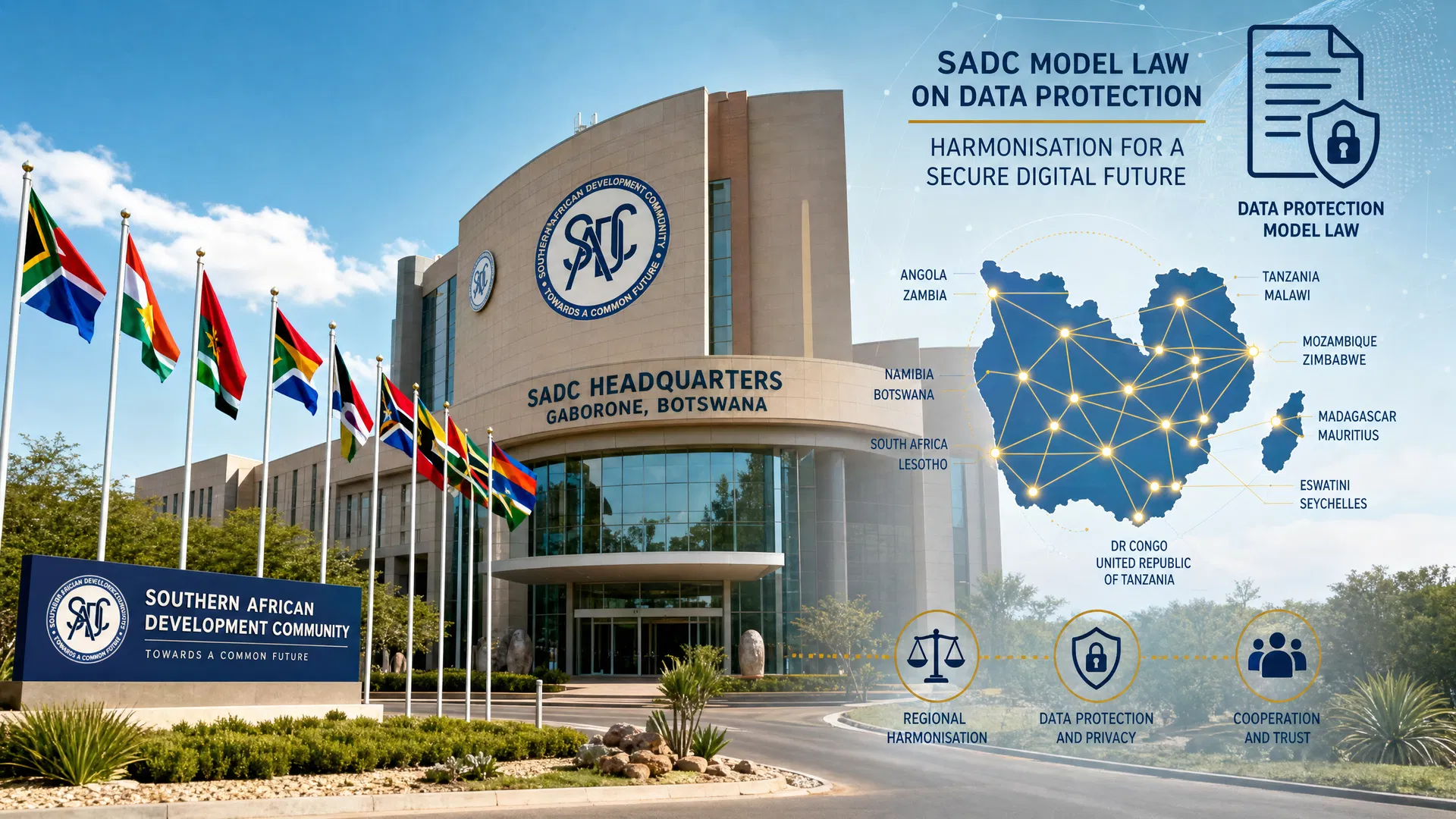
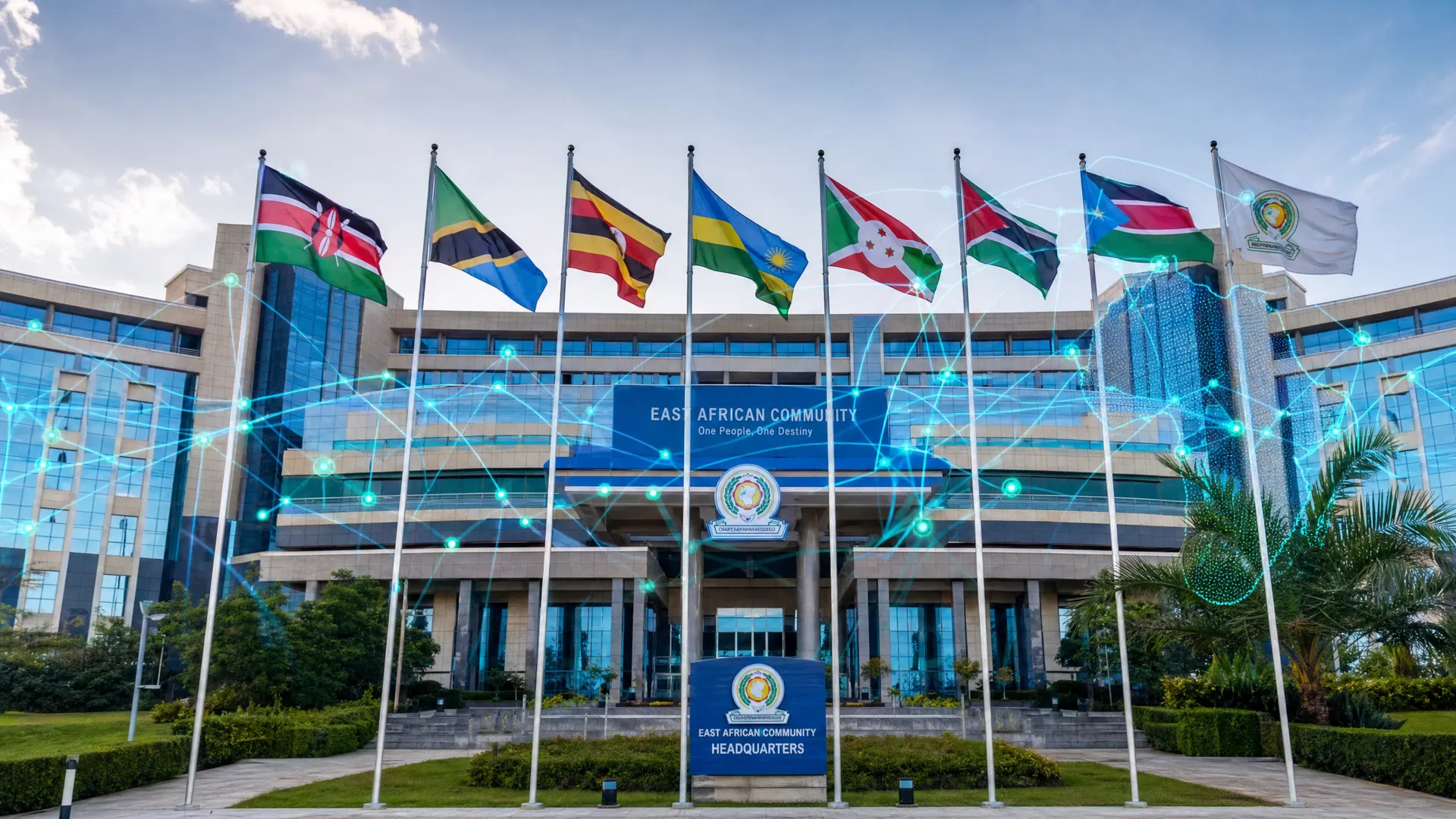
Moreover, regional regulatory bodies such as the Arab Maghreb Union (AMU) and initiatives led by the African Union are actively promoting frameworks that encourage cross-border digital ID acceptance. These efforts align with international best practices, including the World Bank’s Identification for Development (ID4D) agenda, which underscores the importance of foundational digital ID systems for inclusive growth. By establishing common standards, North African countries can mitigate risks related to identity fraud and financial crime while enhancing user privacy and data sovereignty through shared governance protocols.
Financial Inclusion Through Digital Identity
Digital ID harmonization is a cornerstone for advancing financial inclusion in North Africa. Approximately 60% of adults in the region remain unbanked, according to the World Bank’s Global Findex database, largely due to access barriers and cumbersome verification processes. A unified digital ID system reduces friction by enabling digital onboarding, allowing underserved populations—especially women, youth, and rural residents—to access banking, credit, and insurance products more readily.
In Morocco, the government’s recent rollout of a national digital ID platform has already increased registered users by 15% within the first year, signaling strong adoption potential. Expanding such platforms regionally can create interoperable credentials that financial institutions trust, thereby lowering the cost of client acquisition and boosting financial service penetration. Furthermore, digital IDs can integrate with mobile money platforms, which dominate North Africa’s informal financial landscape, thus bridging the gap between formal and informal sectors and fostering economic empowerment.
Blockchain and Tokenization: Enhancing Digital ID Security and Utility
The integration of blockchain and tokenization technologies offers transformative prospects for North Africa’s digital ID harmonization efforts. Blockchain’s decentralized architecture ensures immutability and transparency of identity records, significantly reducing the risk of identity theft and unauthorized data manipulation. Tokenization can encapsulate personal identity attributes into secure, verifiable tokens that users control, enhancing privacy and consent management.
Several pilot projects across Africa, such as Nigeria’s blockchain-based National Identity Management System, demonstrate the potential for these technologies to create resilient and user-centric digital ID ecosystems. North Africa can leverage similar innovations to enhance cross-border financial services, enabling instant, secure verification of identity credentials that comply with regional regulatory frameworks. Moreover, tokenized digital IDs can facilitate programmable finance, where identity-linked smart contracts automate compliance and access controls, thereby streamlining cross-border transactions and reducing operational costs.
Regulatory Frameworks and Policy Considerations
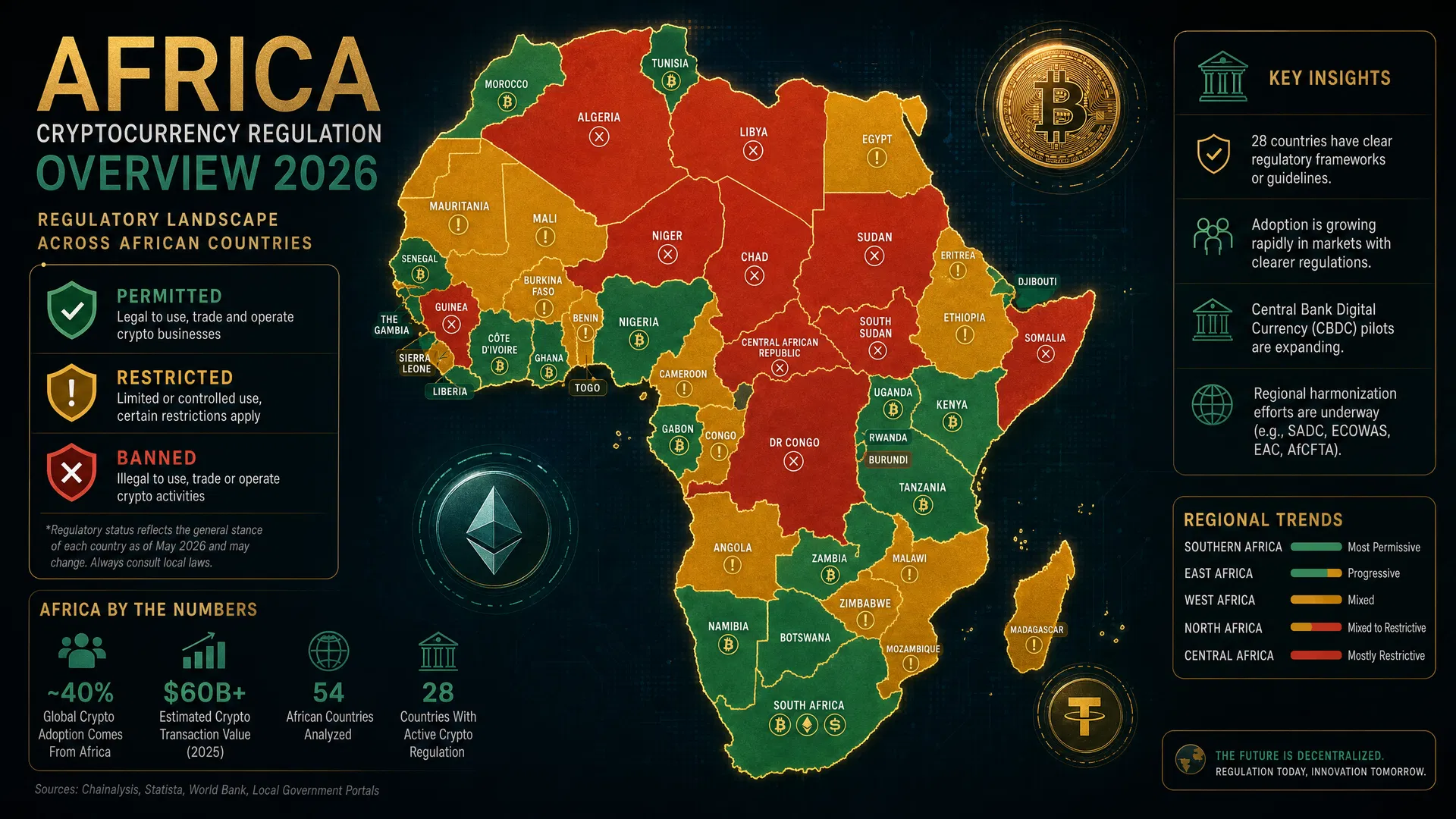
Effective digital ID harmonization requires robust regulatory frameworks that balance innovation with privacy, security, and interoperability mandates. North African governments must collaborate to establish common legal standards for data protection, identity authentication, and digital signatures. The emergence of the African Continental Free Trade Area (AfCFTA) reinforces the need for aligned policies that enable seamless digital identity recognition across member states, including North African nations.
Policymakers should prioritize the adoption of risk-based approaches that tailor identity verification requirements to transaction types, thereby promoting inclusive access without compromising security. Additionally, cross-border data-sharing agreements must ensure compliance with international regulations such as GDPR, while respecting regional data sovereignty. Public-private partnerships are essential for mobilizing technical expertise and investment, ensuring that digital ID platforms are scalable, interoperable, and resilient against cyber threats.
Future Outlook: Digital Infrastructure as a Catalyst for Economic Integration
Looking ahead, North Africa’s digital ID harmonization presents a strategic opportunity to accelerate the region’s integration into the broader African digital economy. Investments in interoperable digital infrastructure will enable financial institutions, fintech innovators, and policymakers to unlock value across cross-border corridors. The confluence of digital ID, blockchain, and tokenization technologies can facilitate new financial products, enhance remittance channels, and support emerging digital asset markets.
Institutional investors should view the harmonization of digital IDs as a critical enabler of regional financial inclusion and economic diversification. By fostering an environment that supports secure, efficient identity verification, North Africa can attract greater foreign direct investment and stimulate intra-regional trade. Ultimately, a harmonized digital ID ecosystem will serve as a foundation for building a resilient, inclusive, and future-ready financial services landscape across North Africa and beyond.