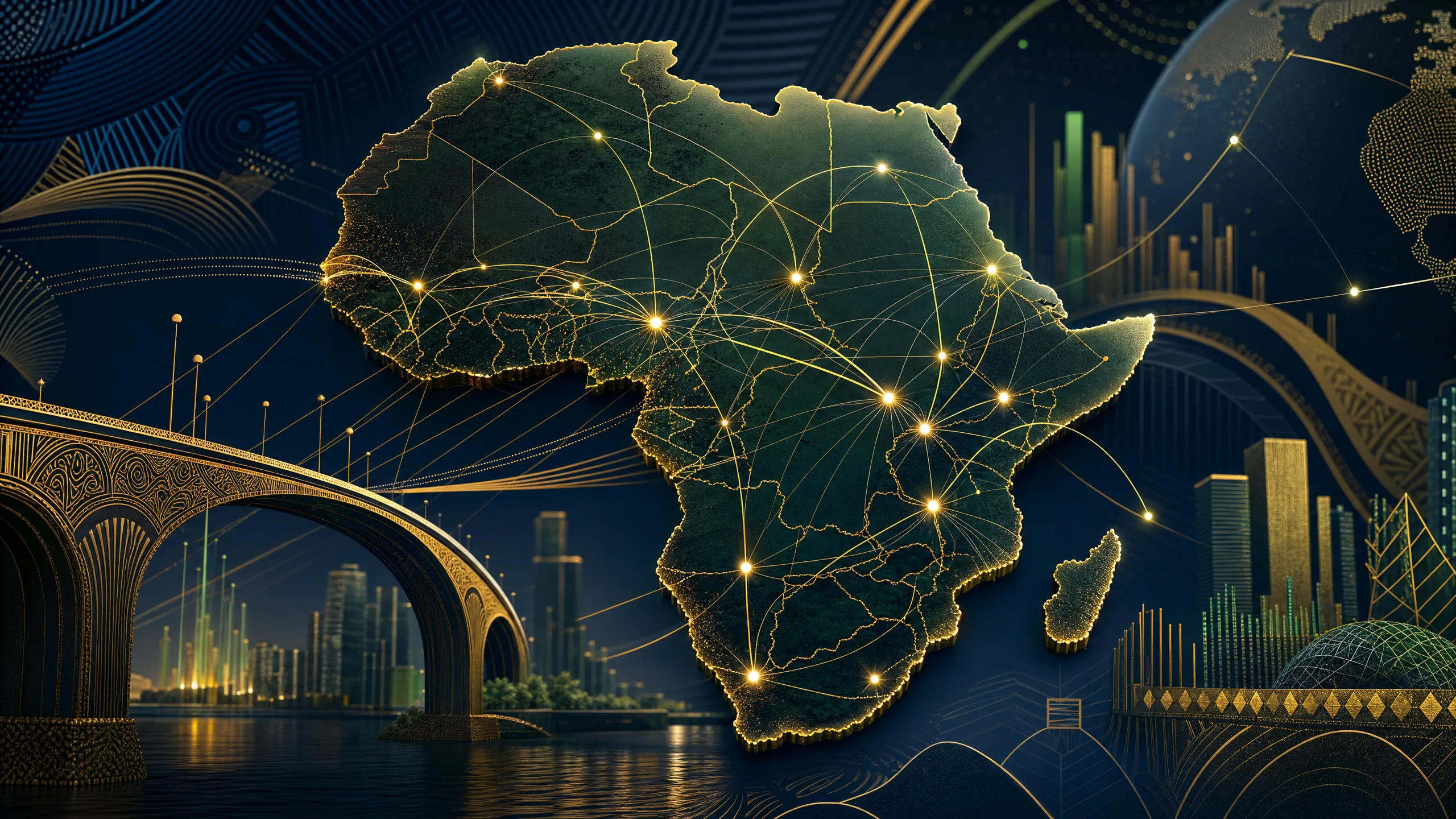
The Imperative for Regional Harmonization in West Africa’s Digital Payments Landscape
West Africa is undergoing a profound transformation in its digital economy, with digital payments emerging as a critical driver of financial inclusion and economic growth. Despite rapid mobile money adoption—where countries like Ghana and Côte d’Ivoire report mobile money penetration rates exceeding 50% of the adult population—fragmented regulatory frameworks and siloed payment systems continue to inhibit seamless cross-border transactions. Regional harmonization presents a strategic pathway to overcome these barriers by aligning regulations, standards, and technologies across West African Economic and Monetary Union (WAEMU) and Economic Community of West African States (ECOWAS) member countries.
The lack of payment interoperability remains a significant challenge. According to the GSMA Mobile Money Report 2023, while West Africa boasts over 200 million registered mobile money accounts, cross-border interoperability is limited, restricting the flow of remittances and trade finance. Regional harmonization efforts aim to standardize digital payment protocols and regulatory policies, enabling interoperable mobile money platforms that facilitate efficient, cost-effective transactions across borders. Such integration not only supports the region’s economic integration agenda but also enhances the resilience and scalability of digital financial services.
Mobile Money as a Catalyst for Financial Inclusion and Economic Growth
Mobile money has revolutionized financial access in West Africa, particularly in rural and underserved communities. Countries like Senegal and Nigeria have witnessed exponential growth in mobile money transactions, with volumes increasing by over 40% annually in recent years. This surge is driven by widespread mobile phone penetration and innovative digital financial products tailored to local needs. However, the full potential of mobile money as a tool for economic empowerment and poverty alleviation depends on overcoming fragmentation and achieving regional harmonization.
Interoperability between mobile money providers within and across West African countries is essential to unlocking broader economic benefits. Currently, consumers face high transaction costs and limited options when transferring funds across borders or between different mobile money networks. By establishing unified regulatory frameworks and technical standards, regional harmonization can reduce these barriers, fostering a more inclusive digital payments ecosystem. This would enable millions of small and medium enterprises (SMEs) to participate more fully in regional trade, boosting economic diversification and job creation.
Regulatory Frameworks: Aligning Policies for Seamless Payment Interoperability
Effective regional harmonization requires coherent regulatory frameworks that balance innovation with risk management. West African regulators have made strides in this direction, with ECOWAS adopting the Payment Systems and Services Directive to promote interoperability and consumer protection. However, disparities in national regulations, licensing requirements, and anti-money laundering (AML) standards continue to impede seamless digital payment integration.
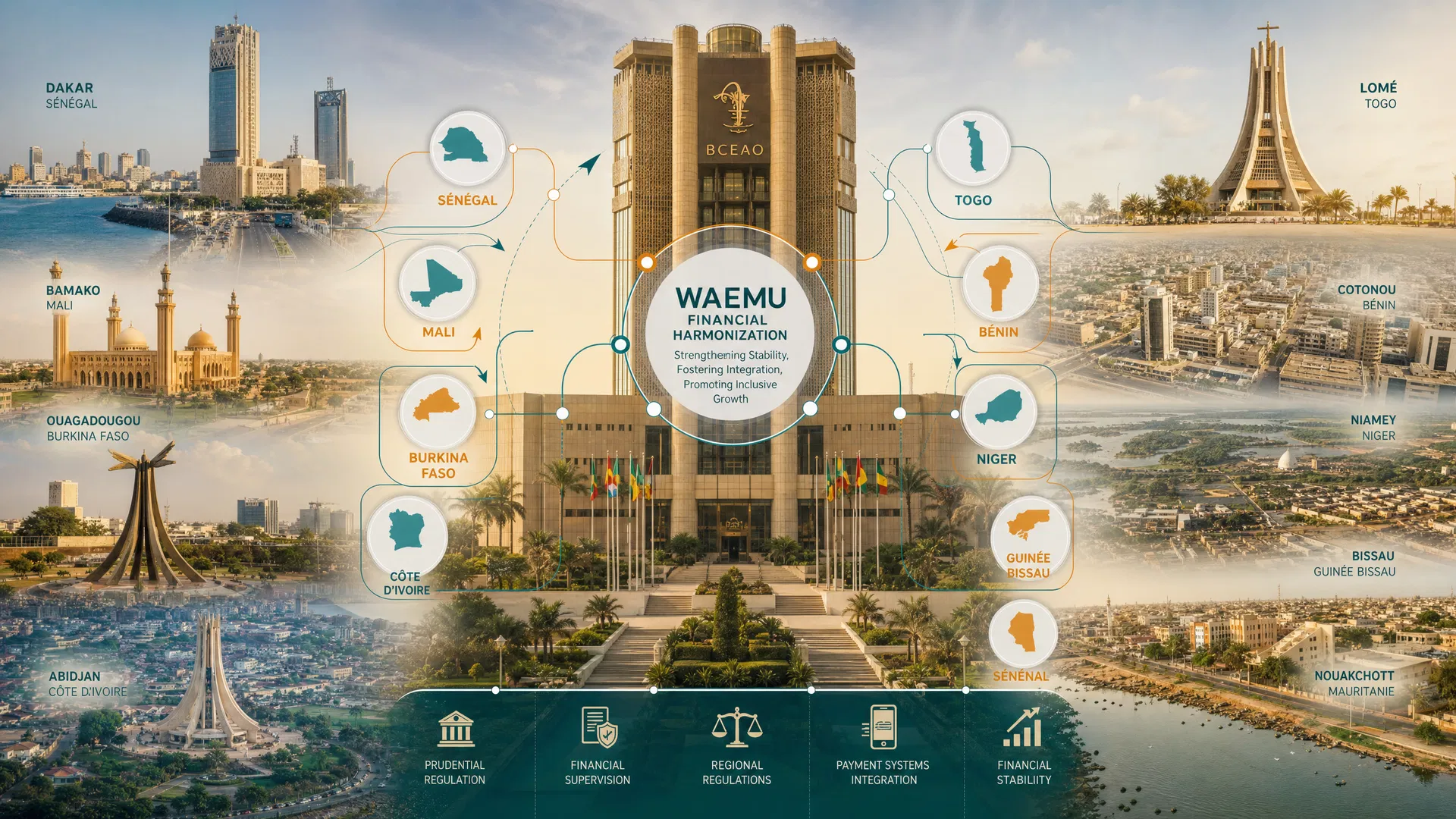
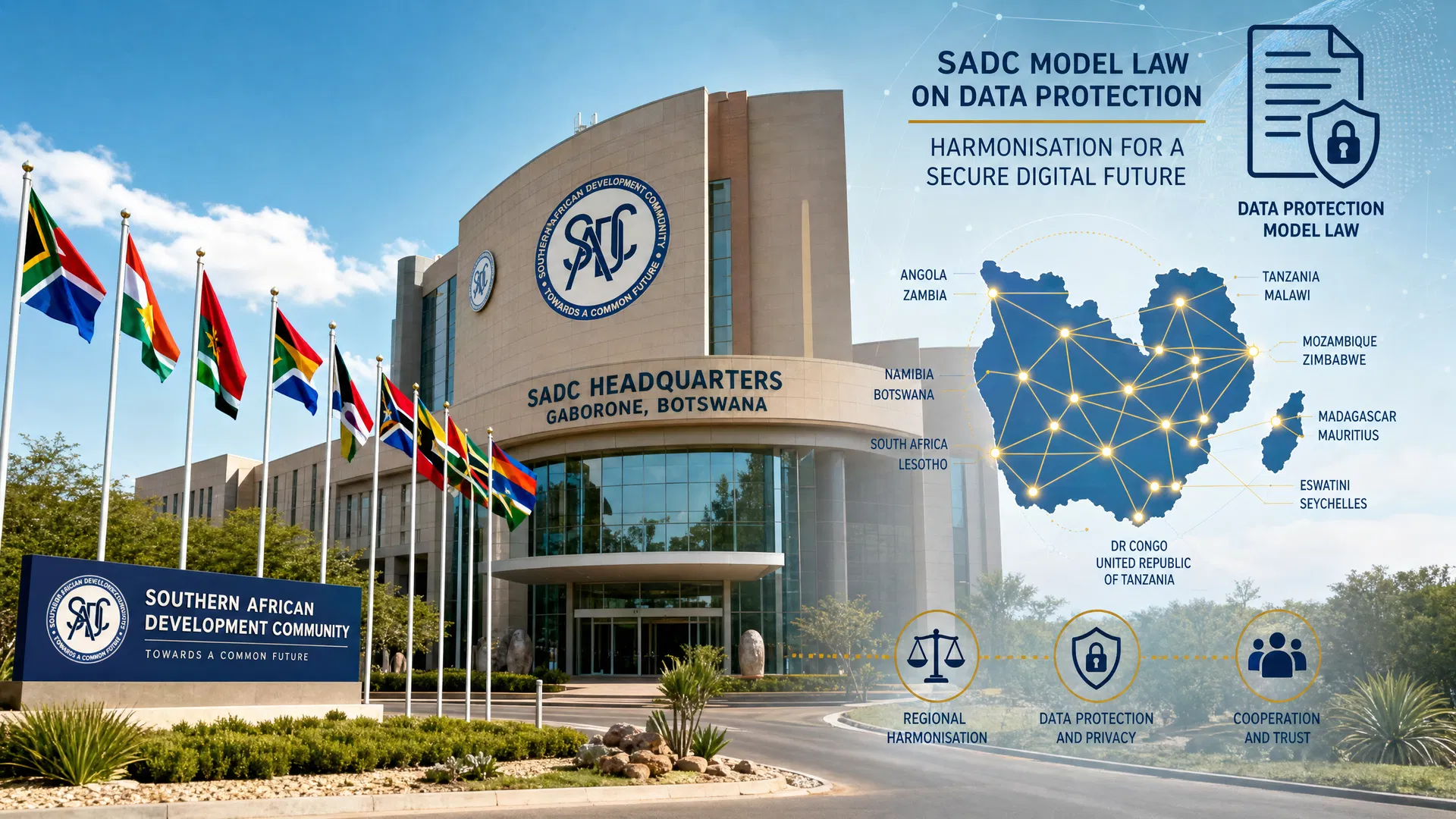
Harmonizing these regulatory elements involves coordinated policymaking and capacity building among central banks and financial authorities. For instance, the Central Bank of West African States (BCEAO) has pioneered initiatives to standardize mobile money regulations across WAEMU countries, facilitating cross-border payment interoperability. Such efforts must be complemented by robust data protection laws and cybersecurity frameworks to build trust and safeguard users. A harmonized regulatory environment will encourage investment in digital payment infrastructure and foster innovation in blockchain and tokenization technologies, which require clear legal recognition to thrive.
Blockchain and Tokenization: Unlocking New Frontiers in Digital Payments
Blockchain technology and tokenization offer transformative opportunities for advancing digital payments in West Africa. By enabling decentralized, transparent, and secure transaction records, blockchain can address challenges related to fraud, reconciliation, and settlement delays in cross-border payments. Moreover, tokenization—the process of converting rights to an asset into a digital token—can facilitate faster, cheaper, and more accessible digital financial services.
Several West African fintech startups are pioneering blockchain-based solutions to improve payment interoperability and financial inclusion. For example, platforms leveraging stablecoins pegged to regional currencies can enable instant cross-border remittances without reliance on traditional correspondent banking networks. Additionally, tokenization can empower SMEs to access new forms of digital collateral and financing, catalyzing economic growth. However, realizing these benefits hinges on regional harmonization of regulatory frameworks that recognize and support blockchain innovations while mitigating associated risks.
Economic Integration and the Future of Digital Finance in West Africa
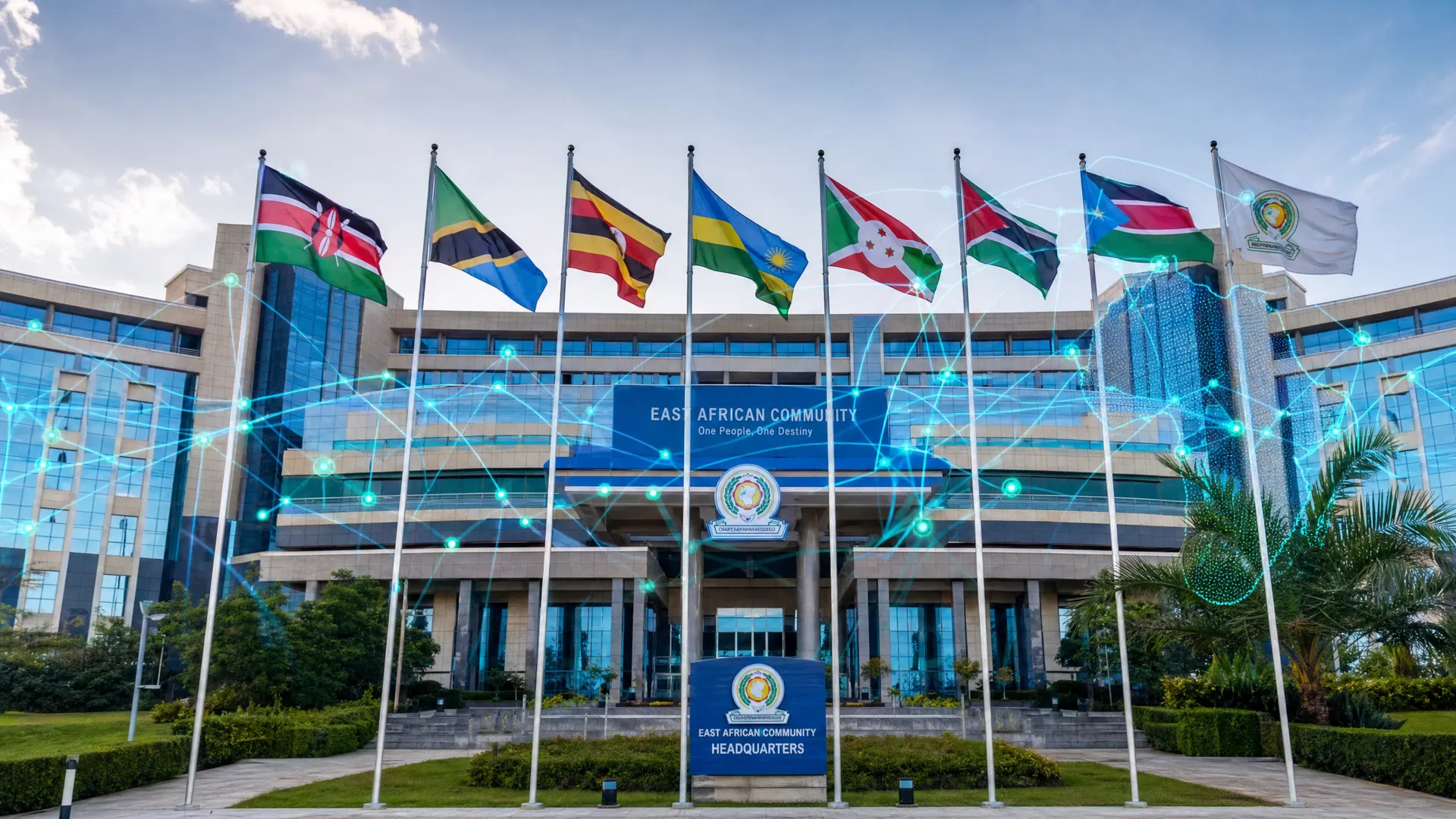
Regional harmonization of digital payments is a cornerstone of broader economic integration initiatives within West Africa. The ECOWAS Single Digital Market (ESDM) strategy envisions a unified digital ecosystem that facilitates the free flow of goods, services, and capital. Digital payment interoperability is fundamental to this vision, enabling seamless transactions that underpin trade, investment, and consumer confidence.
Investment in interoperable digital payment infrastructure can significantly reduce transaction costs, estimated currently at 7-10% for intra-regional remittances, compared to the global average of 6.5%. Lower costs enhance competitiveness and attract foreign direct investment, particularly in digital financial services and blockchain ventures. Policymakers and institutional investors must therefore prioritize funding and regulatory support for harmonization efforts, recognizing their role in unlocking West Africa’s digital economy potential.
Conclusion: Building Resilient Digital Infrastructure for West Africa’s Future
West Africa stands at a pivotal moment in its digital finance journey. Advancing digital payments through regional harmonization offers a pathway to inclusive growth, financial stability, and technological innovation. By aligning regulatory frameworks, promoting mobile money interoperability, and embracing blockchain and tokenization, the region can build a resilient and scalable digital payments ecosystem.
Looking ahead, the development of robust digital infrastructure—encompassing secure payment gateways, interoperable platforms, and supportive regulatory environments—will be critical. Institutional investors and policymakers must collaborate to foster an enabling environment that attracts innovation and investment. Such concerted efforts will not only accelerate West Africa’s digital economy transformation but also position the region as a leader in Africa’s evolving digital finance landscape.