# SADC Model Law on Data Protection: Regional Harmonization Across Southern Africa
The rapid expansion of Africa’s digital economy has brought data protection and privacy to the forefront of regulatory discussions. For digital asset platforms, central bank digital currency (CBDC) initiatives, and fintech operators, navigating the fragmented regulatory landscape across the continent can be a daunting challenge. However, the Southern African Development Community (SADC) Model Law on Data Protection, adopted in 2013, serves as a crucial blueprint for regional harmonization. As platforms like AfriVest build Africa’s sovereign digital asset infrastructure, understanding and aligning with this framework is essential for ensuring compliance, fostering trust, and driving financial inclusion.
Regulatory Background and the Push for Harmonization
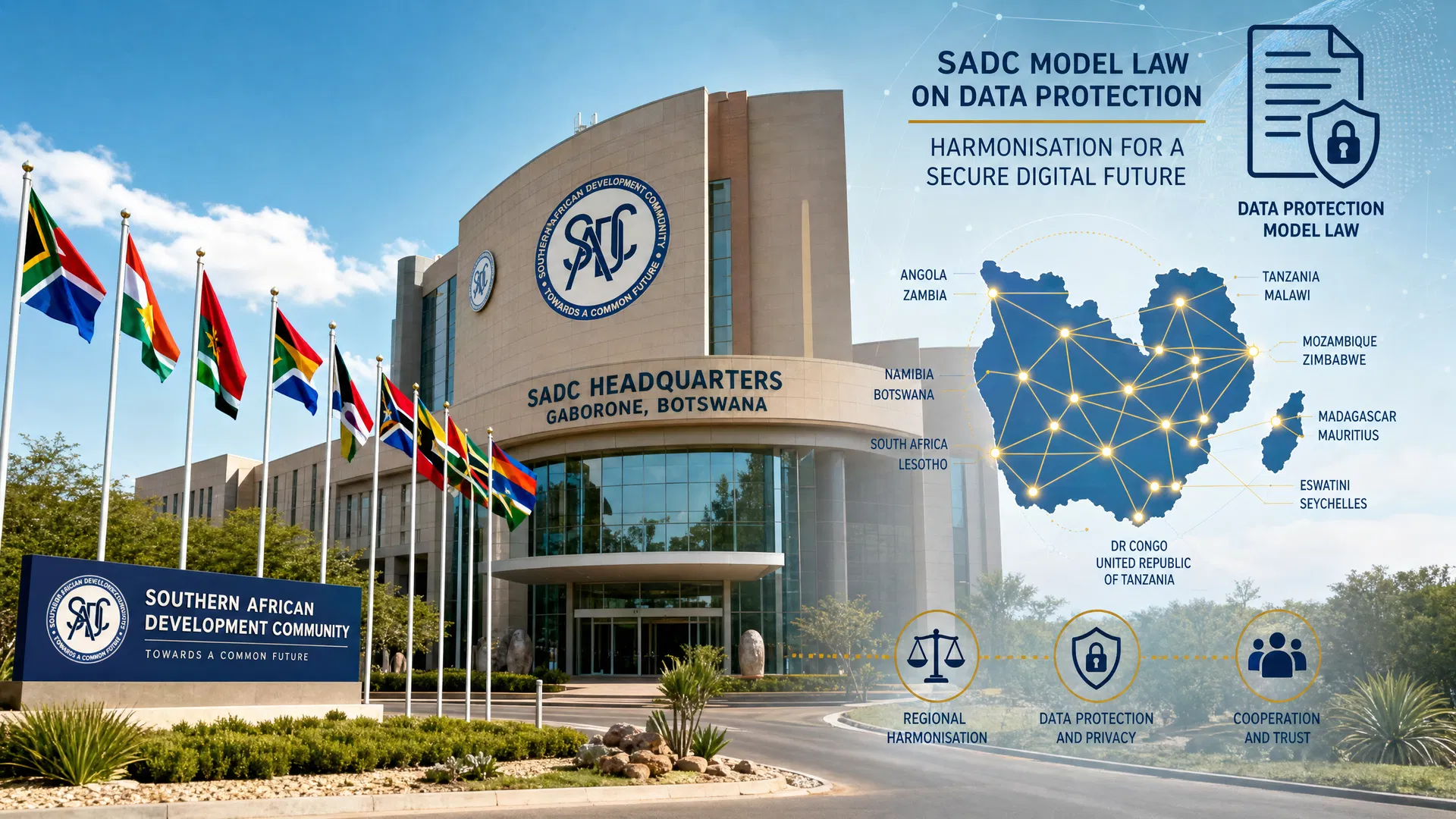
The SADC Model Law on Data Protection was developed to provide a comprehensive and unified approach to data privacy across the 16 member states of the Southern African Development Community. Prior to its introduction, data protection regulations in the region were largely disparate, with some countries lacking formal legislation entirely. The Model Law was designed to bridge these gaps, offering a standardized template that member states could adapt into their domestic legal frameworks.
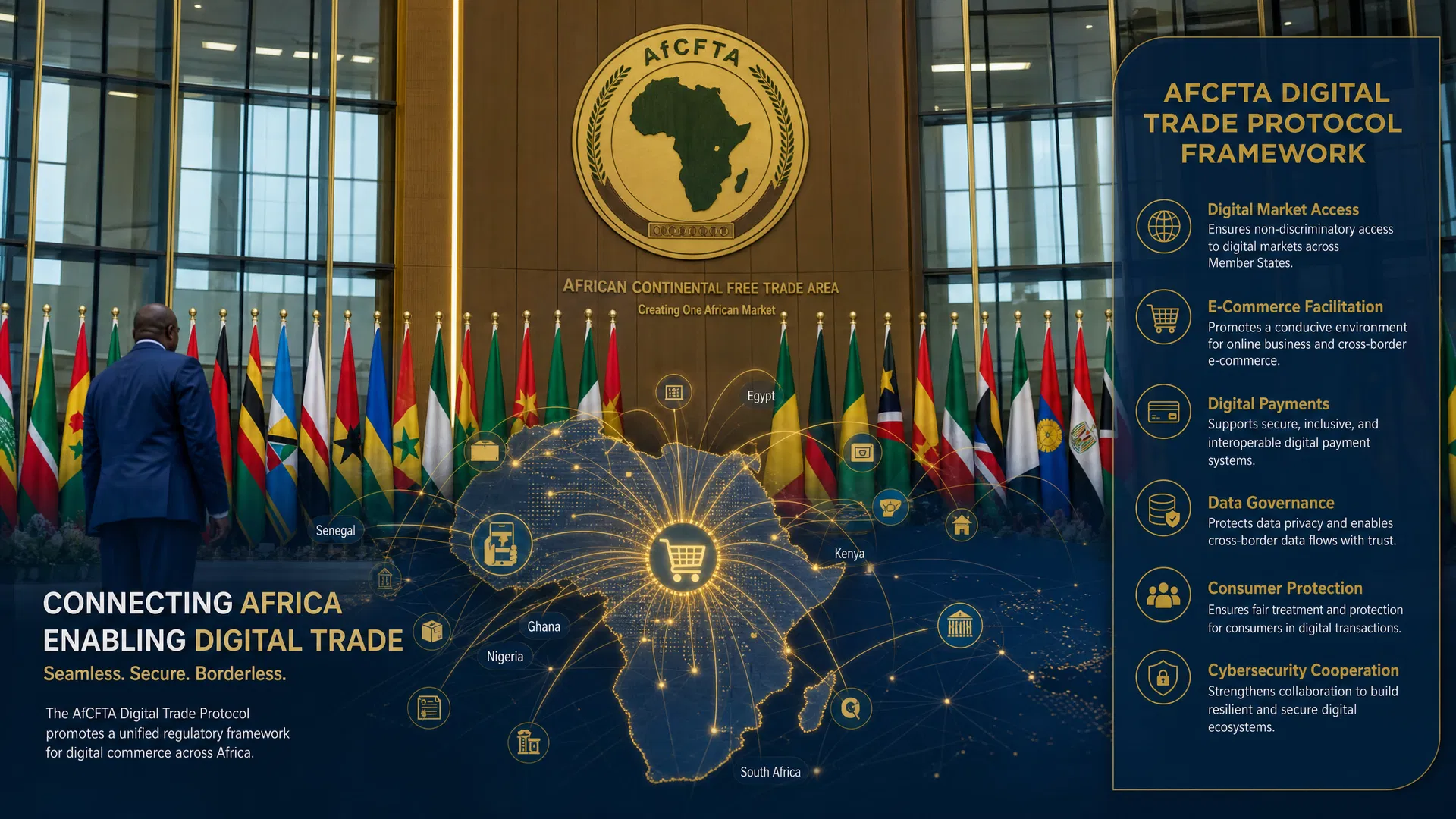
This push for harmonization is not unique to Southern Africa. Across the continent, regional economic communities (RECs) such as the Economic Community of West African States (ECOWAS) and the Economic Community of Central African States (ECCAS) have also introduced model laws. Furthermore, the African Union’s Malabo Convention on Cyber Security and Personal Data Protection underscores the continent-wide commitment to securing digital ecosystems. For digital asset platforms operating across borders, these harmonized frameworks reduce regulatory friction and provide a clearer path to compliance.
Key Provisions of the SADC Model Law
The SADC Model Law establishes foundational principles for the processing of personal data, aligning closely with international standards such as the OECD guidelines and the European Union’s early data protection directives. Key provisions include:
- Lawfulness, Fairness, and Transparency: Personal data must be processed lawfully, fairly, and in a transparent manner. Data subjects must be informed about how their data is being used, the purpose of the processing, and the entities with whom it may be shared.
- Purpose Limitation: Data can only be collected for specified, explicit, and legitimate purposes. It cannot be further processed in a manner that is incompatible with those initial purposes.
- Data Minimization and Accuracy: Organizations must ensure that the data they collect is adequate, relevant, and limited to what is necessary. Furthermore, data must be kept accurate and up to date.
- Security Safeguards: The Model Law mandates robust technical and organizational measures to protect personal data against unauthorized access, loss, destruction, or alteration. This is particularly critical for digital asset platforms handling sensitive financial and identity data.
- Cross-Border Data Transfers: The transfer of personal data outside a member state is generally restricted unless the recipient jurisdiction offers an adequate level of protection or the data subject has provided explicit consent.
Compliance Implications for Digital Asset Platforms
For platforms like AfriVest, which are building infrastructure for tokenization, stablecoins, and digital identity, the implications of the SADC Model Law are profound. The integration of international standards such as ISO 20022, FATF recommendations, and IOSCO principles must be balanced with regional data protection requirements.
Digital asset platforms must implement "Privacy by Design" and "Privacy by Default" principles into their architecture. This means that data protection considerations must be embedded into the development of CBDC infrastructure and tokenization protocols from the outset. For instance, when designing digital identity solutions, platforms must ensure that biometric and sensitive personal data are encrypted and stored securely, with strict access controls in place.
Moreover, the requirement for explicit consent and transparency necessitates clear and accessible privacy policies. Institutional investors and retail users alike must be fully informed about how their data is utilized, particularly in the context of decentralized finance (DeFi) and blockchain networks where data immutability can pose unique challenges to the "right to be forgotten."
Enforcement Mechanisms and Domestic Adaptation
While the SADC Model Law itself is a voluntary framework, its true impact is realized through its adaptation into domestic legislation by member states. Countries such as South Africa have enacted robust data protection laws inspired by these regional and international standards. South Africa’s Protection of Personal Information Act (POPIA), which came into full effect in July 2021, is a prime example. POPIA establishes strict rules for data processing and is enforced by the Information Regulator, which has the authority to levy significant fines for non-compliance.
Other nations across the continent are following suit. Nigeria’s Data Protection Act (NDPA) of 2023, Kenya’s Data Protection Act (DPA), and similar legislation in Ghana, Rwanda, Uganda, and Zimbabwe reflect a growing trend toward stringent data governance. For digital asset operators, this means that compliance cannot be viewed through a single lens; it requires a nuanced understanding of how the SADC Model Law principles are enforced at the national level.
Enforcement mechanisms typically include mandatory data breach notifications, the appointment of Data Protection Officers (DPOs), and regular compliance audits. Failure to adhere to these requirements can result in severe financial penalties, reputational damage, and the suspension of operating licenses.
Preparing for the Future of Africa's Digital Economy
As Africa’s digital economy continues its rapid transformation, the intersection of data protection and digital asset regulation will become increasingly complex. The SADC Model Law on Data Protection provides a vital foundation for regional harmonization, enabling platforms to scale their operations while safeguarding user privacy.
For infrastructure providers like AfriVest, proactive compliance is not merely a regulatory obligation—it is a strategic advantage. By aligning with the SADC Model Law, domestic legislation like POPIA and NDPA, and international frameworks, digital asset platforms can build the trust necessary to attract institutional investors and drive widespread adoption.
Looking ahead, the ongoing revision and modernization of the SADC Model Law to incorporate concepts like de-identified data and advanced privacy safeguards will further shape the regulatory landscape. As the continent embraces tokenization, CBDCs, and decentralized financial systems, a harmonized approach to data protection will be the cornerstone of a secure, inclusive, and sovereign digital future for Africa.