Introduction to the African Continental Free Trade Area and Digital Trade
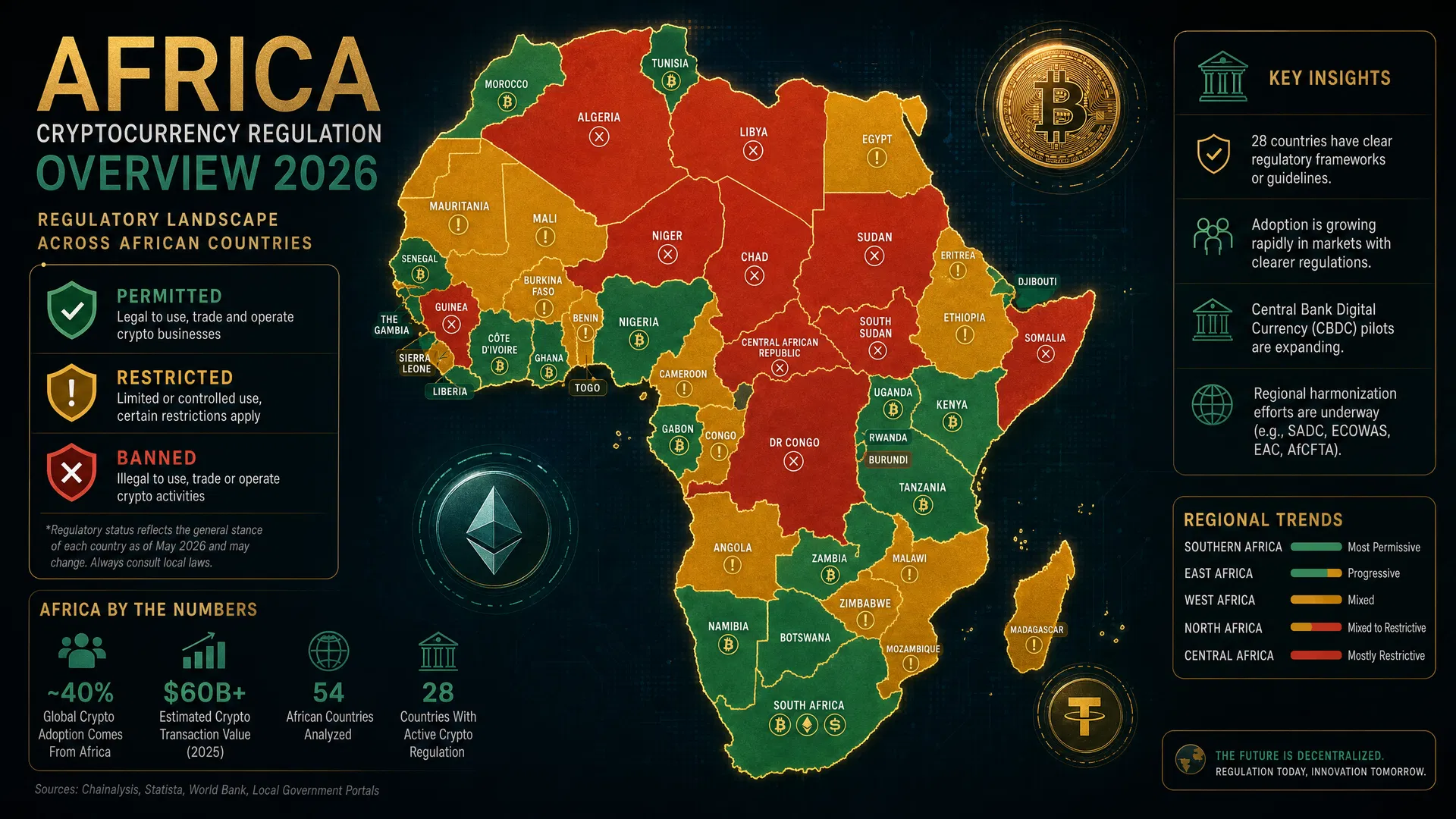
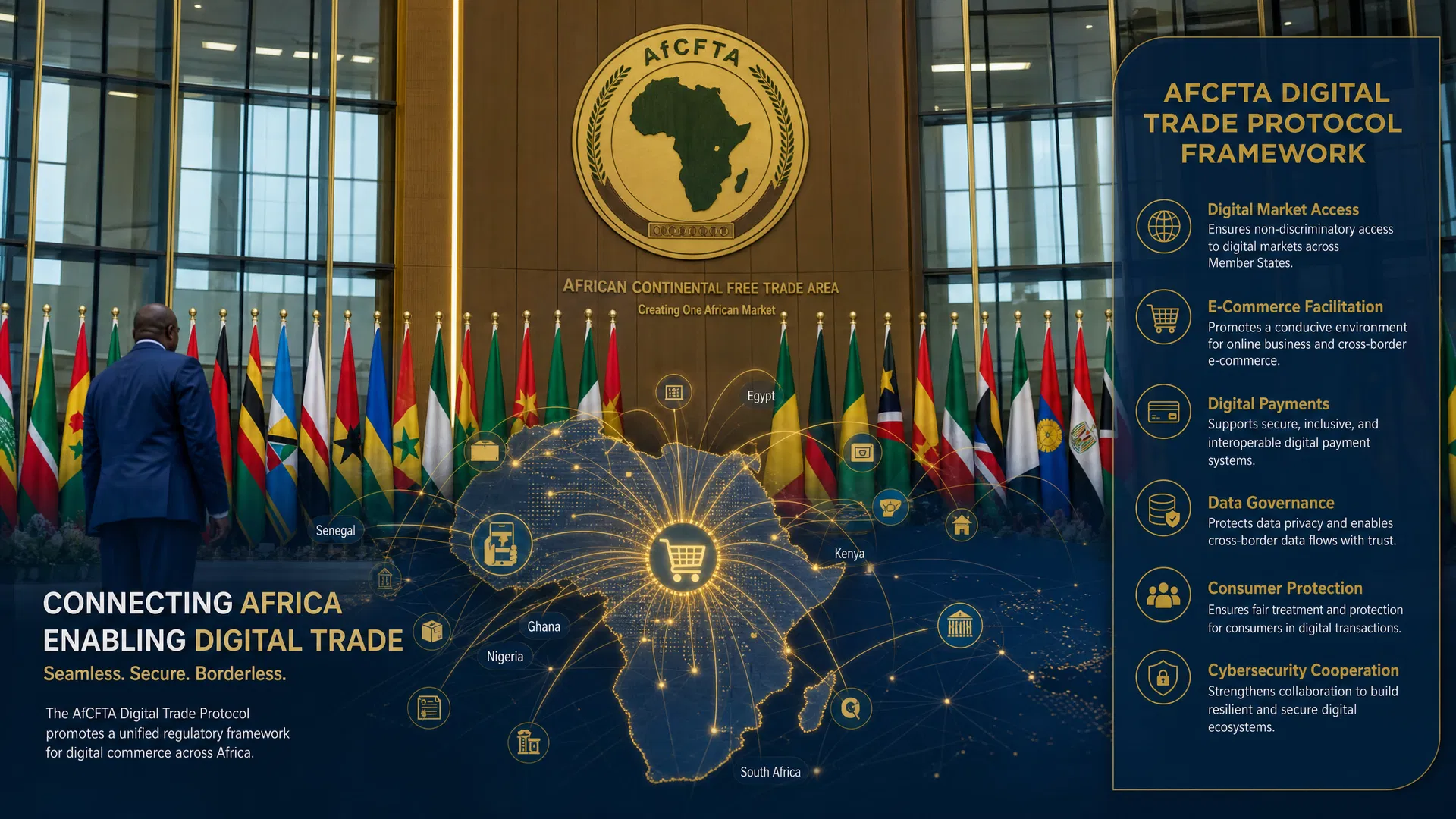
The African Continental Free Trade Area (AfCFTA), operationalized in January 2021, represents a monumental shift in the economic architecture of the African continent. Connecting 1.3 billion people across 54 nations, the AfCFTA aims to create a single continental market. A critical component of this integration is the Protocol on Digital Trade, which seeks to harmonize the fragmented regulatory landscape governing cross-border digital transactions, electronic commerce, and digital assets. For institutional investors, policymakers, and fintech operators, understanding the regulatory implications of this protocol is essential for navigating the complexities of Africa's rapidly evolving digital economy. The protocol addresses fundamental issues such as data localization, cross-border data flows, and cybersecurity, establishing a foundational framework for digital asset infrastructure platforms.
Regulatory Background and the Protocol on Digital Trade
The regulatory environment for digital trade in Africa has historically been characterized by significant fragmentation, with individual nations implementing disparate legal frameworks that often impede cross-border digital commerce. Recognizing this challenge, the African Union prioritized the development of the AfCFTA Protocol on Digital Trade to facilitate a cohesive regulatory approach. The protocol builds upon existing regional frameworks, including the Malabo Convention adopted in 2014, which established early continental standards for electronic transactions, privacy, and cybersecurity.
The Protocol on Digital Trade introduces key provisions designed to promote interoperability and regulatory harmonization. It emphasizes aligning national laws with international standards, such as the Financial Action Task Force (FATF) recommendations for AML/CFT, and the International Organization of Securities Commissions (IOSCO) principles. Furthermore, the protocol encourages adopting standardized messaging formats like ISO 20022 to enhance cross-border payment efficiency. By establishing a unified regulatory baseline, the protocol aims to reduce compliance costs and legal uncertainties for digital asset platforms.
Key Provisions and Compliance Implications for Digital Assets
The AfCFTA Protocol on Digital Trade encompasses several key provisions that directly impact the operations of digital asset infrastructure platforms. One of the most significant areas of focus is data governance and privacy. The protocol mandates that member states implement robust data protection frameworks, drawing inspiration from comprehensive national laws such as South Africa's Protection of Personal Information Act (POPIA) of 2013, Nigeria's Data Protection Act (NDPA) of 2023, and Kenya's Data Protection Act of 2019. These regulations impose stringent requirements on personal data processing, necessitating that digital asset platforms implement advanced cryptographic techniques to ensure compliance.
Additionally, the protocol addresses the regulatory treatment of emerging digital financial instruments, including central bank digital currencies (CBDCs), stablecoins, and tokenized real-world assets. It encourages member states to develop regulatory sandboxes to facilitate safe testing while mitigating systemic risks. For digital asset platforms, this implies adhering to rigorous prudential standards, aligning with guidelines issued by the Financial Stability Board (FSB) and the International Monetary Fund (IMF) CBDC frameworks. Compliance with these provisions requires platforms to maintain comprehensive audit trails and implement robust identity verification systems.
Enforcement Mechanisms and Institutional Oversight
The effective implementation of the AfCFTA Protocol on Digital Trade relies on a multi-tiered system of enforcement mechanisms and institutional oversight. At the continental level, the AfCFTA Secretariat plays a central role in coordinating the harmonization of national laws and monitoring compliance. The Secretariat works in tandem with regional economic communities to facilitate the integration of digital trade policies across different geographic zones.
At the national level, enforcement is primarily the responsibility of domestic regulatory authorities, including central banks, securities and exchange commissions, and dedicated data protection agencies. For instance, data privacy enforcement is overseen by bodies such as the Information Regulator in South Africa, the Data Protection Commission in Ghana, and the Office of the Data Protection Commissioner in Kenya. These institutions possess the authority to conduct investigations and impose substantial financial penalties for non-compliance. Digital asset platforms must therefore establish proactive engagement strategies with these regulatory bodies, participating in industry consultations and demonstrating a commitment to regulatory compliance.
Strategic Preparation for Digital Asset Platforms
To successfully navigate the regulatory landscape shaped by the AfCFTA Protocol on Digital Trade, digital asset infrastructure platforms must adopt a proactive and comprehensive approach to compliance. Platforms must invest in scalable and interoperable technological architectures that can adapt to evolving regulatory requirements. This includes implementing robust digital identity solutions that comply with regional data protection laws, such as the PDPA of Rwanda, the Data Protection Act of Uganda, and the Data Protection Act of Zimbabwe, while satisfying stringent AML/CFT obligations.
Furthermore, platforms should prioritize alignment with international best practices and standards. By integrating frameworks developed by the OECD and the FSB, platforms can demonstrate their commitment to financial stability, enhancing their credibility with institutional investors. Collaboration with local financial institutions and cooperatives is also essential for building the necessary infrastructure to support financial inclusion.
Conclusion: Transforming Africa's Digital Economy
The implementation of the AfCFTA Protocol on Digital Trade represents a critical milestone in the transformation of Africa's digital economy. By establishing a harmonized regulatory framework, the protocol addresses the historical fragmentation that has hindered the growth of the continent's digital asset ecosystem. For digital asset infrastructure platforms, the protocol presents both significant compliance challenges and unprecedented opportunities for scale and innovation. As member states align their national laws with the protocol's provisions, the regulatory environment will become increasingly conducive to deploying advanced financial technologies, including tokenization and CBDCs. Ultimately, realizing the AfCFTA's vision for a single digital market will require sustained collaboration between policymakers and industry stakeholders, driving sustainable economic growth across Africa.