
The Malabo Convention: Africa's Continental Cybersecurity and Data Protection Framework
The African Union Convention on Cyber Security and Personal Data Protection, widely known as the Malabo Convention, represents a watershed moment in the continent's digital governance evolution. Adopted on June 27, 2014, in Malabo, Equatorial Guinea, this landmark treaty aims to establish a comprehensive legal framework for cybersecurity, electronic transactions, and personal data protection across the African continent. For platforms like AfriVest, which are building Africa's sovereign digital asset infrastructure encompassing tokenization, Central Bank Digital Currency (CBDC) infrastructure, digital identity, cooperatives, stablecoins, and financial inclusion, understanding the Malabo Convention is not merely a compliance exercise but a strategic imperative. The Convention officially entered into force on June 8, 2023, following its ratification by 15 African Union member states, including Mauritania, which deposited the crucial 15th instrument of ratification on May 9, 2023. This development marks the first regional treaty on cybersecurity and the first instrument relating to digital discourse enacted at the continental level in Africa.
Regulatory Background and the Push for Harmonization
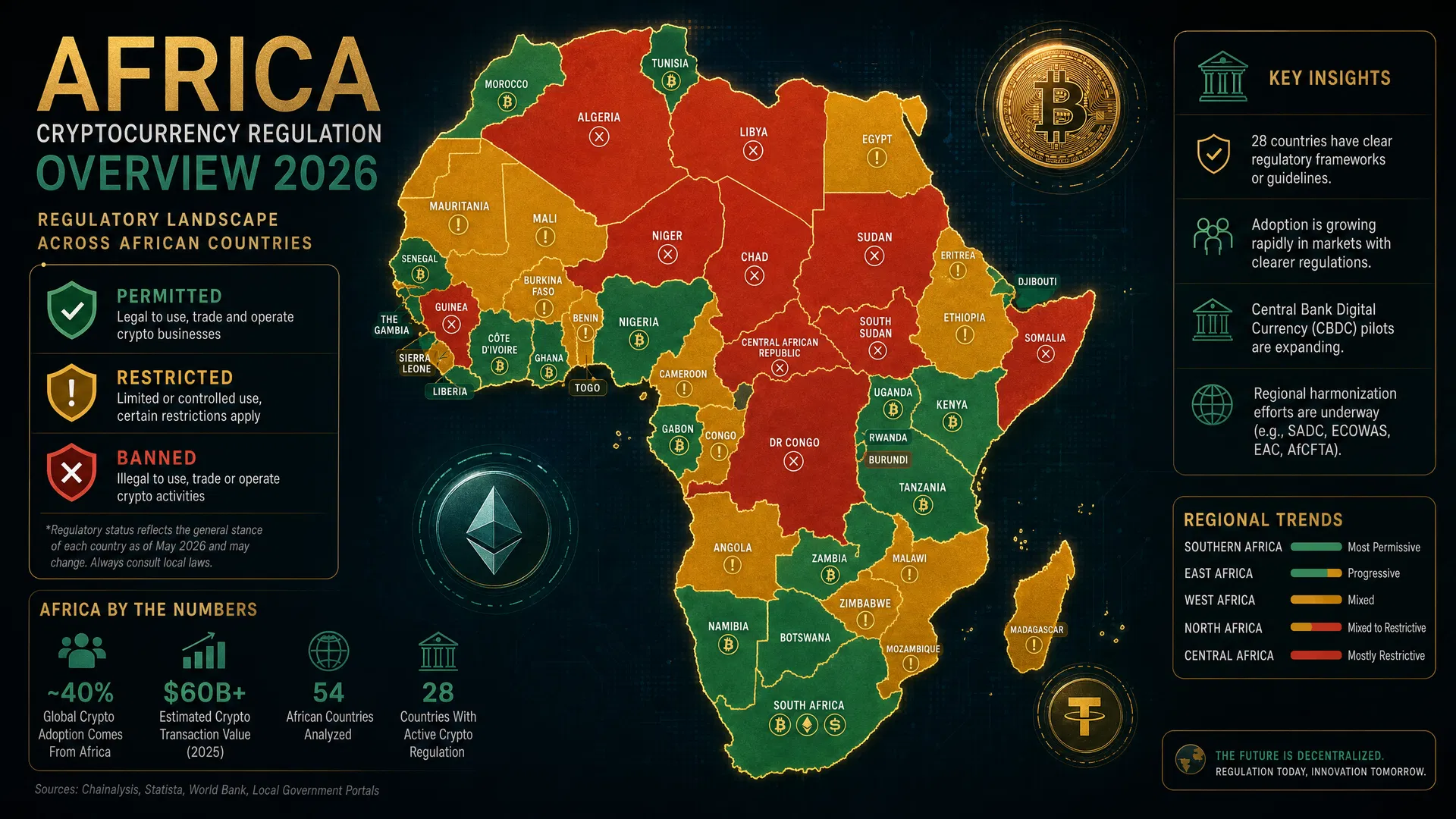
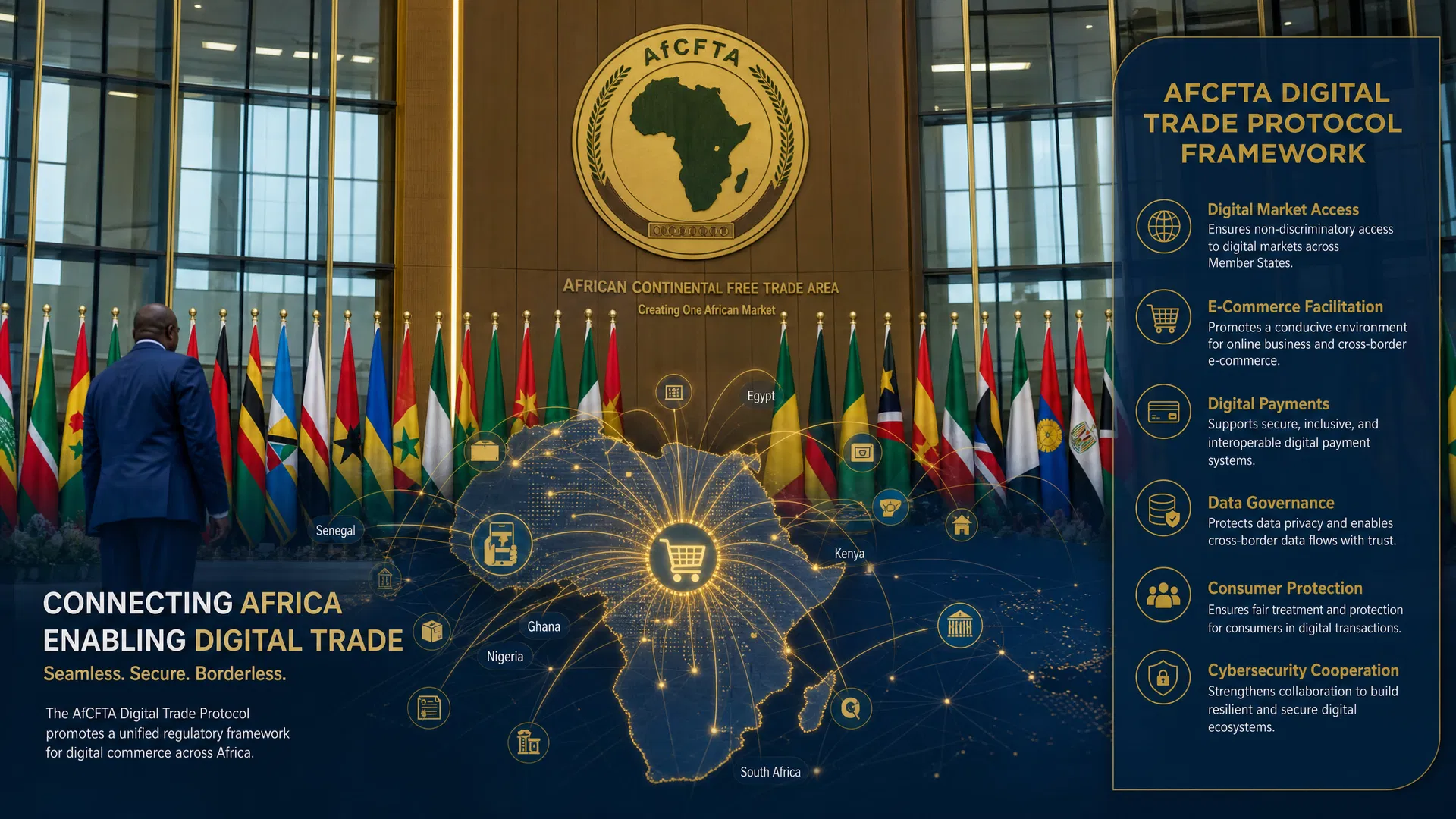
The cross-border nature of digital assets and cyber threats poses an enormous challenge for African legislation, as isolated national guidelines cannot adequately address these complex issues. The African Union acknowledged the need for regional and national cybercrime strategies to protect individuals, infrastructure, and national security, leading to the drafting of the Malabo Convention in 2011. The Convention seeks to harmonize the fragmented regulatory landscape across the continent, providing a unified approach to data privacy, cybersecurity, and cross-border cooperation. This harmonization is particularly relevant for AfriVest, as the platform aligns with international standards such as ISO 20022, the Financial Action Task Force (FATF), the International Organization of Securities Commissions (IOSCO), the International Monetary Fund (IMF) CBDC frameworks, the Financial Stability Board (FSB), and the Organisation for Economic Co-operation and Development (OECD). Furthermore, the Convention complements regional data protection laws, including South Africa's Protection of Personal Information Act (POPIA), Nigeria's Data Protection Act (NDPA), and the respective Data Protection Acts of Kenya, Ghana, Rwanda, Uganda, and Zimbabwe.
Key Provisions: Data Protection, Cybersecurity, and E-Transactions
The Malabo Convention encompasses three critical areas that directly impact digital asset platforms: personal data protection, cybersecurity and cybercrime, and electronic transactions. Recognizing the fundamental right to privacy, the Convention mandates that member states establish robust legal frameworks to ensure the secure collection, processing, and storage of personal data. It requires the creation of independent national data protection authorities to oversee compliance, receive complaints, and impose administrative sanctions for breaches. For cybersecurity, the Convention criminalizes a wide range of cyber offenses, including hacking, identity theft, and cyber fraud, while outlining procedures for the investigation and prosecution of such crimes. Crucially for platforms like AfriVest, the Convention sets out guidelines to facilitate electronic commerce by providing legal recognition for electronic communications and signatures, thereby fostering a secure digital environment for economic activities and digital asset transactions.
Compliance Implications for Digital Asset Platforms
For institutional investors, policymakers, and fintech operators engaging with Africa's digital economy, the compliance implications of the Malabo Convention are profound. Digital asset platforms must ensure that their data processing activities adhere to the principles of consent, legitimate processing, fairness, relevance, accuracy, transparency, and confidentiality. The Convention emphasizes the rights of data subjects, including the right to information, access, objection to data processing, disclosure to third parties, and the right to rectification and erasure of data. Furthermore, the Convention establishes a framework for cross-border data transfers, requiring that such transfers only occur when the recipient country has adequate data protection measures in place, or when the data subject has explicitly consented. AfriVest and similar platforms must implement stringent data security procedures, conduct regular audits, and establish mechanisms for transparency and accountability, including prompt notification of data breaches to both the authorities and the affected individuals.
Enforcement Mechanisms and Institutional Frameworks
The enforcement of the Malabo Convention relies heavily on the establishment and empowerment of national institutions. Signatory states are required to create independent data protection authorities equipped with the mandate to conduct investigations, issue administrative penalties, and provide recommendations. For instance, Niger's Haute Autorité de Protection des Données à Caractère Personnel (HAPDP) exemplifies the type of regulatory body envisioned by the Convention. Additionally, the Convention promotes international cooperation by requiring member states to establish National Computer Emergency Response Teams (CERTs) or Computer Incident Response Teams (CIRTs) to facilitate information exchange and respond to cybersecurity incidents. The Convention also encourages multilateral information and evidence sharing, as well as mutual legal assistance agreements, to combat cybercrime effectively across borders. Digital asset platforms must be prepared to engage proactively with these national authorities and CERTs to ensure compliance and contribute to a secure digital ecosystem.
Preparing for Africa's Digital Economy Transformation
As Africa accelerates its digital transformation, the Malabo Convention serves as a foundational pillar for building trust and security in the digital economy. The Convention's entry into force underscores the continent's commitment to establishing a secure and harmonized regulatory environment, which is essential for the widespread adoption of digital assets, CBDCs, and innovative financial technologies. Digital asset platforms like AfriVest must proactively align their operations with the Convention's provisions, integrating privacy by design and robust cybersecurity measures into their infrastructure. By doing so, these platforms not only ensure regulatory compliance but also position themselves as trusted partners in Africa's digital evolution. Looking forward, the successful implementation of the Malabo Convention, coupled with ongoing efforts to update and refine its provisions in light of technological advancements, will be instrumental in realizing the vision of a unified, secure, and prosperous African digital economy.