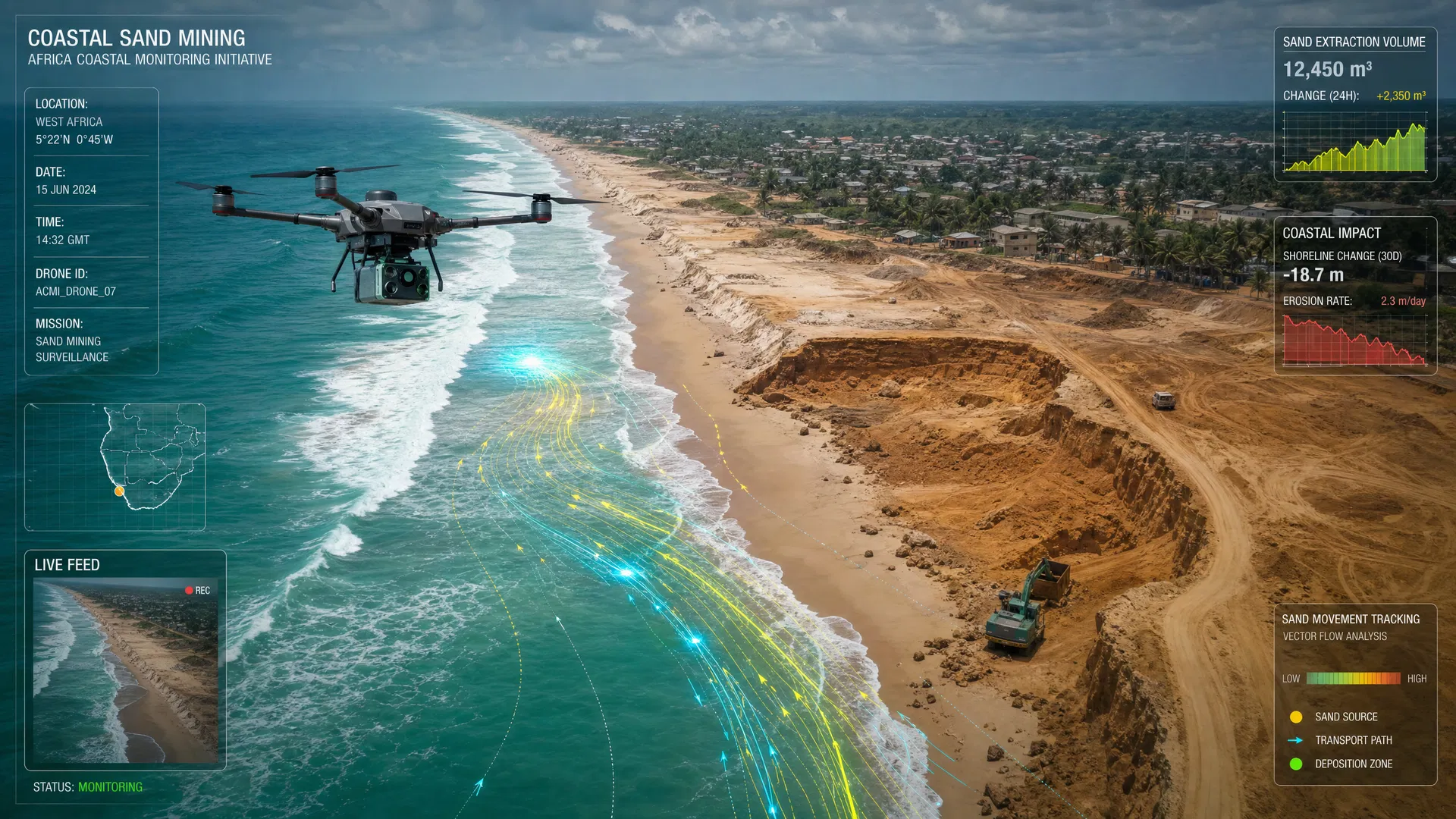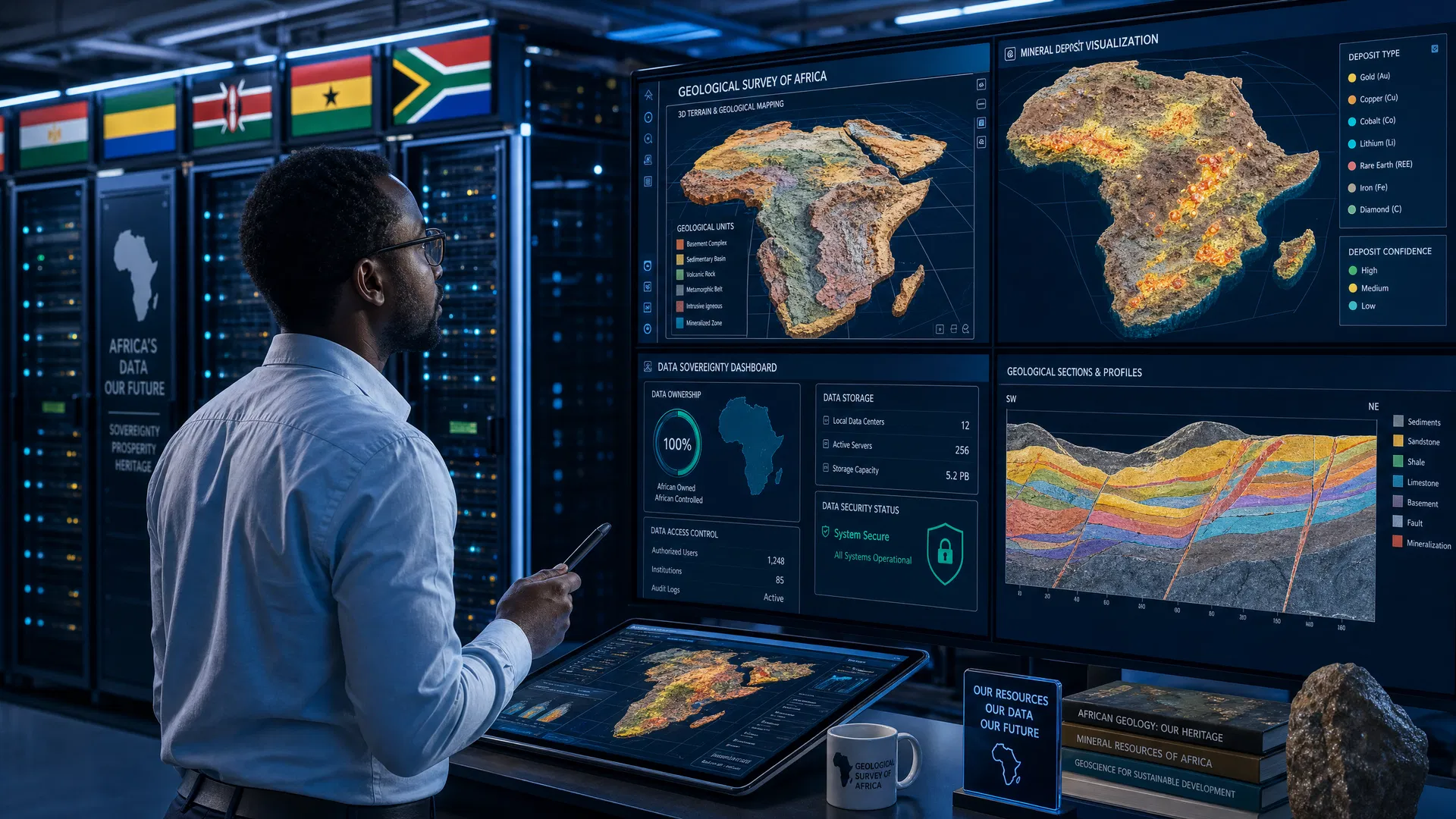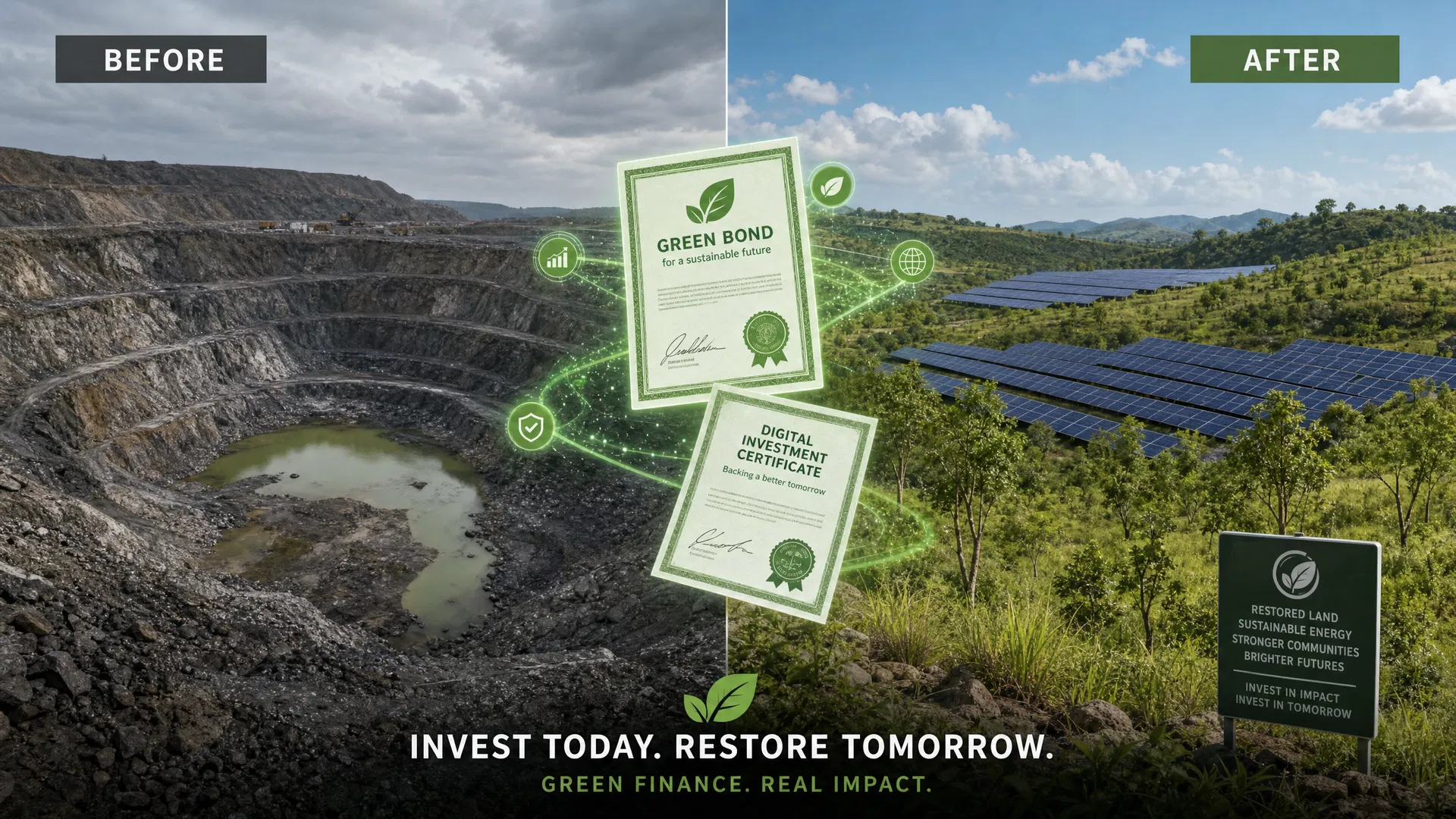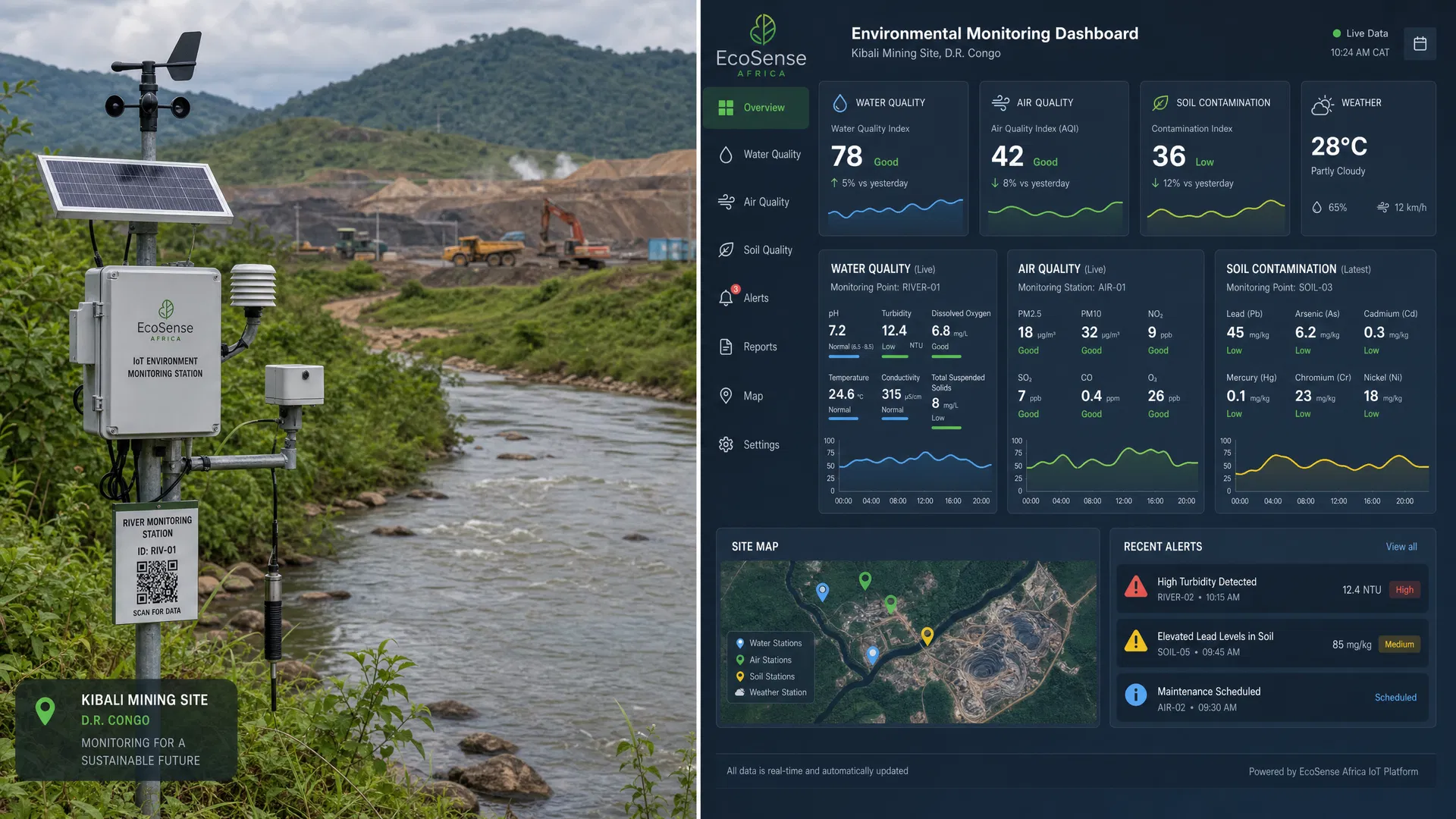
The global transition toward clean energy and advanced technologies has placed an unprecedented spotlight on rare earth elements. These critical minerals are the lifeblood of modern innovation, powering everything from electric vehicle batteries and wind turbines to artificial intelligence infrastructure and national defense systems. As global demand for rare earth elements is projected to more than double by 2030, reaching over 315,000 metric tons annually, the world is actively seeking to diversify its supply chains. Africa, with its vast and largely untapped mineral wealth, stands at the precipice of a historic opportunity to redefine its role in the global economy. However, to truly capitalize on this potential, the continent must move beyond traditional extraction models and embrace digital infrastructure as the foundation for strategic mineral management.
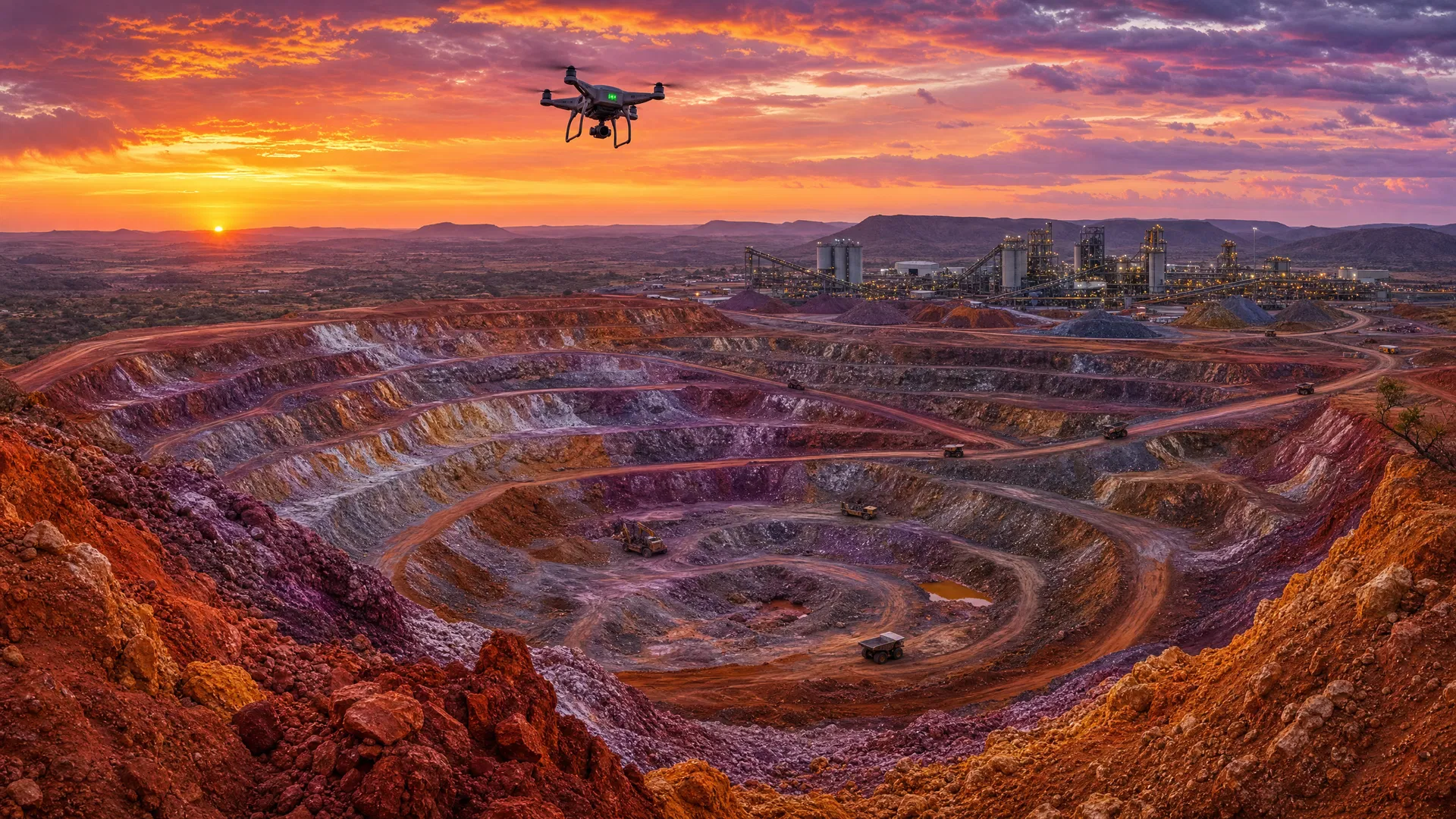
Africa's endowment of rare earth elements is both significant and geographically diverse. The continent's resources are concentrated in twelve countries, including Tanzania, Angola, South Africa, and Malawi. For instance, South Africa's Steenkampskraal Mine boasts one of the highest grades of rare earth elements globally, containing fifteen different elements and substantial deposits of neodymium and praseodymium. In Tanzania, the Ngualla carbonatite complex represents a massive resource that could significantly impact global supply chains. Despite these rich deposits, Africa's share of global mining exploration budgets remains disproportionately low. In 2021, sub-Saharan Africa received roughly half the exploration investment of regions like Latin America or Canada, despite having a landmass triple the size of the latter. This disparity highlights a critical need for modernization and investment in the continent's mining sector.
The traditional approach to mining in Africa has often been characterized by the export of raw materials with minimal local value addition, leading to missed economic opportunities and environmental challenges. To break this cycle, the African Union's Green Minerals Strategy emphasizes the importance of equitable resource-based industrialization. This vision aligns perfectly with the integration of digital infrastructure into mineral management. By leveraging technologies such as blockchain and tokenization, African nations can transform their mineral wealth into verifiable, traceable, and highly liquid digital assets. This digital transformation is not merely a technological upgrade; it is a fundamental shift in how value is created, captured, and distributed across the continent.
Blockchain technology offers a robust solution to one of the most pressing challenges in the global mineral supply chain: traceability. As international markets increasingly demand ethically sourced and environmentally sustainable materials, the ability to prove the origin and journey of rare earth elements becomes a significant competitive advantage. A decentralized ledger can record every step of the mining process, from extraction and processing to export, ensuring transparency and compliance with global standards. This level of traceability not only satisfies regulatory requirements but also commands a premium in international markets, directly benefiting African economies.
Furthermore, the tokenization of rare earth elements presents a revolutionary approach to financing and asset management. Tokenization involves converting the rights to a physical asset into a digital token on a blockchain. For the mining sector, this means that mineral reserves can be fractionalized, allowing a broader range of investors to participate in the market. This democratization of investment can unlock new streams of capital for exploration and infrastructure development, reducing reliance on traditional, often restrictive, financing models. Tokenization also facilitates the creation of digital twins for real-world assets, enabling more efficient trading and risk management.
The implementation of digital infrastructure in strategic mineral management also fosters cooperative governance. By providing a transparent and immutable record of transactions, blockchain technology can help mitigate disputes over resource ownership and revenue distribution. It empowers local communities by ensuring that they receive their fair share of the economic benefits generated by mining activities. This cooperative approach is essential for building trust between governments, mining companies, and citizens, ultimately leading to a more stable and sustainable investment environment.
Several initiatives are already demonstrating the potential of this digital approach. Partnerships between technology platforms and organizations like the Africa Minerals Strategy Group are pioneering the tokenization of African mineral resources. These collaborations aim to create end-to-end traceability and issue digital utility tokens that represent critical minerals. Such innovations not only enhance the efficiency of the supply chain but also position Africa as a leader in the digital economy.
As Africa navigates this critical juncture, AfriVest is committed to providing the digital infrastructure necessary to unlock the full potential of the continent's rare earth elements. Our platform for asset tokenization and cooperative governance is designed to bridge the gap between Africa's physical wealth and the global digital economy. By facilitating transparent, efficient, and inclusive mineral management, AfriVest envisions a future where Africa is not just a source of raw materials, but a powerhouse of digital innovation and sustainable development. Through strategic partnerships and cutting-edge technology, we are dedicated to ensuring that Africa's mineral wealth translates into lasting prosperity for all its people.