Across the African continent, artisanal and small-scale mining (ASM) represents a critical economic lifeline for millions of individuals and their communities. In countries such as the Democratic Republic of the Congo, Ghana, and Tanzania, the ASM sector accounts for a substantial portion of national mineral output, including gold, cobalt, and colored gemstones. Despite their immense contribution to global supply chains, artisanal miners frequently operate in fragmented, informal environments characterized by significant power imbalances. These structural vulnerabilities often result in depressed wages, unsafe working conditions, and a disproportionate share of value being captured by intermediaries. However, the emergence of community mining cooperatives, empowered by advanced digital platforms, is fundamentally transforming this dynamic by enabling unprecedented levels of collective bargaining and operational transparency.
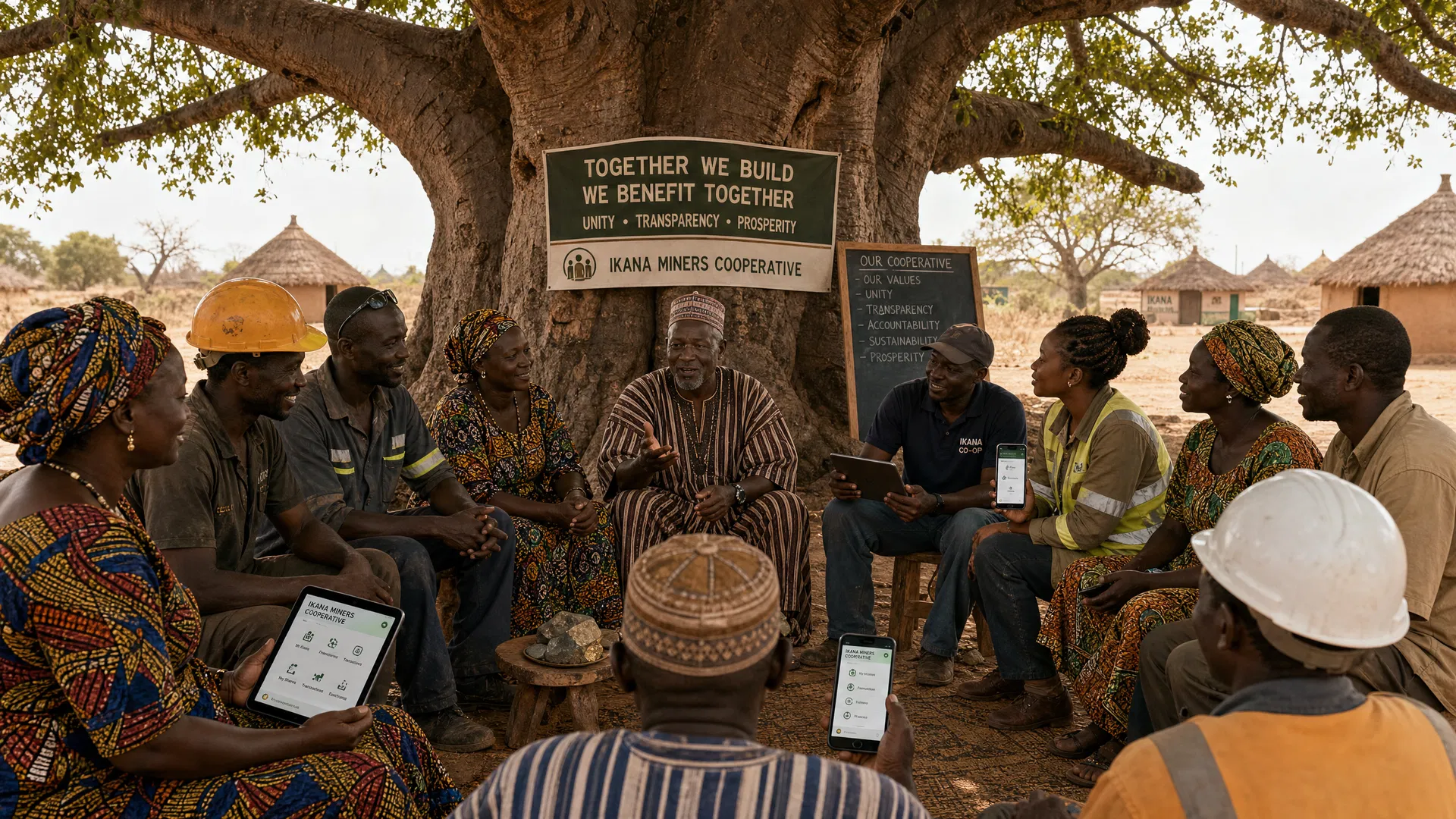
The traditional model of artisanal mining has long been hindered by information asymmetry and a lack of formalized market access. Individual miners, operating in isolation, possess limited leverage when negotiating with local buyers or international aggregators. This fragmentation prevents them from achieving economies of scale, accessing fair market prices, or securing the capital necessary to invest in safer, more efficient extraction technologies. By organizing into community mining cooperatives, miners can aggregate their production, share resources, and present a unified front in commercial negotiations. Yet, the true potential of these cooperatives has historically been constrained by administrative inefficiencies, opaque financial management, and the logistical challenges of coordinating large groups of independent actors across remote geographic areas.
Digital infrastructure is now bridging these operational gaps, providing the technological foundation necessary for community mining cooperatives to scale and succeed. Through the deployment of mobile-first platforms and blockchain technology, cooperatives can digitize their entire operational lifecycle, from production tracking to financial distribution. Blockchain offers an immutable ledger that records every transaction, ensuring that production volumes, quality assessments, and sales revenues are transparently documented and accessible to all cooperative members. This verifiable transparency is crucial for building trust within the cooperative and demonstrating compliance with international sourcing standards, which increasingly demand rigorous traceability and ethical labor practices.
Furthermore, digital platforms facilitate direct market access, effectively disintermediating the traditional supply chain and allowing cooperatives to negotiate directly with institutional buyers and global manufacturers. By leveraging digital marketplaces, cooperatives can access real-time pricing data, compare offers from multiple buyers, and execute smart contracts that automatically enforce payment terms upon the delivery of verified mineral shipments. This technological empowerment shifts the balance of power, enabling miners to secure prices that accurately reflect the global market value of their commodities. Consequently, the increased revenue generated through collective bargaining can be reinvested into the community, funding essential infrastructure, healthcare, and educational initiatives that drive sustainable local development.
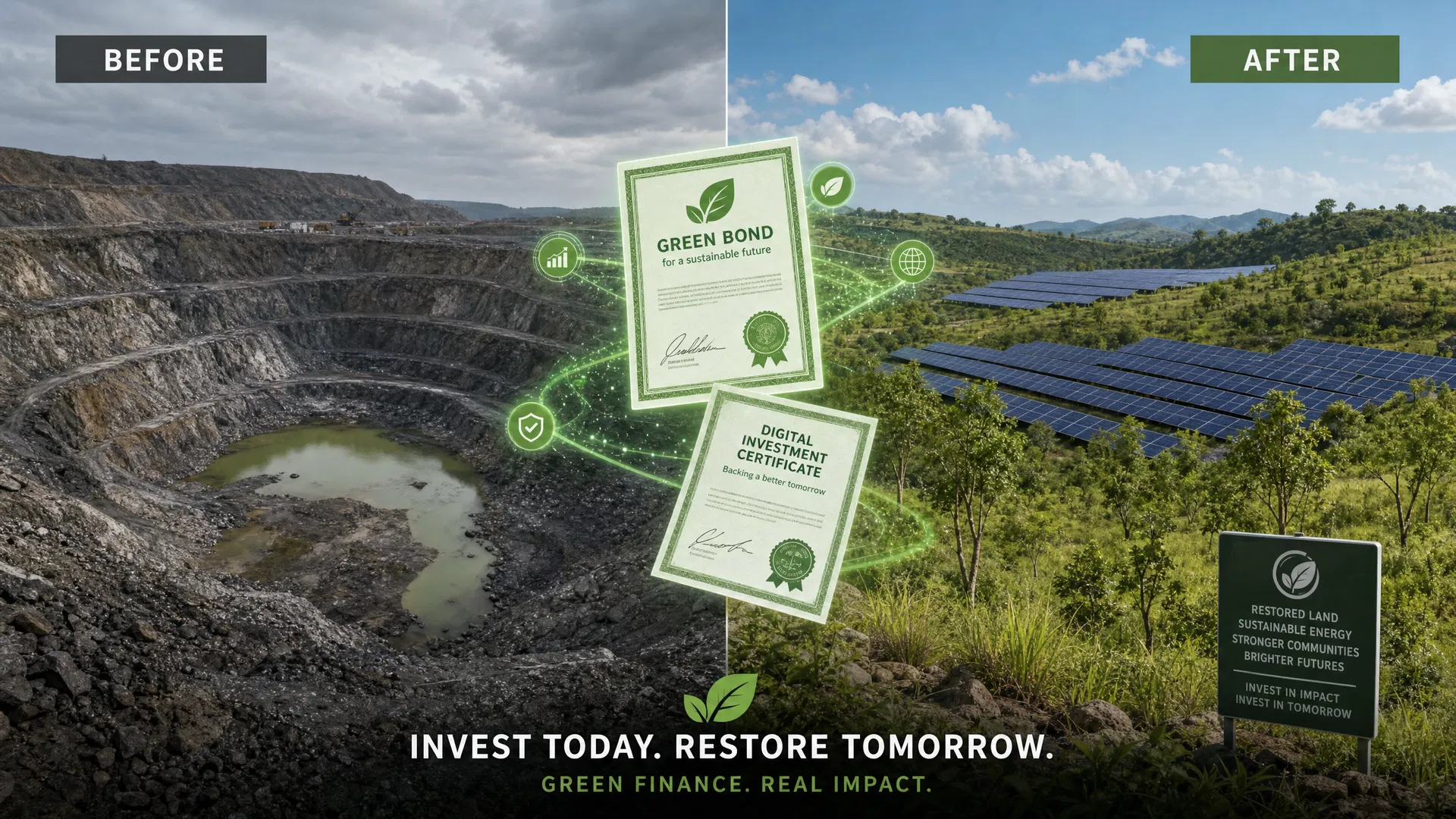
The integration of asset tokenization introduces another transformative dimension to the empowerment of community mining cooperatives. By tokenizing future mineral production or cooperative assets, these organizations can access global capital markets and secure financing that was previously unavailable through traditional banking institutions. Tokenization allows for the fractional ownership of assets, enabling a diverse pool of international investors to provide capital directly to the cooperatives. This influx of investment can be utilized to upgrade mining equipment, implement environmentally sustainable extraction methods, and improve occupational safety standards. In return, investors gain exposure to the underlying commodities, creating a mutually beneficial financial ecosystem that aligns global capital with local economic empowerment.
In regions such as the Copperbelt in Zambia and the gold-rich regions of West Africa, early implementations of digital cooperative models are already demonstrating significant impact. Cooperatives utilizing digital ledgers have reported increased average earnings for their members, reduced instances of exploitation, and enhanced ability to comply with stringent international regulations. These localized successes underscore the broader potential of digital platforms to formalize the ASM sector, transforming it from a marginalized economic activity into a structured, investable, and highly productive component of the national economy.
As the global transition toward renewable energy and advanced technologies accelerates, the demand for critical minerals sourced from Africa will continue to rise exponentially. Ensuring that the communities responsible for extracting these resources benefit equitably from this demand is both a moral imperative and an economic necessity. Digital platforms provide the essential architecture to achieve this equity, equipping community mining cooperatives with the tools required to negotiate fairly, operate transparently, and attract sustainable investment. The convergence of cooperative governance and digital innovation represents a paradigm shift in resource management, one that prioritizes inclusive growth and long-term community resilience.
AfriVest remains deeply committed to accelerating this transformation by providing the robust digital infrastructure required to support community mining cooperatives across the continent. By integrating blockchain technology, asset tokenization, and secure digital identities, AfriVest envisions a future where African miners are no longer passive participants in global supply chains, but empowered stakeholders who command fair value for their resources. Through the continuous development of platforms that facilitate collective bargaining, transparent governance, and financial inclusion, AfriVest is dedicated to building a digitized African economy that works for everyone.