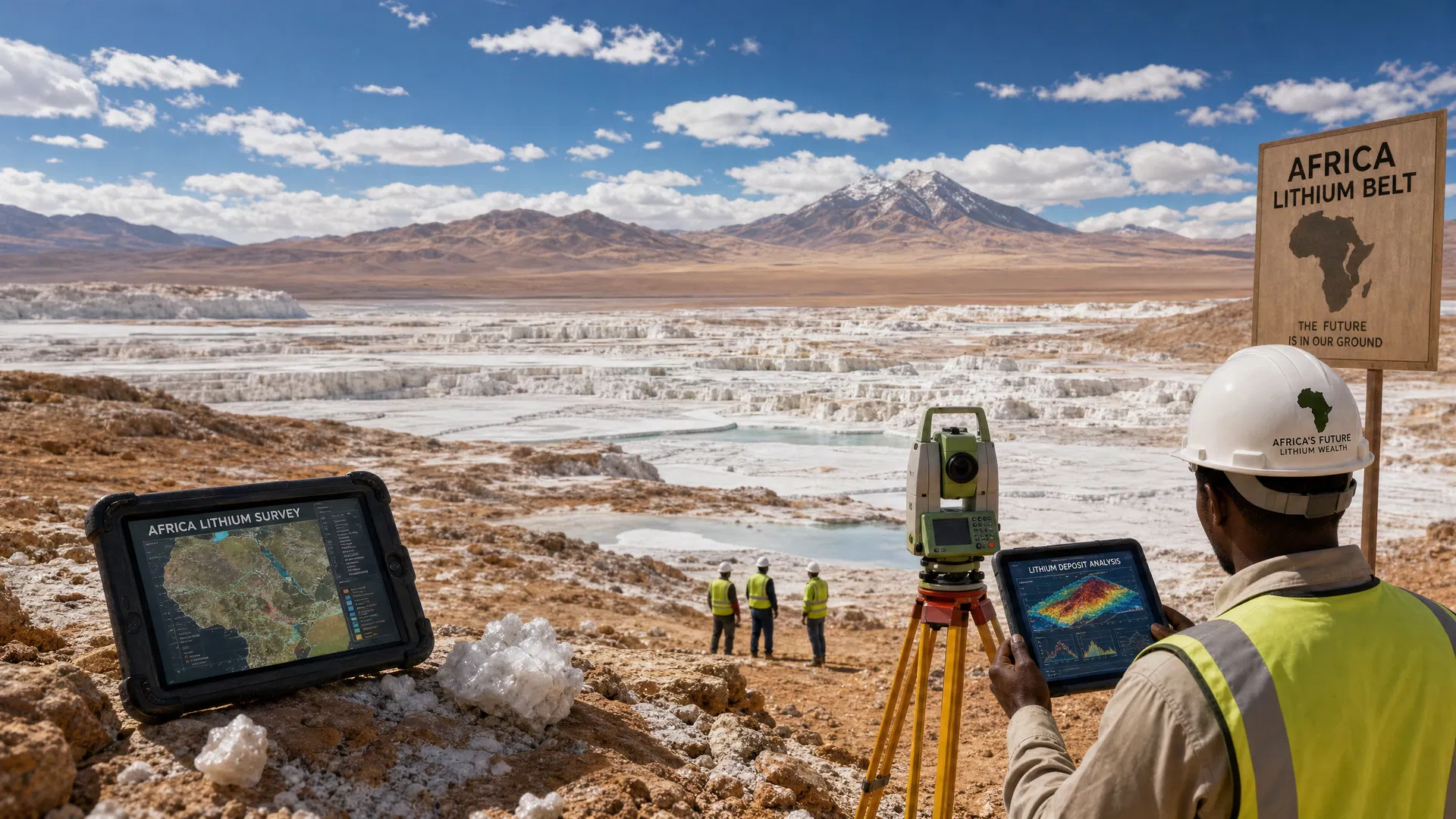
The global transition toward renewable energy and electric mobility has placed an unprecedented spotlight on critical minerals, with lithium emerging as the undisputed cornerstone of this new economic era. Africa, endowed with some of the world’s most significant lithium deposits, stands at a pivotal crossroads. Countries such as Zimbabwe, the Democratic Republic of Congo (DRC), Mali, and Namibia hold vast reserves essential for producing electric vehicle batteries and renewable energy storage systems. Zimbabwe alone possesses the largest known lithium deposits on the continent, positioning it as a critical player in the global supply chain. However, traditional models of mining finance and resource extraction have often left local communities marginalized, with the lion's share of economic benefits exported alongside the raw materials. AfriVest recognizes that to truly harness the potential of these resources for the continent's development, a fundamental paradigm shift is required—one powered by digital infrastructure and the tokenization of real-world assets.
Tokenization, the process of converting physical assets into digital tokens on a blockchain, offers a revolutionary approach to mining finance and ownership. Historically, large-scale mining operations have relied on debt or equity financing from institutional investors, creating insurmountable barriers to entry for local populations and retail investors. The capital-intensive nature of mining has meant that ownership remains concentrated in the hands of a few multinational corporations. By digitizing Africa's lithium reserves, we can fractionalize ownership, breaking down these massive investments into accessible digital tokens. This democratization of capital allows individuals, local cooperatives, and regional investors to purchase stakes in mining projects for a fraction of the traditional cost, transforming passive observers into active stakeholders.
The integration of blockchain technology into the mining sector does more than just democratize access to capital; it introduces unprecedented levels of transparency and operational efficiency. In traditional mining finance, the flow of funds and the distribution of royalties are often opaque, leading to disputes and a lack of trust between mining companies, governments, and local communities. Smart contracts can automate the distribution of dividends and royalties based on real-time production metrics. For instance, as a lithium mine in Mali or the DRC reaches specific extraction milestones, smart contracts can instantly and transparently distribute returns to token holders. This immutable ledger system ensures that all transactions are permanently recorded, providing an auditable trail that enhances regulatory compliance and builds trust among all stakeholders.
Furthermore, tokenizing lithium reserves addresses the chronic liquidity challenges associated with early-stage mining projects. Traditional mining investments typically lock capital into illiquid positions for years, deterring investors who require flexibility. Tokenized mining assets, however, can be traded on digital exchanges 24/7, providing investors with exit strategies and continuous price discovery mechanisms. This enhanced liquidity not only attracts a broader pool of global capital but also reduces the cost of capital for mining companies. By leveraging decentralized finance protocols, African mining projects can access global liquidity pools without the geographic restrictions of traditional financial markets. This continuous influx of capital is vital for developing the infrastructure necessary to process lithium locally, moving African nations up the value chain from mere exporters of raw ore to producers of refined battery-grade materials.
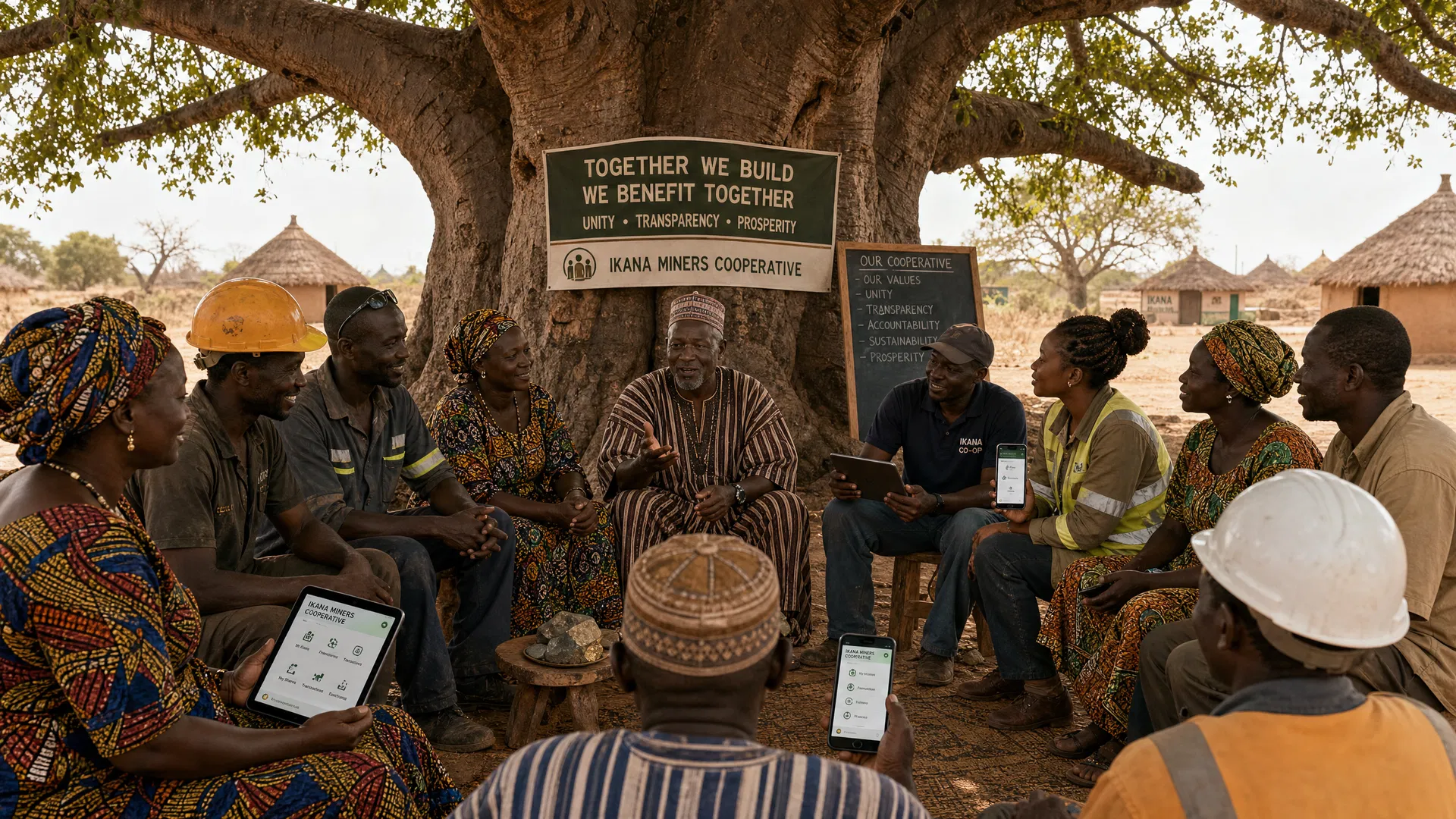
The concept of community-owned mining, facilitated by tokenization, aligns perfectly with the broader goals of financial inclusion and sustainable development in Africa. When local communities hold digital tokens representing a stake in the lithium mines operating on their land, their economic interests become directly aligned with the success and sustainability of the project. This model fosters a sense of ownership and responsibility, incentivizing environmentally conscious mining practices and reducing the likelihood of social unrest. Moreover, the proceeds from token sales can be directed toward local community projects, such as building schools, healthcare facilities, and digital infrastructure, creating a multiplier effect that stimulates regional economic growth.
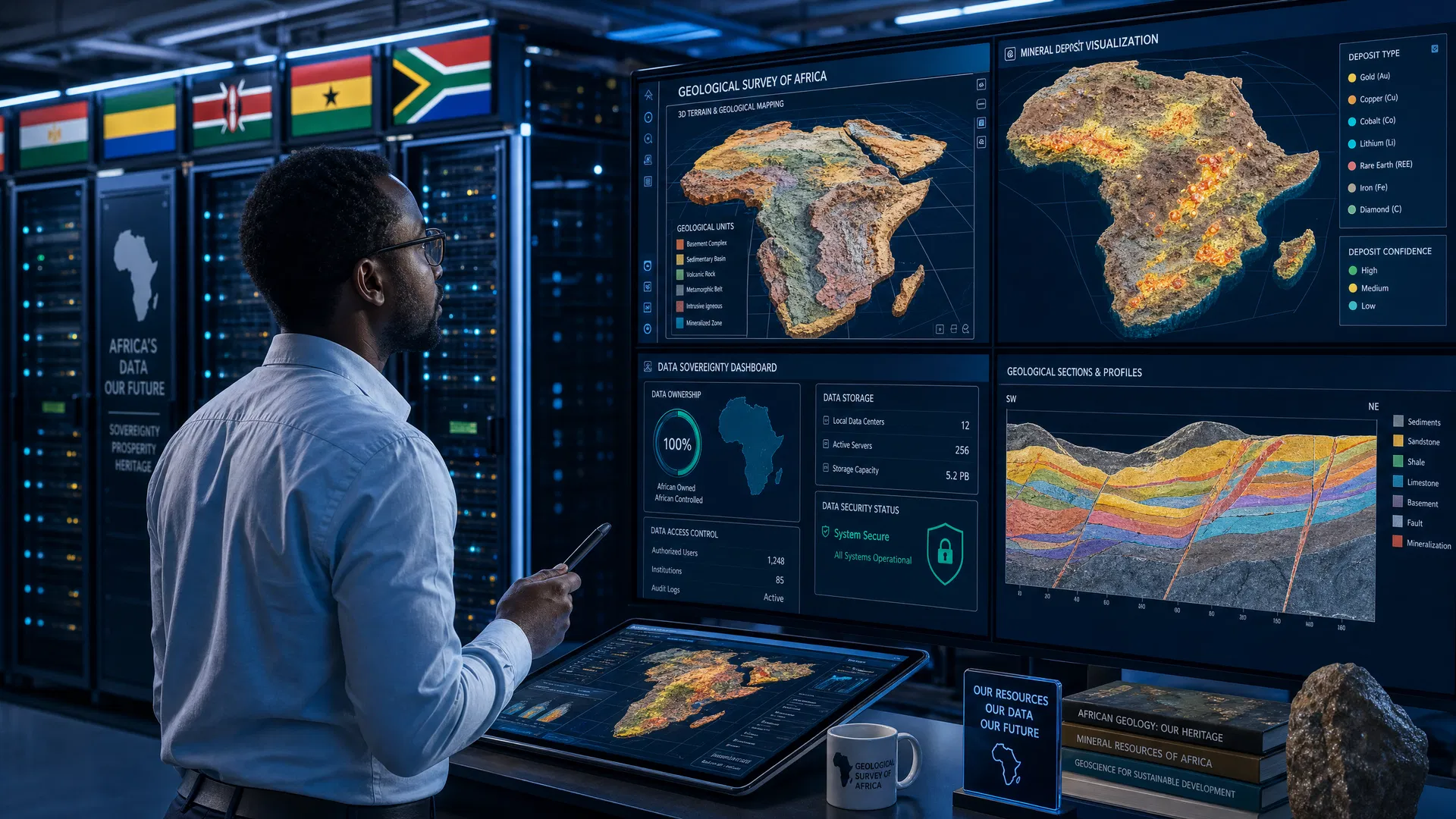
As the demand for lithium continues to surge, driven by the global imperative to achieve net-zero emissions, Africa has a unique opportunity to redefine its role in the global economy. The tokenization of lithium reserves is not merely a financial innovation; it is a structural transformation that empowers African nations to assert sovereignty over their natural wealth. By embracing digital infrastructure, countries like Zimbabwe and Namibia can attract sustainable investment, foster local processing industries, and ensure that the economic windfall of the green energy transition is equitably shared. This digital leapfrog enables the continent to bypass the inefficiencies of legacy financial systems and establish a more inclusive, transparent, and resilient mining sector.
AfriVest is committed to pioneering this digital transformation, serving as the bridge between Africa's immense natural wealth and the global digital economy. As Africa's premier digital infrastructure platform for asset tokenization, we envision a future where cooperative governance and financial inclusion are the bedrock of resource development. By providing the technological foundation and regulatory framework necessary to tokenize critical minerals like lithium, AfriVest is empowering a new generation of African investors and community cooperatives. Our vision is to build an ecosystem where the value of Africa's resources is unlocked, digitized, and distributed fairly, ensuring that the continent not only powers the global green revolution but also secures lasting prosperity for its people.