For decades, the narrative surrounding the Democratic Republic of the Congo (DRC) has been inextricably linked to the concept of "conflict minerals." The vast, mineral-rich landscapes of Eastern Congo, holding immense reserves of cobalt, coltan, gold, and tin, have historically been sites of exploitation, funding armed groups and perpetuating cycles of violence. However, a profound transformation is underway. The paradigm is shifting from conflict minerals to cooperative minerals, driven by the imperative of ethical sourcing and the empowerment of local communities. At the heart of this transition lies the strategic deployment of digital governance and infrastructure, a movement that AfriVest is proud to champion.
The traditional mining sector in the DRC, particularly artisanal and small-scale mining (ASM), has long been characterized by opacity and informality. An estimated 2 million people in the DRC rely directly on ASM for their livelihoods, yet they often operate outside formal legal frameworks, vulnerable to exploitation and unsafe working conditions. The lack of transparent supply chains has made it exceedingly difficult for global markets to verify the origin of minerals, leading to broad-brush embargoes that inadvertently harm legitimate artisanal miners. The US Securities and Exchange Commission's 2012 conflict minerals disclosure rule, while well-intentioned, highlighted the immense challenges of tracing minerals from mine to market without robust, verifiable systems in place.
Enter digital governance. The integration of blockchain technology and digital infrastructure is revolutionizing how minerals are tracked, verified, and traded. By creating immutable, decentralized ledgers, blockchain provides a transparent and tamper-proof record of a mineral's journey from the moment it is extracted. Initiatives utilizing blockchain traceability in mineral supply chains are already demonstrating the viability of this approach in Eastern Congo. These platforms allow for the recording of crucial data points, including the exact location of extraction, the identities of the miners involved, and the conditions under which the minerals were mined. This level of granularity is unprecedented and essential for establishing trust in the global supply chain.
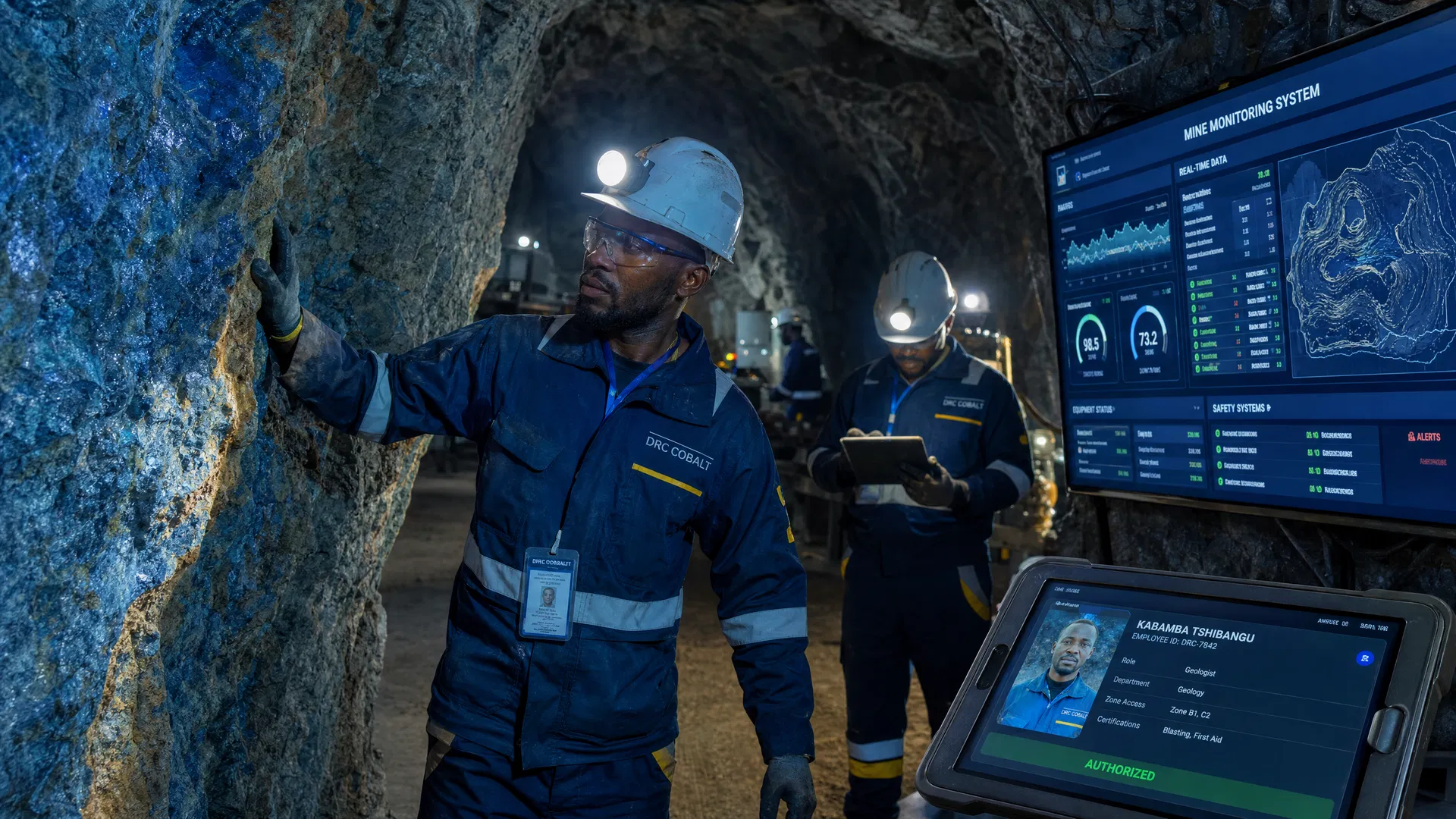
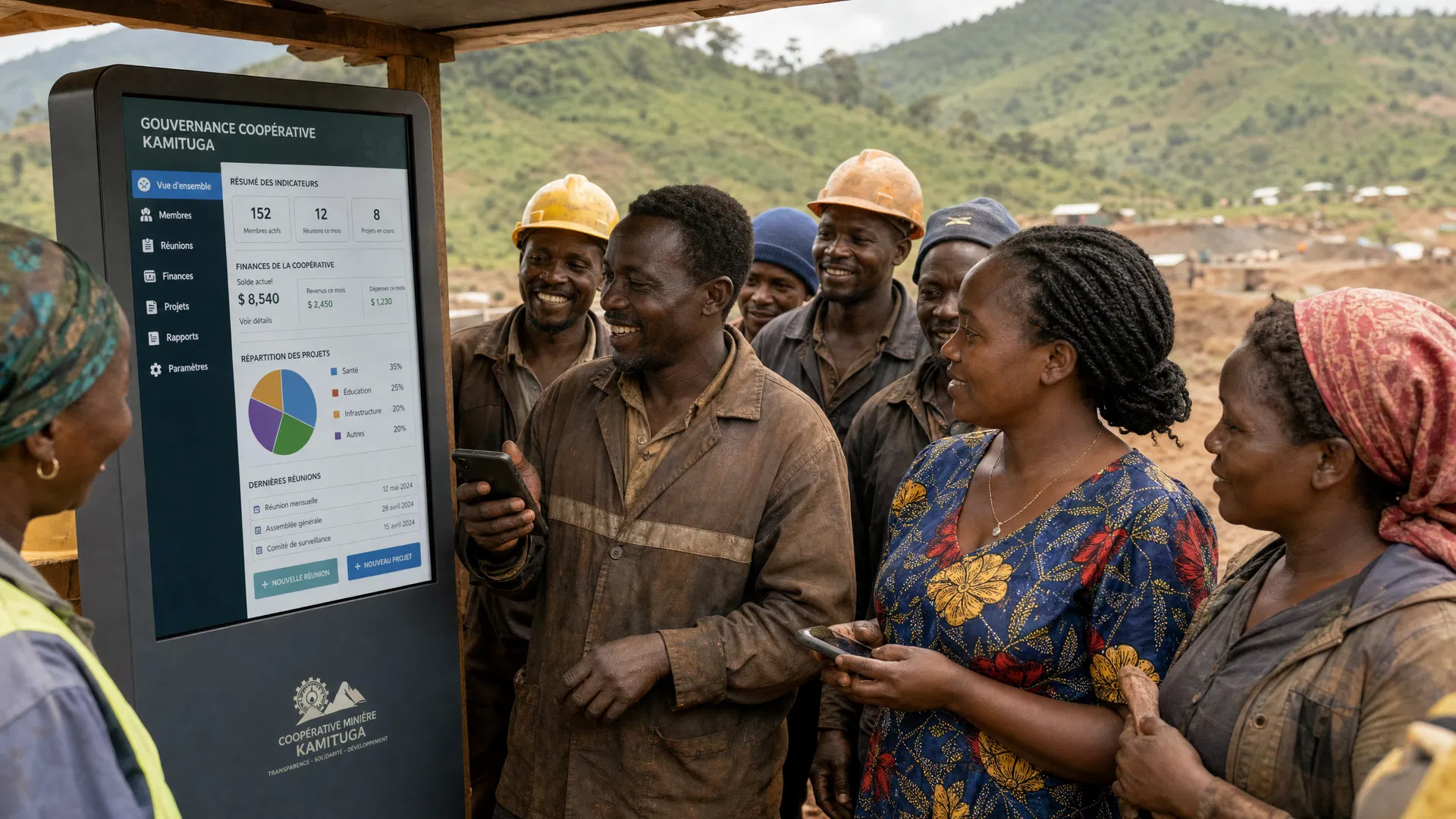
The shift towards cooperative minerals is fundamentally about formalizing the ASM sector and empowering the miners themselves. By organizing into legally recognized cooperatives, miners gain collective bargaining power, access to better equipment, and improved safety standards. Digital infrastructure plays a pivotal role in this formalization process. Digital identities for miners, securely stored on a blockchain, enable them to build verifiable track records, access financial services, and receive fair compensation for their labor. This digital inclusion is a critical step in transitioning from a shadow economy to a formalized, cooperative model that benefits the local population.
Tokenization, a core component of AfriVest's platform, further accelerates this transformation. By tokenizing real-world assets, such as the verified output of a mining cooperative, we can create digital representations of physical minerals. These tokens can be traded on secure digital platforms, connecting local cooperatives directly with global investors and buyers, bypassing layers of intermediaries who traditionally capture the lion's share of the value. The Africa Minerals Tokenization Initiative (AMTI) and similar projects underscore the potential of tokenization to attract investment, enhance liquidity, and ensure that a greater proportion of the wealth generated by mining remains within the communities that produce it.
Furthermore, digital governance facilitates the implementation of smart contracts—self-executing contracts with the terms of the agreement directly written into lines of code. In the context of cooperative mining, smart contracts can automate payments, ensuring that miners are compensated immediately and fairly upon the verified delivery of minerals. They can also be programmed to automatically allocate a percentage of revenues towards community development projects, such as building schools or healthcare facilities, thereby directly linking mineral extraction to sustainable local development. This automated, transparent distribution of value is a cornerstone of the cooperative minerals model.
The transition from conflict to cooperative minerals in Eastern Congo is not merely a technological upgrade; it is a fundamental restructuring of the economic and social fabric of the region. It requires a collaborative effort involving governments, civil society organizations, technology providers, and the mining communities themselves. The DRC government's recent initiatives to integrate mining cooperatives into the formal banking system and close monitoring gaps are positive steps in this direction. However, the success of these efforts hinges on the widespread adoption of robust digital infrastructure that can support transparent, verifiable, and inclusive economic systems.
At AfriVest, we envision a future where Africa's vast natural resources are a catalyst for sustainable development and shared prosperity, rather than a source of conflict. As Africa's premier digital infrastructure platform for asset tokenization and cooperative governance, we are committed to providing the technological foundation necessary to realize this vision. By leveraging blockchain, tokenization, and digital identities, we are empowering mining cooperatives in Eastern Congo and across the continent to participate fairly in the global economy. The era of conflict minerals is giving way to the era of cooperative minerals, and digital governance is the key to unlocking this brighter, more equitable future for Africa.