
The Imperative for Fintech Policy Coordination in Southern Africa
Southern Africa stands at a critical juncture in its economic evolution, driven by the rapid expansion of digital finance and innovative technologies. As mobile money penetration and digital banking solutions surge across the region, the necessity for cohesive fintech policy coordination has never been more pronounced. Individual nations have made significant strides in developing domestic regulatory frameworks, but the true potential of the digital economy requires a unified approach. Harmonizing these policies is essential to facilitate cross-border transactions, reduce remittance costs, and foster a seamless financial ecosystem.
The current landscape of digital finance in Southern Africa is characterized by a dynamic mix of established financial institutions and agile fintech startups. However, the lack of regional coordination often creates insurmountable barriers for these entities when attempting to scale their operations across borders. Disparate licensing requirements, varying data protection laws, and inconsistent anti-money laundering regulations stifle innovation and limit market access. Addressing these challenges through comprehensive regional coordination is a strategic imperative for unlocking the region's economic potential.
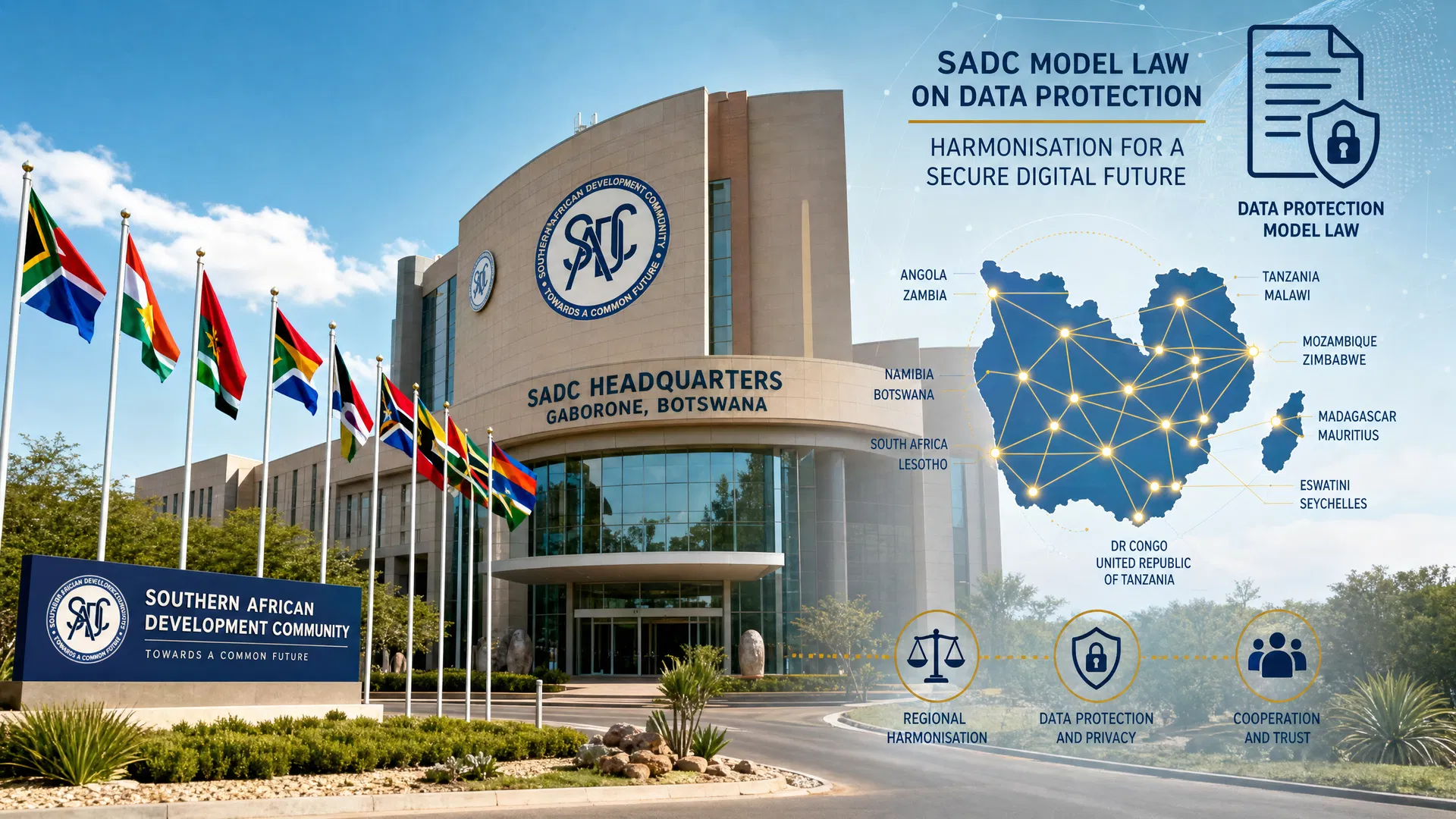
SADC's Framework for Digital Finance Integration
The Southern African Development Community (SADC) plays a pivotal role in spearheading regional coordination efforts aimed at integrating digital finance across its member states. Recognizing the transformative power of financial technology, SADC has initiated several strategic frameworks designed to harmonize regulatory environments and promote interoperability. The SADC Protocol on Finance and Investment serves as a foundational document, outlining the commitment of member states to align their financial policies and facilitate cross-border capital flows. By leveraging this protocol, SADC aims to create a unified regulatory landscape that encourages innovation while maintaining robust consumer protection.
A key component of SADC's strategy involves the development of the SADC Real Time Gross Settlement (RTGS) system, which has significantly enhanced the efficiency of cross-border payments. This system exemplifies the tangible benefits of regional coordination, enabling participating banks to settle transactions in real-time and reducing reliance on correspondent banking networks. Building upon this success, SADC is now focusing on integrating emerging fintech solutions, such as mobile money platforms and digital assets, into the broader regional financial infrastructure. By establishing standardized protocols for these technologies, SADC is paving the way for a more inclusive and interconnected digital economy.
Overcoming Regulatory Fragmentation in the Region
Regulatory fragmentation remains one of the most significant impediments to the seamless expansion of digital finance and fintech innovation across Southern Africa. Currently, fintech companies operating in the region must navigate a labyrinth of distinct regulatory regimes, each with its own set of compliance mandates and licensing procedures. This fragmented landscape significantly increases operational costs, delays time-to-market for new products, and deters institutional investors seeking scalable opportunities. To overcome these hurdles, regional policymakers must actively pursue the harmonization of legal frameworks governing digital payments and consumer protection.
The disparity in Anti-Money Laundering and Combating the Financing of Terrorism (AML/CFT) regulations across Southern African nations further exacerbates the challenges of regulatory fragmentation. Inconsistent enforcement and varying definitions of digital assets create regulatory arbitrage opportunities and elevate compliance risks for cross-border operators. Achieving regional coordination in AML/CFT standards is paramount for maintaining the integrity of the financial system and ensuring compliance with international guidelines. By adopting a unified approach to digital identity verification, Southern African countries can effectively mitigate illicit financial flows while fostering legitimate digital finance activities.
Blockchain and Tokenization as Catalysts for Harmonization
The advent of blockchain technology and asset tokenization presents a unique and powerful catalyst for accelerating fintech policy coordination across Southern Africa. These decentralized technologies inherently transcend national borders, challenging traditional regulatory paradigms and necessitating a unified regional response. Blockchain's immutable ledger capabilities offer unprecedented transparency and efficiency in cross-border settlements, trade finance, and supply chain management. As Southern African nations recognize the transformative potential of these technologies, there is a growing consensus on the need to develop cohesive regulatory frameworks that govern digital assets.
Tokenization, the process of converting rights to an asset into a digital token on a blockchain, holds immense promise for democratizing access to investment opportunities in Southern Africa. By fractionalizing ownership of real estate, infrastructure projects, and agricultural commodities, tokenization can unlock massive pools of illiquid capital and attract diverse institutional investors. However, the successful implementation of tokenized ecosystems requires a coordinated regulatory approach to ensure legal certainty, investor protection, and interoperability across regional markets. Policymakers must collaborate to establish clear classifications for different types of tokens and define the legal rights associated with digital ownership.
Future Outlook: Building Resilient Digital Infrastructure
As Southern Africa continues to navigate the complexities of the digital age, the future of its economic prosperity hinges on the development of resilient and interconnected digital infrastructure. Regional fintech policy coordination will be the cornerstone of this endeavor, providing the regulatory foundation necessary to support advanced technological ecosystems. The successful integration of digital finance, blockchain, and tokenization requires robust underlying infrastructure, including high-speed broadband networks, secure data centers, and interoperable payment gateways. Policymakers must prioritize collaborative investments in these critical areas, ensuring that the entire region benefits from the digital revolution.
Looking ahead, the convergence of artificial intelligence, decentralized finance, and central bank digital currencies will further underscore the necessity for proactive regional coordination. As these emerging technologies reshape the financial landscape, Southern African nations must work collaboratively to establish forward-looking regulatory frameworks that mitigate risks while fostering innovation. By anticipating these technological shifts and coordinating their regulatory responses, Southern African leaders can ensure that the region remains at the forefront of global digital finance innovation. Ultimately, this coordinated effort will drive sustainable economic growth and secure a prosperous digital future for the entire region.